Most indoor gardeners hit the same wall. Bag after bag of generic mix turns into a compacted brick by week three, roots suffocate, and the plant sulks. FoxFarm’s indoor potting soils have earned a steady following because they skip the cheap fillers and lean on castings, peat, and forest humus that breathe. I put this roundup together for anyone staring at a half-empty planter and wondering which FoxFarm bag actually matches what they’re growing.
An Overview Of The Picks
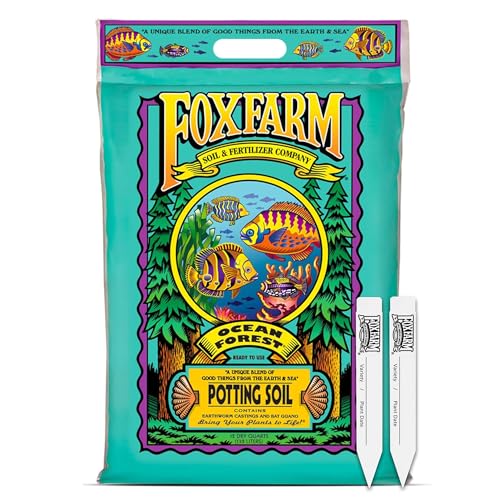
FoxFarm Ocean Forest Potting Soil 12 Quarts with 2 Plant Tags

FoxFarm Ocean Forest Potting Soil, 1.5 cu ft

FoxFarm Ocean Forest Potting Soil for Container Gardens 12 Quart

FoxFarm Happy Frog Potting Soil, 2 cu ft

FoxFarm Ocean Forest Potting Soil 2 x 12 Quart Bundle
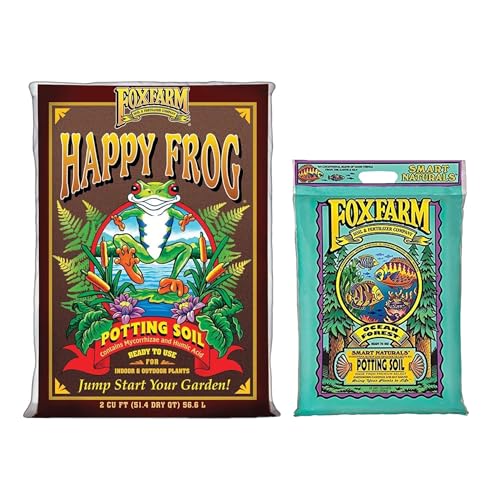
FoxFarm Happy Frog 2 cu ft + Ocean Forest 12 qt Combo
What Each Pick Brings To The Table
The 12-quart Ocean Forest bag is the easiest entry point into FoxFarm’s lineup, sized for a single repotting session or a tray of seedlings rather than a full room refresh. Out of the bag, the texture feels loose and slightly damp, the kind of consistency that settles around roots without compacting into a wet brick. Two included plant tags are a small but useful touch for anyone tracking which cutting went into which pot.
For someone setting up their first indoor shelf of tropicals, this bag covers a handful of mid-size planters with room to spare. The blend leans on earthworm castings, crab meal, and fish meal, which feed slowly over the first several weeks. If you’re juggling a fiddle leaf, a pothos, and a monstera all on the same repotting day, one bag usually gets you through.
The Value In It
- Light, aerated texture that resists compaction in standard houseplant pots
- Ready-to-use straight from the bag, no amending required for most indoor species
- Slow-release organic feeding from earthworm castings, fish meal, and crab meal
- Bonus plant tags help track varieties and transplant dates
- Manageable 12-quart size avoids wasted leftover mix drying out in storage
Points To Keep In Mind
- Smaller volume means more frequent reorders for anyone with a large plant collection
- Strong organic scent right after opening, noticeable in small rooms until it airs out
- Premium bag pricing per quart runs higher than bulk options below
Who It Suits Best
Apartment plant parents with a handful of pots who want a premium blend without committing to a 1.5 cu ft monster bag.
Consider Something Else When
Heavy indoor jungles overflowing with large containers will find the 2 cu ft Happy Frog a more efficient refill option.
The 1.5 cu ft Ocean Forest bag is the workhorse of the lineup, built for the day a houseplant collection doubles overnight. Same blend of castings, fish meal, and crab meal as the smaller 12-quart above, just scaled up for serious repotting. If you’ve been rationing soil from small bags, this one bag covers a full sweep of medium and large containers.
For indoor gardeners converting a corner of a room into a green wall, this is the bag that lets you stop counting how many pots you have left to fill. The aerated texture drains cleanly without washing out fine roots during the initial waterings. One caveat for tight apartments: the bag is bulky and weighs roughly 40 pounds, so plan a spot to break it down.
Where It Delivers
- Larger volume reduces reorder frequency during seasonal repotting marathons
- Same proven Ocean Forest blend as the smaller 12-quart format
- Aerated texture supports healthy root expansion in deep planters
- Cost per quart drops noticeably compared to the 12-quart bag
Trade Offs
- Heavy bag is awkward to carry upstairs or to a balcony garden
- Once opened, leftover mix needs a sealed bin to stay moist and pest-free
- Strong organic smell lingers longer in a small space than in a garage or patio
Right Fit For
Collectors with a dozen or more indoor containers who repot in batches and want fewer trips to the door.
Reach For A Different Pick When
Balcony herb growers and edible planters will likely prefer Happy Frog’s gentler microbe-driven blend.
Another 12-quart Ocean Forest option, this one positioned squarely for indoor container gardens. The formulation stays consistent with the rest of the Ocean Forest family, but the smaller footprint makes it easier to tuck onto a closet shelf or under a sink. For renters short on storage, that detail matters.
The blend combines aged forest products, sandy loam, and sphagnum peat moss, a trio that keeps the mix airy without drying out between waterings. Sandy loam is a soil texture that includes sand, silt, and a touch of clay for balanced drainage. If your indoor mix tends to either stay soggy or turn bone dry within a day, this ratio tends to land in the middle.
A Favorable Mix
- Compact 12-quart format stores easily in small apartments
- Aged forest products and sphagnum peat moss support steady moisture
- Sandy loam component improves drainage in deep decorative pots
A Few Limitations
- Same volume limitation as Pick 1, frequent reorders for plant-heavy homes
- Initial odor from organic meals can be strong in closed rooms
Key Product Details
Made For
Small-space plant parents who need a premium indoor blend without dedicating half a closet to soil storage.
Skip It When
Anyone repotting a full shelf of large containers will burn through this bag fast and benefit more from the 2 cu ft Happy Frog.
Happy Frog is FoxFarm’s gentler alternative to Ocean Forest, and the 2 cu ft size is the biggest format it ships in. The blend leans on earthworm castings and aged forest products, with soil microbes that help roots break down nutrients over time. For edible herbs and finicky houseplants, that microbial life tends to matter more than a heavy feed.
Compared to the Ocean Forest picks above, Happy Frog runs a touch less aggressive on nitrogen, which sensitive species like ferns and calatheas often prefer. The bag itself is lighter than the 1.5 cu ft Ocean Forest despite holding more volume, which is a small ergonomic win for indoor use. If you’ve been losing leaves to fertilizer burn, this is a smarter starting point.
Reasons It Performs
- Soil microbes support steady nutrient uptake in containers
- Gentler feed profile suits edibles and humidity-loving tropicals
- Largest single-bag volume in the Happy Frog line
- FoxFarm avoids topsoil, sludge, and cheap fillers in this blend
Points To Note
- Lower nutrient density than Ocean Forest means heavier feeders may need supplemental feeding sooner
- 2 cu ft bag is bulky to store once opened without a lidded bin
Feature Card
Who Should Grab It
Edible herb growers and anyone with humidity-loving tropicals who prefer a slower, microbial-driven feed.
A Better Fit Elsewhere
If you’re starting seeds and want a faster nutrient hit, the Ocean Forest 12-quart with plant tags is a smarter match.
Two 12-quart Ocean Forest bags in one shipment, the bundle format that makes sense once a plant collection passes the ten-pot mark. Same indoor-friendly blend as the single 12-quart Pick 1, just doubled up so the next repotting session doesn’t stall mid-project.
The 24-quart total volume lands right between the single 12-quart bags and the 1.5 cu ft workhorse in Pick 2. For most indoor gardeners, two bags cover a full spring repotting cycle without the leftover storage headache of a larger compressed bag. The bundle also tends to soften per-quart pricing compared to buying singles, depending on the listing.
Standout Benefits
- Two bags reduce reordering during a busy repotting season
- Smaller individual bags stay manageable in apartment storage
- Consistent blend across both bags, no batch mismatch concerns
- Cost per quart typically beats single-bag purchases
Softer Spots
- Heavier combined weight at delivery, roughly 20 pounds for the pair
- Double-bag shipments arrive in larger boxes that need a disposal plan
Who Will Love This
Multi-plant households prepping for a coordinated repotting day who want a stockpile ready to go.
Swap It Out When
Anyone working with limited storage space may prefer the single 12-quart from Pick 3 instead.
The combo bundle pairs a 2 cu ft Happy Frog with a 12-quart Ocean Forest, putting two distinct blends in a single order. For mixed indoor collections, that variety is the actual point. Heavy feeders go in Ocean Forest, sensitive species and herbs go in Happy Frog, and nobody fights over which bag runs out first.
I’ve seen gardeners split this combo the same way: Ocean Forest for tropical foliage and vigorous growers, Happy Frog for ferns, calatheas, and any windowsill herbs. The total volume covers a serious repotting push without forcing a choice between blends. This bundle ships from a third-party garden center on the retailer, so delivery timing can vary from the warehouse-shipped FoxFarm options above.
Everyday Advantages
- Two distinct blends cover both vigorous and sensitive indoor plants
- Total volume handles a full multi-room repotting project
- Combo format simplifies stocking for households with mixed species
Honest Caveats
- Third-party garden center shipping can add a few extra days
- Return window and shipping terms depend on the specific seller
- Total order weight is substantial and may require help bringing it inside
Quick Facts
Built With In Mind
Mixed indoor gardeners running foliage, herbs, and humidity-loving tropicals in the same home.
Another Choice May Suit
Single-blend households will get more value from a double Ocean Forest bundle like Pick 5 instead.
Picking The Right Indoor Mix For Your Plants
Choosing between FoxFarm’s indoor potting soils comes down to three practical questions: how many pots you’re actually filling, what you’re growing, and how much storage you can spare. Ocean Forest suits vigorous tropicals that want steady feeding, while Happy Frog fits ferns, calatheas, and herbs that prefer a slower microbial diet. Volume matters too, since a 12-quart bag handles a shelf of plants but disappears fast in a larger collection.
Texture And Drainage
FoxFarm’s indoor mixes stay aerated because they skip the cheap fillers and lean on aged forest products and sphagnum peat moss. Sphagnum peat moss is a decomposed plant material that holds moisture while still letting air reach the roots. In a deep decorative pot without drainage, even a premium mix can stay too wet, so pair the soil with a pot that has a drainage hole or add a layer of pebbles at the base.
Volume And Storage
A 12-quart bag fits under most sinks, a 2 cu ft bag needs a closet corner or a sealed storage bin. Leftover mix dries out fast once opened, and dry mix loses its microbial activity, so plan storage before the bag arrives. For most indoor gardeners, two 12-quart bags or one 1.5 cu ft bag covers a full repotting cycle.
Matching Feed To Plant Type
Foliage like pothos and monsteras thrives on Ocean Forest’s richer feed, but ferns and calatheas can scorch on the same nutrient density. Happy Frog’s microbial approach buffers that feed intensity, which is why many indoor gardeners keep both blends on hand. Starting seeds does well in either, though Ocean Forest’s slightly higher nitrogen pushes faster early growth.
Key Considerations Across These Picks
Pitfalls Shoppers Hit
The most common FoxFarm mistake is grabbing the biggest bag to save per-quart cost, then watching it dry out in an open closet before the next repotting. Unsealed mix loses microbial life within weeks. Match the bag size to your actual repotting cadence, not just the per-quart math.
Where The Extra Money Goes
Higher-tier FoxFarm blends skip topsoil and sludge, the cheap fillers that show up in budget mixes and compact into concrete by month two. Earthworm castings, crab meal, and fish meal cost more per pound, but they keep the mix breathable and feed plants slowly. For indoor use where drainage failures kill roots fast, that upgrade usually pays for itself in a single growing season.
Frequently Asked Questions
Is FoxFarm Ocean Forest good for indoor houseplants?
Yes, Ocean Forest works well indoors as long as the pot has drainage. The blend’s aerated texture prevents compaction that usually suffocates roots in standard containers.
Can FoxFarm Happy Frog be used for starting seeds?
Happy Frog works for seedlings, though many growers prefer Ocean Forest for faster early growth. Either way, starting in small cells and transplanting up works better than direct-seeding into a large bag of mix.
How long does an opened bag of FoxFarm potting soil last?
A sealed bag stays viable for roughly a year. Once opened, plan to use it within two to three months or transfer the leftover into a lidded bin to preserve microbial life.
Do FoxFarm soils need added fertilizer right away?
Not immediately. Both blends include slow-release organic meals that feed plants for several weeks. Supplemental feeding usually starts around month two for heavy feeders and month three for sensitive species.
Are FoxFarm soils safe for edible herbs and vegetables?
Yes, Happy Frog is specifically designed with edibles in mind. Ocean Forest also works for herbs, though the richer feed can push leafy growth over flavor in some culinary varieties.
Closing Remarks
Pick the FoxFarm blend that matches the plants actually sitting on your shelf, then size the bag to your repotting rhythm. A 12-quart bag is plenty for a small collection, a 2 cu ft bag makes sense once you’ve passed a dozen pots. The honest read is that FoxFarm’s indoor mixes justify their cost through texture alone, but the right blend and volume matter more than the brand name on the bag.