I keep a little cluster of pots on my fire escape, and every summer I run into the same wall: leafy growth slows down, the tomatoes go pale, and I’m left guessing whether the problem is sunlight, water, or nutrients. For gardeners chasing that missing piece, the right plant food can steady growth through heat waves and stretch the bloom window a few precious weeks longer. After comparing formulas, application styles, and target plants, these are the liquid and water-soluble feeds that show up most often on serious gardeners’ shelves.
A Closer Look At The Lineup

Schultz All Purpose Plant Food Plus 10-15-10, 8-Ounce
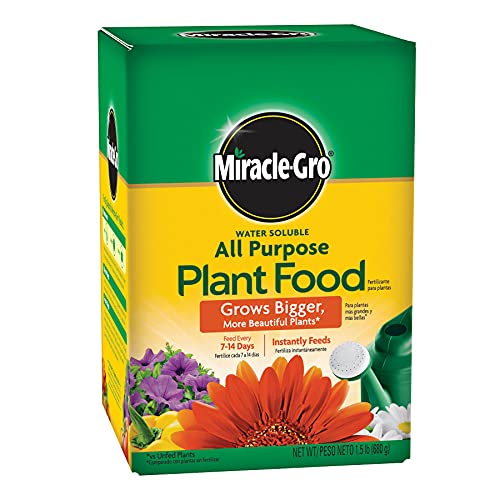
Miracle-Gro Water Soluble All Purpose Plant Food 1.5 lb

Farmer’s Secret Fruit & Bloom Booster Fertilizer 8oz
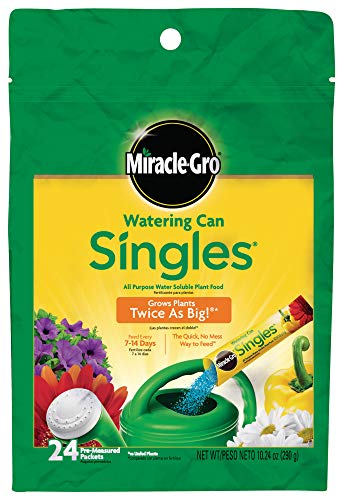
Miracle-Gro Watering Can Singles All Purpose 24 Packets
More On The Choices That Made The List
For indoor shelves crowded with pothos, philodendrons, and a fiddle leaf that everyone has strong opinions about, a feed that doesn’t ask for measuring spoons earns its space fast. Schultz All Purpose 10-15-10 (the numbers refer to nitrogen-phosphorus-potassium ratios, or how much of each major nutrient is in the mix) leans on a small bottle with a built-in dropper, and the brand’s well-known “7 drops per quart of water” routine turns regular watering into a feeding session without any extra gear.
Transplanting and rooting get a modest lift from the higher phosphorus middle number, which supports root development and flower set. For most windowsills, the 8-ounce bottle outlasts the dry season because a little genuinely goes a long way.
Positive Points
- Built-in dropper removes the measuring guesswork for casual watering routines
- 10-15-10 ratio favors root and bloom support, useful for freshly potted cuttings
- Compact 8-ounce bottle stores easily on a narrow plant shelf or kitchen counter
- Made in the USA and formulated for both indoor and outdoor use
Things To Consider
- The tiny dropper slows things down on big patio jobs where you’d rather mix a watering can full
- Lower nitrogen than many all-purpose blends, so heavy foliage feeders may want a backup for peak summer
Who It Suits Best
Houseplant keepers and apartment gardeners who want a fuss-free, low-dose routine they can fold into normal watering days.
Look Elsewhere When
You’re feeding a large vegetable bed and need the bulk-economy of the Miracle-Gro Water Soluble 1.5 lb jug instead.
The 1.5-pound jug is the workhorse of raised-bed gardening. It’s the scoop-and-dissolve format that experienced feeders reach for when the tomatoes, peppers, and rose bushes all want lunch at the same time. Mixed at the standard rate, one scoop feeds a lot of plants, which keeps the season’s feeding cost realistic for anyone running more than a handful of containers.
Versatility is the real headline: flowers, vegetables, houseplants, trees, and shrubs all fall inside the suggested use range. For gardeners who want one jug in the shed rather than three half-used bottles, that flexibility matters more than a specialized bloom-booster profile.
Where It Helps
- Large-format powder scoops easily into a watering can or hose-end feeder for whole-bed coverage
- Compatible with vegetables, flowers, shrubs, and houseplants under one label
- Dissolves quickly, so there’s little gritty residue left in the can
Points To Keep In Mind
- Application rates must be followed closely, since concentrated powder can scorch roots when overapplied
- Bulk powder benefits from a dry storage spot, as humidity can clump the granules over time
- No built-in measuring scoop for precise small-quantity mixing on a windowsill
Feature Snapshot
Right Fit For
Backyard growers juggling raised vegetable beds, flower borders, and a few shrubs who want a single, dependable jug all season.
A Better Fit Elsewhere
City dwellers with only a balcony might find the Miracle-Gro Watering Can Singles 24 Packets easier to handle than a 1.5-pound jug.
By late July the conversation in the garden shifts from leaves to fruit set, and that’s where a bloom-targeted booster earns its keep. Farmer’s Secret Fruit & Bloom Booster is a super-concentrated liquid built for that pivot window, aimed at strengthening root nutrient uptake so tomatoes, peppers, citrus, and roses push harder through the finish line.
The 8-ounce bottle dilutes into a foliar spray or a soil drench, and the formula is tuned for the late-summer and early-fall stretch when heat stress can blunt flower development. For gardeners chasing one more strong flush before frost, this is the targeted nudge.
Benefits That Matter
- Super-concentrated liquid keeps the bottle small relative to coverage area
- Designed specifically for late-summer and early-fall feeding when standard balanced feeds taper off
- Works across fruits, vegetables, and flowering ornamentals under one label
- Liquid format dissolves immediately for foliar feeding or quick root uptake
Worth Noting
- Not a year-round feed, so it pairs best alongside a basic all-purpose for early-season growth
- Concentrate strength requires careful measuring, since a heavy hand can stress sensitive seedlings
Technical Highlights
Best Suited To
Growers running edible beds and rose borders who want a stronger finish to the season rather than a generic all-season feed.
Skip It When
Your whole garden is indoor foliage, where the Schultz All Purpose 10-15-10 bottle covers the lighter steady-feed routine without the seasonal intensity.
Pre-measured packets flip the script on feeding days. Tear one open, drop it into the watering can, fill with water, and you’re pouring an already-balanced meal onto the bed. For gardeners who never quite remember the right scoop size, that built-in accuracy is the whole appeal of the Miracle-Gro Watering Can Singles.
Each packet is sized for one standard watering can, which lines up nicely with weekend routine-feedings on small gardens, balcony planters, and patch-of-lawn flower beds. The 24-pack format also travels well to community plots or a friend’s house for a shared gardening day.
Good Reasons To Consider
- Single-use packets remove measuring entirely, lowering the risk of over- or under-feeding
- Tear-and-pour format keeps hands and storage areas clean compared to loose powder
- Sized for one watering can per packet, simplifying weekend feeding routines
Trade Offs
- Per-feeding cost runs higher than buying the bulk 1.5 lb jug, which adds up across a full season
- Single-can packets don’t suit very large beds where multiple packets per session become wasteful packaging
- Packets must be kept dry, so storing the box away from outdoor shed humidity matters
Who Should Grab It
Casual gardeners, beginners, and anyone who prefers a tidy, no-measure routine over the bulk-jug approach.
Reach For A Different Pick When
You’re feeding a serious vegetable plot, where the Miracle-Gro Water Soluble 1.5 lb jug offers the same all-purpose coverage at a more sustainable per-feeding cost.
Picking The Right Plant Food For Your Routine
The first decision is whether your garden wants an all-season feed or a targeted bloom booster. All-purpose formulas, like the 10-15-10 Schultz blend or the Miracle-Gro Water Soluble powder, are steady companions that support leaves, roots, and flowers across the full growing cycle. Bloom boosters such as Farmer’s Secret Fruit & Bloom concentrate their energy on the late-season fruit-and-flower push, so they work best as a supplement rather than a stand-alone plan.
Application style matters more than people expect. Drop-and-water bottles fit into casual watering routines, scoop-and-dissolve jugs handle larger beds cheaply, and pre-measured packets trade a bit of per-feeding cost for clean, no-think convenience. Matching the format to your watering habit is what keeps feeding from feeling like a chore.
Plant type changes the calculus too. Heavy feeders like tomatoes, peppers, and roses want consistent nutrition through the heat, while houseplants and herbs usually thrive on lighter, less frequent doses. For mixed gardens, an all-purpose base plus an optional bloom-stage boost covers most realistic scenarios without overcomplicating the shelf.
Key Considerations Across These Picks
Mistakes Worth Dodging
Over-applying is the most common slip in this category, and it can scorch roots faster than underfeeding. Always follow the label’s dilution rate, and resist the urge to “double up” when plants look stressed; heat and drought stress often look like hunger but need water, not more nutrients. Mixing bloom boosters into a routine that already includes a strong all-purpose feed can also push phosphorus and potassium higher than the soil can use.
Where The Extra Money Goes
Premium liquid concentrates cost more per ounce because they’re formulated for fast uptake and specific growth windows, like the late-summer bloom stage. The higher price reflects concentration strength and targeted nutrient ratios, not just packaging. For gardeners running a small plot with one major feeding push, that targeted formula can replace several rounds of generic feeding.
Frequently Asked Questions
How often should I feed container plants versus garden beds?
Container plants typically want feeding every one to two weeks because frequent watering leaches nutrients from the pot, while in-ground gardens often do well on a monthly schedule during active growth.
Can I use bloom booster on leafy greens I plan to harvest?
Bloom boosters are tuned for flowering and fruiting plants, so leafy greens usually respond better to a balanced all-purpose feed that supports steady foliage production.
Is water-soluble powder better than liquid concentrate?
Both work well, but powder is generally cheaper per feeding and easy to store, while liquid concentrates mix faster and offer more targeted nutrient ratios for specific growth stages.
Do I need to feed plants in winter?
Most plants enter a rest period in lower light and cooler temperatures, so feeding should be reduced or paused until active growth resumes in spring.
Will fertilizer fix yellowing leaves automatically?
Yellow leaves can signal overwatering, poor drainage, nutrient deficiency, or pests, so feeding alone may not help unless the actual cause is a nutrient shortfall.
The Takeaway
The right plant food depends less on brand loyalty and more on matching format, nutrient ratio, and season to your specific garden. Houseplant keepers and casual feeders often do best with a small drop-style bottle or pre-measured packets, while serious vegetable growers usually want a bulk powder or a late-season bloom booster for the final push. Pick the format that fits your watering habit, and the rest of the season tends to take care of itself.