For gardeners who favor their left hand, finding shears designed to match your grip changes everything. A reversed blade orientation, mirrored spring tension, and a handle contour that closes naturally under your thumb turn a tedious chore into something that just flows. Below, ten picks cover herbs, hedges, thick branches, and delicate trimming, with options for left-handed users at every budget.
A Quick View Of The Lineup

PrunePro 3 Piece Garden Shears Set

PrunePro 4 Piece Garden Shears Set
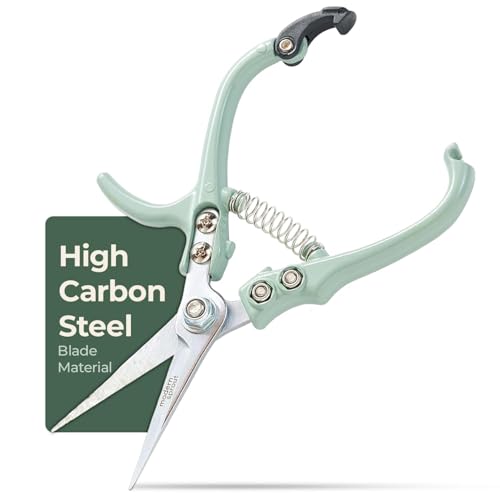
Modern Sprout Pruning Shears Sage 1-Pack
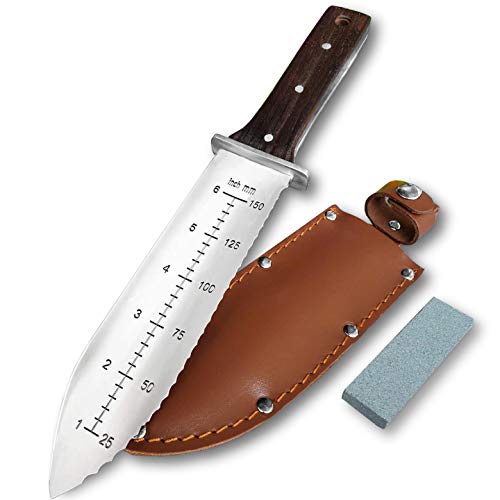
gonicc Professional Hori Hori Garden Knife

Fiskars 7″ Loop Micro-Tip Pruning Shears

TONMA 8.2″ Garden Shears TP-2
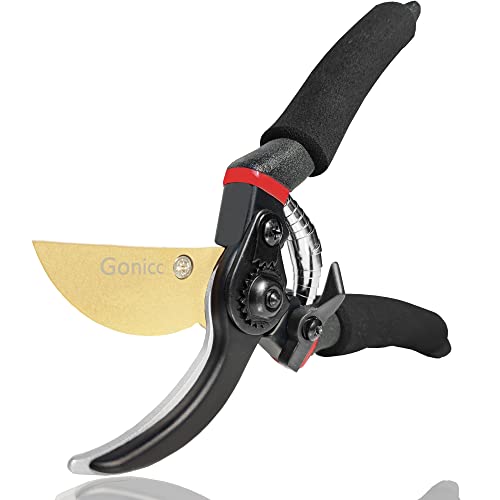
gonicc 8″ Premium Bypass Titanium Pruning Shears GPPS-1003
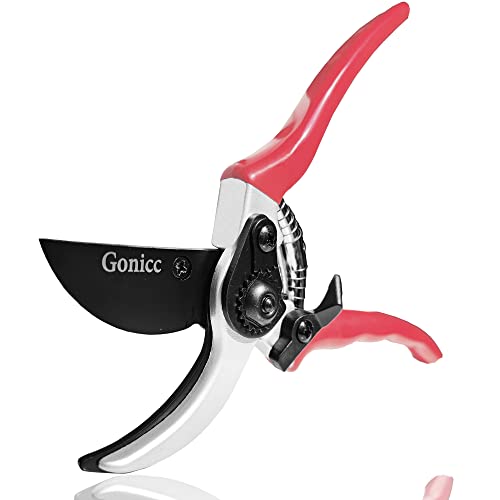
gonicc 8″ Sharp Bypass Pruning Shears GPPS-1002

PrunePro 3 Pack Garden Pruning Shears Set
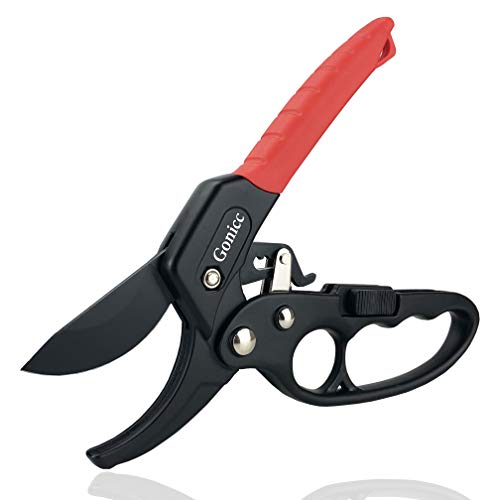
gonicc 8″ Ratchet Anvil Pruning Shears GPPS-1011
A Deeper Look At The Lineup
PrunePro’s three-piece bundle pairs an 8-inch pruning shear with a 27-inch extendable lopper and a hedge shear, giving left-handed gardeners a single kit for nearly every trim job. The blades run on upgraded 1.4031 German stainless steel with a Teflon coating, a combination that resists rust and helps the blade slide past sap-coated branches without drag.
You get enough reach for tall hedges without dragging out a ladder, and the hand-friendly geometry keeps squeeze pressure lower than most ambidextrous designs. For most yards, that’s the difference between a 20-minute tidy-up and an afternoon of hand strain.
The Good Stuff
- Three tools cover pruning, hedging, and branch work in one purchase
- Teflon-coated blades resist sap buildup and wipe clean fast
- Arthritis-friendly grip geometry lowers hand fatigue during longer sessions
- 1.4031 stainless steel handles repeated outdoor storage better than basic carbon blades
- Extendable lopper reaches branches without climbing
Things To Consider
- Lopper handles feel long for very tight garden corners
- Teflon coating can dull after heavy contact with stone walls
Quick Facts
Who It Suits Best
Left-handed gardeners who want a single kit covering small branches, hedges, and shrubs without buying each tool separately.
Consider Something Else When
The PrunePro 4 Piece Garden Shears Set suits those who also need precision snips for herbs or flower deadheading.
Building on the three-piece kit, PrunePro’s four-piece set adds a dedicated precision tool for tighter cuts on flowers, herbs, and stems. The blades share the same 1.4031 stainless steel core and Teflon coating as the smaller bundle, so sharpening and cleaning routines stay consistent across every tool.
For gardeners managing a mixed plot of ornamentals, edibles, and hedges, this is where the extra slot pays off. You stop switching between a heavy bypass and improvised kitchen snips, and you keep left-hand orientation on every tool in the bag.
Practical Advantages
- Includes a precision pruner for herbs and flower stems
- Shared blade platform simplifies maintenance and blade oiling
- Teflon coating reduces wiping between cuts during long sessions
- Arthitis-friendly grip carries across all four tools for consistent feel
- Stainless steel resists the rust spots common with damp shed storage
- Lopper adds high reach without buying a separate pole tool
Worth Noting
- Four tools take more drawer space than a two-piece bundle
- Coating durability drops with heavy soil contact
Made For
Garden enthusiasts running mixed flower beds and edibles who prefer matching tools over mismatched leftovers from past seasons.
Look Elsewhere When
Modern Sprout Pruning Shears in sage makes more sense for growers who mainly snip kitchen herbs indoors and want something smaller.
Modern Sprout’s compact snips target a different corner of the shed: tight clusters of herbs, delicate flower stems, and the kind of detail trimming where larger pruners feel clumsy. The fine-tipped, rust-resistant high-carbon steel blades reach into rosettes and soil-level growth without crushing nearby leaves.
A simple safety latch keeps the blades closed in a kitchen drawer, which is where many left-handed herb growers end up storing them. For indoor windowsill gardens or balcony herb planters, the compact size earns its place over the bigger kits above.
Everyday Perks
- Fine tips reach tight herb clusters and seedling stems cleanly
- Compact frame fits kitchen drawers and apron pockets
- Safety latch prevents accidental cuts in shared storage
- High-carbon steel stays sharp through repeated light cuts
- Sage finish blends with most kitchen color schemes
Trade Offs
- Not built for woody stems thicker than a pencil
- Small handles become uncomfortable during long outdoor sessions
- High-carbon steel wants a light oiling to stay rust-free in damp kitchens
Best Suited To
Left-handed cooks and herb gardeners who trim weekly harvests from pots and windowsill planters rather than tackling heavy yard work.
Not Your Match When
The TONMA 8.2″ Garden Shears TP-2 fits better when you also need to cut branches around an inch thick.
The gonicc Hori Hori isn’t a scissor in the strict sense, but for left-handed gardeners who dig, divide, and slice roots in the same bed where they prune, it earns a spot alongside any shear. The 440 stainless steel blade carries a straight edge for slicing and a serrated edge for tough roots, with a depth scale stamped into the metal for measuring transplant holes.
It comes with a leather sheath and sharpening stone, so maintenance stays in the kit. In raised beds and perennial borders where a trowel and pruner both see action, this single tool often replaces two.
Advantages To Know
- Polished 440 stainless steel resists rust and breakage in damp soil
- Serrated edge saws through roots other blades bounce off
- Stamped depth scale removes guesswork when planting bulbs or seedlings
- Leather sheath keeps the edge off other tools in the bag
- Included sharpening stone extends working life without extra purchases
Points To Note
- Not a replacement for dedicated pruning on woody stems
- Handguard placement favors right-hand grip orientation for some users
- Leather sheath needs occasional conditioning to stay supple
Right Fit For
Left-handed growers managing vegetable beds, perennial divisions, or transplanting work where measuring depth matters as much as cutting.
A Better Fit Elsewhere
Fiskars 7″ Loop Micro-Tip Pruning Shears suit gardeners who mainly shape decorative grasses and flower borders rather than dig.
Fiskars’ micro-tip snips earn their reputation in the detail-work corner of any garden. The narrow blade profile slips between leaves and stems without collateral damage, and the non-stick coating keeps blades from grabbing on sap-heavy cuts.
For left-handed gardeners shaping bonsai, deadheading annuals, or trimming decorative grasses, the SoftGrip handle keeps pinch pressure manageable during long sessions. You may find the 7-inch frame a touch short when reaching into dense shrubs.
Positive Takeaways
- Micro-tip blades reach tight spots standard pruners can’t access
- Non-stick coating slows sap buildup during repeated cuts
- SoftGrip handle lowers hand fatigue on long deadheading sessions
- Steel blades hold an edge through heavy seasonal use
- Loop handle suits gardeners with smaller hands
Honest Caveats
- 7-inch length feels short when reaching into deep shrubs
- Not suited for branches thicker than small finger width
Feature Snapshot
Who Will Love This
Left-handed gardeners focused on flower bed detail work, bonsai, and decorative grass shaping rather than heavy woody cuts.
Swap It Out When
The gonicc 8″ Premium Bypass Titanium Pruning Shears GPPS-1003 makes more sense for heavier weekly pruning on roses and shrubs.
TONMA’s TP-2 carries the precision you’d expect from a Japanese-made tool, with SK5 stainless steel blades that handle branches up to an inch across. The tighter safety lock design is a small detail that matters: the lock stays put whether the shears are open or closed, so you stop finding them half-unlocked in the shed.
For left-handed gardeners managing fruit trees, established roses, or thicker ornamental shrubs, the heavier cutting power fills a gap the lighter snips above can’t. Depending on your grip style, the handle contour may take a few cuts to feel natural.
The Case For It
- SK5 steel tackles branches around an inch thick cleanly
- Improved safety lock stays secure in any position
- Japanese construction favors tight tolerances and clean cuts
- 8.2-inch frame balances reach with control
A Few Limitations
- Heavier build causes faster fatigue during long shaping sessions
- Overkill for thin herb and flower stem work
Perfect Match For
Left-handed gardeners with established roses, fruit trees, or thick ornamental shrubs who need real cutting power in a single hand tool.
Reach For A Different Pick When
Modern Sprout Pruning Shears in sage works better if you mostly trim herbs and soft stems indoors.
The GPPS-1003 takes gonicc’s bypass design up a tier with a titanium coating over the SK-5 steel blade and a drop-forged body that holds up to repeated heavy cuts. The aluminum handles wrapped in PVC keep weight down while maintaining the rigidity needed for thicker stems.
A built-in sap groove channels residue away from the blade, which slows the gumming that ruins clean cuts on roses and fruit wood. For left-handed gardeners pruning weekly through the growing season, that detail adds up over a season of use.
Everyday Wins
- Titanium coating slows rust and sap adhesion
- Drop-forged body handles heavy weekly sessions without flex
- Sap groove keeps blades cutting clean through long pruning days
- Aluminum handles cut weight without sacrificing strength
Room For Improvement
- Premium build adds cost over the GPPS-1002 below
- Heavier feel may tire smaller hands during marathon sessions
Feature Snapshot
Who Should Grab It
Left-handed gardeners pruning roses, fruit wood, or woody ornamentals on a heavy weekly schedule who want a long-service tool.
Where A Sibling Pick Shines
The gonicc 8″ Sharp Bypass Pruning Shears GPPS-1002 covers similar ground at lower cost for gardeners who prune less often.
The GPPS-1002 drops the titanium layer of its sibling above and lands on high-carbon steel with an ultra-fine polishing finish. You still get the drop-forged body and ergonomically shaped non-slip handles that make the gonicc line a familiar sight in garden sheds.
This is the workhorse pick for left-handed gardeners who reach for pruners a few times a week without needing a titanium-coated upgrade. The same sap groove design keeps blades cutting clean through typical shrub and rose work.
Real-World Strengths
- Drop-forged body adds long-term durability for casual weekly use
- High-carbon steel takes a sharp edge with basic sharpeners
- Non-slip handles stay controllable with damp or gloved hands
- Sap groove keeps cuts clean across multiple shrubs
Minor Gripes
- High-carbon steel needs light oiling to prevent surface rust
- Lacks titanium coating’s extra corrosion resistance
- Not as comfortable as the GPPS-1003 for marathon pruning days
Whose Shelf It Belongs On
Left-handed gardeners who prune regularly but not heavily, and who want a solid bypass shear without paying for premium coatings.
Skip It When
The gonicc 8″ Ratchet Anvil Pruning Shears GPPS-1011 fits better for tough, woody stems where hand strength is the main limit.
This PrunePro trio bundles an 8-inch bypass pruner, a 7-inch precision scissor, and a 27-to-35-inch extendable hedge shear for left-handed gardeners working smaller plots. It covers balcony flower care, bonsai styling, fruit picking, and shrub trimming without crossing into the heavy-duty branch work of the larger PrunePro kits above.
The extendable reach on the hedge shear earns its place against fence-line growth and taller topiaries. Stainless steel blades across the set mean a single maintenance routine covers all three tools.
Standout Benefits
- Bypass pruner handles standard shrub and rose cuts
- 7-inch scissors reach into bonsai and herb clusters
- Extendable hedge shear adjusts from 27 to 35 inches
- Stainless blades share one cleaning and oiling routine
- Arthritis-friendly geometry across all three tools
Potential Drawbacks
- Not built for thick branches beyond the bypass pruner’s range
- Extension mechanism adds weight at full reach
Feature Snapshot
Built With In Mind
Left-handed gardeners managing balcony flowers, potted bonsai, and small yard shrubs who want matched tools in one bundle.
Another Choice May Suit
The PrunePro 3 Piece Garden Shears Set covers similar ground with a focus on larger branch and hedge work for bigger yards.
Anvil pruners differ from bypass designs by closing the stem against a flat plate, and the GPPS-1011 adds a ratcheting mechanism that lets the blade advance in stages. For left-handed gardeners with arthritis or limited grip strength, that ratchet action cuts the hand pressure needed for woody stems in half.
The SK-5 steel blade handles light tree branches, rose bushes, shrubs, and hedges, while chrome vanadium handles keep the tool rigid under load. On tough, dead wood where standard bypasses bounce off, this is the pick that closes the cut.
Real Benefits
- Ratchet action reduces required grip pressure on woody stems
- SK-5 steel stays sharp through seasonal deadwood work
- Chrome vanadium handles add strength without extra weight
- Anvil design handles deadwood better than bypass alternatives
- Comfortable choice for gardeners with arthritis or limited grip
What To Weigh
- Anvil action crushes soft green stems rather than cutting clean
- Multi-step ratcheting slows rapid cuts on living growth
- Not a substitute for bypass pruners on tender plants
The Right Fit
Left-handed gardeners with grip strength limits who need to clear woody stems, deadwood, and tougher rose canes.
Where A Sibling Pick Shines
The gonicc 8″ Premium Bypass Titanium Pruning Shears GPPS-1003 handles living green stems with cleaner, faster cuts.
What Matters Most Before Choosing Left Handed Garden Scissors
Blade Action and Cutting Style
Bypass shears work like scissors, with two curved blades passing each other for clean cuts on living green growth. Anvil shears close the stem against a flat plate, which handles dead wood well but crushes tender stems. Picking the wrong action for your typical cutting task shows up as ragged wounds on living plants or struggle on woody branches. Match the action to what you actually cut most weeks.
Handle Ergonomics for Left Hand Use
Grip contour, spring tension, and lock placement need to match a reversed hand orientation. A blade oriented only for right-hand users forces awkward wrist angles and tire your hand faster. Left-hand-specific designs mirror the spring and lock, so your thumb falls naturally on the closed mechanism. For gardeners with arthritis or smaller hands, this detail matters more than steel grade.
Material and Maintenance Reality
SK-5 and 440 stainless steel hold an edge well, but high-carbon variants need a light oiling after damp storage to prevent surface rust. Coatings like Teflon or titanium slow sap adhesion but can wear off with heavy stone or soil contact. A quick wipe-down after each session and an annual sharpening keeps any of these picks cutting cleanly for years.
Reach Versus Control Trade-Off
Extendable loppers and long hedge shears add vertical reach for tall growth, but longer handles also add weight and reduce maneuverability in tight corners. Compact snips trade reach for precision in flower beds and herb planters. Most gardeners end up with two tools: one for reach, one for detail.
Mistakes Worth Dodging and Where The Extra Money Goes
Mistakes Worth Dodging
Choosing a right-hand-oriented shear because it looks similar to a left-hand model leads to immediate hand strain and ragged cuts. Skipping the safety lock check matters too: a loose lock means the shears open in a drawer or bag. Overbuying a heavy-duty lopper for balcony herb work adds weight you’ll regret during long sessions.
Where The Extra Money Goes
Premium picks add titanium coatings that slow sap adhesion and resist corrosion, drop-forged bodies that handle repeated heavy use, and ratcheting mechanisms that cut required grip pressure in half. The upgrade pays off for gardeners pruning weekly on tough growth, while casual trimmers get full service from mid-tier picks.
Frequently Asked Questions
What makes garden scissors truly left handed?
Left-handed garden scissors reverse the blade orientation so the cutting edge faces away from your thumb rather than into it. The spring and safety lock also mirror across the handle, so your thumb falls naturally on the close mechanism without reaching across the tool.
Are bypass or anvil shears better for roses?
Bypass shears handle living rose canes with cleaner cuts that heal faster. Anvil designs work better on dead or older woody canes, where the crushing action isn’t a concern. Many rose gardeners keep both.
How often should I oil my pruning shears?
A light wipe with camellia or mineral oil after each heavy session prevents rust on high-carbon steel blades. Coated blades need less frequent oiling but still benefit from a monthly wipe during the growing season.
Can one shear handle herbs, shrubs, and branches?
A mid-size bypass shear handles most yard tasks up to about half-inch branches. For herbs and flower stems, a precision snip makes cleaner cuts and reaches tighter spots. For branches over an inch, a lopper or ratchet anvil works better.
What should I look for in a left-handed starter kit?
A kit that pairs a mid-size bypass pruner with a precision snip covers most home gardens. Look for mirrored lock placement, grip contour suited to your hand size, and a shared maintenance routine across both tools.
Bottom Line
Left-handed gardeners don’t have to settle for ambidextrous workarounds. The picks above pair genuine left-hand orientation with the right blade action for your typical cutting load, whether that’s kitchen herbs, weekly rose work, or heavy seasonal cleanup. Match the tool to the stems you cut most, and the difference shows up in every session.