A thriving garden rarely starts with the seed. It starts the moment roots meet soil, and choosing the wrong texture, drainage level, or nutrient density can undo months of careful work. Whether you’re repotting a windowsill pothos, building out a bioactive terrarium, or amending a backyard bed, the substrate you reach for shapes everything that follows. This roundup covers ten soil and amendment options for hobbyists who want substrate that actually performs, not just bags that look the part on a shelf.
An Overview Of The Picks

Legigo 4 Quarts Organic Perlite for Plants Indoor, Soil Mix Amendment
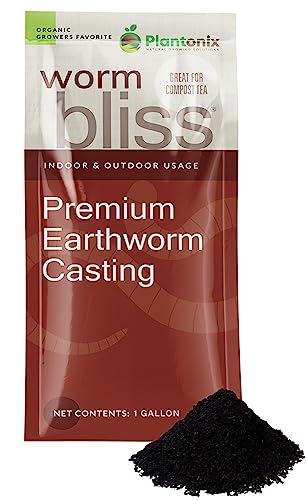
Plantonix Worm Bliss 4 Qts Organic Worm Castings

FoxFarm Ocean Forest Potting Soil, 1.5 cu ft
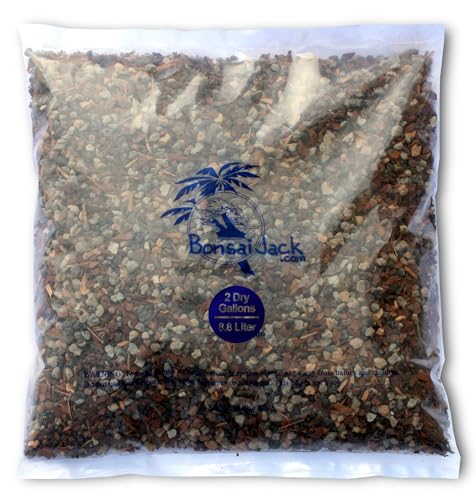
Bonsai Jack Universal Organic Bonsai Soil Mix #221, 2 Gallons
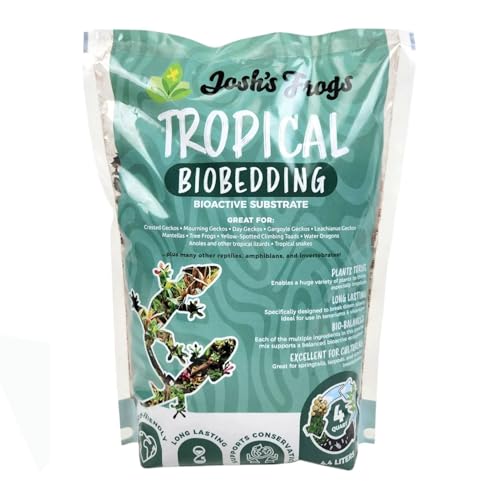
Josh’s Frogs BioBedding Tropical Bioactive Substrate (4 Quarts)

Micro Landscape Design Special Lithops Soil Mix (2 Quarts)

Legigo 15 Quarts Organic Perlite for Plants Indoor, Soil Mix Amendment

Legigo 20 Quarts Organic Perlite for Plants Indoor, Soil Mix Amendment

Legigo 6 Quarts Organic Perlite for Plants Indoor, Soil Mix Amendment
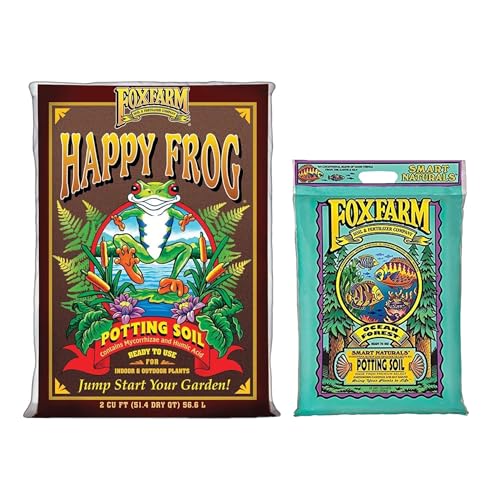
FoxFarm Happy Frog 2 cu ft + Ocean Forest 12 qt Bundle
Taking A Closer Look At The Options
Coarse perlite, the kind that looks like crushed popcorn and weighs almost nothing, earns its spot in nearly every well-draining mix on this list, and Legigo’s 4-quart bag is the most approachable way to try it. Perlite itself is a heat-expanded volcanic stone, and its porous, airy structure is exactly what root systems need to avoid sitting in saturated soil.
For hobbyists repotting a handful of succulents or building a small cactus blend, this size avoids waste and stores easily in a closet. The grain is consistently coarse, which suits gritty mixes better than fine seed-starting blends. You may find 4 quarts disappears quickly on bigger projects, where one of Legigo’s larger bags makes more sense.
A Favorable Mix
- Coarse grain size suits gritty cactus and succulent blends
- Lightweight, making it easy to mix into dense potting soils
- pH neutral, so it won’t shift the chemistry of your base soil
- Pulls excess water away from sensitive roots
Points To Note
- 4 quarts goes fast on multi-container projects
- Dust at the bottom of the bag may need a quick rinse
Key Specs
Made For
Small-scale succulent and cactus growers who want a manageable, easy-to-store aeration amendment for occasional repotting.
Reach For A Different Pick When
You maintain a large plant collection or run a propagation studio, in which case the Legigo 20 Quarts Organic Perlite offers far better value per quart.
Worm castings are one of the gentlest ways to feed a living soil, and Plantonix’s Worm Bliss leans into that role with an OMRI-listed organic profile. Earthworm castings (the digested organic matter worms leave behind) carry nitrogen, phosphorus, potassium, and a wide spread of trace minerals in a form plants can absorb quickly without burning roots.
For organic vegetable gardeners and indoor growers who mix their own blends, a 4-quart bag gives plenty of material to blend into a base soil or top-dress containers. The texture is fine and slightly moist, which integrates smoothly into peat or coir-based mixes. You may find that for heavy-feeding crops, worm castings alone aren’t a complete feeding program, so pairing with another amendment helps in mid-season.
Useful Touches
- OMRI-listed for organic gardening use
- Slow-release nutrient profile that resists leaching
- Fine texture blends cleanly into most base mixes
- Improves microbial activity in depleted or reused soils
Worth Bearing In Mind
- Nutrient concentration is mild, so heavy feeders may need supplemental feeding
- The fine, moist texture can clump if stored in a humid garage
Whose Shelf It Belongs On
Organic-focused gardeners building living soil for vegetables, herbs, and houseplants who value a clean, slow-release nutrient source.
Look Elsewhere When
You need a ready-to-use complete blend straight from the bag, in which case FoxFarm Ocean Forest Potting Soil arrives pre-mixed and ready to plant into.
FoxFarm’s Ocean Forest has earned a long track record among container gardeners for good reason. The blend arrives ready to use straight from the bag, which removes the guesswork for anyone who doesn’t want to measure perlite and worm castings into a base. Its 1.5 cubic foot volume covers a meaningful number of mid-size pots, roughly four to six depending on container size.
The texture is light and well-aerated, and the blend suits nearly any container plant from tomatoes to tropical foliage. For hobbyists stepping up from a basic garden-center bag, the upgrade in structure is immediately noticeable. One thing worth considering: Ocean Forest is on the richer side, so very young seedlings or salt-sensitive carnivorous plants may prefer a leaner starting medium.
Points In Its Favor
- Pre-blended and ready for immediate container use
- Light, well-aerated texture encourages strong root development
- 1.5 cu ft covers multiple mid-size containers per bag
- Broad plant compatibility from vegetables to ornamentals
- Carries earthworm castings and other organic inputs
Some Limits To Know
- Nutrient load may be too rich for sensitive seedlings or carnivorous plants
- Heavier and bulkier than perlite-only amendments to ship or store
Right Fit For
Container gardeners who want a complete, pre-mixed soil and don’t want to fuss with separate amendments for everyday repotting.
Swap It Out When
You’re growing moisture-loving tropical vivarium inhabitants, in which case Josh’s Frogs BioBedding Tropical Bioactive Substrate is purpose-built for that environment.
Bonsai soil lives by different rules than container soil, and Bonsai Jack’s Universal Mix reflects that. Where standard potting soil aims to hold moisture, bonsai mixes aim to shed it, and the screened, pre-washed grains in this blend are engineered for that job. The 2-gallon volume is enough to repot several small to mid-size trees.
What sets this apart from generic cactus mixes is the attention to pH, particle size, and bulk density, all tuned for shallow bonsai pots. Compared to the Legigo perlite options above, this is a finished blend rather than a raw amendment. Depending on your tree species, the drainage may actually be too sharp for moisture-loving tropicals, so matching the soil to the tree matters more than usual here.
Useful Strengths
- Pre-screened and pre-washed, ready to pot into
- Optimized pH around 6.4 for common bonsai species
- Sharp drainage prevents root rot in shallow pots
- Works across most conifer and tropical bonsai varieties
Trade Offs To Consider
- Watering frequency increases compared to standard potting soil
- Higher cost per quart than raw perlite amendments
Best Suited To
Bonsai hobbyists and conifer growers who want a scientifically tuned substrate instead of mixing their own from raw components.
Not Your Match When
You need an everyday all-purpose container soil, in which case FoxFarm Ocean Forest Potting Soil covers that role more economically.
Bioactive vivariums are a different world from potted houseplants, and the substrate needs to support an entire cleanup crew rather than just roots. Josh’s Frogs BioBedding is built for exactly that: tropical humidity, microfauna like springtails and isopods, and live plants all sharing the same enclosure. The 4-quart bag suits a small to mid-size tropical vivarium build.
The pitch is that you don’t replace this substrate for years, because the springtails and isopods process waste and keep the environment clean. That’s a real time-saver compared to spot-cleaning traditional substrates weekly. You may find the learning curve steeper than a standard reptile carpet setup, and the bioactive cycle depends on actually establishing the microfauna colony.
Positive Takeaways
- Designed for multi-year use with established microfauna
- Supports live tropical plants alongside reptile or amphibian inhabitants
- Natural appearance mimics native habitat better than bare substrates
- Bioactive cycle reduces manual cleaning time
Honest Caveats
- Requires a working springtail and isopod colony to function as designed
- Setup complexity is higher than non-bioactive substrates
Who Should Grab It
Tropical vivarium keepers running dart frogs, geckos, or similar setups who want a living substrate that processes waste on its own.
Skip It When
You keep arid species like leopard geckos or bearded dragons, where a dry substrate like Bonsai Jack Universal Organic Bonsai Soil Mix is a safer match.
Lithops, the small South African succulents also called living stones, are famously unforgiving of standard succulent soil. Their root systems rot quickly in mixes that retain too much moisture, which is why Micro Landscape Design put together a specialized blend for them. The mix is designed for sharp drainage and enough air porosity to keep roots breathing even when conditions stay humid.
The 2-quart volume is enough for a small collection of lithops in individual pots, and the included bonus mini live lithops gives you a starter plant to pot up immediately. The trade-off is that this blend is genuinely specialized; using it for general succulents works fine, but it costs more per quart than a coarse perlite amendment. For most backyards and casual succulent growers, plain perlite mixed into a base soil is more cost-effective.
Strong Points
- Specifically blended for lithops’ low-moisture root needs
- Supports root anchorage without suffocating fine root systems
- Includes a bonus live starter plant
- Compact 2-quart size suits a small specialty collection
Soft Spots
- Higher cost per quart than general-purpose amendments
- Overkill for non-lithops succulents or cacti
Perfect Match For
Lithops and mesemb collectors who want a soil that matches these finicky plants rather than improvising a mix from raw components.
Another Choice May Suit
General succulent growers building a wider collection, in which case Legigo 4 Quarts Organic Perlite blended into a basic cactus mix handles most species economically.
Stepping up from the 4-quart trial size, Legigo’s 15-quart bag hits the sweet spot for active indoor plant collectors. The grain profile matches the smaller bag, coarse and consistent, but the volume covers ongoing repotting and amendment work across a meaningful plant collection.
You may find this size most useful if you blend custom soil batches in a storage tub and reach for perlite regularly to refresh tired mixes. Compared to the 4-quart version, the per-quart cost drops noticeably without committing to the bulk-bag commitment of 20 quarts. One thing worth flagging: the bag is large and lightweight, so storing it in a dry corner matters because perlite absorbs ambient moisture over time.
Real-World Strengths
- Lower per-quart cost than the 4-quart trial size
- Suits ongoing repotting routines across multiple plants
- Coarse grain integrates cleanly into custom blend recipes
Things To Weigh
- Large bag needs a dry storage spot to keep perlite from absorbing humidity
- More perlite than casual hobbyists will use before it sits idle
Who Will Love This
Active indoor gardeners with a dozen or more plants who mix their own soil blends several times a year and want better value than small bags.
Consider Something Else When
You only repot once or twice a season, where the Legigo 6 Quarts Organic Perlite keeps things simple without the storage hassle.
For propagation studios, community gardens, and serious collectors, Legigo’s 20-quart bag is the bulk option in the lineup. The same coarse, pH-neutral perlite as the smaller sizes, just in a volume that makes sense when you’re refreshing dozens of pots per season or blending large batches at a time.
The honest read is that 20 quarts is overkill for a casual hobbyist with a windowsill herb garden, but excellent value for anyone running a regular repotting or propagation workflow. Compared to buying multiple smaller bags, the bulk format cuts down on packaging and per-quart cost. You may find the bag bulky to store indoors, so a garage shelf or shed works better than a hall closet.
A Few Highlights
- Best per-quart value in the Legigo perlite line
- Covers heavy propagation or repotting schedules
- Same consistent coarse grain as smaller Legigo bags
Practical Considerations
- Bulky to store in small apartments or shared closets
- Excess volume if you only repot a handful of plants per year
Built With In Mind
Propagation studios, community gardens, and collectors repotting at scale who can use the volume before perlite loses its airy structure.
A Better Fit Elsewhere
Smaller indoor collections would do better with the 6-quart Legigo bag, which sidesteps the storage issue without paying for material you won’t use.
The 6-quart Legigo bag sits in a useful middle ground for first-timers testing out perlite in their mixes. Larger than the 4-quart trial but smaller than the bulk options, it gives you enough material to blend a few gallons of cactus or succulent mix without committing to a 20-quart mountain of perlite.
First-time mixers often find this size the most forgiving: enough to actually work with, small enough to store in a kitchen cabinet. You may find the grain identical to the larger Legigo bags, which is the point, just at a friendlier scale. If you end up loving the results, jumping to the 15-quart or 20-quart bag later gives you the same product in a more economical size.
The Practical Payoff
- Manageable size for first-time perlite users
- Covers a few small custom blends without waste
- Same coarse grain profile as the bulk Legigo bags
Points To Note
- Per-quart cost is higher than the 15 or 20-quart bags
- Limited volume for ongoing multi-season use
Who It Suits Best
First-time soil mixers and small-project hobbyists who want a friendly entry into perlite-amended blends without overcommitting on volume.
Where Another Pick Suits Better
Heavy feeders who want a complete organic nutrient source in one product would do better with Plantonix Worm Bliss 4 Qts Organic Worm Castings.
Pairing two FoxFarm blends in one bundle, this combo gives you Happy Frog for general container use and a smaller Ocean Forest bag as a supplement or specialty mix. The total volume covers a full season of mixed repotting work, from large houseplant containers to starter flats.
The bundle makes sense for gardeners who already trust FoxFarm and want both products on hand without placing separate orders. Happy Frog brings a slightly richer microbial profile suited to established plants, while Ocean Forest works well for younger transplants. You may find that owning two distinct blends leads to matching soil to plant more deliberately, which is a real benefit for mixed collections.
The Helpful Details
- Two complementary blends in a single order
- Total volume covers a full season of mixed repotting
- Happy Frog suits mature containers while Ocean Forest fits transplants
- Removes the need to choose one FoxFarm product over the other
Worth Noting
- Higher upfront commitment than buying a single bag
- Some overlap if you only need one blend type
Made For
Mixed container and raised bed gardeners who want a versatile soil library and don’t mind buying two products at once.
Not Your Match When
You specialize in a single plant type, in which case a focused pick like Bonsai Jack Universal Organic Bonsai Soil Mix suits narrow collections more cleanly.
Choosing The Right Living Soil Mix For Your Setup
Picking a soil mix gets easier once you match three things: the plant’s native moisture tolerance, the container’s drainage behavior, and your willingness to feed later.
Match Drainage To The Plant
Succulents, cacti, lithops, and bonsai evolved in fast-draining environments, so a gritty mix with coarse perlite or screened mineral components mimics those conditions. Tropical foliage, ferns, and bioactive vivarium plants want the opposite: more moisture retention, more organic matter, and finer particle sizes that hold water longer. Mixing perlite into a base soil at 30 to 50 percent by volume is the standard move for shifting drainage in either direction.
Consider Container Depth And Material
Shallow bonsai pots and small succulent containers dry out fast because there’s less soil volume to hold water, so a sharply draining mix matters more than in a deep nursery pot. Terracotta breathes and accelerates drying, while plastic retains moisture longer. Match the soil to the container as well as the plant, and you’ll water less often while avoiding the root rot that comes from sitting in saturated substrate.
Decide Between Pre-Made And Custom Blends
Pre-blended soils like FoxFarm Ocean Forest arrive ready to use, which removes mixing time and works well for general container gardening. Custom blends built around raw amendments like perlite and worm castings give you finer control over drainage, pH, and nutrient load, and they cost less per quart in the long run. The honest read is that beginners usually do better starting with a pre-made blend and graduating to custom mixes once they’ve learned how their plants respond.
Think About Long-Term Care
Bioactive substrates like Josh’s Frogs BioBedding aim to reduce long-term maintenance by supporting a cleanup crew, but they require more setup upfront. Standard soils need refresh cycles every year or two as organic matter breaks down and structure collapses. If your routine is set up for annual refreshes, standard mixes work fine; if you’d rather establish a system that runs itself, bioactive or mineral-based mixes with stable structure pay off over time.
What Sets Each Pick Apart
Common Buying Mistakes To Avoid
The most frequent misstep is treating all “potting soil” as interchangeable. A bag built for general houseplants will keep a succulent’s roots wet for too long, and a cactus mix will dry out a tropical fern within a day. Reading the plant list on the bag, not just the product name, prevents that mismatch.
Another trap is over-buying perlite or worm castings before confirming storage space. A 20-quart perlite bag stored in a humid basement can absorb moisture and lose its airy texture over time. Buying a smaller bag to start, then graduating up once you know how fast you use it, keeps the material fresh and your money better aligned with your actual workflow.
Where Spending More Pays Off
Higher-tier blends like Bonsai Jack and Josh’s Frogs BioBedding cost more per quart because they’re built for specific outcomes: pre-screened particle size, pH tuning, or bioactive compatibility. For casual gardening, a general-purpose blend at a friendlier cost does the job, but for narrow plant categories like lithops, bonsai, or tropical vivariums, those purpose-built mixes prevent the trial-and-error cycle that costs more in lost plants than the bag price difference ever would.
Frequently Asked Questions
What Is A Living Soil Mix?
A living soil mix is a blend designed to support microbial life and root health over time, typically combining organic matter, mineral components, and aeration amendments. The goal is a substrate that feeds plants gradually rather than relying on frequent liquid fertilization.
Can I Mix These Products Together?
Yes, blending a base soil like FoxFarm Ocean Forest with added perlite or worm castings is a common way to customize drainage and nutrition. Start with small test batches to see how your plants respond before scaling up.
How Often Should I Replace Potting Soil?
Most container soils benefit from refresh every 1 to 2 years as organic matter decomposes and structure compacts. Bioactive substrates like Josh’s Frogs BioBedding aim to run much longer when paired with a working microfauna colony.
Is Perlite Safe For Organic Gardening?
Coarse horticultural perlite is pH neutral and widely used in organic growing, though it isn’t itself an organic material since it’s expanded volcanic rock. Pairing it with organic inputs like worm castings covers the nutrient side of an organic routine.
Do Bonsai And Cactus Mixes Work For Regular Houseplants?
They can, but they dry out much faster than standard potting soil, so watering frequency rises sharply. For most tropical houseplants, a regular container blend like Ocean Forest is the easier match.
Closing Thoughts
The right soil mix depends less on a single “best” product and more on matching drainage, nutrition, and volume to the plants in front of you. Start with your plants’ native habitat, pick a substrate that mirrors it, and don’t overcomplicate the rest.