A good lightweight hunting tent disappears into your pack and shows up when you need it: glassing a ridge at dawn, weathering a sideways rain at dusk, or bedded down after a 10-mile day on rough ground. The picks below split into three camps: ultralight shelters for hunters who count every ounce, roomy basecamp tents for truck or horseback hunts, and dedicated pop-up ground blinds for still-hunting whitetails. Each one solves a different problem, so the right match depends on how far you carry it, how long you stay out, and how much cover the terrain gives you.
A Side-By-Side Look

ALPS Mountaineering Lynx 2-Person Tent

ALPS Mountaineering Lynx 1 Tent

Kodiak Canvas Flex-Bow Deluxe Tent
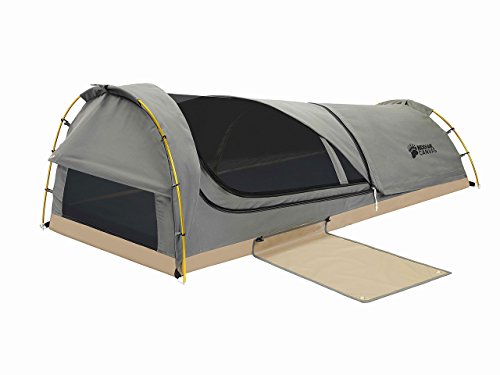
Kodiak Canvas 1-Person Swag Tent

FUNHORUN 360 See-Through Hunting Blind

High Peak South Col 3-Person Tent

Gazelle T4 Pop-Up Camping Tent

Dragoon Ridgeback One-Person Tent

FUNHORUN See-Through Deer Blind
The Picks, Examined More Closely
The Lynx 2 is a backcountry-friendly dome that handles two adults and a dog without the bulk of a family tent. Aluminum poles, pole clips, and a rectangular floor keep pitch time short after a long stalk.
Half-mesh walls trade storm protection for airflow, which works in shoulder season but asks for careful site selection in the alpine. The honest read is that this is the pick most hunters will be happy with for three seasons.
Notable Gains
- Aluminum poles weigh less than fiberglass and shrug off rough handling on the trail.
- Mesh-heavy walls cut condensation during humid early-season hunts.
- Pole-clip system shortens setup to roughly five minutes for most users.
- Two-person floor fits a couple plus a mid-size dog without feeling cramped.
Worth Noting
- Half-mesh walls let wind-driven rain sneak in on exposed ridges.
- Stakes and guy lines feel light, so upgrading them is common practice.
Key Specs
Who It Suits Best
Backpack hunters moving camp every two or three days in mild to cool weather who want simple, proven shelter.
Skip It When
Snow loads and sustained freezing temps push the High Peak South Col 3-Person Tent into a stronger place for late-season work.
The solo Lynx keeps the same clipped-pole layout as its bigger sibling but trims the floor and vestibule down to a single hunter’s kit. For solo archery elk or spot-and-stalk deer, it leaves room for a pack and a few extra miles.
Where the two-person model gives couples breathing space, this one cuts weight first. In most still-hunting situations where you only need shelter for one, the smaller footprint is the smarter move.
Real-World Strengths
- Compact packed size slips into a 50L-plus day pack without eating all the space.
- Mesh walls vent body heat on warm September afternoons.
- Large #8 zippers on the door and vestibule resist snagging in the dark.
- Freestanding frame lets you reposition the tent at camp without restaking.
Trade Offs
- Shoulder room is tight; gear storage lands mostly in the vestibule.
- Same light-duty stakes as the 2P, so plan to upgrade if you camp on loose soil.
Made For
Solo hunters covering serious distance on public land who want a no-fuss shelter that disappears in a pack.
Where Another Pick Suits Better
The Dragoon Ridgeback One-Person Tent offers a more bugout-bivy feel and a lighter carry when every ounce matters.
This is the camp you set up once and leave standing for a week. Hydra-Shield cotton duck canvas breathes quietly through cold nights, and a 6’6″ ceiling lets you stand, dress, and sort gear without ducking.
Two D-shaped doors, four mesh windows, and a flex-bow frame that takes one person about ten minutes to pitch. The trade-off is weight: this is not a tent you hump into a basin.
Strong Points
- 100% cotton duck canvas stays quiet in wind, no flapping nylon at 3 a.m.
- Walk-around ceiling height feels almost like a wall tent without the hassle.
- Front and rear doors give cross-ventilation on hot afternoons.
- YKK #10 zippers on the doors handle years of hard use.
Things To Consider
- Packed weight rules out any backpack or horse-less hunt.
- Canvas needs full drying before storage or it picks up mildew.
- One-person setup is doable but easier with a partner at the bow.
Quick Facts
Right Fit For
Truck, ATV, or horseback hunters who want a real basecamp with a woodstove option down the road.
Look Elsewhere When
You need to cover miles on foot, where the Lynx 2-Person Tent earns its place instead.
A swag is part tent, part bed, and the Kodiak version leans into that blend. A 2-inch foam pad with a flannel cover ships in the bag, so you roll out of the truck and into bed in roughly the same motion.
The Hydra-Shield canvas and zip-open head and foot windows handle everything from desert mornings to cool late-season nights. Top it off and it becomes a screen shelter for glassing through midday heat.
Real Benefits
- Built-in pad removes one piece of gear from your packing list.
- 6’8″ length fits taller hunters who normally feel cramped in solo shelters.
- Canvas top rolls back fully, turning the swag into a covered lounger.
- Head and foot windows give you real airflow control without unzipping the body.
Less Ideal Details
- Near 3-foot width is generous for a swag but narrow for restless sleepers.
- Canvas plus foam means longer drying time after a wet night.
Who Should Grab It
Truck or ATV hunters pulling long sits who want a single-package sleep system with no extra moving parts.
Reach For A Different Pick When
Backcountry travel matters most, since the Dragoon Ridgeback One-Person Tent weighs less and packs smaller.
Pop-up ground blinds turn a thirty-minute setup into a sixty-second one, and the FUNHORUN leans into the format with four one-way mesh panels on every side. You see out, the deer see nothing.
The trade-off shows up when you want to spend a week in camp. This is a still-hunting tool, not a sleep system, so it pairs well with a real tent for hunters who glass and wait in the same spot for hours.
The Upside
- 360-degree view from any seat inside the blind.
- Full-width door lays open flat for cart, chair, or pack access.
- Pop-up design makes mid-hunt relocation realistic.
- Carrying bag keeps the blind folded between sits.
Honest Caveats
- One-way mesh loses its advantage in low light when silhouettes show up against the sky.
- Interior space is built for sitting, not sleeping through the night.
Perfect Match For
Whitetail hunters who run morning and evening sits from the same location and need to stay hidden from sharp eyes.
Not Your Match When
You camp overnight and need real sleeping room, which is the job the Lynx 1 or the Kodiak Swag does better.
Marketed as a four-season shelter and listed at 9.7 pounds, the South Col handles late-season hunts where the temperature drops and the wind stays honest. The nylon build is waterproof and packs into a manageable stuff sack for the backcountry.
Three-person capacity is a real-world match for two hunters and gear, which is where this tent earns its keep on a November sheep or elk hunt.
Noteworthy Benefits
- Water-resistant build shrugs off wet snow that would soak a mesh-dome tent.
- Under 10 pounds keeps it usable for backcountry approach hunts.
- Included stakes and poles cut down on loose parts at camp.
- Three-person floor fits a partner and a full kit of late-season layers.
Points To Note
- Single-wall nylon can fog up during heavy breathing in deep cold.
- Pitch is faster with two people in real weather.
Spec Overview
Who Will Love This
Hunters chasing late-season elk, sheep, or deer where snow, cold, and wind all show up in the same forecast.
Swap It Out When
Summer scouting trips where weight dominates and the ALPS Lynx 1 covers the job with less pack space.
The T4 runs on a pre-assembled hub that pops open in around ninety seconds, which is the entire reason to consider it. For truck-camp hunters, family bowhunts, and kid-included trips, the time savings matter more than the packed size.
Removable floor, mesh windows, and a rain fly cover the everyday needs. Worth noting though that this is a car-camp tent, not a backcountry pack.
Reasons It Performs
- Setup runs about ninety seconds from bag to standing.
- Four-person footprint fits a couple plus gear or a parent and two kids.
- Mesh windows and rain fly handle both heat and storms in one package.
- Removable floor makes cleanup after a gutted elk far less painful.
Soft Spots
- Bulk and weight rule out any hike-in or horse-limited hunt.
- Hub design takes practice to fold back into the bag.
Built With In Mind
Family hunters running a basecamp from the truck who want fast shelter without a tent-pitching lesson.
A Better Fit Elsewhere
Backcountry hunters should look at the Lynx 2-Person Tent, which carries easier and pitches almost as fast with two people.
The Ridgeback plays in the space between a true bivy and a freestanding tent. A 5.5-pound packed weight, 90-inch leg room, and 42 inches of head height make it livable for an extended stay without weighing down a backcountry pack.
Waterproof build and Y-style stakes ship in the bag. For solo bug-out setups, emergency shelter, or a stripped-down backcountry kit, this is the lean option.
The Practical Payoff
- Real leg and head room beats a flat bivy on long sits.
- 5.5 pounds is friendly to ultralight hunters watching every ounce.
- Included Y-style stakes bite well in soft soil.
- Setup is fast enough for a last-minute camp at dark.
Possible Compromises
- Floor is tight if you bring a full-size pack inside.
- Single-wall design can collect condensation in humid coastal zones.
Feature Rundown
Whose Shelf It Belongs On
Solo backcountry hunters and preppers who want one shelter that works for hunting trips and emergency kits.
Where A Sibling Pick Shines
Multi-day family basecamps are better served by the Gazelle T4 Pop-Up Camping Tent, where space and speed beat ultralight weight.
The second FUNHORUN on this list trades some panel coverage for a wider door and easier entry. The 270 to 360-degree see-through windows keep sightlines open while the full-width door rolls aside for carts, chairs, or mobility gear.
For hunters who reload a chair, a pack, or a stand into the blind every morning, the layout is the selling point.
Everyday Advantages
- Wide door design simplifies entry for carts or mobility users.
- See-through mesh windows cover a wide arc without rotating the blind.
- Available with or without floor, depending on how clean you like your boots.
- Pop-up frame stays in the carrying bag between hunts.
Where It Is Less Suited
- See-through panels still silhouette your head against a bright sky.
- Smaller capacity than the four-window FUNHORUN above for groups.
Who Should Grab It
Hunters who carry gear in and out daily, hunt with mobility considerations, or want a wider entry than a standard pop-up allows.
Consider Something Else When
Group hunts fit the four-panel FUNHORUN 360 See-Through Hunting Blind better, where every seat gets its own sightline.
Choosing the Right Lightweight Hunting Tent for Your Hunt
Packed weight is the headline number, but the right answer comes from three other questions. How far do you carry the tent, how long do you stay in camp, and what does the weather do at elevation? The Lynx 1 and Dragoon Ridgeback cover the backcountry answer, the Lynx 2 and High Peak South Col bridge to multi-day hunts, and the Kodiak canvas options cover the truck-camp side of the ledger. Blinds sit in their own lane for still-hunting and pair with a real tent when overnight stays come into play.
Material and Fabric Choices
Nylon tents weigh less, dry faster, and pack smaller, which is why they dominate the backcountry list. Canvas breathes more quietly, handles radiant heat from a stove better, and outlasts nylon when cared for, but the weight penalty is real. For shoulder-season hunts above treeline, a waterproof nylon shell is the safer call. For desert or plains hunts where noise and durability matter, a swag-style canvas covers the bases.
Capacity, Weight, and Packability
A two-person tent sleeps one comfortably, and a three-person sleeps two with gear. Backcountry hunters in our view are best served by sizing up to handle boots, packs, and wet layers without crowding. Packed weight below 6 pounds opens up true ultralight options. Above 10 pounds, plan for a pack animal, ATV, or truck shuttle.
Setup, Ventilation, and Weather Handling
Mesh walls cut condensation in warm weather but invite wind-driven rain. Full-coverage nylon or canvas walls handle storms at the cost of fog and humidity inside. Freestanding designs let you reposition without restaking, a small but meaningful edge on rocky ground. Pop-up hubs save real time, but only matter if you can stand the packed size.
Pitfalls Worth Dodging Before You Commit
Common Shopping Slip Ups
Chasing a low packed weight without checking the stake and pole quality is the most common trap. Lightweight aluminum poles and full-coverage rain flies are the parts that matter in weather, and cutting them to hit a weight number shows up fast on a windy ridge. Match the tent to the season, not the spec sheet.
What The Higher Tier Buys
A premium tent in this category earns its price through better fabrics, larger zippers, and stronger stitching, not magic. The jump from entry-level nylon to a high-denier ripstop or a Hydra-Shield canvas shell means longer service life and quieter nights in wind. For hunters who put forty nights a year on a shelter, that gap pays for itself in three seasons.
Frequently Asked Questions
What weight counts as truly lightweight for a hunting tent?
Anything under 6 pounds packed qualifies as ultralight, and under 10 pounds covers most backcountry hunters. Above 10 pounds, you are usually in car-camp or basecamp territory.
Are hunting blinds a replacement for a tent?
No. Blinds handle still-hunting, not sleep. Pair a pop-up blind with a real shelter when the plan includes overnight stays.
Can a single-wall tent handle cold weather camping?
Yes, but expect more condensation. Vent windows and breathable layers inside the tent help on long cold nights.
How long do canvas tents last in the field?
With drying and storage care, a quality canvas tent can run a decade or more. Skipping the drying step shortens that fast.
Is a swag tent worth it for spot-and-stalk hunting?
A swag is a strong fit for glassers and truck hunters. Spot-and-stalk hunters who move daily usually do better with a smaller backpacking tent.
Closing Remarks
Lightweight hunting tents split into two jobs: carry it far, or sleep in it long. Match the shelter to the hunt, give the stakes and seams an honest look before you trust your season to them, and your back will thank you on the hike out as much as your sleep will thank you at camp.