Fish-based fertilizers have earned a loyal following among organic gardeners and aquascapers for good reason. They feed soil biology, deliver gentle nitrogen, and leave behind the kind of earthy garden that synthetic blends rarely match. The challenge is sorting through dozens of bottles, pails, and tablets, and figuring out which one suits your tomatoes, your lawn, or your planted shrimp tank.
This roundup covers ten options across two worlds: soil-and-garden liquids for outdoor growing, and aquarium-safe nutrients for planted tanks. Each pick below has a specific job, and the notes ahead explain who each one is genuinely built for, where it stumbles, and how it compares to the others on the list.
The Shortlist At A Glance

GS Plant Foods Liquid Fish Fertilizer OMRI Listed 1 Quart

Heirloom Roses Founder’s Fish Fertilizer 32 oz (Pack of 2)

Neptune’s Harvest Fish & Seaweed Liquid Fertilizer 5 Gallon

Neptune’s Harvest Fish Fertilizer 2-4-1 5 Gallon Pail

Alaska Fish Emulsion Liquid Organic Plant Food 1 qt

FZONE Aquatic CO2 Glass Drop Checker PH Monitor
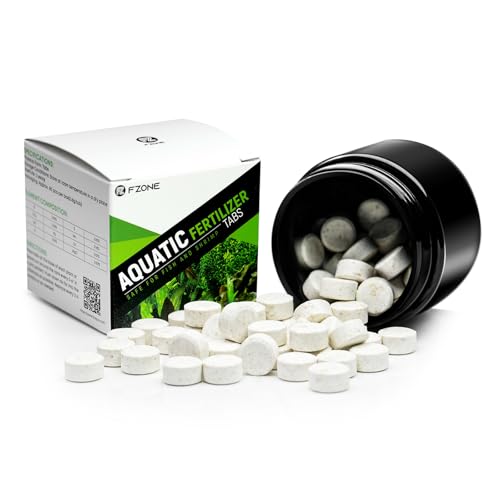
FZONE Root Tabs Aquarium Plant Fertilizer 60g

FZONE Root Tabs Freshwater Aquarium Fertilizer 50-Count

ThriveS Shrimp All-in-One Aquarium Fertilizer 500ml

Thrive Planted Aquarium All-in-One Liquid Fertilizer Pump Bottle
More On The Choices That Made The List
For gardeners who need paperwork to back up their organic claims, this quart bottle from GS Plant Foods carries OMRI listing, which is the Organic Materials Review Institute seal certifying that an input is allowed under USDA organic standards. The NPK ratio sits at 2-3-1, meaning it leans slightly toward phosphorus, which supports root development and early flowering without overloading nitrogen-hungry greens.
You’ll dilute the concentrate with water and apply as a soil drench or foliar spray (a fine mist applied directly to leaves). For most backyards, one quart stretches across a season of regular feeding on a modest vegetable plot or a couple of rose beds. The hydrolyzed (broken-down via water and enzymes into plant-ready form) base means nutrients are immediately available, and the formula tends to be gentle enough that you can apply it more often than harsher synthetics.
Points In Its Favor
- OMRI-listed for certified organic production, helpful if you sell at farmers markets or follow NOP (National Organic Program) rules
- Balanced 2-3-1 ratio suits both leafy growth and early bloom stages
- Works across gardens, lawns, and container plantings, so you don’t need a second bottle
- Liquid concentrate mixes quickly with no brewing or steeping required
Points To Keep In Mind
- Like most fish-based liquids, the scent during application is noticeable, and you may find it lingers for a few hours outdoors
- Quart size is efficient for small to mid-size plots, but large properties may need multiple bottles per season
Right Fit For
Garden growers following organic protocols, especially those tending mixed vegetable beds, herb containers, or small flower borders.
Where Another Pick Suits Better
For larger properties where one quart won’t cut it, the Neptune’s Harvest Fish & Seaweed 5-Gallon Pail (pick 3) delivers the same organic philosophy in a bulk format.
This is a two-bottle pack of liquid emulsion (a thick, fish-based suspension that holds nutrients in a pourable concentrate) made from acidulated fish solubles (fish proteins broken down with phosphoric acid to keep them stable in liquid form) and stabilized with phosphoric acid. The “founder’s” branding nods to the original Heirloom Roses recipe, and the formula is aimed squarely at heavy feeders, which are plants that pull large amounts of nutrients from the soil during the growing season.
Roses and tomatoes are the headline use cases. Both are hungry crops that deplete soil quickly during bloom and fruit set, and both respond well to the steady organic nutrition a fish emulsion delivers. For most home gardeners, a 32-fluid-ounce bottle treats a small rose bed for an entire season, so two bottles cover a typical backyard’s worth of ornamentals and a modest tomato patch.
Real Benefits
- Acidulated base keeps nutrients in a stable, plant-available form over time
- Specifically positioned for roses and tomatoes, the two ornamentals that benefit most from steady feeding
- Liquid form dilutes easily for watering-cans or hose-end sprayers
- Supports the soil microbiome (the community of bacteria and fungi that help roots absorb nutrients) rather than just the plant directly
Trade-Offs To Consider
- Phosphoric-acid stabilization means it’s not a fit for organic certification in all programs, so check your local rules if that matters
- The application scent is strong, and owners commonly recommend watering in well to limit how long it hangs around the garden
Best Suited To
Rose enthusiasts and tomato growers who want a dedicated feed for the hungriest plants in their landscape, not a general-purpose lawn tonic.
Skip It When
For lawns or general garden coverage where balanced NPK matters more than bloom-targeted feeding, the Alaska Fish Emulsion 1 qt (pick 5) is a more flexible pick.
Neptune’s Harvest combines 75 percent fish and 25 percent seaweed in a 2-3-1 ratio, and the seaweed component adds trace minerals (micronutrients like iron and manganese that plants need in small amounts) plus natural growth hormones that synthetic blends skip. The 5-gallon pail format exists for serious property owners: market gardeners, small-acreage homesteaders, and anyone feeding more than a few raised beds.
Dilution rates are low, so a single pail typically covers an entire growing season for a half-acre vegetable plot or a couple of dozen ornamentals. The fish-and-seaweed combination tends to outperform fish-only formulas on stress recovery, which matters after a heat wave or transplant shock. The trade-off is storage: this is a heavy pail that needs a cool, dry spot, and once opened, you should plan to use it across one season.
The Case For It
- Bulk pail brings per-application cost down significantly for big gardens
- Seaweed component adds trace minerals and natural cytokinins (plant hormones that promote cell division and growth)
- Works on vegetables, flowers, fruit trees, and lawns without needing separate products
- Cold-processed manufacturing preserves amino acids and enzymes
Honest Caveats
- 5-gallon pail weighs roughly 45 pounds full, so storage and pouring require planning
- Strong fish odor during application; outdoor use only is practical
The Right Fit
Property owners with vegetable plots, orchards, or substantial lawn areas who burn through smaller bottles mid-season.
Consider Something Else When
For balcony or patio gardeners, the GS Plant Foods quart (pick 1) keeps the same organic philosophy in a manageable size.
Where the previous Neptune’s Harvest option splits its identity between fish and seaweed, this sibling product goes all-in on fish hydrolysate (a liquid made by breaking down whole fish with enzymes, preserving more nutrients than heat-based methods) in a 2-4-1 ratio. The extra phosphorus, the middle number, targets flowering and fruiting stages, so this pail earns its keep on tomatoes, peppers, melons, and bloom-heavy annuals.
The source fish comes from the North Atlantic and goes through a cold-process manufacturing step that preserves amino acids, enzymes, and natural growth hormones, all of which synthetic fertilizers strip out. Application is straightforward: roughly one ounce per gallon of water as a soil drench or foliar feed, which is the same loose ratio most fish fertilizers follow. For most home orchards or flower farms, depending on scale, this pail is enough for an entire growing season.
What Makes Sense
- Higher phosphorus ratio supports fruit set and bloom development
- Cold-process method retains heat-sensitive nutrients that cheaper processing loses
- Bulk format suits market gardens, small farms, and serious flower growers
- Versatile across vegetables, fruit trees, grass, and ornamentals
Possible Compromises
- Phosphorus-forward ratios can lock out other nutrients in already-rich soils, so a soil test is worth running first
- 5-gallon format demands storage space and stays heavy even when half-empty
Made For
Vegetable gardeners and flower farmers who specifically want to push fruit and bloom production rather than general growth.
Look Elsewhere When
For general-purpose feeding where a balanced ratio matters more, the Neptune’s Harvest Fish & Seaweed pail (pick 3) is the better all-rounder.
Alaska’s fish emulsion is a deodorized (the strong rotting-fish smell has been removed through processing) take on the category, and that’s the selling point for indoor use and first-time gardeners. The formula is mild, designed not to burn plant tissue even when applied at slightly heavier rates, which gives beginners a margin for error that stronger concentrates don’t.
You can use it on houseplants, container vegetables, and outdoor beds without worrying about over-application damage. The 1-quart size is approachable: enough for several months of regular feeding on a small collection of indoor plants or a modest outdoor plot. It also stimulates soil microorganisms, which is a quiet benefit for anyone building long-term soil health rather than chasing quick green-up.
The Value In It
- Deodorized formula keeps indoor use realistic, a key edge over pungent competitors
- Mild enough that accidental over-application won’t scorch foliage
- Works on both indoor houseplants and outdoor garden beds
- Supports beneficial soil biology, not just the plant directly
Where It Is Less Suited
- Nutrient concentration is lower than dedicated fish hydrolysates, so heavy-feeding crops may need supplementation
- Quart size is efficient for small collections, but large gardens will run out fast
Perfect Match For
New gardeners, apartment growers, and anyone with a houseplant collection who wants fish nutrition without the smell.
Another Choice May Suit
For larger outdoor gardens that need more nutrient density per ounce, the GS Plant Foods quart (pick 1) is a stronger organic option.
Stepping from soil to water, the FZONE drop checker is a glass chamber that holds a 4 dKH (degrees of carbonate hardness, a measure of the water’s buffering capacity) solution that shifts color based on the CO2 level in a planted aquarium. Blue means more CO2 needed, green means levels are in the healthy zone, and yellow means the tank is over-gassed and fish are at risk.
Setup takes a couple of minutes: fill the chamber halfway with the included indicator solution, suction-cup it inside the tank at a visible spot, and check back in about an hour. The reading gives planted-tank hobbyists a simple visual check without needing test strips or digital probes. It’s the kind of tool that pays for itself by catching over-CO2 issues before livestock suffers.
What Helps Most
- Clear color-coded reading removes guesswork from CO2 dosing
- Glass construction holds up better than plastic alternatives under constant submersion
- Includes indicator solution, so the first reading needs no extra purchases
- Suction cup mounting keeps the device visible without taking up tank floor space
Details To Watch
- Indicator solution eventually depletes and needs refilling, a small recurring cost
- Drop checkers reflect a moment in time, so they work best as part of a larger monitoring routine, not a standalone system
Who Will Love This
Planted-tank hobbyists running pressurized CO2 systems who need a quick visual on whether their injection rate is dialed in.
Swap It Out When
For low-tech or shrimp-focused tanks without CO2 injection, the FZONE Root Tabs (pick 7) handle plant nutrition without the monitoring gear.
Root tabs are solid tablets you press into substrate (the gravel or sand layer at the bottom of an aquarium) near plant roots, where they release nutrients slowly. FZONE’s formula uses a 1-0.3-2.6 NPK, meaning low nitrogen, low phosphorus, and high potassium, which is the ratio that root-feeding plants like crypts, swords, and carpeting varieties actually need.
The key callout here is invertebrate safety. Many fertilizers contain copper at levels harmful to shrimp, but this one is formulated to stay safe for shrimp and snails. For most community tanks, you place a tab every few inches near heavy rooters and replace them on a monthly cycle. The 60-gram box is enough for several months of routine dosing on a standard 20-gallon setup.
Strong Points
- Shrimp and snail-safe formula avoids the copper issues common in aquarium fertilizers
- Low-nitrogen, high-potassium ratio matches what root-feeders actually absorb
- Targets the substrate where roots live, rather than dispersing through the water column
- Slow-release format means less frequent re-dosing than liquid alternatives
Small Limitations
- Won’t help stem plants or floating species that feed primarily from the water column
- Sediment gets disturbed when you push tabs in, so plan placement around established roots
Who Should Grab It
Shrimp keepers and community-tank owners who grow heavy root-feeders like Amazon swords and want fertilizer that won’t harm sensitive invertebrates.
Reach For A Different Pick When
For tanks dominated by stem plants or floating species, the ThriveS Shrimp All-in-One (pick 9) delivers water-column nutrition in liquid form.
Smaller and easier to handle than many competing root tabs, this 50-count box from FZONE carries the same general purpose: nitrogen, phosphorus, and potassium delivered directly to substrate-rooted plants. The compact tablet size matters in practice. Big chunks of fertilizer are awkward to position in nano tanks (small aquariums under 10 gallons) or dense carpeting-plant layouts where you need precision placement.
For most nano and mid-size freshwater tanks, you tuck a tab near each root mass and replace monthly. The formulation supports the same target plants, including crypts, swords, and carpeting varieties, so the choice between this and the previous FZONE pick comes down to tank size and how many tabs you want to handle at once.
Advantages To Know
- Smaller tablet size makes placement easier in tight or carpeted aquascapes
- 50-count box covers a longer dosing cycle than smaller packs
- Targets root-feeding plants directly, which is the most efficient delivery for these species
Less Ideal Details
- Smaller tabs may dissolve faster in active substrate, requiring more frequent replacement
- Like other root-tab options, the formula won’t reach water-column feeders
The Right Fit
Nano-tank owners and aquascapers with dense carpeting plants who need precise, low-profile fertilizer placement.
Where A Sibling Pick Shines
For shrimp-heavy community tanks where invertebrate safety is the priority, the larger FZONE Root Tabs 60g box (pick 7) is the better-documented choice.
NilocG’s ThriveS is the shrimp-tank counterpart to their standard Thrive formula, with the nutrient mix dialed in for tanks that house sensitive invertebrates. The 500-milliliter bottle is concentrated, so a small dose treats a standard tank, and the formula is designed not to spike ammonia or other parameters that stress shrimp.
The all-in-one approach means you dose once or twice a week without juggling separate macro (nitrogen, phosphorus, potassium) and micro (iron, trace minerals) bottles. For most shrimp-focused tanks with moderate plant loads, depending on your dosing schedule, one bottle lasts several months. It pairs naturally with root tabs if you also grow heavy root-feeders, though many shrimp keepers run it solo.
Real-World Strengths
- Formulated specifically for shrimp tolerances, including the lower copper thresholds that affect them
- All-in-one blend removes the need for separate macro and micro dosing routines
- 500ml bottle lasts months under typical hobbyist use
- Doesn’t trigger extra water changes when dosed as directed
What To Weigh
- Designed for shrimp tanks specifically, so it may underperform in high-tech (high-light, CO2-injected, heavily planted) display aquascapes that demand more aggressive feeding
Whose Shelf It Belongs On
Shrimp-focused hobbyists running low-to-mid-light planted tanks who want a single, easy-to-dose fertilizer.
Not Your Match When
For high-tech display tanks with intense lighting and CO2 injection, the standard Thrive All-in-One (pick 10) is built for heavier nutrient demand.
Thrive is the higher-volume sibling of the ThriveS formula, designed for freshwater planted tanks where consistent, aggressive plant growth is the goal. The bottle ships with a pump head that meters the dose, which removes the measuring-cup routine and keeps dosing consistent week to week. According to the manufacturer, one bottle treats up to 2,500 gallons of water at standard rates.
The all-in-one blend covers macronutrients and micronutrients, so there’s no need to alternate between separate bottles. For most display aquascapes, depending on plant density and lighting, you dose one to three pumps weekly. It’s a working formula rather than a specialty one, and the heavy-use hobbyist is the target buyer.
Positive Points
- Pump head delivers consistent dosing without measuring cups
- Single bottle covers both macro and micro nutrients
- Large volume supports demanding display tanks for months between refills
- Built specifically for freshwater planted tanks, not retrofitted from a general-purpose formula
Points To Note
- Not labeled for invertebrate-heavy tanks, so shrimp keepers should default to ThriveS (pick 9) instead
- Pump bottles are harder to decant into smaller containers for travel or smaller tanks
Built With In Mind
Display-tank hobbyists running high-light, planted aquascapes who want one fertilizer to handle the full nutrient profile.
A Better Fit Elsewhere
For shrimp-focused setups where invertebrate safety comes first, the ThriveS Shrimp All-in-One (pick 9) is the family-matched alternative.
What Matters Most Before Choosing Fish-Based Fertilizers
The first decision is whether you’re feeding soil or water. Garden fertilizers are far more concentrated, and their smell is part of the deal. Aquarium fertilizers are formulated to be safe for livestock and balanced against the closed water system they live in. Mixing the two categories almost always backfires, so the picks above are split accordingly.
For soil use, the NPK ratio tells you what the fertilizer emphasizes. Balanced ratios like 2-3-1 or 5-1-1 work for general garden health, while higher phosphorus numbers target flowering and fruiting stages. The processing method matters too: cold-processed hydrolysates retain more amino acids and enzymes than heat-treated emulsions, which is why pricier options justify their cost for serious growers.
For aquarium use, the first question is whether your tank has shrimp or other sensitive invertebrates. Standard formulas often contain copper at levels that harm shrimp, so look for invertebrate-safe labeling. The second question is whether you need root fertilization (tabs) or water-column feeding (liquids). Tanks with heavy rooters like swords and crypts benefit from tabs, while stem plants and floaters need liquid dosing. A combined approach is common in mature aquascapes.
Practical ownership touches matter across both worlds. Liquid fish fertilizers need a cool, dark storage spot and should be used within one season after opening. Root tabs benefit from monthly replacement in active substrates. CO2 monitoring tools like the drop checker need their indicator solution refilled periodically. None of these are dealbreakers, but they’re the kind of maintenance that separates a thriving setup from a frustrating one.
Picking The Right Match For Your Setup
Common Shopping Slip Ups
Choosing the cheapest bottle on the shelf and expecting bloom-shower results is the most common mistake. Fish fertilizers vary widely in nutrient density, processing quality, and concentration, so the lowest-cost option often means more applications and weaker results. The other trap is grabbing a garden fertilizer for aquarium use, which can spike ammonia and harm livestock. Match the product to the environment, not the brand recognition.
Skipping the soil test is a quieter error. Phosphorus-forward fertilizers can lock out other nutrients in already-rich soils, leading to deficiencies that look like under-fertilizing. A basic home test kit costs little and tells you whether your soil actually needs the boost you think it does.
Where The Extra Money Goes
Premium fish fertilizers justify their cost through cold-processing, which preserves amino acids, enzymes, and growth hormones that heat-treated versions lose. They also tend to use whole-fish sourcing rather than fish scraps, and they include stabilizing acids that keep nutrients plant-available longer in the bottle. The result is a concentrate that goes further per application, which often closes the price gap with cheaper options over a season.
Higher-tier aquarium fertilizers typically include both macro and micronutrients in one bottle, removing the need to buy and dose separate products. The pump-bottle format and shrimp-safe certifications also add real convenience and safety for sensitive setups. The upgrade makes sense for serious hobbyists and large gardens, while casual users get plenty from entry-level picks.
Frequently Asked Questions
Are fish fertilizers safe for pets and children? Most liquid fish fertilizers are safe once dry or watered in, though the smell can attract curious animals during application. Keep bottles sealed and stored out of reach, and avoid applying where pets graze until the product has soaked into the soil.
How often should I apply fish emulsion to my garden? Every two to four weeks during the growing season is typical for most vegetables and flowers. Heavy feeders like tomatoes and roses may want weekly feeding during peak growth, while lawns usually do well with monthly applications.
Can I use fish fertilizer on indoor houseplants? Yes, especially deodorized options like the Alaska emulsion. Dilute according to label rates and apply during regular watering to avoid salt buildup in the potting mix.
Do root tabs expire if I don’t use them all? Dry root tabs in sealed packaging last for years. Once exposed to moisture, however, they begin releasing nutrients, so store the box in a dry location and reseal it between uses.
Is fish fertilizer better than synthetic for organic gardening? Fish-based fertilizers feed soil biology as well as the plant, which builds long-term soil health rather than just delivering a quick nutrient hit. For certified organic production, look for OMRI-listed products that meet the relevant organic standards.
Bottom Line
The right pick depends entirely on what you’re growing. Soil gardeners with small to mid-size plots get reliable organic nutrition from the GS Plant Foods quart or the Alaska emulsion, while larger properties benefit from the Neptune’s Harvest bulk pails. Aquarium keepers running shrimp tanks should default to invertebrate-safe options like FZONE Root Tabs and ThriveS, and high-tech display tanks get the heaviest feeding from Thrive All-in-One. Match the product to your scale, your livestock, and your goals, and the rest tends to work itself out.