Raised beds give you control over soil quality, drainage, and pest pressure, but the right liner keeps those gains intact. Without a barrier between wood and soil, your frame weathers faster, moisture escapes unevenly, and weeds creep up from below. A good liner holds soil in place while letting excess water drain, so roots stay oxygenated rather than waterlogged. This roundup pulls together ten solid options, from pre-lined planters you can set up in minutes to cut-to-fit fabric sheets for DIY builds and even a couple of compost bins that work alongside your bed to feed it. Whether you’re growing herbs on a balcony or running a full backyard vegetable patch, there’s a match here for your setup.
The Leading Options At A Glance
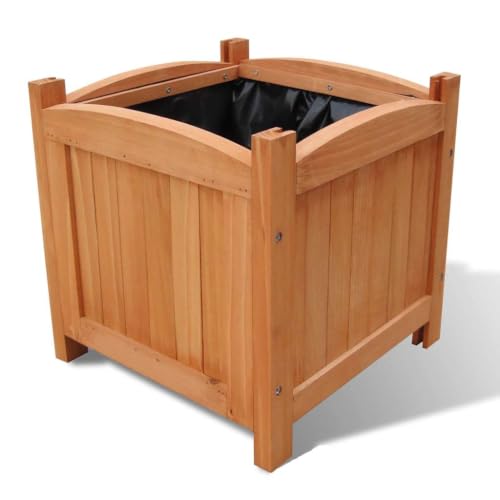
Raised Bed Set of 2, 11.8×11.8×11.8 Inch Planters with PE Lining

Acacia Wood Garden Raised Bed Planter Box 59×11.8×9.8 Inch

Yarrdfir Coconut Fiber Mat 24 x 160 inch

Yarrdfir Coco Coir Liner 24×120 inch
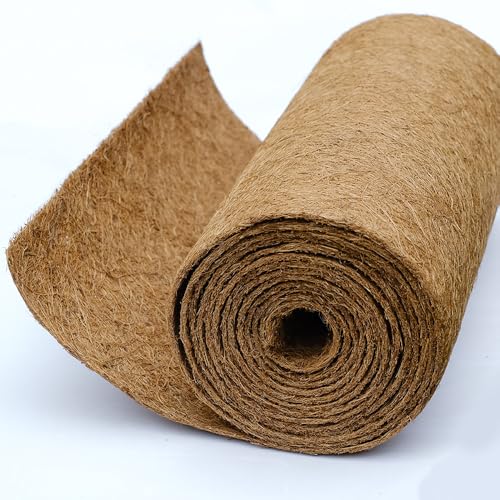
Yarrdfir Coco Coir Liner 24×80 inch

EcoBrisa 2-Pack Underground Worm Composting Bin

EcoBrisa 2-Pack Raised Garden Bed Liner 63×83 inch

EcoBrisa 2-Pack Raised Garden Bed Liner 63×114 inch

EcoBrisa 4-Pack Underground Worm Composting Bin (Silvery)

IDZO Raised Garden Bed with Trellis, 71-Inch
The Picks, Examined More Closely
Compact raised beds solve a specific problem: not every gardener has yard space, and most pre-lined planters on the market still demand some assembly. This two-pack skips that step entirely. The solid wood frame arrives ready to plant, with a PE (polyethylene) lining already fitted to hold soil and trap moisture against the boards.
For balconies, small patios, or a tidy pair of herbs flanking a doorway, the 11.8-inch cube footprint fits almost anywhere. Compared to the larger options further down this list, this set trades volume for convenience, so it suits growers who want quick results over deep root systems.
Positive Takeaways
- Pre-installed PE liner saves setup time for first-time gardeners
- Matching twin design creates a clean, uniform look on patios and entryways
- Solid wood frame handles outdoor conditions across multiple seasons
- Compact cube shape suits tight spaces where longer beds won’t fit
Things To Consider
- 11.8-inch depth restricts root crops like carrots and full-sized tomatoes
- Wood will benefit from occasional sealing to slow weathering in wet climates
Right Fit For
Apartment and condo growers who want a no-fuss herb or flower planter set that fits on a balcony rail-side table or entry stoop.
Skip It When
You need serious soil volume for vegetables, in which case the Acacia Wood Garden Raised Bed Planter Box further down gives you five times the linear space.
Long raised beds reward gardeners who plan in rows, and acacia wood handles outdoor punishment better than most softwoods. The frame ships in multiple size options (50, 76, 100, and 150 centimeter lengths), all sharing a 25-centimeter width and depth that keeps the profile slim against a fence or wall.
The included fabric liner sits over a slatted bottom, so drainage happens freely while soil stays where you put it. Versus the pre-lined cubes in the first pick, this frame gives you a true vegetable bed with enough length for a meaningful salad garden or herb strip.
The Practical Payoff
- Acacia resists rot and insect damage better than pine or fir
- Slatted bottom plus fabric liner drains freely to keep roots oxygenated
- Four size tiers let you match the bed to your available footprint
- 59-inch default length suits single-row planting along a fence line
Honest Caveats
- 9.8-inch depth limits deep-rooted crops like full-size carrots or potatoes
- Some assembly required; liners occasionally shift during fill and may need readjustment
- Larger sizes need two people to position once filled with soil
Feature Snapshot
Who Should Grab It
Backyard growers running a single-row herb strip, leaf lettuce line, or shallow-rooted vegetable garden against a sunny fence.
Look Elsewhere When
You need a vertical growing element, in which case the IDZO Raised Garden Bed with Trellis offers climbing support built in.
Natural coconut fiber has become a quiet favorite among organic-leaning gardeners because it breaks down slowly, breathes well, and holds moisture without smothering roots. This Yarrdfir roll stretches 24 by 160 inches, giving you enough material to line a large custom bed or several smaller planters from a single sheet.
The mat cuts easily with standard scissors, which matters when you have odd-sized frames. It also doubles as a reptile carpet or pet pad according to the manufacturer, so leftovers don’t go to waste if you have other uses around the house.
Notable Upsides
- Natural coconut fiber is biodegradable and renewable
- 160-inch length covers oversized beds in one continuous piece
- Breathable weave promotes airflow to plant roots
- Lightweight construction simplifies transport and positioning
Points To Note
- Natural fibers may shed small particles during the first few waterings
- Not as long-lasting as synthetic non-woven options in permanent installations
Best Suited To
Growers building a custom-shaped raised bed who want a fully natural liner that composts down at the end of its lifespan.
Reach For A Different Pick When
You want a longer-lasting synthetic option, in which case the EcoBrisa 2-Pack Raised Garden Bed Liner 63×114 inch offers cuttable non-woven fabric instead.
The 120-inch version of Yarrdfir’s coconut liner lands in a middle zone that handles most standard hanging baskets and planter boxes without wasted material. Coir (the processed fiber from coconut husks) holds a reputation for draining well while still retaining enough moisture to keep roots hydrated during dry spells.
Compared to the larger 160-inch roll, this size suits gardeners with medium beds or multiple smaller containers who don’t want to wrestle an oversized sheet. It’s also the same material the manufacturer markets for reptile carpet and pet pads, which speaks to its durability under repeated use.
Strong Points
- Mid-size sheet fits standard raised beds without excess trimming
- Natural coir resists mold and holds structure when wet
- Breathable weave balances drainage and moisture retention
- Cuts cleanly for custom shapes around posts or corners
Trade-Offs
- Initial setup may require rinsing to remove loose coir dust
- Less coverage than the 160-inch sibling for oversized builds
Made For
Gardeners running a few medium raised beds or hanging baskets who want a consistent natural liner across the whole setup.
A Better Fit Elsewhere
You only have one tiny planter to refresh, in which case the Yarrdfir Coco Coir Liner 24×80 inch wastes less material.
The shortest sheet in the Yarrdfir coir trio handles small jobs without forcing you to fold and cut a giant roll. For a single small planter or a refresh of a worn basket liner, 24 by 80 inches covers the work without leftovers stacking up in the garden shed.
First-time gardeners often prefer buying only what they need rather than wrestling extra material. This roll matches that approach. It’s the same breathable coconut fiber as the larger siblings, so quality stays consistent across the line.
A Few Strong Suits
- Compact size simplifies storage and handling for occasional gardeners
- Natural coir breaks down at end of life without environmental burden
- Easy to trim for round or irregular planter shapes
Worth Bearing In Mind
- Not enough material for larger beds without buying multiple rolls
- Coir fibers can stain light-colored surfaces when freshly wet
Quick Facts
Perfect Match For
New gardeners refreshing one or two hanging baskets or small planters with a natural liner they can trim to fit.
Consider Something Else When
You’re lining a full raised bed frame, in which case the Yarrdfir Coconut Fiber Mat 24 x 160 inch provides four times the coverage in one sheet.
Lining your raised bed keeps soil in and weeds out, but feeding that soil matters just as much. The EcoBrisa underground worm bin pair works alongside your bed rather than inside it. You bury them at the edge of the bed, drop kitchen scraps through the lid, and worms migrate between the bin and surrounding soil to aerate and fertilize from below.
Metal construction handles being buried without collapsing, and the perforations let worms come and go freely. This isn’t a liner in the traditional sense, but it’s a smart addition to any raised bed system if you’re serious about long-term soil health.
The Helpful Details
- Buried design feeds plant roots directly in their active zone
- Two-bin pack lets you alternate fills for continuous composting
- Metal build holds shape under soil pressure
- Reduces kitchen waste going to landfill while improving bed fertility
Some Limits To Know
- Requires digging and installation effort before planting season
- Effectiveness depends on local worm population establishing itself
- Not a substitute for a traditional bed liner, but a supplement
The Right Fit
Gardeners who already have a lined bed and want to push soil quality further with passive underground composting.
Where A Sibling Pick Shines
You need actual bed lining material right now, in which case the EcoBrisa 2-Pack Raised Garden Bed Liner 63×83 inch handles that job directly.
Most off-the-shelf raised bed liners either ship pre-fitted to a specific frame or arrive as bulk rolls you cut yourself. These EcoBrisa sheets split the difference: two pre-cut 63 by 83 inch pieces ready to drop into a standard wood-frame bed. Non-woven fabric strikes a balance between drainage and soil retention, so excess water escapes without losing your mix to the ground beneath.
DIY builders assembling a custom frame from lumber appreciate not having to measure, mark, and cut from a giant roll. The fabric cuts easily with scissors or a utility knife if you need to trim corners or fit around posts.
Where It Excels
- Two-pack design covers most standard raised bed builds in one purchase
- Non-woven fabric drains well while blocking weeds from below
- Cuttable material adapts to custom frame dimensions
- Lightweight sheets lay flat without creasing during installation
Small Caveats
- Not as durable as coir or heavy-duty landscape cloth under sharp root systems
- Fabric edges may fray over multiple growing seasons
Built With In Mind
DIY gardeners building a wood-frame raised bed who want a ready-to-fit liner without cutting from a bulk roll.
Swap It Out When
Your bed is wider or longer than 63 by 83 inches, in which case the EcoBrisa 2-Pack Raised Garden Bed Liner 63×114 inch gives you extra length.
Oversized raised beds demand oversized liners, and a 63 by 114 inch sheet covers most custom builds without forcing you to seam two pieces together. Seams leak fine soil over time, so a single continuous liner lasts longer and looks cleaner inside the frame.
Non-woven fabric construction stays porous enough for drainage but dense enough to block weeds creeping up from the ground beneath. For gardeners with a 4×8 or larger footprint, this is the sheet that fits without compromise.
Noteworthy Benefits
- Single-sheet coverage avoids weak seams in long beds
- Non-woven fabric resists tearing during soil fill and root growth
- Cuts cleanly for custom lengths if your frame runs shorter
- Breathable weave prevents waterlogging in heavy rain
Practical Considerations
- Oversized sheet requires two people to position during install
- More material than needed for small or standard bed sizes
Feature Rundown
Whose Shelf It Belongs On
Gardeners running a 4×8 or larger raised bed who want a single seamless liner that won’t leak at joints.
Not Your Match When
Your bed sits in the standard size range, where the EcoBrisa 2-Pack Raised Garden Bed Liner 63×83 inch wastes less material.
The four-pack version of EcoBrisa’s worm bin scales up the same buried composting concept for gardeners running multiple raised beds. Position one at each corner or distribute them along a long bed, and you create a network of feeding stations that keep soil fertility active across the whole growing area.
The metal wire construction handles being buried under soil without rusting through quickly, and the included lids keep pests and odors contained at the surface. Households that generate a lot of food scraps appreciate having multiple bins to rotate.
Positive Points
- Four bins allow strategic placement around multiple beds or large beds
- Rotating fill system supports continuous composting year-round
- Metal construction stands up to underground moisture
- Lid covers reduce surface odors and pest access
Areas To Watch
- Four-bin setup demands more digging and planning than the two-pack
- Performance varies with local worm populations and soil temperature
Who Will Love This
Active gardening households with multiple beds and enough kitchen scraps to keep four bins fed through the seasons.
Swap It Out When
You only run a single bed or want a simpler two-bin setup, in which case the EcoBrisa 2-Pack Underground Worm Composting Bin covers the basics.
Vertical gardening unlocks small yards and tight corners, and this IDZO bed combines a raised planter with a built-in trellis in a single 71-inch-tall structure. Climbing crops like peas, pole beans, and cucumbers get the support they need without you adding stakes or netting separately.
The included non-woven lining saves the liner-buying step entirely, and the oil-coated fir wood frame helps the bed weather outdoor conditions across seasons. Two drainage holes at the base keep water from pooling at the roots after heavy rain.
Good Reasons To Consider
- Built-in trellis supports climbing vegetables without extra hardware
- Pre-fitted non-woven lining saves an installation step
- Oil-coated fir wood resists moisture and UV exposure
- Two drainage holes prevent waterlogging at the base
Less Ideal Details
- Tall profile may catch strong winds in exposed locations
- Fir is softer than acacia and may show wear faster over multiple seasons
Who It Suits Best
Gardeners wanting vertical growing space for climbing crops in a compact footprint, especially in narrow side yards or against sunny walls.
Consider Something Else When
You want a horizontal bed for row planting, in which case the Acacia Wood Garden Raised Bed Planter Box gives you five feet of length instead.
Picking the Right Liner for Your Setup
A bed liner does three jobs at once: it separates soil from the frame, lets water drain, and keeps weeds out from below. The right material depends on your frame, your climate, and how long you want the liner to last.
Material Choices: Coir vs. Non-Woven vs. Plastic
Natural coconut coir breathes well and breaks down at end of life, but it tends to shed in the first few weeks and won’t survive as long as synthetic options in permanent installations. Non-woven fabric strikes a middle ground: it’s porous enough for drainage, dense enough to block weeds, and lasts several growing seasons before needing replacement. PE (polyethylene) liners, like the one in the first pick, are fully waterproof and protect wood frames aggressively, but they can trap moisture against roots if your bed doesn’t have adequate drainage holes cut into them.
Size and Fit Matter More Than You’d Think
A liner that’s too small leaves gaps where soil escapes and weeds sneak in. Too large, and you’ll spend time folding and trimming excess material. Measure your bed’s interior length, width, and depth before ordering, then add a couple of inches to each dimension for overlap along the frame edges. Cuttable options like the EcoBrisa sheets and Yarrdfir rolls give you margin for error.
Drainage and Aeration Are Non-Negotiable
A liner that holds water like a bowl will suffocate roots and invite rot. Look for materials described as breathable or porous, and make sure your bed frame has drainage holes at the base if you’re using a waterproof liner. The slatted-bottom frames in this list solve this by design, since gaps between boards let excess water escape freely.
Match the Liner to the Frame’s Lifespan
A cheap liner in an expensive wood frame is a false economy, because replacing the liner means emptying the bed. If your frame will outlive the liner, buy the best material you can. If the frame is temporary or you’re experimenting, a budget coir sheet does the job without overcommitting.
Key Considerations Across These Picks
Where Shoppers Go Wrong
The most common mistake is treating the liner like an optional accessory rather than a structural piece. Without it, wood frames weather unevenly and soil washes out the bottom over time. Another slip-up is sealing beds with plastic sheeting that traps every drop of water, drowning roots in rainy weeks. Match the liner material to your drainage setup, and don’t skip it just because the frame looks solid on its own.
The Upgrade Payoff
Spending a bit more on a quality liner pays back through longer bed life, fewer replacements, and healthier soil. Premium non-woven fabrics and natural coir both outlast cheap landscape cloth, and pre-cut sheets save the frustration of wrestling with bulk rolls. If your bed represents a serious investment in time and lumber, the liner deserves the same attention to quality.
Frequently Asked Questions
Do raised garden beds need liners at all?
Liners aren’t strictly required, but they extend frame life by keeping soil moisture off the wood and prevent weeds from growing up into your bed. Gardeners with wooden frames benefit most from the added protection.
Can I use plastic sheeting instead of fabric?
Plastic sheeting works as a waterproof barrier but doesn’t allow drainage unless you cut holes, and it can trap moisture against roots in heavy rain. Non-woven fabric or natural coir handles drainage more reliably for most setups.
How long do fabric liners typically last?
Non-woven fabric liners generally hold up for three to five growing seasons before showing wear. Natural coir breaks down faster, often within two seasons, while heavier landscape cloth can extend past five years in low-disturbance beds.
Should I line the bottom or the sides too?
Both. Bottom lining blocks weeds and stops soil from washing out, while side lining protects the wood frame from constant moisture contact. Most pre-cut sheets in this list are sized to handle both jobs at once.
What’s the best liner material for organic gardening?
Natural coconut coir is the most organic-friendly option, since it’s biodegradable and adds a small amount of organic matter as it breaks down. For longer-lasting organic setups, untreated landscape fabric works without introducing synthetic chemicals into the soil.
Wrap Up
The right liner keeps your raised bed working harder for longer, holding soil in place, draining freely, and protecting the frame underneath. Match the material to your climate and frame lifespan, measure before ordering, and don’t skip drainage. Any of the picks above handles these basics well; the differences come down to size, material, and how you plan to use the bed over the next several seasons.