Growing tomatoes, peppers, or a backyard full of leafy greens takes more than just sun and water. Plants pull serious nutrients from the soil each season, and a steady feed of organic matter keeps harvests coming back strong. Liquid fish emulsion fertilizers deliver that feed in a fast-acting, easy-to-mix form, and the category has quietly grown past the old fishy-smelling standby into a range of blends tailored to vegetables, transplanting, hydroponics, and stress recovery. The picks below cover everything from a single-gallon workhorse to a kelp concentrate that stretches into hundreds of gallons of finished feed, so you can match the formula to your soil, your scale, and your time.
A Side-By-Side Look

Neptune’s Harvest Tomato & Vegetable Fertilizer 2-4-2 Gallon

SUPERthrive Plant Vitamin Solution, 1 Pint

Neptune’s Harvest Seaweed Plant Food 0-0-1 Pint

The Grow Co Organic Fish Fertilizer 1 Gallon

Fish Head Farms Organic Soil Conditioner 500ml

Neptune’s Harvest Fish & Seaweed Fertilizer 2-3-1
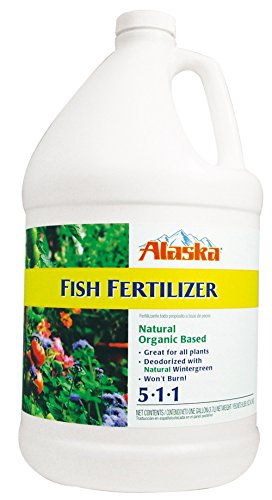
Alaska Fish Emulsion Fertilizer 5-1-1 Gallon
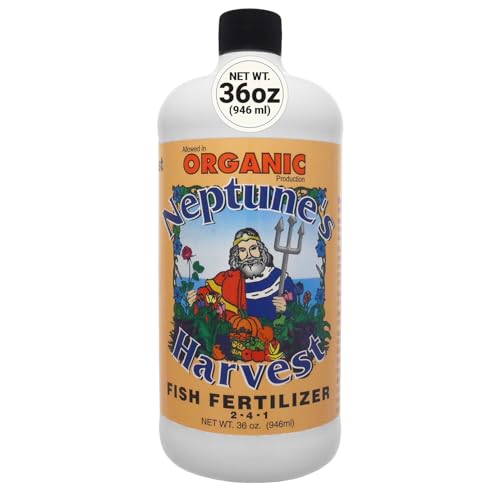
Neptune’s Harvest Fish Fertilizer 2-4-1 Quart

Lilly Miller Fish Emulsion Fertilizer 1 Quart
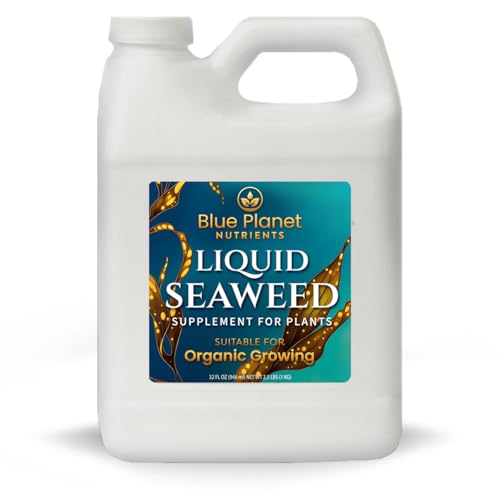
Blue Planet Nutrients Liquid Kelp Concentrate Quart
More On The Choices That Made The List
Tomato and pepper growers chasing bigger harvests without synthetic salts reach for this gallon jug more than almost any other. The 2-4-2 ratio, meaning the percentages of nitrogen, phosphorus, and potassium in the formula, leans slightly toward phosphorus, which is the nutrient plants use most heavily during fruit set. Combine that with the fresh-fish, seaweed, molasses, yucca, and humic acid stack, and you get a feed that supports both leafy growth and the fruiting stage plants transition into mid-season.
For a backyard vegetable plot, the gallon size covers a full growing season with room to spare. Shake well before measuring, since the heavier components settle over time. Compared with the broader Neptune’s Harvest Fish & Seaweed blend reviewed below, this one is tuned more narrowly for the “vegging” stage, so fruiting crops get a more targeted NPK push.
A Strong Showing
- Phosphorus-leaning NPK suits fruiting crops like tomatoes and squash during the middle of the season.
- Includes humic acids and yucca extract, which help soil structure and improve how plants take up nutrients.
- Multi-ingredient formula (fish, seaweed, molasses) covers more than a single-nutrient feed does in one pass.
- Gallon size means fewer repeat purchases for home gardeners with several raised beds.
Things To Consider
- Whole-fish concentrates carry a noticeable odor during mixing, so outdoor application is usually the cleaner choice.
- Sediment settles at the bottom of the jug and requires a thorough shake before each pour.
- Heavier than a quart bottle to carry from the garage to a far bed.
Who It Suits Best
Home growers running a serious vegetable plot, especially tomatoes, peppers, and squash, who want a single gallon jug to cover the whole season.
Where Another Pick Suits Better
Gardeners focused on leafy greens or new transplants should reach for Alaska Fish Emulsion Fertilizer 5-1-1 instead, since its higher nitrogen ratio better matches early vegetative growth.
Moving a mature shrub, settling in a new citrus tree, or relocating a half-grown tomato starts to wilt before your eyes. SUPERthrive sits in a different lane than the rest of this list because it isn’t built to feed plants nitrogen and phosphorus through the season. It’s a vitamin and kelp concentrate designed to ease transplant shock, the stress plants go through when their root system is disturbed or moved. A single pint bottle, dosed by the dropper, treats dozens of transplants or one sizeable tree.
You’ll use it at specific moments rather than every week: when you pop seedlings into the ground, when you divide perennials, or when a heat wave has your tomatoes sulking. Pair it with one of the broader fish-based feeds in this roundup if you want a complete nutrient program rather than a one-off rescue product.
What It Does Well
- Designed specifically to reduce transplant shock in seedlings, mature plants, and even established trees.
- Highly concentrated, so a single 1-pint bottle stretches across many applications when dosed correctly.
- Works alongside a regular fertilizer schedule as a recovery supplement rather than a replacement.
- Useful for cut-flower maintenance when stems need a quick vitality boost.
Worth Noting
- Not a complete fertilizer on its own, so you’ll still need a fish emulsion or kelp feed for routine nutrition.
- Strong scent during application that some gardeners find unpleasant indoors.
- Dosing is by the dropper, which takes more care than pouring a pre-measured fish emulsion.
Right Fit For
Garden owners transplanting trees, shrubs, or seedlings mid-season who want extra insurance against shock while a regular fertilizer program handles ongoing nutrition.
Look Elsewhere When
If your main goal is steady feeding through the growing season rather than transplant recovery, Neptune’s Harvest Fish & Seaweed Fertilizer 2-3-1 is the more complete daily driver.
Fish emulsion handles nitrogen and phosphorus, but kelp brings a quieter set of benefits to the table. This 0-0-1 pint, where the three numbers indicate nitrogen, phosphorus, and potassium percentages, isn’t about macronutrients at all. It’s a kelp-only feed drawn from Ascophyllum nodosum, a brown seaweed harvested in cold North Atlantic waters and naturally rich in trace minerals, amino acids, and natural growth hormones that help plants handle stress.
Think of it as a sidekick rather than the main course. Pairing it with one of the higher-NPK fish emulsions above gives plants the building blocks they need from fish and the biological enhancers they can only get from kelp. For lawns, indoor plants, and flower beds that just need a light weekly tonic, the small pint bottle goes a long way.
The Practical Payoff
- Kelp-based formula supplies trace minerals and natural growth hormones not found in fish-only feeds.
- 0-0-1 ratio means it complements a regular NPK fertilizer without overloading nitrogen.
- Works on lawns, indoor plants, vegetables, and flowers with the same dilution rate.
- Smaller pint bottle is easier to store than a gallon jug and less likely to settle awkwardly.
Trade Offs
- Not a complete fertilizer, so plants still need a primary NPK source for the bulk of their nutrition.
- Some growers notice the marine scent lingers longer indoors than outdoors.
- Pint size runs out faster than a gallon on larger properties.
Feature Snapshot
Made For
Gardeners already running a fish-based feed who want to layer in kelp’s trace minerals and stress-resistance benefits across vegetables, flowers, and indoor plants.
Consider Something Else When
If you only want to buy one bottle for the season, skip this and pick Neptune’s Harvest Fish & Seaweed Fertilizer 2-3-1, which combines both ingredients in a single jug.
If you want a no-frills fish emulsion that stays close to the source, this Grow Co gallon keeps the ingredient list short. The fish comes from sustainably managed sources and is cold-pressed rather than heat-processed, a meaningful detail because heat can degrade the amino acids, vitamins, and enzymes that make whole-fish fertilizer worth using in the first place.
Vegetable beds, fruit trees, and flowering perennials all respond to a routine feed from this jug. The gallon size keeps the cost per application low for gardeners with multiple beds, and the cold-pressed method tends to produce a milder smell than heat-extracted emulsions. If you’ve been put off fish emulsion in the past by the famous fishy odor, this formula may change your mind.
Positive Takeaways
- Cold-press extraction preserves amino acids and vitamins that heat-processed emulsions can lose.
- Whole-fish sourcing uses parts that would otherwise go to waste, supporting a closed-loop approach.
- One gallon covers vegetable gardens, fruit plantings, and flower beds across a full season.
- Lighter scent than many older-style emulsions, which helps for gardeners sensitive to odors.
Room For Improvement
- Single-ingredient formula lacks the kelp and humic acid additives found in some Neptune’s Harvest blends.
- Still requires a good shake before each use since the heavier oils settle.
- Gallon size is bulky for apartment balconies or single small beds.
Best Suited To
Backyard gardeners running vegetable plots, fruit plantings, and flower beds who want a straightforward fish emulsion that holds onto nutrients through cold-pressing.
A Better Fit Elsewhere
Hydroponic growers should reach for Fish Head Farms Organic Soil Conditioner instead, since it’s specifically designed for soilless systems.
Most fish emulsions feed plants directly. This one aims at the soil itself. The 500-milliliter bottle carries a living microbial profile with bacteria, fungi, and protozoa that mirrors a healthy natural ecosystem. The idea is that an active soil microbiome breaks down organic matter more efficiently and helps plants pull more from the nutrients already in the ground.
The 80-milliliter dosing chamber that ships with the bottle makes hydroponic application much easier than guessing ratios. You can run it in garden soil, raised beds, or hydroponic reservoirs without changing the routine. Gardeners chasing flavor in herbs and tomatoes often turn to this style of conditioner for the secondary boost it gives to anything else in the feeding program.
Where It Delivers
- Living microbial profile supports the soil food web rather than only feeding plant roots.
- Designed to work in both garden soil and hydroponic reservoirs without formula changes.
- Improves fertilizer efficiency, so the rest of your feeding program goes further.
- Includes a dosing chamber, which simplifies measurement for new growers.
Points To Note
- Higher cost per ounce than the gallon fish emulsions on this list.
- Living microbes have a shelf life, so old bottles sitting in a hot garage lose potency.
- Not a primary NPK source, so it pairs with another fertilizer rather than replacing one.
Whose Shelf It Belongs On
Hydroponic growers, raised-bed enthusiasts, and flavor-focused herb gardeners who want their soil biology to do more of the feeding work over a full growing cycle.
Skip It When
If you just need a basic weekly fish feed for a wide lawn or large vegetable patch, Neptune’s Harvest Fish Fertilizer 2-4-1 covers more ground at lower cost.
For gardeners who want a single bottle that handles vegetables, flowers, fruit trees, and the lawn without juggling separate products, this 36-ounce Fish & Seaweed blend is the safe middle ground. The formula splits 75% fish and 25% seaweed, so plants get a meaningful dose of nitrogen and phosphorus from the fish side and a steady stream of trace minerals and growth hormones from the kelp.
The 2-3-1 ratio leans slightly toward phosphorus, which suits flowering and fruiting plants without starving leafy crops. It works equally well in a watering can for indoor pots or a hose-end sprayer for a backyard. Compared with the kelp-only pint reviewed earlier, this blend does the work of both in one bottle, which simplifies feeding schedules considerably.
Useful Touches
- 75% fish, 25% seaweed blend combines macronutrients and trace minerals in a single feed.
- 2-3-1 NPK ratio supports both vegetative growth and flowering stages without rotation.
- Safe for indoor plants, outdoor beds, fruit trees, and lawns at similar dilution rates.
- 36-ounce bottle is manageable to carry and store compared with a full gallon.
Small Caveats
- Phosphorus-leaning ratio means leafy greens may want a touch more nitrogen from a secondary feed.
- Whole-fish content still produces a noticeable smell during mixing.
- Bottle settles, so a thorough shake before each measuring matters.
Quick Facts
Who Will Love This
Garden owners juggling vegetables, flowers, and a small lawn who prefer one reliable bottle over a shelf of single-purpose feeds.
Swap It Out When
If you’re growing primarily leafy greens that need a nitrogen push, Alaska Fish Emulsion Fertilizer 5-1-1 is the stronger fit.
When leafy greens bolt or lawn color fades midseason, nitrogen is usually the missing piece. Alaska’s 5-1-1 concentrate puts nitrogen front and center, with just enough phosphorus and potassium to keep the rest of the plant’s needs covered. The natural wintergreen deodorizer is the detail that wins over gardeners who abandoned fish emulsion years ago because of the smell.
For all-purpose feeding across indoor and outdoor plants, the gallon jug covers a large garden for the season. The “won’t burn” formulation is forgiving if you accidentally mix it a little strong, which matters for beginners still calibrating their dilution. Among the picks on this list, it’s the highest-nitrogen option without straying into synthetic territory.
Everyday Wins
- 5-1-1 NPK ratio delivers a strong nitrogen push for leafy growth and greening up.
- Natural wintergreen deodorizer softens the fish scent that drives some gardeners off emulsion entirely.
- Won’t burn formulation forgives slightly heavy mixing, helpful for first-timers.
- Works on indoor and outdoor plants with one dilution guideline.
Honest Caveats
- Higher nitrogen ratio means it’s not ideal for late-stage fruiting crops that need less N and more P.
- Sediment can clog hose-end sprayers unless pre-diluted in a watering can.
- Packaging may vary, so measuring marks on the bottle may differ between shipments.
Perfect Match For
Garden owners focused on leafy greens, lawn color, and foliage plants who want high nitrogen without giving up on organic ingredients.
Another Choice May Suit
If your priority is fruiting tomatoes or peppers in the second half of the season, Neptune’s Harvest Tomato & Vegetable Fertilizer 2-4-2 better matches the plant’s late-stage needs.
Hydrolysate is the term for a liquid fish fertilizer made by breaking down whole fish with enzymes rather than heat, and that’s what this quart bottle carries. Cold-process production protects the vitamins, amino acids, enzymes, and growth hormones that more aggressive extraction methods strip out. The fish comes from North Atlantic waters rather than lake, farmed, or river sources, which tends to mean a cleaner mineral profile.
The 2-4-1 NPK ratio suits the full life cycle of vegetables, flowers, fruit trees, and even grass. For gardeners running smaller plots or a few containers, the quart bottle offers the same formula as the larger Neptune’s Harvest sizes without committing to a gallon jug. It’s a sensible middle-tier pick when the gallon options feel like overkill.
Strengths Worth Knowing
- Cold-process hydrolysate retains amino acids and growth hormones that heat-extracted emulsions lose.
- 2-4-1 NPK ratio works across vegetables, fruit, flowers, and grass without rotation.
- Quart size fits apartment storage and small-space gardeners better than a gallon jug.
- North Atlantic fish source provides a broad mineral profile.
Points To Keep In Mind
- Quart runs out faster than gallon options on larger properties.
- Whole-fish hydrolysate has a strong aroma during mixing.
- No kelp or humic acid additives, so the trace mineral range is narrower than blends.
Built With In Mind
Balcony and small-plot gardeners who want a single-bottle fish hydrolysate that handles vegetables, flowers, and fruit without buying in bulk.
Reach For A Different Pick When
If you want both fish and seaweed benefits in one bottle without buying two products, Neptune’s Harvest Fish & Seaweed Fertilizer 2-3-1 is the more efficient all-in-one option.
Sometimes a quart is the right call. Indoor houseplant collections, patio herb gardens, and small balcony setups don’t need a gallon jug taking up shelf space, and that’s exactly where this Lilly Miller quart earns its spot. The formula is 100% organic and carries eleven vitamins alongside the fish emulsion base, which gives plants a broader nutrient package than a stripped-down fish feed.
Use it on indoor and outdoor plants with the same dilution, which simplifies a multi-room routine. For gardeners comparing it to the larger Neptune’s Harvest options above, the difference is mostly about scale and the extra vitamin stack rather than basic feeding power.
Bright Spots
- Compact quart size suits indoor plant collections and small patios without wasted shelf space.
- Eleven-vitamin blend broadens the nutrient package beyond a basic fish feed.
- 100% organic formula fits organic gardening programs without amendment.
- Same dilution works for indoor and outdoor plants, simplifying routines.
Factors To Consider
- Quart runs out faster on anything larger than a balcony garden.
- Scent during mixing is noticeable in enclosed rooms without ventilation.
- Higher cost per ounce than gallon options for big plots.
Who Should Grab It
Apartment and indoor plant owners who want an organic fish emulsion in a manageable quart bottle for routine feeding across a houseplant collection.
Where A Sibling Pick Shines
For a balcony herb garden or small raised bed, Neptune’s Harvest Fish Fertilizer 2-4-1 quart offers the same size with a more targeted vegetable-friendly NPK ratio.
Dilution ratios matter as much as the bottle you pour from, and this kelp concentrate stretches further than any other product on the list. A single quart produces up to 470 gallons of finished feed at the lower end of the dose range, which is the kind of ratio that pays off fast on a half-acre property or a community garden plot. The source is Ascophyllum nodosum, the same cold-water kelp used in the Neptune’s Harvest pint reviewed earlier.
Beyond soil applications, the concentrate works in hydroponic and coco coir setups at the same dose, which removes a step when switching growing methods. For gardeners already running a fish emulsion as the primary NPK feed, this kelp concentrate adds the trace minerals and natural growth hormones without doubling up on nitrogen.
The Case For It
- One quart dilutes into up to 470 gallons, the highest yield ratio on this list.
- Ascophyllum nodosum source delivers trace minerals and natural growth hormones.
- Works in soil, hydroponic, and coco coir setups without changing the dose.
- Low dose range (half to two teaspoons per gallon) keeps measuring simple.
Practical Considerations
- No macronutrients, so it must pair with a fish emulsion for routine feeding.
- Strong measurement discipline required at very low doses for small indoor pots.
- Concentrate costs more up front than a gallon fish emulsion, though it lasts far longer.
Feature Rundown
The Right Fit
Large-property gardeners, community plot managers, and hydroponic growers who already have a fish emulsion and want a kelp supplement that lasts an entire season.
Not Your Match When
Beginners running a few indoor plants should start with Neptune’s Harvest Seaweed Plant Food 0-0-1 pint, since the simpler bottle is easier to dose at small volumes.
What To Weigh Before Picking A Fish Emulsion Fertilizer
Start by matching the NPK ratio to what your plants actually need right now. The three numbers on a fertilizer label represent nitrogen, phosphorus, and potassium percentages, and they drive different parts of plant growth. Nitrogen powers leafy green growth and lawn color. Phosphorus supports root development and fruiting. Potassium builds overall plant resilience. A tomato bed heading into fruit set wants more phosphorus, so a 2-4-2 or 2-3-1 blend fits better. A salad garden or lawn chasing deep green wants more nitrogen, which is where a 5-1-1 formula earns its keep.
Cold-Press vs Heat-Extracted
The way fish gets processed into emulsion matters for nutrient retention. Cold-press and hydrolysate methods use enzymes or mechanical pressing at lower temperatures, which preserves amino acids, vitamins, and natural growth hormones. Older heat-extraction methods can strip those out. If you want the biological bonuses that make organic fish emulsion worth using, look for cold-processed or hydrolysate wording on the label.
Single-Ingredient vs Blended Formulas
A pure fish emulsion feeds nitrogen and phosphorus from one source. A blend adds kelp for trace minerals and growth hormones, sometimes plus molasses for sugar energy and humic acids for soil structure. Pure fish works for straightforward feeding schedules. Blends simplify routines when you want one bottle to cover more ground, especially for gardeners who’d rather not juggle separate products for vegetables and flowers.
Container Size And Concentration
A gallon jug covers a large garden for a season at a lower cost per ounce. Quart bottles fit apartment storage and small patio setups where the gallon would sit half-used for months. Concentrated kelp products stretch even further by diluting into hundreds of gallons of finished feed, which suits larger properties and community gardens. Match the bottle to the scale of your watering routine rather than buying the biggest container on the shelf.
Key Considerations Across These Picks
Pitfalls Shoppers Hit
The most common slip-up is chasing the highest NPK number without reading what the formula actually delivers. A 5-1-1 fish emulsion sounds powerful until you remember nitrogen drives leaves, not fruit, and your tomatoes end up all vine and no harvest. The flip side is buying a kelp-only product expecting it to feed your lawn through summer, when kelp supplies trace minerals rather than the macronutrients grass needs in volume. Match the formula to the growth stage you’re targeting.
Where The Extra Money Goes
Premium fish emulsions earn their higher cost through cold-press extraction, which retains the amino acids and enzymes that cheaper heat-extracted emulsions lose. Blended formulas with kelp, humic acids, and molasses add ingredients that work together rather than just stacking percentages on the label. Living microbial conditioners cost more per ounce because the bacteria and fungi inside are doing soil work, not just feeding roots. You’re paying for the biological activity, not the volume of liquid in the bottle.
Frequently Asked Questions
How often should liquid fish emulsion be applied?
Most fish emulsion labels recommend feeding every two to four weeks during active growth, with lighter dilution for indoor plants and stronger mixes for outdoor beds. Always defer to the label’s dilution chart for the specific product.
Can fish emulsion burn plants?
Quality fish emulsions are designed to be gentle, but over-concentrated mixes can still stress foliage, especially on seedlings. Stick to the recommended dilution and water the soil rather than spraying leaves in midday sun.
Is fish emulsion safe for edible vegetables?
Yes. Organic fish emulsions are widely used on tomatoes, leafy greens, and root crops. Apply during the growing season, and wash produce thoroughly before eating as you would with any garden-grown food.
What’s the difference between fish emulsion and fish hydrolysate?
Both come from whole fish, but emulsion uses heat extraction while hydrolysate uses enzymes at lower temperatures. Hydrolysate retains more of the amino acids and growth hormones that heat processing strips away.
Do I need to refrigerate fish emulsion after opening?
Most liquid fish emulsions store fine in a cool, dark place for months. Refrigeration extends shelf life for living microbial products, which can lose potency in warm garages. Check the label for any specific storage guidance.
Wrap Up
The right liquid fish emulsion comes down to your plants, your plot size, and the season stage you’re feeding through. A gallon of Neptune’s Harvest or Alaska covers a serious vegetable garden all year, while a quart bottle or a concentrated kelp mix better serves apartment patios and large properties. Pair a fish emulsion with a kelp supplement if you want the broadest nutrient range, and keep a bottle of transplant-recovery vitamin solution handy for the moments when plants need extra help settling in.