Whether you’re tending a windowsill pothos or a backyard vegetable patch, the right liquid plant food turns routine watering into a growth boost. Picking from the many options in the Miracle-Gro lineup can feel like choosing between nearly identical bottles, so this guide narrows it down. Each pick below solves a specific need, from acid-loving blueberries to thirsty tropicals, so you spend less time guessing and more time watching things green up.
A Snapshot Of The Selections

Miracle-Gro Water Soluble All Purpose Plant Food, 5.5 lb.
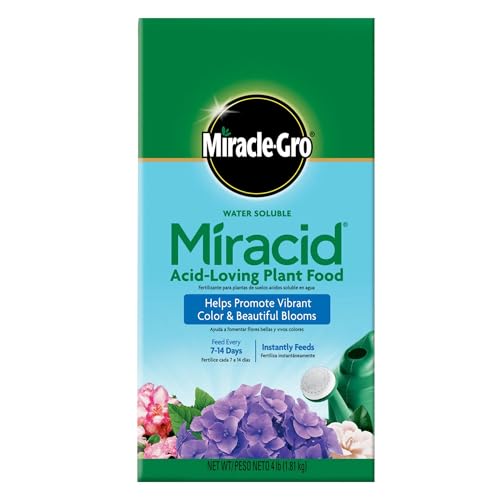
Miracle Gro Garden Pro Water Soluble Miracid Plant Food 30-10-10 4 Lb.
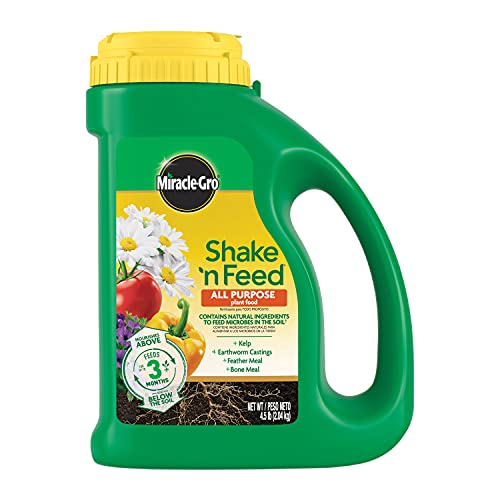
Miracle-Gro Shake ‘N Feed All Purpose Plant Food, 4.5 lb.
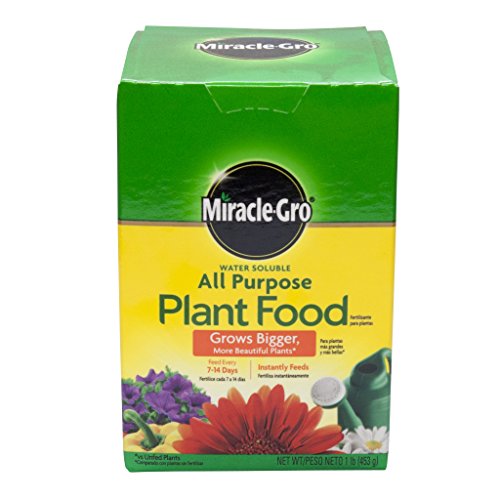
Miracle Gro 160101 1 Lb Water Soluble All Purpose Plant Food 24-8-16

Miracle-GRO 100404 LiquaFeed Bloom Booster Flower Food

Miracle-Gro Water Soluble Plant Food Vegetables & Herbs, 2 lb.

Big Green Leaves Indoor Plant Food – 4X Concentrated Fertilizer, 1 lb

Miracle-Gro Indoor Plant Food, 8 oz.

Miracle-Gro Pour & Feed Plant Food, 32 fl. oz.

Miracle-GRO Tropical Houseplant Food, 8 fl. oz.
A Breakdown Of The Leading Choices
This 5.5 lb tub is the workhorse of the lineup, designed to dissolve cleanly in a watering can and feed everything from tomatoes to spider plants with the same scoop. The 24-8-16 NPK ratio (that’s nitrogen, phosphorus, and potassium in that order) leans toward leafy growth, which makes sense for gardeners juggling ornamentals and edibles in one routine. Compared with the granular Shake ‘N Feed option further down the list, this one demands a bit more measuring but pays you back with how quickly plants respond.
If your house is more “thriving jungle” than “single pothos on the shelf,” you’ll appreciate the generous tub size that doesn’t run out mid-summer. It suits gardeners who already own a watering can and don’t mind a two-minute mixing step before each feed.
Features That Help
- Water-soluble format gets nutrients to roots fast, so yellowing leaves often green up within a feed or two.
- Safe across roses, vegetables, houseplants, and trees, removing the need to juggle multiple bottles.
- 5.5 lb size stretches through a full growing season for a small yard or a packed windowsill collection.
- 24-8-16 NPK profile supports both foliage development and flowering.
Things To Consider
- Mixing is required before every feed, which may feel like a chore for people wanting grab-and-go simplicity.
- Owners commonly report the fine powder can clump if stored in a humid garage or shed.
- Less targeted than specialty formulas for acid-loving or edible-only gardens.
Feature Snapshot
Who It Suits Best
This one is right for gardeners tending a mixed indoor-outdoor collection who want one dependable formula instead of a shelf full of bottles.
Consider Something Else When
If you grow mostly acid-loving plants like azaleas or blueberries, the Miracle Gro Miracid formula in pick two is a sharper fit.
Miracid is built for the plants most general formulas ignore. The 30-10-10 NPK ratio pushes nitrogen hard while acidifying the root zone, which is the trick behind keeping blueberries, azaleas, gardenias, and camellias happy. If your soil already trends alkaline, this is the difference between leaves that stay glossy green and ones that yellow at the edges despite your best efforts.
Garden Pro positioning means it’s marketed toward growers who already know their soil leans basic and want a targeted fix rather than a one-size approach. Newcomers to acid-loving plants may want to do a quick pH check first.
The Good Stuff
- Acidifying action helps unlock iron and other micronutrients in alkaline soil.
- 30-10-10 ratio drives vigorous foliage on plants that often struggle in neutral soil.
- Water-soluble powder feeds through your normal watering routine.
Honest Caveats
- Not the right tool for most vegetables, herbs, or lawns; using it broadly can over-acidify your beds.
- Owners commonly report the powder clumps when humidity creeps into the bag.
Best Suited To
Blueberry bushes, azaleas, rhododendrons, camellias, and gardenias growing in soil that runs sweet or neutral.
Look Elsewhere When
If your collection is more pothos and tomato than blueberry and gardenia, the all-purpose water-soluble pick above will save you money.
Shake ‘N Feed flips the script on liquid feeding by going granular: shake it on, water it in, and walk away. The 4.5 lb jug suits gardeners with shrubs, flower beds, or in-ground trees who’d rather feed once every few months than mix a watering can every other weekend. The slow-release nature means roots keep sipping nutrients long after application.
For anyone tired of measuring powder or refilling spray bottles, this is the most hands-off option in the Miracle-Gro lineup. The trade-off is less precision, since you’re sprinkling rather than dosing a specific dilution.
The Value In It
- Granular application removes the mixing step entirely from feeding days.
- Longer feeding window between applications cuts down on chore frequency.
- All-purpose suitability across ornamentals and edibles simplifies the routine.
Worth Noting
- Less precise dosing than water-soluble options; over-shaking can lead to waste.
- Slower to show visible results than liquid feeds.
Made For
Shrub borders, foundation plantings, and anyone who’d rather feed once a month than every weekend.
Skip It When
If your garden is mostly containers and houseplants, the water-soluble all-purpose pick above will give faster, more controlled results.
This 1 lb box carries the same 24-8-16 NPK formula as the 5.5 lb tub in pick one, just in a smaller package aimed at first-time gardeners or apartment growers. The compact size stores easily on a shelf or in a utility closet without taking up half a foot of space. For anyone dipping a toe into feeding rather than committing to a season-long supply, it’s a low-risk starting point.
You’ll measure the same way as the larger tub, which means the routine is identical; you’re just buying less up front. Once you see how your plants respond, the bigger tub becomes the natural next step.
Everyday Perks
- Smaller footprint suits apartments, balconies, and tight storage.
- Same trusted 24-8-16 formula as the larger format.
- Water-soluble powder works across indoor and outdoor plants.
Room For Improvement
- Runs out faster than the larger tubs for anyone with a sizable garden.
- Still requires mixing before each feeding session.
Quick Facts
Who Will Love This
First-time plant parents and apartment dwellers who want to try feeding without committing to a large tub.
Another Choice May Suit
If you already know you’ll keep gardening through summer, the 5.5 lb version in pick one reduces the per-feed cost.
LiquaFeed Bloom Booster shifts the focus to flower production rather than general foliage. The liquid format pairs with the Miracle-Gro LiquaFeed hose-end sprayer, which means feeding a window box takes seconds instead of involving a watering can. If you grow petunias, geraniums, or hanging baskets that need constant color, this is purpose-built.
It’s less of an all-purpose workhorse and more of a specialist. Gardeners with mixed beds may keep this alongside a general formula rather than swap it in as the only feed.
Useful Highlights
- Targets bloom production in flowering annuals and baskets.
- Liquid format hooks into hose-end feeding for quick coverage.
- Designed to support more abundant flowering through the season.
Points To Keep In Mind
- Best results assume pairing with the LiquaFeed hose attachment.
- Overkill for foliage-focused plants or vegetable gardens.
Perfect Match For
Annual flower beds, hanging baskets, and patio containers where bloom output matters more than leafy growth.
Reach For A Different Pick When
Vegetable gardeners will find the Water Soluble Vegetables & Herbs formula in pick six more useful.
The 18-18-21 NPK formula on this 2 lb bag tilts toward phosphorus and potassium, the two nutrients that drive fruiting and root development in vegetables. If you’ve ever had lush basil with no flavor or tomato plants that flower but don’t set fruit, the imbalance was likely the cause. This formula aims to fix that for kitchen gardeners growing herbs, peppers, leafy greens, and tomatoes in the same bed.
It mixes into a watering can just like the all-purpose option, so the routine is identical. The difference is the nutrient balance, which is tuned for edible harvest rather than general growth.
Practical Pluses
- Balanced phosphorus and potassium support fruit set and root vigor in edibles.
- Works for both raised beds and container vegetable gardens.
- Water-soluble powder fits existing watering routines.
Trade-Offs To Consider
- Not designed for acid-loving ornamentals or acid-soil crops like blueberries.
- 2 lb bag runs out faster for gardeners with multiple large beds.
Technical Sheet
Right Fit For
Kitchen gardeners growing tomatoes, peppers, leafy greens, and culinary herbs who want blooms that turn into actual harvests.
Where A Sibling Pick Shines
If you grow blueberries alongside your basil, the Miracid formula in pick two handles the acid-loving side of the garden.
Big Green Leaves is the odd one out in this lineup, coming from Bless Your Soil rather than the Miracle-Gro brand. The 4X concentration means a 1 lb bag goes further than most liquid feeds, which matters for houseplant collectors feeding dozens of pots every few weeks. The 12-4-8 NPK profile leans toward nitrogen with urea-free ingredients that owners commonly report feel gentler on sensitive foliage like calathea and fern.
It’s the option for people who want a single bag to last through winter and early spring, the slowest growth window for indoor plants. If you’ve been frustrated by liquid bottles running out every other month, the math works out differently here.
Why It Works Well
- 4X concentration stretches a small bag across many feedings.
- Urea-free formula tends to be gentler on sensitive houseplant foliage.
- Succinct 12-4-8 NPK ratio favors leafy growth indoors.
Softer Spots
- Less widely available than the mainstream Miracle-Gro shelf staples.
- Not formulated for flowering-heavy indoor plants like African violets.
Feature Rundown
Whose Shelf It Belongs On
Houseplant collectors with many pots who want one concentrate that lasts through the slowest months of the year.
Swap It Out When
For outdoor garden beds, the Miracle-Gro Water Soluble All Purpose formula in pick one delivers broader coverage.
This 8 oz bottle is the classic liquid houseplant feed, formulated specifically for the indoor collection rather than garden beds. You dilute a few drops into your watering can, which makes it a comfortable middle ground between the no-mix Pour & Feed option and the powder formats. The label covers everything from snake plants to peace lilies to herbs on the kitchen windowsill.
Compared with the Pour & Feed in pick nine, this one requires a tiny bit of measuring but gives you more control over how much each plant gets. For plant parents with a varied collection, that flexibility tends to matter.
Practical Advantages
- Liquid concentrate dilutes easily into normal watering sessions.
- Works across snake plants, peace lilies, crotons, and herbs without switching formulas.
- Compact bottle fits on a pantry shelf without dominating storage.
Less Ideal Details
- Small bottle runs out faster for collectors with many plants.
- Requires a watering can and quick measuring each time.
Built With In Mind
Mixed indoor plant collections where owners want one bottle that handles succulents, foliage plants, and edible herbs alike.
Not Your Match When
For tropical foliage specifically, the dedicated Tropical Houseplant Food in pick ten is a more targeted formula.
Pour & Feed is exactly what its name promises: a ready-to-use liquid you pour directly onto the soil without mixing. The 32 fl. oz. bottle suits container-heavy households where you’re feeding a dozen pots every couple of weeks and don’t want to drag out a measuring spoon each time. It’s the closest thing to grab-and-go in the Miracle-Gro liquid lineup.
The trade-off is less precision. Because the formula is pre-diluted for general use, you can’t crank up the dose for a hungry plant or dial it back for a sensitive one. For most people with consistent collections, that’s a fine compromise.
Everyday Wins
- No mixing required; pour directly onto the soil around the plant base.
- Pre-diluted formula reduces the risk of overfeeding.
- 32 fl. oz. bottle covers many potted plants per fill.
Small Caveats
- Less flexibility to adjust strength for specific plant needs.
- The bottle weighs more than concentrate formats once full.
Who Should Grab It
People with a balcony full of containers who want feeding to take seconds rather than minutes.
A Better Fit Elsewhere
If you want to dial in feeding for sensitive houseplants, the Indoor Plant Food concentrate in pick eight gives that control back.
Tropical Houseplant Food is the newest member of the family, blended with magnesium, manganese, copper, iron, and zinc to support the dense foliage plants everyone wants but few know how to feed. Monsteras, philodendrons, anthuriums, and palms tend to struggle on general-purpose formulas because the micronutrient profile doesn’t quite match what they evolved to pull from rainforest floors. This one aims to close that gap.
It’s a specialist product, which means you probably won’t use it on a snake plant or pothos. But for serious tropical collectors, the difference shows up in leaf color and new growth within a feeding cycle or two.
Real-World Strengths
- Micronutrient blend matches what tropical foliage naturally pulls from rich soil.
- Liquid format integrates into existing watering routines.
- Supports lush green foliage on monstera, philodendron, and palm varieties.
Points To Note
- Specialty formula is overkill for snake plants or pothos that thrive on general feeds.
- 8 fl. oz. bottle runs out faster for collectors with many large tropical pots.
Perfect Match For
Tropical houseplant collectors growing monstera, philodendron, anthurium, and palms who want foliage that looks like the nursery photo.
Where Another Pick Suits Better
For mixed collections that include succulents and herbs, the general Indoor Plant Food in pick eight covers more plant types.
What To Weigh Before Picking Your Plant Food
Match the Formula to the Plant
The biggest split in this category is between general-purpose liquids and specialty blends. General formulas like the 24-8-16 all-purpose option handle roses, vegetables, and houseplants with the same scoop, which keeps life simple when your collection is varied. Specialty formulas such as Miracid for acid-loving plants or the Tropical Houseplant blend address specific deficiencies that general feeds miss. Choosing based on the dominant plant type in your home saves money and reduces the bottle count on the shelf.
Understand the NPK Numbers
Those three numbers on every package (NPK stands for nitrogen, phosphorus, and potassium, in that order) tell you what the formula prioritizes. Nitrogen drives leafy growth, phosphorus supports roots and blooms, and potassium strengthens overall plant vigor. A balanced indoor foliage collection usually does well on a nitrogen-leaning ratio, while fruiting vegetables need more phosphorus and potassium. Reading the numbers takes a few seconds and prevents the common mistake of feeding a leafy plant a bloom-focused formula or vice versa.
Pick a Format That Fits Your Routine
Powders demand measuring and mixing, liquids give you dilution control, and ready-to-use bottles remove every step. The honest read is that the format you’ll actually use matters more than the one with the best spec sheet. A powder that’s too much hassle to mix ends up sitting in the garage. A concentrate that feels fiddly gets pushed aside when life gets busy. Be realistic about your routine before you commit to a format.
Consider Storage and Stability
Powders can clump in humid garages, concentrates can degrade if stored in direct sun, and ready-to-use bottles are heavier to lug home from the store. Indoor gardeners usually have an easier time keeping any format stable, while outdoor users with limited covered storage may want to think twice before buying anything that needs to stay bone dry.
Key Considerations Across These Picks
Common Shopping Slip Ups
The most frequent mistake is grabbing a general-purpose liquid for plants that genuinely need a specialized formula. Blueberries, azaleas, and gardenias rarely thrive on the same feed as tomatoes and roses, no matter how the marketing reads. Another trap is overfeeding, which is just as harmful as underfeeding, especially for indoor plants in small pots where salts accumulate fast. Reading the label and following the dilution guide saves more plants than upgrading to a pricier formula.
Where The Extra Money Goes
Higher-tier formulas in this category tend to spend the budget on micronutrient profiles and concentration levels rather than basic NPK. The Tropical Houseplant blend, for example, adds magnesium, manganese, copper, iron, and zinc on top of the standard nitrogen-phosphorus-potassium trio. Concentrates like the 4X formula stretch a small package across more feedings, which offsets the higher sticker price over a season. If your collection leans toward a specific plant family, the upgrade typically shows up in leaf color and new growth within a few weeks.
Frequently Asked Questions
What is NPK and why does it matter?
NPK stands for nitrogen, phosphorus, and potassium, the three primary nutrients plants need in the largest quantities. The numbers on a fertilizer package tell you the percentage of each, in that order, so a 24-8-16 blend has more nitrogen than phosphorus or potassium. Matching the ratio to what your plant needs prevents wasted feed and disappointing results.
How often should I feed my plants?
Most general-purpose plant foods suggest a feeding every one to two weeks during active growth, with monthly or no feeding during dormant winter months. Specialty formulas like the bloom booster or tropical blend often have their own schedules on the label. Always start at the lighter end of the recommended range and adjust based on how plants respond.
Can I use the same food for indoor and outdoor plants?
All-purpose formulas like the 24-8-16 water-soluble option work across both environments, which is part of their appeal. Specialty formulas, such as Miracid or Tropical Houseplant Food, are designed for specific plant families and may not suit everything in your yard. Many gardeners keep one general bottle plus one specialty formula to cover both bases.
Is liquid or granular fertilizer better?
Liquid feeds act faster because roots absorb them right away, while granular options release nutrients slowly over weeks or months. Liquid works well for quick boosts and indoor pots, while granular suits in-ground beds and gardeners who’d rather feed less often. The choice depends on how hands-on you want to be with the routine.
Will fertilizer burn my plants?
Liquid and water-soluble fertilizers can burn roots if applied at too high a concentration, which is why following the dilution guide matters. Ready-to-use formats like Pour & Feed reduce this risk since they’re pre-diluted. Watering the soil before applying any feed also helps protect roots from concentration spikes.
Wrap Up
The right liquid plant food is the one that matches your collection, fits your feeding routine, and solves a specific problem rather than chasing a magic formula. Start with what most of your plants actually need, then layer in a specialty bottle only when general feeds fall short. For most indoor collections, a general liquid plus the occasional specialty pick covers everything the year throws at you.