Your tomato seedlings are stretching pale and leggy toward the window. The lettuce bolts before lunch. Something in the watering routine is off, and a soil test from the cooperative extension points toward a potassium shortfall during fruit set. That’s the moment most home growers reach for a liquid organic fertilizer, and the shelves suddenly look crowded: kelp concentrates, fish emulsions, worm casting teas, dry-soluble blends. The right pick depends on whether you want quick green-up, stronger roots during transplant shock, or a mid-season bloom push. The seven options below cover those scenarios, with honest notes about where each one earns its keep and where a different choice on this list would suit you better.
How The Shortlist Stacks Up

Smart Grower Organic Liquid Sea Kelp Fertilizer 4 oz

BuildASoil Worm Castings for Gardening 2 Gallons

GS Plant Foods Liquid Kelp Fertilizer 1 Gallon

GS Plant Foods Liquid Fish and Kelp Fertilizer 1 Gallon

Athena Blended PK Bloom Booster Liquid Fertilizer 0-4-5 1 Gallon

Purple Cow Organics Liquid Biology Bundle Concentrate
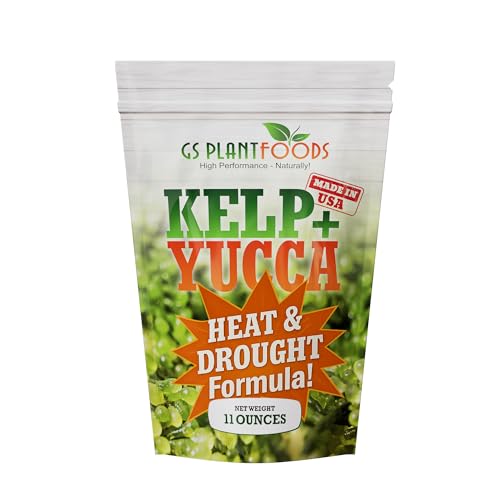
GS Plant Foods Kelp and Yucca Plant Fertilizer 11 oz Dry Concentrate
A Breakdown Of The Leading Choices
This 4-ounce bottle is the smallest entry on the list, and that is the whole appeal. Apartment growers with a windowsill herb garden or a single raised bed do not need a gallon jug taking up shelf space. The concentrate dilutes into a foliar spray or root drench, so a little genuinely goes a long way for a modest setup.
The formula is built around cold-water Ascophyllum nodosum seaweed (a brown kelp species prized in horticulture for its mineral content) and carries a 0-0-4 NPK ratio, meaning zero nitrogen and zero phosphorus with a 4% soluble potash kick. That profile suits growers whose soil already supplies nitrogen but needs help with potassium during fruit set or heat stress.
What Pays Off
- Tiny footprint fits in a kitchen drawer or a small gardening tote
- Potassium-forward formula supports stem strength and drought resilience
- Useful as a recovery tonic after transplant shock
- Concentrated format keeps storage simple for low-volume feeders
- Compatible with indoor herb use where strong odors would be unwelcome
Things To Consider
- Four ounces is small for anyone tending more than a couple of beds
- Provides no nitrogen, so pairing with a nitrogen source may be needed for leafy greens
- Concentrates require accurate measuring to avoid over-application on tender seedlings
Who It Suits Best
Container gardeners and apartment herb growers with a handful of plants who want a tidy, concentrated supplement rather than a jug.
Look Elsewhere When
Anyone managing a full backyard plot should consider the GS Plant Foods Liquid Kelp Fertilizer 1 Gallon instead, since it stretches much further per dollar.
Worm castings sit at the root of organic gardening, and this two-gallon pail from BuildASoil is the most soil-focused pick on the list. Castings are the digested organic matter earthworms produce, valued for slow-release nutrients and beneficial microbial activity. You can top-dress beds, mix into potting soil, or brew a “casting tea” for liquid feeding.
The brand promotes lab-tested freshness and a screened, moist texture that mixes cleanly without the chunky debris that plagues cheaper vermicompost. For raised beds and in-ground vegetable plots, that texture matters when you blend amendments by hand.
A Strong Showing
- Builds long-term soil structure rather than offering a quick-hit feed
- Lab-tested consistency reduces the lot-to-lot variability common in castings
- Doubles as a soil amendment and a base for homemade casting teas
- Two-gallon volume handles a small raised bed without constant reordering
- Safe to handle without gloves or special equipment
Worth Noting
- Not a true liquid fertilizer until you brew it into a tea, so it adds a step
- Nutrient analysis is mild compared with concentrated kelp or fish products
- A two-gallon bag is heavy to haul up apartment stairs or to a rooftop garden
Right Fit For
Vegetable gardeners prepping raised beds in spring or refreshing tired in-ground soil before transplanting, who view feeding as a long game.
Skip It When
You want a grab-and-bottle liquid feed with no brewing step, in which case the GS Plant Foods Liquid Kelp Fertilizer 1 Gallon is a more direct path.
This is the gallon jug most organic vegetable gardeners reach for first. GS Plant Foods sources Ascophyllum nodosum from cold North Atlantic waters, which the brand notes is a nutrient-dense brown kelp variety used in commercial agriculture. The concentrate dilutes at a high ratio, so a single gallon treats a substantial plot across an entire growing season.
The OMRI listing (a third-party certification that inputs meet National Organic Program standards) is the key credential for growers who need to keep their garden certifiable. Compared with the Smart Grower 4-ounce entry earlier, this is the same category of product scaled up for serious backyard use.
What Stands Out
- OMRI-listed for growers who must keep production certified organic
- High dilution ratio stretches one gallon across a full season
- Cold-water kelp supports chlorophyll production and root development
- Works as a foliar spray or soil drench depending on the crop stage
- Compatible with vegetables, lawns, and soil-building programs alike
Room For Improvement
- Kelp alone is light on nitrogen, so heavy feeders may need a companion product
- A full gallon adds weight if you refill a spray container often
- Dilution ratios vary by use, so reading the label carefully at first is worthwhile
Key Advantages
Made For
Organic vegetable gardeners with multiple beds who want a single, versatile kelp concentrate that checks the certification box.
Consider Something Else When
Growers running a drip-irrigation system on a tight schedule may prefer the Athena PK Bloom Booster, which mixes cleanly into injector setups.
If the kelp-only jug above is the daily driver, this fish-and-kelp hybrid is the all-in-one upgrade. GS Plant Foods combines North Atlantic seaweed with fresh fish hydrolysate (liquefied fish protein that retains amino acids and oils) to deliver a broader nutrient spectrum in one bottle. Tomatoes, peppers, corn, and squash respond well to that dual profile during their long feeding window.
The OMRI listing carries over, which keeps this option viable for certified-organic growers. For home gardeners who do not want to juggle two separate amendments, the hybrid format simplifies the routine.
Where It Delivers
- Two feed sources in one bottle simplify a mid-season routine
- OMRI listed for certified-organic vegetable production
- Fish hydrolysate supplies amino acids that boost flavor and vigor claims
- Kelp component helps with heat and transplant stress
- Suitable for vegetables, flowers, and shrubs across the same yard
Trade Offs
- Fish-based products carry a noticeable odor during application, which neighbors may notice
- Dilution ratios must be respected to avoid nitrogen burn on young plants
- One gallon is heavier than the kelp-only version and may need a cool storage spot
Quick Facts
Best Suited To
Growers of heavy-feeding crops like tomatoes, corn, and squash who want one bottle to cover both vegetative and fruiting stages.
A Better Fit Elsewhere
Anyone bothered by fish odors or working in tight urban plots should consider the Athena PK Bloom Booster for a scent-free mid-season push.
Athena’s PK Booster is built for the fruiting and flowering stage, when vegetables shift energy away from leaves and toward blooms and fruit. The 0-4-5 ratio means zero nitrogen, four percent phosphorus, and five percent potassium, the latter being the nutrient that supports flower production and fruit quality.
This pick is also the most technical on the list. The brand markets it as fully water-soluble and ready to feed through stock tanks or injector systems without additional mixing. For gardeners already running a dosed irrigation setup, that is a meaningful convenience over a kelp concentrate.
The Upside
- Clean solubility avoids clogging in drip lines and injector systems
- Phosphorus and potassium ratio targets fruit-set and bloom phases
- No nitrogen means it pairs well with vegetative feeds earlier in the cycle
- Ready-to-use formula cuts out the extra stock-tank mixing step
Honest Caveats
- Zero nitrogen makes it a poor standalone feed for leafy crops early in the season
- Not labeled OMRI, so it does not fit certified-organic programs
- Designed for injector-style feeding, so manual watering-can use may feel like overkill
Feature Snapshot
Who Will Love This
Tech-forward growers running automated or dosed feeding systems who want a no-fuss mid-season bloom push for fruiting vegetables.
Swap It Out When
Organic certification matters to your operation, in which case the GS Plant Foods Liquid Kelp Fertilizer 1 Gallon is a closer fit.
Purple Cow Organics takes a different angle with a bundle of two 500 mL bottles: a broad-spectrum biological that contains both bacteria and fungi, paired with a “supercharger” feed that includes fulvic and humic acids (organic acids derived from decomposed plant matter that help plants uptake minerals). The idea is to reseed tired soil with living biology rather than just dump nutrients on top.
That framing makes this the most soil-restoration-focused liquid option on the list. Gardeners working plots that have been heavily tilled, compacted, or dosed with synthetic fertilizers over the years may see the biggest payoff from rebuilding microbial life.
Standout Benefits
- Two-bottle system combines microbes with a fulvic and humic acid feed source
- Targets soil biology rather than just nutrient numbers
- Suitable for both indoor and outdoor vegetable gardens
- Useful after soil disturbances like tilling or chemical fertilizer use
- Compact 500 mL bottles are easier to store than gallon jugs
Practical Considerations
- Biological products have a use window, so buying only what you can apply this season is wise
- Pairing two bottles adds a small learning curve compared with single-product feeds
- Soil biology benefits are gradual, so results are rarely visible in a single week
Perfect Match For
Growers rehabilitating compacted, neglected, or overworked beds who want to rebuild the soil ecosystem rather than chase quick green-up.
Reach For A Different Pick When
You need a fast-acting foliar feed for wilting transplants, in which case the Smart Grower Organic Liquid Sea Kelp Fertilizer is a quicker tonic.
The last entry breaks the liquid-only pattern by shipping as an 11-ounce dry concentrate, but it dissolves into a liquid feed for soil drenches or foliar sprays. The yucca component (Yucca schidigera, a desert plant extract) acts as a natural wetting agent, helping water penetrate hydrophobic soils and spread evenly across the root zone.
That makes this pick especially relevant for gardeners dealing with dry summers, raised beds that dry out fast, or soils that repel water. The kelp side delivers the same Ascophyllum nodosum minerals the liquid gallon jug offers, just in a different format.
What Earns Its Place
- Yucca extract helps water penetrate dry, hydrophobic soils
- Dry concentrate format ships lighter and stores longer than liquid gallons
- Kelp component supports drought tolerance during heat spells
- Useful as both a soil conditioner and a foliar feed
- Versatile enough for vegetables, lawns, and houseplants
Points To Note
- Dry format requires mixing before each application, so it is less convenient than ready-to-pour liquids
- Eleven ounces is modest volume for plots larger than a small yard
- Yucca scent during mixing is mild but noticeable to some users
Core Details
Whose Shelf It Belongs On
Growers in hot, dry climates or anyone whose raised beds turn hydrophobic in July will find the yucca side of this formula uniquely useful.
Where A Sibling Pick Shines
For gardeners who prefer a pre-mixed liquid with no stirring step, the GS Plant Foods Liquid Fish and Kelp Fertilizer is the easier daily option.
Matching The Right Formula To Your Garden
Vegetable gardens reward growers who match the fertilizer to the moment. Kelp-based feeds shine as gentle, season-long tonics that support root development and stress recovery without pushing tender growth. Fish-and-kelp blends add nitrogen and amino acids for heavy feeders in vegetative stages. Phosphorus-potassium boosters belong at flowering and fruiting, layered onto a base feed rather than used alone. Soil conditioners and biology bundles earn their keep as multi-year investments in soil structure, especially in compacted or heavily worked plots.
Start by clarifying the goal. Mid-season rescue for wilting transplants calls for a quick-acting kelp. A soil rebuild plan over several seasons fits worm castings or biology bundles. A fruiting push for tomatoes and peppers fits a PK booster. Container and apartment growers can stay compact with a small kelp concentrate, while backyard gardeners running injector systems benefit from fully soluble formulas that keep drip lines clean.
Storage and format also matter more than they seem. Liquid gallons are convenient but heavy and bulky. Dry concentrates ship lighter and keep longer on the shelf, but require mixing before every use. Wetting-agent ingredients like yucca help in dry climates and hydrophobic soils, while odor-free formulas matter in close urban settings where fish-based feeds would draw complaints.
Key Considerations Across These Picks
Mistakes Worth Dodging
Over-applying any concentrated feed is the most common slip, especially with kelp and fish products that look harmless but can burn roots when misused. Always dilute to the label ratio, and start at the lower end of the range for young seedlings. Another pitfall is treating a PK booster as a stand-alone fertilizer across the whole season, which starves leafy crops of nitrogen during vegetative growth. Finally, ignoring storage conditions shortens shelf life: liquid gallons exposed to heat and sunlight lose potency faster than bottles kept in a cool, shaded spot.
When Paying More Pays Off
Higher-tier options on this list buy solubility, certification, and convenience rather than more nutrient punch. The Athena PK Booster earns its position by mixing cleanly into injector systems without clogging, saving time on maintenance. OMRI-listed options cost more per gallon because third-party certification and organic sourcing add real expense. For a small herb garden the upgrade rarely matters, but for a certified-organic market garden or a technical irrigation setup, those extras pay back quickly in avoided headaches.
Frequently Asked Questions
What NPK ratio works best for tomatoes? Tomatoes benefit from balanced nitrogen during early vegetative growth, then a shift toward phosphorus and potassium once flowers set. A fish-and-kelp feed early in the season paired with a PK booster at flowering is a common two-stage approach.
How often should liquid organic fertilizer be applied? Most kelp and fish concentrates recommend applications every two to four weeks during the active growing season, though labels vary. Soil drenches can be applied more often than foliar sprays, which should be limited to early morning or evening to avoid leaf burn.
Are OMRI-listed products always better? Not necessarily for every gardener. OMRI listing (Organic Materials Review Institute certification) matters for certified-organic operations, but home growers without certification can choose based on cost, scent, and convenience instead.
Can liquid fertilizer burn vegetable plants? Yes, especially concentrated kelp and fish emulsions applied undiluted. Always follow label dilution ratios, and consider watering the soil lightly before and after application to reduce the risk of root burn.
Is a dry concentrate as effective as a liquid fertilizer? Yes, once dissolved in water, dry concentrates deliver the same active ingredients. The trade-off is convenience: liquids pour directly, while dry formats require accurate mixing and a clean container for each batch.
Bottom Line
The right liquid organic fertilizer depends on what your vegetable garden actually needs this season, whether that is a small kelp tonic for the windowsill, a soil-rebuilding biology bundle for tired beds, or a PK push for fruiting crops. Pick the format and certification level that match your operation, and treat the label ratio as a hard ceiling rather than a suggestion. With those habits in place, the shortlist above should keep your vegetables well-fed from transplant through harvest.