A trowel that bends halfway through planting season is one of the most frustrating tools in the shed. Long handled trowels solve a real problem: the extra reach means less kneeling on cold ground, less wrist strain, and more leverage when breaking up packed soil. Whether you’re planting bulbs in heavy clay or maintaining raised beds, the right tool makes the work feel less like work. This list covers nine solid options spanning heavy-duty stainless steel, compact soil scoops, dedicated weeders, and small indoor kits, so you can match the tool to your actual garden.
The Main Contenders

Wilcox All-Pro 300S 22″ Long Handled Trowel
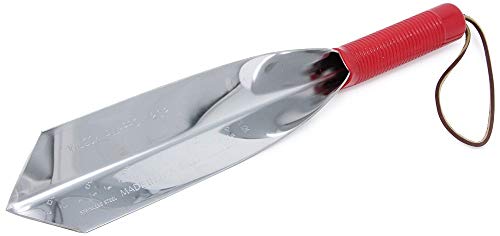
Wilcox All-Pro 202S 14″ Garden Trowel

Haliaeetus Stainless Steel Potting Soil Scoop

WORKPRO 11.5″ Dandelion Weeder Puller

SUMIO 11.6″ Serrated Alloy Trowel

SUMIO 13.3″ Forked Tip Trowel with Depth Markings

WORKPRO 5-in-1 Stainless Steel Weeder Trowel

WORKPRO Weed Puller with V-Shaped Forks
SUMIO Mini Indoor Plant Tool Set with Storage Bag
A Breakdown Of The Leading Choices
The 300S stands out the moment you pick it up. At 22 inches long with a 3-inch pointed blade, it’s built for gardeners who want to stay mostly upright while working packed beds. The 16-gauge stainless steel means the blade is heavy-duty without feeling like a crowbar, and it cuts into clay rather than scraping along the surface.
You get a plastic-coated grip for wet or muddy hands, and the longer shaft gives real leverage when prying up stubborn root systems. If you’ve been using a short trowel and ending each session with a sore back, this is the kind of upgrade that pays off across a full season.
What Works In Its Favor
- Single-piece 16-gauge stainless steel resists bending in rocky or compacted soil
- 22-inch shaft reduces the need to kneel on damp ground
- Pointed tip pierces soil cleanly for bulb planting depth
- Plastic-coated handle stays grippy in wet conditions
- Long lever arm helps pry up deep-rooted weeds with less wrist effort
Things To Consider
- Heavier than a standard hand trowel, so it can feel bulky for small transplanting tasks
- Longer shaft makes it less precise in tight container work
Who It Suits Best
Gardeners with deep beds, clay-heavy soil, or anyone wanting to reduce knee strain during long sessions.
Consider Something Else When
The Wilcox All-Pro 202S 14″ Garden Trowel is a better fit for backpackers and campers who need a compact, packable digging tool.
Think of the 202S as the shorter, trail-ready sibling of the 300S. The 14-inch length and single-piece steel build make it a natural pick for backpackers, campers, and anyone who wants a packable trowel that still feels like a real tool. The plastic-coated grip stays secure, and the leather wrist strap is a thoughtful touch for keeping the tool close during active digging.
Compared to the heavier 300S, this one trades reach for portability. Depth markings along the blade help with consistent bulb planting, and the pointed tip handles rocky ground the same way its larger sibling does. For most home gardens it’s perfectly capable, though the shorter handle does mean more kneeling.
Notable Gains
- Same rugged 16-gauge stainless steel as the heavier Wilcox trowels
- Compact 14-inch frame fits easily in a pack or toolbox
- Depth markings help with consistent planting depth
- Leather wrist strap keeps the tool from getting lost on rough terrain
Points To Note
- Shorter reach than full-length long handled trowels, so you’ll still kneel for most home garden work
- Single-purpose digging shape without serrated edges for root cutting
Made For
Campers, hunters, and gardeners who want a tough backup trowel for the trail or car trunk.
A Better Fit Elsewhere
The Haliaeetus Stainless Steel Potting Soil Scoop handles faster, cleaner work for bench-based potting and transplanting.
The Haliaeetus takes a different angle on the category. Instead of a pointed digging blade, you get a wide-mouthed scoop with roughly a one-cup capacity per load, designed for moving soil, compost, and amendments into pots. For anyone with a potting bench, a vertical planter, or a stack of nursery containers, that shape changes the speed of the work.
The stainless steel resists bending and corrosion, so it holds up to damp compost and fertilizer mixes. Owners commonly appreciate the wooden handle for comfort during repeated scooping. A one-liter pot takes around four scoops, which is a useful benchmark when you’re planning a repotting session.
Useful Highlights
- One-cup capacity reduces the number of trips between bag and pot
- Stainless steel resists rust in moist compost and fertilizer mixes
- Wide opening reaches into soil bags without spilling
- Wooden handle stays comfortable during long repotting sessions
Small Caveats
- Wide scoop shape isn’t useful for narrow transplanting holes or deep bulb planting
- Bulkier than a traditional pointed trowel, so storage takes more drawer space
Best Suited To
Container gardeners and anyone repotting houseplants or filling vertical planters on a regular basis.
Look Elsewhere When
The WORKPRO 11.5″ Dandelion Weeder Puller is the better tool for tackling taproot weeds in lawn and bed edges.
The WORKPRO dandelion weeder is built around one job: removing taproot weeds without breaking the root. The two-pronged fork slides down alongside a dandelion or thistle root, and the soft PP plus TPR handle gives a cushioned grip for the twisting motion that follows. For lawn care specifically, that targeted approach beats a general trowel.
At 11.5 inches, the length is shorter than the long handled trowels earlier in this list, but that’s typical for a dedicated weeder. The polished stainless steel resists rust, which matters when you store it in a damp shed. You may find the longer Wilcox models more comfortable for planting, but for spot weed work, the focused design pays off.
Practical Advantages
- Two-pronged fork gets under taproots without severing them
- Soft-grip handle reduces hand fatigue during repeated weeding
- Stainless steel holds up to wet soil and quick rinse cleanup
Honest Caveats
- Narrow fork design is less versatile for digging or transplanting
- Shorter handle means more bending for tall gardeners
Right Fit For
Homeowners pulling dandelions and other taproot weeds from lawn edges and flower beds throughout the growing season.
Reach For A Different Pick When
The WORKPRO Weed Puller with V-Shaped Forks is a better match for gardeners who want a leverage base to reduce wrist strain on bigger weed patches.
The SUMIO 11.6″ leans into the alloy steel side of the category. The blade is built from heat-treated chromium-molybdenum alloy, which is a step up from basic stainless in terms of edge retention and resistance to deformation. The serrated edge along one side doubles as a root saw and a bag opener, depending on the afternoon.
You get a tool that handles compacted soil, removes stones, and cuts stubborn roots without flexing. The lighter weight of alloy steel also makes it less tiring over a long session than heavier stainless options like the Wilcox 300S. For gardeners who push their tools hard, the upgrade in metallurgy is the main draw.
The Helpful Details
- Heat-treated chromium-molybdenum blade resists bending and holds an edge
- Serrated edge cuts roots and opens soil bags in one motion
- Lighter than solid stainless options for similar digging work
Where It Is Less Suited
- Shorter handle than dedicated long handled trowels, so more kneeling involved
- No depth markings on the blade for precise planting
Who Should Grab It
Gardeners dealing with heavy soil, established roots, and tough weeds who want a single tool for digging, cutting, and weeding.
Swap It Out When
The SUMIO 13.3″ Forked Tip Trowel with Depth Markings is a stronger fit when you need precise transplanting depth and a forked tip for cracking tough soil.
The longer of SUMIO’s two trowels, this 13.3″ model adds a forked V-shaped tip and printed depth markings on the blade. Those small details change how the tool performs. The forked tip cracks compact soil, lifts crabgrass, and pulls dandelions more cleanly than a flat blade. Depth markings make transplanting seedlings at consistent depths far less guesswork.
The same heat-treated alloy steel construction carries over, and the serrated edge handles root cutting. For raised-bed gardeners and anyone transplanting frequently, this is the SUMIO that earns a permanent spot by the back door. Compared to the shorter 11.6″ sibling, the extra length and forked tip make it the more versatile all-rounder.
What Stands Out
- Forked V-shaped tip reaches deep-rooted plants in compact soil
- Printed depth markings support consistent transplanting
- Alloy steel blade stays sharp and resists deformation
- Serrated edge handles tough roots and bag opening
Factors To Consider
- Shorter than true long handled trowels, so it doesn’t replace standing tools
- More features packed in means more edges to keep clean after use
Perfect Match For
Raised-bed gardeners and transplanters who want one tool to dig, weed, and measure planting depth.
Where Another Pick Suits Better
The WORKPRO 5-in-1 Stainless Steel Weeder Trowel is the stronger choice for gardeners who want a single multi-function blade for varied tasks.
The 5-in-1 lives up to its name by combining a forked weeder, serrated edge, scraping edge, depth scale, and a small cutting notch for twine. For gardeners who prefer to grab one tool and handle whatever comes up, that versatility is the main draw. The polished stainless steel construction keeps it light enough for extended use.
It’s shorter than a true long handled trowel, so it isn’t a replacement for the Wilcox 300S on deep bulb planting. But for a tool-belt carry during routine maintenance, weeding, and light digging, the all-in-one approach is hard to beat. The cutting notch is also handy for opening seed packets and trimming plant ties.
Advantages To Know
- Five functions cover most small garden tasks in one tool
- Forked head tackles weeds and supports deeper digging
- Cutting notch handles twine, plant ties, and seed packets
- Lightweight stainless steel keeps hand fatigue low
Possible Compromises
- Not as deep-reaching as dedicated long handled trowels
- Multiple functions mean each one is a compromise versus a specialist tool
Whose Shelf It Belongs On
Gardeners who want a single tool for routine weeding, light digging, and cutting jobs around the yard.
Skip It When
The Haliaeetus Stainless Steel Potting Soil Scoop handles potting bench work faster and cleaner than any pointed weeder.
The standout feature here is the curved metal base. You rest it on the ground, sink the V-shaped forks into the soil around a weed, and use the base as a fulcrum to pry the root up. That mechanical advantage matters when you’re working a larger bed and don’t want to wear out your wrist on every pull.
The polished stainless steel resists rust and handles damp soil well, which simplifies cleanup. Compared to the WORKPRO 11.5″ Dandelion Weeder, this model trades the soft grip for a leverage system. For most home gardeners, the choice comes down to whether the curved base fits your style of weeding.
Bright Spots
- Curved base provides leverage for easier weed extraction
- V-shaped forks dig around roots for cleaner pulls
- Polished stainless steel resists rust and cleans up quickly
Practical Considerations
- Specialty shape means it isn’t useful for transplanting or digging
- Shorter than full long handled trowels for standing work
Built With In Mind
Gardeners maintaining larger weeding areas who want less wrist strain over a long session.
Not Your Match When
The SUMIO 13.3″ Forked Tip Trowel with Depth Markings is the stronger fit for gardeners who want one tool for weeding and transplanting alike.
The Mini Garden Tool kit shifts the conversation from outdoor beds to desktops and windowsills. You get a mini trowel, transplanter, cultivator, and bypass shears, all sized for succulent pots and small houseplant containers. The included storage bag has a two-section extension that pulls out into a small tool holder, which is genuinely clever for keeping things tidy on a shelf.
These tools aren’t built for outdoor beds, and they aren’t trying to be. For office desks, kitchen counters, and craft rooms with a row of small plants, the scale matches the work. Compared to the larger SUMIO trowels earlier in this list, the trade is reach for compactness.
The Value In It
- Four tools cover the routine needs of small potted plants
- Two-section storage bag doubles as a portable tool holder
- Compact scale suits desks, shelves, and windowsills
Points To Keep In Mind
- Not designed for outdoor beds or larger digging tasks
- Smaller tools mean more effort for any bigger plant work
Who Will Love This
Office workers, apartment dwellers, and hobbyists tending small succulents and houseplants in tight indoor spaces.
Another Choice May Suit
The Haliaeetus Stainless Steel Potting Soil Scoop is the better pick for anyone repotting full-size houseplants on a regular schedule.
Picking A Long Handled Trowel That Actually Fits Your Garden
The right long handled trowel comes down to soil type, body comfort, and how often you kneel. Blade material is the first spec that matters. Stainless steel like the Wilcox 300S handles rocky clay and resists corrosion, while chromium-molybdenum alloy, found on the SUMIO 11.6″ model, balances edge retention with lighter weight. Both approaches are durable, but the feel in hand is noticeably different.
Reach is the second decision point. A 22-inch shaft keeps you mostly upright during deep bulb planting, while an 11-inch trowel forces you to kneel for nearly every task. Gardeners with back or knee concerns get the most from the longer tools. Shorter trowels win on precision and packability.
Specialty shapes serve specific jobs. Forks and V-shaped tips (WORKPRO 11.5″, WORKPRO V-Forks) pull taproots more cleanly than flat blades. Serrated edges cut through woody roots and open soil bags. Scoop-style heads (Haliaeetus) speed up potting bench work. A multi-function 5-in-1 trades peak performance for versatility.
For indoor and small-space plant care, mini kits like the SUMIO set scale the design down to desktop size. They’re not substitutes for outdoor tools, but they fill a different gap entirely.
Key Considerations Across These Picks
Mistakes Worth Dodging
The most common slip is choosing a trowel by blade shape alone and ignoring the handle. Long handled trowels earn their keep when the shaft length matches your body and your bed height. A 22-inch trowel feels awkward at a low raised bed, and an 11-inch trowel will wear out your knees on in-ground work. Another trap is assuming heavier means stronger: a thick, soft steel blade can bend where a thinner, properly heat-treated alloy won’t. Material grade and treatment matter more than raw weight.
What The Higher Tier Buys
Stepping up from a basic trowel to a premium model typically means better metallurgy, more refined blade geometry, and longer reach. The Wilcox 300S earns its position with single-piece 16-gauge stainless construction, while the SUMIO alloy steel models add heat treatment for edge retention. Higher-tier tools also tend to include thoughtful details like depth markings, forked tips, and ergonomic grips that compound over years of use. The upgrade pays off most for gardeners who work their tools hard each week, less so for casual weekend use.
Frequently Asked Questions
What length of long handled trowel is best for raised beds?
For waist-high raised beds, an 11 to 14-inch trowel gives the most control without feeling unwieldy. For in-ground beds where you want to stay mostly upright, 22-inch options like the Wilcox 300S reduce the need to kneel. The right length depends on your bed height and how much bending your back can handle.
Is stainless steel or alloy steel better for a trowel blade?
Stainless steel resists corrosion and handles rocky soil well, making it a solid all-around choice. Alloy steel, especially heat-treated chromium-molybdenum, holds an edge longer and weighs less, but may need a light oiling now and then. Both outperform basic carbon steel for longevity in damp garden conditions.
Can a long handled trowel replace a stand-up weeder?
A long handled trowel covers more ground than a hand weeder, but it isn’t a true replacement for a fulcrum-style stand-up weeder. For extensive dandelion or thistle patches, a tool with a leverage base reduces wrist strain. For mixed digging and weeding, a longer trowel is more versatile.
How do you clean and store a stainless steel garden trowel?
Rinse off soil after each use, dry the blade to prevent water spots, and store the trowel in a dry shed or garage. A light coat of oil on the blade once a season helps prevent surface oxidation, especially on alloy steel models. Keeping the grip dry extends the life of plastic and wooden handles.
Are serrated edges on trowels actually useful?
Serrated edges earn their place when you’re cutting woody roots, opening soil bags, and sawing through tough weed crowns. They’re less useful for clean transplanting or bulb planting, where a smooth edge slices through soil more cleanly. Many gardeners find a serrated edge on one side of the blade is the right balance.
The Takeaway
The best long handled trowel is the one that matches your soil, your body, and the kind of work you actually do. Heavy clay and deep bulb planting call for the long, rugged Wilcox 300S. Backpacking and quick garden jobs fit the compact 202S. Specialty tasks like weeding, scooping, and indoor plant care have purpose-built options further down this list. Match the tool to the task, and the work gets noticeably easier.