Healthy soil is the foundation of any thriving garden, and the right amendment makes a measurable difference in how plants grow, bloom, and resist stress. Picking the best manures for plants comes down to matching the product to your soil type, your crop, and the way you prefer to feed. This roundup covers organic castings, balanced soluble feeds, mineral amendments, and specialty pH adjusters so you can match a product to your situation rather than guess in the aisle.
The Picks In Brief
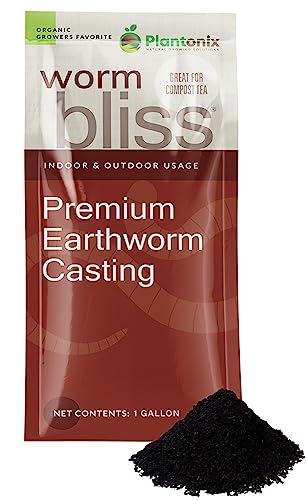
Worm Bliss Organic Worm Castings 4 Qts

Brut Worm Farms Organic Worm Castings 30 lb
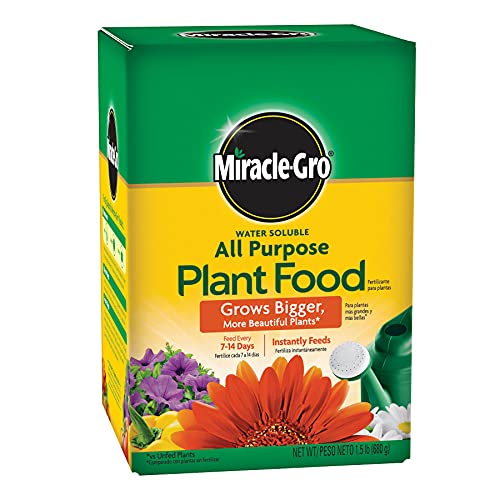
Miracle-Gro Water Soluble All Purpose Plant Food 1.5 lb

Burpee Bone Meal Fertilizer 3 lb

Worm Bliss Organic Worm Castings 1 Qt

Worm Bliss Organic Worm Castings 8 Qts

Earth Science Fast Acting Lime Granules 5 lb

Earth Science RevitaSoil 4 lb Soil Revitalizer

Earth Science Fast Acting Gypsum Granules 5 lb

Earth Science Fast Acting Sulfur Granules 5 lb
Meet The Standout Selections
If your goal is a versatile organic amendment that slips into almost any soil mix, this four-quart bag of worm castings earns the top slot. OMRI-listed (meaning a third-party has verified it for organic production), it carries the slow-release nitrogen, phosphorus, and potassium profile that gardeners have leaned on for generations.
For raised beds, container herbs, and window-box tomatoes, the texture blends easily into existing potting soil without the chunky debris you sometimes get from cheaper composts. Compared to the bulkier Brut Worm Farms option reviewed later, this size is easier to handle and store in a small garage or shed.
Everyday Wins
- Approved for organic gardening through OMRI listing
- Improves soil structure and water retention in containers
- Mild nutrient profile that won’t burn seedlings or young transplants
- Reasonable four-quart size for most home gardeners
- Vegan and manure-free formulation suits plant-based gardeners
Things To Consider
- Four quarts covers only a small bed; large plots need multiple bags
- Works slowly; not a fix for nutrient-starved plants overnight
- Should be stored dry to prevent the castings from compacting or molding
Who It Suits Best
Container gardeners and beginners building their first organic beds who want a gentle, broad-spectrum amendment.
Look Elsewhere When
You need to refresh a large in-ground plot, where the Brut Worm Farms 30-pound bag covers more ground per session.
When the project goes beyond a single raised bed, a thirty-pound bag of castings turns a soil overhaul into a one-trip job. Brut Worm Farms raises worms indoors in controlled containers, which typically translates into cleaner, more consistent castings than bin-harvested alternatives.
This is the size you reach for when establishing a new vegetable garden or rebuilding compacted soil at the start of a season. It’s not as convenient to lug to an apartment balcony as the smaller Worm Bliss quart, but the bulk format suits serious home growers.
The Helpful Details
- Certified organic input material from an indoor worm operation
- Single-bag coverage for most backyard vegetable plots
- Loosens heavy soils over a season of repeat applications
- Natural source of beneficial microbial life for depleted ground
Honest Caveats
- Thirty pounds is awkward to move without a hand truck
- Strong earthy smell right after opening until the castings settle
- Excess moisture during shipping can occasionally clump the contents
Made For
Home growers managing a full backyard garden who want one bulk purchase instead of stacking smaller bags.
Consider Something Else When
You only tend a windowsill or small balcony, where the one-quart Worm Bliss format is far easier to manage.
For gardeners who measure results in weeks rather than seasons, a water-soluble feed delivers nutrients the moment roots can absorb them. This 1.5-pound jar dissolves cleanly into a watering can and works across flowers, vegetables, and houseplants alike.
The catch is that soluble feeding is a different job than the slow-release castings from Worm Bliss reviewed above; think of it as a supplement rather than a soil conditioner. It shines when you want to push a tired hanging basket back into bloom or give a vegetable bed a midseason boost.
Useful Strengths
- Mixes into water for fast nutrient uptake through leaves and roots
- Safe formulation that won’t burn plants when used at recommended rates
- Compatible with indoor and outdoor containers, beds, and shrubs
- Compact 1.5-pound size stores neatly on a potting bench
Points To Keep In Mind
- Requires repeat applications every one to two weeks during the growing season
- Doesn’t build long-term soil structure the way castings do
Best Suited To
Gardeners who want visible results quickly and don’t mind a regular feeding routine through summer.
A Better Fit Elsewhere
You prefer a once-per-season application, where Worm Bliss Organic Worm Castings do the slow work for you.
Bone meal is a classic phosphorus source, and Burpee’s OMRI-listed version keeps it accessible for organic gardeners. Phosphorus drives root development and flowering, so this product matters most when you’re setting up transplants or feeding fruiting crops.
Three pounds covers a decent run of tomato or pepper transplants at planting time. Unlike the water-soluble Miracle-Gro above, bone meal releases slowly and builds into the soil profile rather than washing through after a single watering.
Positive Takeaways
- Slow-release phosphorus and calcium for roots, blooms, and fruit set
- OMRI listing allows use in certified organic food gardens
- Won’t burn plants at typical application rates
- Useful for bulbs, tomatoes, and peppers specifically
Trade Offs
- Works poorly in very acidic or very alkaline soils where phosphorus gets locked up
- Attracts pets and wildlife if tilled into the surface without covering
Who Will Love This
Vegetable gardeners planting tomatoes, peppers, or flowering bulbs who want to support root growth early in the season.
Reach For A Different Pick When
Your soil pH is far outside the 6.0 to 7.0 range, where Earth Science Fast Acting Lime or Sulfur Granules will free up nutrients first.
A one-quart bag is the right scale for a small apartment gardener who keeps a handful of pots on a fire escape. It’s the same OMRI-listed worm casting formula as the four-quart version reviewed earlier, just in a starter-friendly package.
If you’re trialing castings for the first time or topping up a single houseplant, this format keeps cost and waste low. Larger plantings quickly outgrow it, at which point stepping up to the four- or eight-quart size becomes the practical move.
Advantages To Know
- OMRI-listed organic amendment in a low-commitment size
- Easy to store on a shelf or in a closet without taking over the closet
- Mixes into seed-starting mixes without burning tender roots
Some Limits To Know
- One quart covers only a few small pots per application
- Per-pound cost runs higher than the larger Worm Bliss formats
Perfect Match For
Indoor gardeners and seed starters who want just enough organic matter to test the difference in a handful of pots.
Skip It When
You maintain a full vegetable bed or large container collection, where the Worm Bliss 8 Qts or Brut Worm Farms 30 lb gives more value per quart.
The eight-quart Worm Bliss bag sits in the middle of the line, sized for someone with several raised beds or a long flower border. It carries the same OMRI-listed castings as the smaller Worm Bliss formats reviewed above, so quality stays consistent across the range.
This is the volume to choose when you’ve outgrown the four-quart bag but don’t need the thirty-pound bulk option. For a mid-sized kitchen garden, eight quarts typically lasts an entire growing season with room left for a fall soil refresh.
Practical Pluses
- Mid-range size fits a half-dozen raised beds comfortably
- Same organic-certified formula as the smaller Worm Bliss bags
- Improves moisture retention in sandy or tired garden soil
- Light enough for most gardeners to carry without help
Worth Noting
- Still on the smaller side for a full-acre homestead
- No built-in handle, so a bucket comes in handy for transport
Right Fit For
Growers with multiple raised beds or established flower borders who need a season’s worth of organic matter in one purchase.
Another Choice May Suit
You tend a large in-ground plot, where Brut Worm Farms Organic Worm Castings 30 lb is the more economical step up.
Soil pH controls whether nutrients are actually available to plant roots, no matter how much fertilizer you add. Earth Science’s fast-acting lime granules raise acidic soil toward neutral, unlocking the minerals that have been locked in place.
Granular lime spreads cleanly with a broadcast spreader or by hand, and it begins adjusting pH right away rather than over several seasons. Run a soil test before applying, since lime in already-alkaline soil creates different problems than the ones it solves.
Where It Helps
- Raises soil pH in acidic lawns and garden beds
- Granular format spreads evenly with standard lawn equipment
- Nutri-Bond technology limits nutrient runoff into nearby waterways
- Provides calcium for stronger plant cell walls
Factors To Consider
- A soil test is essential before use to avoid over-liming
- Five pounds treats a modest lawn area, not a full acre
Whose Shelf It Belongs On
Lawn-care focused gardeners in regions with naturally acidic soil who want quick pH correction without waiting seasons.
Swap It Out When
Your soil pH reads high rather than low, where Earth Science Fast Acting Sulfur Granules will move things in the opposite direction.
RevitaSoil combines worm castings with additional organic matter and microbial life in one blend, taking some of the guesswork out of soil building. Coverage tops out at sixteen square feet per four-pound bag, so a single application stays focused on a specific bed or planting area.
This is the option to reach for when a planting area has been pushed hard and feels spent, perhaps after years of tomatoes in the same spot. The castings inside overlap with the Worm Bliss products reviewed above, but the broader biological mix is the differentiator here.
The Upside
- Blends worm castings with supplemental nutrients and soil biology
- Designed for depleted beds that need more than a basic amendment
- Suitable for indoor and outdoor vegetable, flower, and herb plantings
- Single-application format for up to sixteen square feet
Points To Note
- Coverage area is limited; larger gardens need multiple bags
- Pricing per square foot runs higher than plain castings alone
Built With In Mind
Gardeners rehabilitating worn-out soil who want a richer biological blend than straightforward castings provide.
Where A Sibling Pick Shines
You’re working with healthy soil that just needs feeding, where Worm Bliss Organic Worm Castings 4 Qts keeps things simple.
Gypsum fixes a specific problem: dense, clay-heavy soil that won’t drain and won’t let roots push through. Earth Science’s granular gypsum breaks up compaction and adds calcium without shifting pH the way lime does, which matters for gardeners who need structural relief more than alkalinity adjustment.
The Nutri-Bond runoff reduction is a useful touch in areas where irrigation carries nutrients toward storm drains. Pair gypsum with regular organic additions rather than relying on it alone for long-term soil building.
Features That Help
- Loosens compacted clay and improves water penetration
- Adds calcium without raising or lowering soil pH
- Helps repair salt damage from de-icing or coastal exposure
- Nutri-Bond binding reduces nutrient wash-off during rain
Worth Bearing In Mind
- Structural improvements take repeat applications over seasons
- Five-pound bag handles a small area; large yards need more
Who Should Grab It
Gardeners wrestling with heavy clay soil or coastal salt issues who need structural relief alongside calcium nutrition.
Not Your Match When
Your soil already drains well and you mainly want organic matter, where Worm Bliss Organic Worm Castings is the simpler answer.
Acid-loving plants such as blueberries, azaleas, and hydrangeas struggle in alkaline soil because iron and other micronutrients become unavailable. Earth Science’s fast-acting sulfur granules lower pH so those plants can actually feed themselves.
This product pairs naturally with the lime granules reviewed earlier: lime for acidic ground, sulfur for alkaline ground. A basic home soil test tells you which one your beds actually need.
Strengths Worth Knowing
- Lowers soil pH for acid-loving shrubs and fruiting plants
- Granular form spreads easily and works quickly after watering in
- Nutri-Bond reduces nutrient runoff during heavy rainfall
- Long-lasting effect across a full growing season
Potential Sticking Points
- Over-application can swing pH too far and harm nearby plants
- A soil test is essential to confirm sulfur is actually the right fix
The Right Fit
Growers cultivating blueberries, azaleas, or hydrangeas in regions with naturally alkaline soil who need a reliable pH reducer.
Skip It When
Your soil already runs acidic, where Earth Science Fast Acting Lime Granules will balance conditions instead.
Choosing The Right Soil Amendment For Your Garden
Selecting among the best manures for plants really comes down to three questions: what your soil already contains, what your plants need, and how often you want to apply. Castings and bone meal build soil over months; soluble feeds push quick growth; lime, gypsum, and sulfur correct structural or pH problems that limit everything else.
Match The Product To The Crop
Fruiting vegetables and flowering ornamentals respond well to phosphorus sources like Burpee Bone Meal. Leafy greens and lawn grass need nitrogen-rich options, which is where castings and soluble feeds earn their place. Specialty crops such as blueberries and azaleas almost always require pH adjustment with sulfur before any fertilizer works well.
Think About Application Frequency
Slow-release amendments like worm castings and bone meal feed soil biology over a season, asking for one or two applications per year. Water-soluble plant food feeds plants directly and asks for repeat applications every week or two during the growing season. Pick a rhythm that fits how much time you want to spend in the garden.
Consider Soil Tests Before Specialty Products
Lime, gypsum, and sulfur all change soil chemistry in ways that can swing too far without guidance. A simple home soil test kit, available at garden centers and through cooperative extension offices, tells you whether your pH is high, low, or balanced, and which amendments are worth the spend.
Key Considerations Across These Picks
Where Shoppers Go Wrong
The most common slip is reaching for fertilizer before checking soil pH, then wondering why nutrients don’t seem to help. Another frequent miss is buying castings or bone meal at the same time as lime or sulfur without realizing that pH extremes lock nutrients away. Run a soil test first, then add the amendment that addresses the actual problem rather than guessing.
Where The Extra Money Goes
Higher-priced options like Earth Science RevitaSoil bundle castings with biological additives and convenience coatings that plain castings don’t include. You’re paying for the blend and the research behind it, which makes sense when soil is depleted. For routine feeding of healthy beds, a straight OMRI-listed casting delivers the same core benefit at a lower per-pound cost, and the upgrade pays off mainly when soil needs serious rebuilding.