Walking past a windowsill full of sad, droopy leaves is one of the most frustrating moments in indoor gardening. The soil looks fine, the light seems right, and the watering schedule feels consistent, yet something is clearly off. The missing piece is almost always nutrition: indoor pots run out of usable nutrients fast, and a well-matched liquid feed turns leggy survivors into thriving, glossy specimens. This roundup covers ten well-regarded liquid and water-soluble plant foods, from the original blue-capped classic to organic capsule spikes for fuss-free weekly routines. Each pick is broken down by what it actually delivers, where it falls short, and which plant collection it suits best.
How The Shortlist Stacks Up

Miracle-Gro Water Soluble Azalea Plant Food, 5 lb.

MiracleGro LiquaFeed All Purpose Plant Food Refill Pack, 16 oz. (8 Count)
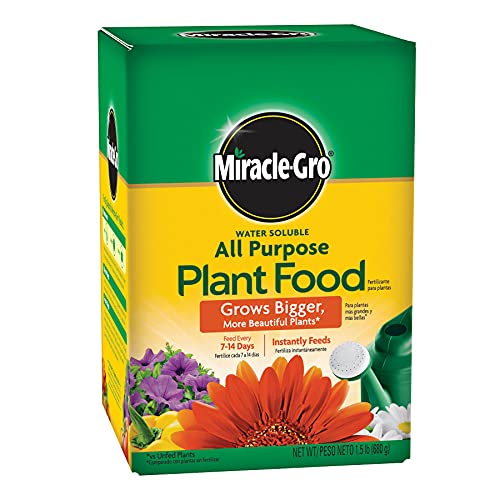
Miracle-Gro Water Soluble All Purpose Plant Food, 1.5 lb.

Miracle-Gro Water Soluble Bloom Booster Flower Food, 1 lb.

Miracle-GRO LiquaFeed Bloom Booster Flower Food
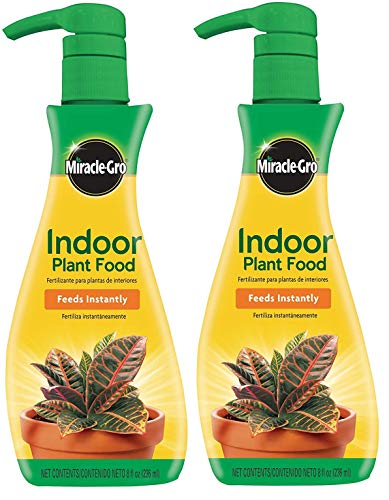
Miracle-Gro Indoor Plant Food, 8-Ounce (2 Pack)

Miracle-Gro LiquaFeed All Purpose Plant Food Refill, 16 oz. (4-Pack)

Earth Pods Organic Succulent & Cactus Fertilizer Spikes, 100 Capsules

Earth Pods Organic African Violet Fertilizer Spikes

Earth Pods Organic Indoor Plant Food for Houseplants, 100 Capsules
More On The Choices That Made The List
Most general-purpose feeds miss the mark on acid-loving plants, and that’s the gap this 5-pound jug is built to close. It targets azaleas, camellias, and rhododendrons, but the same low-pH formula works on gardenias, hibiscus, hollies, hydrangeas, and orchids that struggle in neutral tap water. You dissolve the powder in your watering can and soak the root zone, which means feeding and watering happen in one pass.
For anyone with a shaded porch full of camellias or a sunroom of moth orchids, this fill-the-bucket format is genuinely economical. The catch is the bulk: 5 pounds of powder lasts a long time, and you’ll want a sealed container to keep moisture out.
Practical Pluses
- Formulated for acid-loving species that typical all-purpose feeds ignore
- Powder format lets you mix only what you need, reducing waste
- Large 5-pound size suits gardeners with multiple flowering shrubs or a collection of orchids
Trade Offs
- You’ll need to measure and mix each feeding, which slows down quick weekly routines
- Loose powder absorbs humidity, so a dry storage bin is essentially required
- Overkill for a single windowsill pothos or two
Right Fit For
Gardeners tending azaleas, gardenias, camellias, rhododendrons, or orchids in pots and beds who want a dedicated acidic formula.
Look Elsewhere When
You only need to feed a handful of mixed houseplants, in which case Miracle-Gro Indoor Plant Food (8-Ounce) is the simpler, no-mix choice.
The LiquaFeed system already has a feeder, and this eight-bottle refill pack is what keeps the assembly line moving all season. Each 16-ounce bottle snaps into the universal feeder, mixes automatically with hose water, and feeds your beds, borders, and containers in a single pass. You walk the hose, and the plants get watered and fed at the same time.
For a household with a yard full of mixed ornamentals, eight bottles covers a full growing season without restocking. The trade-off shows up if you don’t already own the LiquaFeed feeder, because the bottles alone don’t do much without that hardware.
Everyday Perks
- Eight-bottle supply means fewer reorders during peak season
- All-purpose formula covers flowers, vegetables, trees, and shrubs in one product
- Hose-end feeding is faster than filling a watering can for large areas
Worth Noting
- Requires the Miracle-Gro LiquaFeed Universal Feeder, sold separately
- Liquid refills are bulkier to store than dry powders in tight garden sheds
Key Attributes
Made For
Active gardeners already running the LiquaFeed hose-end system who want a season’s worth of all-purpose refills in one shipment.
A Better Fit Elsewhere
You don’t yet own the feeder; pick up the Miracle-Gro Water Soluble All Purpose Plant Food (1.5 lb.) and a basic watering can instead.
The familiar blue-capped jar is the workhorse of the line, and the 1.5-pound size is the sweet spot for most households. You scoop, mix in a watering can, and feed anything from a fiddle leaf fig to a tomato bed. It’s marketed as safe for all plants when used as directed, which removes the guesswork for new plant parents.
Versus the bulk 5-pound Azalea formula earlier in this list, this one trades specificity for flexibility. The trade-off is that the all-purpose N-P-K ratio (the three numbers on a fertilizer label, representing nitrogen, phosphorus, and potassium) won’t push acid-lovers into their best blooming form, but for a generalist with mixed houseplants and a small vegetable patch, the convenience is hard to beat.
Features That Help
- Safe for all plants, indoors and out, when used as directed
- Dissolves quickly for same-day uptake
- Compact 1.5-pound jug fits on a shelf or under a sink
Soft Spots
- Requires measuring and a watering can every feeding
- Not optimized for acid-loving bloomers like gardenias and azaleas
Who It Suits Best
Casual indoor gardeners and patio growers who want a single, reliable all-purpose feed for a mix of houseplants, flowers, and edibles.
Skip It When
You mostly grow acid-lovers, in which case the Miracle-Gro Water Soluble Azalea Plant Food (5 lb.) is the better-targeted choice.
The 10-52-10 ratio is the headline here: that middle number is phosphorus, and it’s the nutrient plants channel into flower and bud production. This water-soluble powder is designed for the stretch of the growing season when annuals, perennials, and container blooms need a push, and it dissolves fast enough to act on the next watering pass.
It pairs naturally with window boxes and hanging baskets where flowering is the whole point. The honest read is that this is a specialist’s tool, not an everyday feed: using it on leafy houseplants produces more roots and stems than you can see, and it doesn’t replace a balanced routine.
The Upside
- High-phosphorus formula targets blooms directly
- Dissolves in water for fast uptake during the flowering window
- Compact 1-pound pouch stores easily in a shed or closet
Points To Keep In Mind
- Not designed for general houseplant maintenance; leaf-focused plants don’t need this much phosphorus
- Still requires mixing and measuring each time
Feature Snapshot
Perfect Match For
Patio gardeners with window boxes, hanging baskets, and annual flower beds who want a dedicated bloom-phase boost.
Reach For A Different Pick When
You’re maintaining a general houseplant collection; the Earth Pods Organic Indoor Plant Food capsules are a cleaner, no-mix alternative.
Take the bloom-boosting logic of the powder version and run it through a hose-end LiquaFeed bottle, and you get this: a liquid concentrate formulated for flowering plants that snaps into the same feeder as the all-purpose refill. The premise is simple. You walk the patio once a week, water, and feed at the same time, with a formula tuned for color production rather than leafy growth.
For people with established flower beds, this is meaningfully faster than mixing powder in a can. You’ll want to keep extra refill bottles on hand if your flower coverage is wide.
Key Advantages
- Liquid format pairs with the LiquaFeed Universal Feeder for hands-free mixing
- Bloom-focused formula targets flowering annuals and perennials
- Faster application than powder mixing for large flower beds
Possible Compromises
- Still tied to the LiquaFeed feeder ecosystem
- Overkill for a single window box of petunias
Who Should Grab It
Patio gardeners with broad flower beds who already use the LiquaFeed hose-end system and want a bloom-targeted refill.
Where Another Pick Suits Better
You’re growing a few flowering containers, not a full bed. In that case, the Miracle-Gro Water Soluble Bloom Booster Flower Food (1 lb.) with a basic watering can is the simpler fit.
This is the lowest-friction entry on the list, and the one most first-time plant parents actually need. The 8-ounce bottle comes with a built-in dropper, so you add a few pumps directly into your watering can without measuring powder or mixing concentrate. Two bottles in the pack mean you’ve got a backup ready when the first runs dry mid-routine.
The trade-off is straightforward: liquid feeds at this concentration cost more per feeding than a powder jug, and you’ll burn through the bottle faster with a large collection. The honest read is that this product is built for convenience, not for economy.
What Earns Its Place
- No-mix squeeze bottle removes every barrier to feeding regularly
- Two-pack provides a backup bottle and saves a reorder
- Compact size fits in a kitchen drawer or under a sink
A Few Limitations
- Higher cost per feeding than the powder alternatives on this list
- Liquid bottles are heavier to ship and store than dry formulas
Quick Facts
Best Suited To
New plant parents and casual houseplant owners who want a no-fuss weekly feeding without measuring or mixing anything.
Swap It Out When
You want an organic option with zero measuring, in which case the Earth Pods Organic Indoor Plant Food capsules replace both mixing and droppers.
Same all-purpose formula as the eight-pack reviewed earlier, but compressed into a more manageable four-bottle carton for households that don’t blow through a full season’s supply. Each bottle connects to a standard garden hose via the LiquaFeed feeder, mixes automatically, and feeds in-ground and container plantings as you water.
You may find the four-bottle count fits households that feed a smaller yard or rotate through feed and water days. Compared to the eight-pack, the per-bottle economics are slightly different, so it depends on how quickly you’ll actually use the supply.
Strong Points
- All-purpose formula handles flowers, vegetables, trees, and shrubs
- Connects to a standard garden hose for in-line feeding
- Four-bottle pack suits mid-sized yards without overcommitting shelf space
Honest Caveats
- Requires the LiquaFeed feeder accessory to function
- Less cost-efficient per bottle than the larger eight-pack
Built With In Mind
Existing LiquaFeed feeder owners with mid-sized yards who want a smaller restock than the eight-bottle pack.
Not Your Match When
You have a larger property, in which case the MiracleGro LiquaFeed All Purpose Plant Food Refill Pack (8 Count) covers more ground per season.
Succulents and cacti run on a different feeding calendar than leafy houseplants, and this Earth Pods tube is built for that slower rhythm. Each tube holds 100 concentrated capsules, and you push one into the gritty potting mix or open it and sprinkle over a pebble substrate. The slow-release organic formula delivers gentle nutrition right at the root zone without overwhelming dry-climate plants.
You may find this format more pleasant than powders and liquids, since there’s no measuring, no mixing, and no smell. The trade-off is that each capsule feeds a single plant, so the count matters for collection size.
Where It Helps
- Slow-release organic formula is gentle on drought-adapted species
- 100 capsules per tube covers a meaningful collection
- No mixing, no measuring, no mess or smell
Details To Watch
- Each capsule is a single feeding, so larger collections burn through tubes faster
- Specialized to succulents and cacti, not a general houseplant feed
Feature Snapshot
Whose Shelf It Belongs On
Collectors of succulents, cacti, and other dry-climate houseplants who want a clean, organic feeding routine.
Another Choice May Suit
Your collection is more leafy than spiky, in which case the Earth Pods Organic Indoor Plant Food capsules cover a wider range of foliage houseplants.
African violets have a reputation for being finicky, and the truth is most of that comes from inconsistent feeding. These organic capsules deliver balanced, slow-release nutrition straight to the root zone, and you push one into the potting soil near the stem, water as usual, and walk away. The 100-capsule count supports a serious violet collection.
Versus liquid violet foods that need measuring and re-mixing, the capsule format removes every excuse to skip a feeding. You may find this especially helpful if your violets sit on a plant stand with no nearby sink for mixing runs.
Everyday Wins
- Slow-release formula supports steady reblooming cycles
- Pre-measured capsules eliminate drops to count and mixing
- Organic composition suits growers avoiding synthetic feeds
Less Ideal Details
- Specialized to African violets and similar gesneriads, not versatile across mixed houseplants
- One capsule per feeding means tube turnover depends on collection size
Who Will Love This
African violet enthusiasts with multiple plants who want clean, consistent feeding without the measuring ritual.
Where A Sibling Pick Shines
You grow a mix of foliage and flowering houseplants rather than a focused violet collection, in which case the Earth Pods Organic Indoor Plant Food capsules are the more flexible pick.
The general-purpose Earth Pods tube is the closest thing on this list to “feed and forget” for a wide houseplant collection. You push one capsule into the soil near the stem, water, and the slow-release organic formula carries the plant for weeks. The tube’s 100-count covers small to medium collections with room to grow.
Compared to the more specialized Earth Pods tubes earlier in this list, this one trades plant-specific tuning for breadth. The honest read is that broad-spectrum organic feeding won’t match the precision of a dedicated violet or succulent formula, but for mixed shelves of pothos, philodendrons, and monsteras, the convenience wins.
The Value In It
- No measuring, no mixing, no mess, no smell, in any room of the house
- Organic slow-release formula suits growers avoiding synthetic ingredients
- 100 capsules per tube support a meaningful indoor collection
Factors To Consider
- Dosing scales with plant size, so large floor plants use multiple capsules per feeding
- Less targeted than the dedicated succulent or African violet tubes
Right Fit For
Indoor gardeners with mixed houseplant collections who want a clean, organic routine that fits into a busy week.
Where Another Pick Suits Better
You keep a focused succulent or violet collection, in which case the matching Earth Pods specialty capsules deliver better-targeted nutrition.
Choosing The Right Indoor Liquid Feed For Your Collection
Picking the right plant food comes down to matching three things: the plants you actually grow, how you prefer to apply the feed, and how much routine you can sustain week after week. The format matters as much as the nutrient profile, because the best fertilizer is the one you actually remember to use.
Match The Formula To The Plant Family
Acid-loving species like azaleas, gardenias, and rhododendrons want a low-pH formula such as the Miracle-Gro Water Soluble Azalea Plant Food, because their roots struggle to pull iron from neutral or alkaline soils. African violets and other gesneriads respond better to steady, gentle feeding, which is where the Earth Pods African Violet capsules shine. Mixed houseplant collections of pothos, philodendrons, and monsteras are well served by balanced all-purpose feeds, whether in powder or capsule form. Bloom-focused annuals and container flowers want higher phosphorus ratios, which is what the bloom booster products deliver.
Pick The Format You Will Actually Use
Powdered water-soluble feeds are economical and shelf-stable, but they require measuring and a watering can every time. Liquid concentrates and ready-to-use dropper bottles are faster but cost more per feeding. Hose-end LiquaFeed refills are ideal for larger yards but tie you to specific hardware. Capsule spikes sit in the middle: pre-measured, no mixing, slow-release, and they tend to work well for small collections and forgetful waterers alike.
Plan Around Your Routine
A high-traffic patio with multiple beds justifies the LiquaFeed eight-pack. A single windowsill with two fiddle leaf figs only needs a 1.5-pound powder jug or a small bottle of ready-to-use drops. A mixed collection of twenty-plus houseplants benefits from a multi-month capsule supply. Match the packaging to the cadence you can sustain, because the most common feeding mistake is buying the right product in the wrong size.
Key Considerations Across These Picks
Common Shopping Slip Ups
The most frequent mistake is buying an all-purpose feed for a collection dominated by acid-loving plants, and then wondering why gardenias yellow and azaleas refuse to bloom. The reverse happens too, where shoppers grab a specialty formula and try to stretch it across every plant on the windowsill. The honest read is that one product rarely covers every plant family, and a small two-product rotation often beats one “do everything” jug. Another trap is ignoring format fit: the cheapest per-pound powder is a poor deal if you stop using it because measuring feels like a chore.
What The Higher Tier Buys
Specialty formulas like the Azalea blend and the high-phosphorus Bloom Booster command more attention, and the higher tier generally buys two things: nutrient ratios tuned to a specific plant family, and convenience features like built-in droppers or pre-measured capsules. The upgrade is worth it for collectors with a focused plant palette, or for anyone whose feeding routine has collapsed because the current product is too cumbersome. For general mixed houseplant collections, the standard all-purpose tier delivers most of the value at a lower entry cost, and adding one specialty product for problem plants is usually the smarter play than replacing the workhorse.
Frequently Asked Questions
How Often Should I Feed Indoor Plants With Liquid Plant Food?
Most indoor plants benefit from feeding every 1 to 2 weeks during the active growing season, with reduced or no feeding in winter when growth slows. The exact interval depends on the format: capsule spikes release slowly over weeks, while liquid concentrates often call for weekly applications.
Can I Use Miracle-Gro Outdoor Plant Food On My Houseplants?
Many Miracle-Gro water-soluble and LiquaFeed formulas are labeled for both indoor and outdoor use, so the same jug can cover your houseplants and a patio bed. The dedicated Indoor Plant Food dropper bottle is optimized for lower-light houseplant conditions, but the all-purpose and bloom booster products transfer between the two settings as long as you follow dilution directions.
Do I Need Different Fertilizers For Different Houseplants?
A balanced all-purpose feed covers most foliage houseplants, while specialty formulas make a meaningful difference for acid-loving bloomers, African violets, and succulents. Many indoor gardeners keep one general feed and one targeted product, rotating based on the plant family they’re treating.
Are Organic Capsule Fertilizers As Effective As Liquid Feeds?
Organic slow-release capsules deliver gentler, steadier nutrition rather than the quick push of a liquid feed. For most houseplants the visible results are comparable over a season, and capsules win on convenience and cleanliness. Liquids still lead for fast correction of nutrient deficiencies or aggressive bloom pushing.
What Does The Three-Number Ratio On A Fertilizer Label Mean?
The N-P-K ratio lists the percentage of nitrogen, phosphorus, and potassium, the three macronutrients plants need most. Nitrogen drives leafy growth, phosphorus supports roots and blooms, and potassium handles overall plant vigor. A 10-52-10 bloom booster is phosphorus-heavy to push flowering, while balanced formulas stay closer to equal numbers for general maintenance.
Wrap Up
The right plant food is the one that matches your collection, fits your routine, and stays on the shelf long enough to actually be used. A mixed houseplant shelf on a busy week is a different problem than a focused violet collection or a full patio of blooming annuals, and the ten picks above are organized to make that distinction obvious. Start with the format that you know you will use consistently, then choose the formula that suits the plants you grow. That sequence, routine first, formula second, is the simplest path to greener leaves and steadier blooms all year.