Clearing a stubborn tree root, cutting a clean irrigation trench, or breaking up sun-baked clay soil all ask the same question of your tools: how much punishment can it take before it quits? The picks below run the spectrum from full-size chopping tools down to compact camp-ready spades, so the right match depends on what your yard actually throws at you.
A Closer Look At The Lineup

Ashman Heavy-Duty Digging Shovel 41-Inch

Truper 5 lb Pick Mattock 36-Inch Fiberglass

HANTOP Sharp Blade Spade Shovel Flat Spade

HANTOP Mini Round Digging Shovel 28-Inch

HANTOP 4-in Trench Shovel 57-Inch Fiberglass

HANTOP Sawtooth Round Shovel 43-Inch
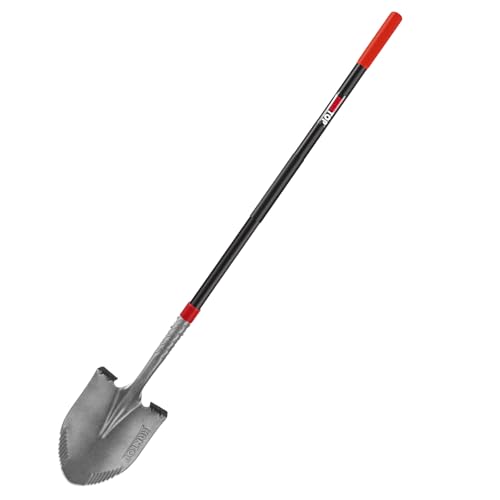
HANTOP Round Digging Shovel 58-Inch Long Handle

Haliaeetus Stainless Steel Pick Axe

Fiskars Pro IsoCore 14-In Pickaxe and Hoe
Taking A Closer Look At The Options
Starting the list with a classic: the Ashman 41-inch digging shovel is the kind of all-purpose tool that earns a permanent hook in the garage. The trenching-style point is built for slicing into soil and prying out sod, and at 41 inches it sits in a comfortable middle ground for most adults.
Compared to the heavier Truper pick mattock covered next, this Ashman leans toward scooping and cutting rather than chopping. That makes it a sensible choice if your weekend work leans toward transplanting shrubs, digging post holes for small fences, or cutting a clean edge along a flower bed.
Everyday Perks
- Trenching blade cuts through packed dirt with less wrestling than a flat spade.
- 41-inch length keeps posture reasonable for average-height gardeners.
- Works well for transplanting, sod removal, and shallow post-hole digging.
- Comfortable grip reduces hand fatigue on jobs lasting an hour or more.
Things To Consider
- Not designed for chopping thick roots the way a true mattock head can.
- Owners commonly report the handle finish benefits from an occasional light sanding to prevent splinters over time.
Who It Suits Best
Homeowners tackling general yard digging, edging, and shrub transplanting without needing a heavy breaker.
Consider Something Else When
Hard ground with thick roots calls for the Truper 5 lb Pick Mattock, which delivers real impact force.
Where the Ashman focuses on scooping, the Truper TP-5M is purpose-built for breaking ground. The 5-pound forged steel head pairs a pointed pick with a mattock-style blade, which means you swing once and you are already loosening hardpan or prying rocks loose.
The 36-inch fiberglass handle stays noticeably lighter than wood and resists weather damage that often destroys cheaper tools stored in a damp shed. A shock-absorbing grip helps tame the sting of repeated strikes, which matters more than people expect on a long afternoon of work.
Benefits That Matter
- Forged dual-head design lets you switch between prying and slicing without swapping tools.
- Fiberglass handle won’t rot, warp, or splinter in damp storage.
- Shock-absorbing grip reduces joint stress during long sessions.
- Compact 36-inch length swings easily in tight garden corners.
Honest Caveats
- Heavier head demands real swing force, so it’s not ideal for casual light digging.
- Stubby handle means more back bending compared with the longer HANTOP models later in the list.
Built With In Mind
DIYers breaking up clay, compacted gravel beds, or stubborn tree roots where scoop-style shovels bounce off.
Look Elsewhere When
Reach for the Fiskars Pro IsoCore pickaxe if longer sessions are wearing out your hands and wrists.
The HANTOP flat spade is the cleanest edging tool on this list. A flat 7.5-inch steel head with sharpened teeth along the leading edge slices through lawn edges, fibrous roots, and crusted soil far better than a smooth spade would. It weighs just 4.5 pounds, so it feels nimble rather than punishing.
Unlike the chopping-focused Truper mattock above, this one is about precision work in planting beds. Gardeners building crisp border edges, slicing through perennial roots, or working in tight perennial beds will appreciate the controlled cut.
Useful Highlights
- Sawtooth edge chews through roots that would blunt a smooth spade.
- Light 4.5-pound build is easy to control in dense planting beds.
- Fiberglass handle resists weather and stays straight in storage.
- Wide foot platform gives solid leverage when pushing into hard ground.
Points To Keep In Mind
- Flat profile doesn’t scoop loose material as cleanly as a round-point shovel.
- Sawtooth edge may need occasional filing to stay sharp in rocky soils.
Who Should Grab It
Detail-oriented gardeners focused on bed edging, perennial division, and clean root cuts.
Swap It Out When
For deep transplanting or scooping compost, the HANTOP Sawtooth Round Shovel handles bulk material better.
This 28-inch mini spade fills a niche the full-size shovels can’t touch. At only 2 pounds and a compact 28 inches, it slips into a car trunk, a kayak hatch, or a backpack for camping trips and trail work without taking up meaningful space.
The sawtooth round blade on this little HANTOP still cuts surprisingly well into packed dirt and small roots. Where the Ashman above is a yard workhorse, this one is more of an off-grid companion for tent stakes, fire pits, and emergency digging.
Everyday Advantages
- 2-pound weight is easy to carry on foot or pack in a vehicle.
- Sawtooth tip punches into compacted ground that defeats smooth blades.
- Fiberglass handle stays strong under repeated outdoor abuse.
- Handy for backcountry trips where a regular shovel is impractical.
Worth Noting
- Short handle forces kneeling or bending for most adult users.
- Not suited for serious yard projects like tree planting or post holes.
Right Fit For
Overlanders, campers, and homeowners wanting a compact backup tool for small yard tasks.
A Better Fit Elsewhere
For real garden digging at full height, the HANTOP Round Digging Shovel 58-inch is the smarter pick.
The HANTOP trench model takes the narrow-blade concept seriously. A 4-inch V-shaped head digs deep without disturbing much surrounding soil, which makes it ideal for irrigation lines, sprinkler runs, or edging that needs to stay tidy near prized plants.
At 57 inches, this is one of the longer tools here, meaning taller gardeners avoid back strain on deep trenching work. The fiberglass handle should hold up well over years of yard abuse and resists the rot that often finishes off wooden handles stored outside.
Bright Spots
- Narrow 4-inch V-blade protects nearby roots and plants during trenching.
- 57-inch length suits taller users who hate stooping on long jobs.
- 4.7-pound weight stays manageable for digging depth over time.
- Fiberglass handle needs minimal upkeep compared with wood.
Trade Offs
- Too narrow for scooping loose material like mulch or compost.
- Long handle can feel unwieldy for shorter users in tight corners.
Who Should Grab It
Homeowners installing drip irrigation, edging around shrubs, or digging narrow drainage lines.
Where Another Pick Suits Better
For cutting through mature roots while trenching, the Truper pick mattock delivers the impact this V-blade lacks.
The sawtooth round point on this 43-inch HANTOP is a clever hybrid. You get the cutting aggression of the flat spade from earlier in the list, combined with the rounded profile that scoops loose material cleanly out of a hole.
Transplanting medium shrubs, digging root balls, or working in established beds where both cutting and scooping happen in the same motion is where this tool shines. Owners commonly report the toothed edge stays sharp through a full gardening season under normal use.
What Helps Most
- Toothed round point both slices roots and scoops loose soil.
- Mid-length 43-inch handle fits average-height gardeners comfortably.
- D-shaped hand grip gives solid control when twisting or prying.
- 1050MN steel head holds up well under repeated digging cycles.
A Few Limitations
- Not optimized for heavy chopping the way the Truper mattock is.
- Tooth profile can occasionally clog in sticky clay soils.
Feature Snapshot
Best Suited To
Active gardeners dividing perennials, transplanting shrubs, or working mixed soil conditions weekly.
Not Your Match When
Big landscape grading projects call for a heavier tool like the Truper 5 lb Pick Mattock for impact work.
At 58 inches, this is the longest shovel in the HANTOP lineup, and that extra length changes how the work feels. Taller gardeners and anyone who wants to keep their back straighter during deep digging will notice the difference immediately.
The round point digs into general garden soil without drama, and the 4.9-pound weight feels balanced rather than heavy. Unlike the heavier Truper mattock, this is built for sustained scooping work rather than impact strikes.
Reasons It Performs
- 58-inch handle removes the deep knee bend from digging sessions.
- 1050 manganese steel head handles load-bearing work reliably.
- Non-slip grip stays comfortable through long transplanting jobs.
- Round point scoops cleanly for moving soil, mulch, or compost.
Trade-Offs To Consider
- Long handle can feel clumsy in tight planting beds or slopes.
- Not designed for chopping roots the way a mattock head is.
Made For
Taller gardeners and anyone with back sensitivity who digs regularly in open beds.
Another Choice May Suit
For aggressive root cutting in narrow beds, the HANTOP Sharp Blade Spade offers more bite per stroke.
The Haliaeetus pick axe earns its spot by doing two jobs in cramped quarters. A pointed end breaks up hard clay or sun-baked soil, while the flat mattock-style blade digs trenches and slices through stubborn weed roots in tight garden corners where a full-size mattock is awkward to swing.
Where the Truper mattock earlier leans into brute force, this stainless steel pick is more of a finesse tool. It slips into raised beds, between shrubs, and along fence lines where space is limited but the soil still needs breaking.
What It Does Well
- Dual heads cover breaking, trenching, and weeding in one tool.
- Compact size reaches spots a full-size mattock cannot access.
- Stainless steel head resists rust in damp storage conditions.
- Saves time versus using a hand hoe for small trench jobs.
Possible Compromises
- Wood handle may need occasional oiling to prevent drying out.
- Compact head delivers less impact than the heavier Truper model.
Quick Facts
Perfect Match For
Gardeners working in raised planters, narrow beds, or tight fence lines who still need real breaking force.
Where A Sibling Pick Shines
For long open runs of trenching, the HANTOP 4-in Trench Shovel covers ground much faster.
The Fiskars Pro IsoCore closes the list with the smartest engineering on it. The IsoCore system, which is a shock-absorbing handle construction designed to cut vibration before it reaches your hands, makes a real difference on a tool meant to be swung repeatedly.
Unlike the heavier Truper mattock from earlier, the 1.5-pound head keeps the swing fast and the fatigue low. The inseparable riveted head also means no future tightening is needed, which is a quiet but appreciated detail for a hardworking tool.
Real-World Strengths
- IsoCore shock reduction cuts vibration transmitted to hands and wrists.
- 2-in-1 design covers pickaxe and hoe functions in one head.
- Forged steel head is inseparably riveted for permanent security.
- Lighter 1.5-pound head allows faster swings with less arm strain.
A Few Limitations
- Higher price tier than most picks above for comparable core function.
- Compact 14-inch head suits detail work more than wide clearing.
Core Features
Who Will Love This
Anyone with joint sensitivity tackling multi-hour breaking, prying, and hoeing sessions in the yard.
Skip It When
For occasional light yard work, the Ashman digging shovel handles tasks at a friendlier price point.
Choosing the Right Mattock Shovel for Your Ground
Head Style and Cutting Profile
The first fork in the road is the head itself. A pointed pick end concentrates force for breaking hard ground, while a flat mattock blade slices through roots and creates cleaner trench walls. Round-point shovel heads scoop loose material best, and flat spade heads deliver the cleanest cuts for edging and dividing plants. Matching the head to your most common task matters more than picking the most aggressive-looking option, because a too-heavy head wears you down long before the job is done.
Handle Material and Length
Fiberglass handles resist weather, stay straight over time, and keep weight predictable. Wood feels traditional and absorbs some shock naturally, but it demands occasional care to prevent drying or rot. Length matters more than people expect. Anyone over six feet tall benefits from a 57-inch or longer handle, while shorter gardeners may find 36 to 43 inches far more controllable in tight beds.
Weight and Swing Fatigue
Head weight directly drives fatigue. A 5-pound head like the Truper delivers serious impact but punishes joints over long sessions. A 1.5-pound head like the Fiskars swings easier and lets you work longer, though it cannot match the raw impact of heavier tools. For most homeowners, somewhere in the 2 to 3 pound range strikes a useful balance between force and endurance.
Use Case Fit
Transplanting, edging, trenching, and breaking each favor a different tool. Narrow trenching calls for a slim V-blade. Root cutting in tight beds rewards a sawtooth spade. Pure ground breaking needs a true mattock or pick axe. Buying one tool to cover everything usually means compromise, so matching the dominant job in your yard gives the best long-term result.
Key Considerations Across These Picks
Where Shoppers Go Wrong
The most common slip is grabbing a full-size pick mattock for delicate bed work, then realizing the heavy head crushes nearby plants. The flip side is choosing a lightweight round-point shovel for breaking clay and watching it bounce off the hardpan. Soil type matters more than tool marketing, so test your ground with a simple probe before picking. Length is another quiet trap. A long tool feels productive for ten minutes and punishing for two hours on a low job.
When Paying More Pays Off
Spending up earns real benefits when the tool sees frequent use. Shock-absorbing handles like the Fiskars IsoCore protect joints during long sessions, which adds up over years. Forged, inseparably attached heads prevent the wobble that develops in cheaper tools after a season or two. For occasional weekend work, mid-tier options deliver the best balance, while daily users benefit from premium construction that holds up under repeat stress.
Frequently Asked Questions
What is the difference between a mattock and a pickaxe?
A mattock has a horizontal blade for chopping and digging, while a pickaxe has a vertical point for breaking hard ground. Many modern tools combine both ends into a single dual-head design.
Can a mattock shovel replace a regular shovel?
For digging and breaking, a mattock-style tool can replace a regular shovel in tough soil. For scooping loose material like mulch or compost, a traditional round-point shovel is faster and easier.
How heavy should a mattock head be for home use?
Most homeowners do well with heads in the 2 to 5 pound range. Lighter heads reduce fatigue, while heavier heads break ground faster but demand more strength to swing safely.
Are fiberglass handles better than wood?
Fiberglass handles resist weather damage and stay straight, while wood absorbs vibration more naturally. For tools stored outdoors or used in wet conditions, fiberglass usually outlasts wood with less upkeep.
How do I maintain a mattock shovel?
Keep the head clean and dry after use, occasionally file the cutting edge, and inspect the handle-to-head connection. Wooden handles benefit from a light coat of linseed oil once a year to prevent drying.
Closing Remarks
The right pick depends on what your yard actually asks of you. Breaking hard clay points toward a true mattock or pick axe, while transplanting and edging favor a sharp spade or round-point shovel. Match the head, length, and weight to your most common task, and the work becomes far less of a fight against your own tools.