You probably didn’t think a bag of dirt could be confusing, yet here you are staring at a wall of options that all claim to grow the best tomatoes on the block. Organic potting soils vary wildly in texture, ingredient quality, and real-world performance, so a thoughtful pick saves you money and watering headaches all season. This guide breaks down ten reliable options for container gardens, raised beds, seed starting, and full backyard renovations. Each review explains what the mix is built from, who it suits, and where another option might serve you better.
The Picks In Brief
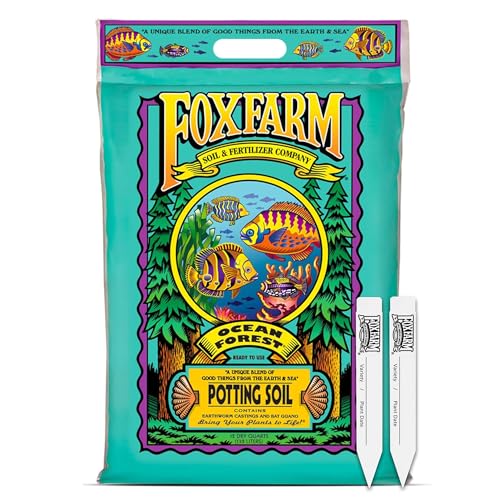
FoxFarm Ocean Forest Potting Soil with 2 Plant Tags, 12 Quarts

FoxFarm Ocean Forest Potting Soil, 1.5cu ft

WONDER SOIL 30-Quart Compressed Coco Coir 3-Pack

Coast of Maine Cobscook Blend In-Ground Garden Soil
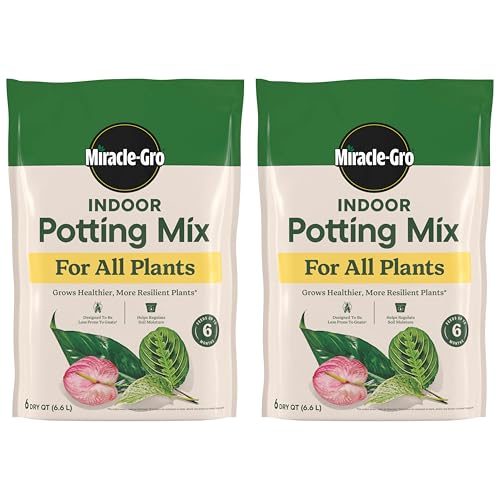
Miracle-Gro Indoor Potting Mix for All Plants, 2-Pack
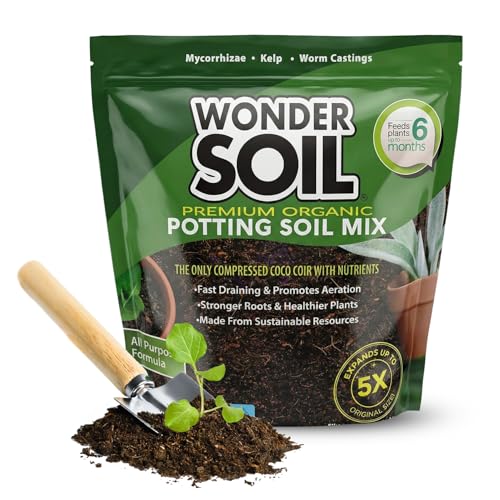
WONDER SOIL Organic 12-Quart Compressed Coco Coir

WONDER SOIL 72-Quart Compressed Coco Coir Block

Legigo 100 Pcs 30mm Coco Coir Seed Starter Pellets
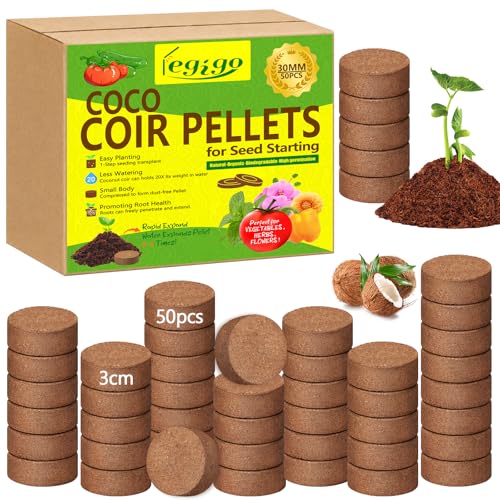
Legigo 50 Pcs 30mm Coco Coir Seed Starter Pellets

Legigo 200 Pcs 30mm Coco Coir Seed Starter Pellets
Why These Options Stand Out
You open the bag and it already feels different from the heavy, mucky stuff at the big box store. FoxFarm blends earthworm castings, fish meal, and crab meal into a light, fluffy medium that drains quickly yet holds enough moisture for thirsty tomato starts.
At 12 quarts, the bag suits a windowsill herb collection or a couple of mid-size patio planters without burying you in leftover soil. The included plant tags are a small but useful touch for anyone juggling multiple seedlings on the same shelf.
Real Benefits
- Ready to use straight from the bag, so no amendment math required
- Light texture reduces compaction in clay or terracotta pots over a single season
- Natural nutrient mix from earthworm castings and seafood byproducts supports early root growth
- Compact bag fits in a car trunk or a closet without spilling
- Plant tags included for labeling varieties and sow dates
Things To Consider
- Smaller bag means reordering mid-season for anyone with a large patio setup
- Strong organic smell at opening fades within a day but can surprise indoor users
Feature Snapshot
Who It Suits Best
Apartment dwellers and patio gardeners running a handful of containers who want a no-fuss, nutrient-loaded medium that works on first pour.
Consider Something Else When
Anyone filling raised beds or large in-ground plots gets more value from the bigger FoxFarm 1.5 cu ft bag in pick 2.
The same proven FoxFarm blend arrives in a much bigger bag for serious container gardeners. Earthworm castings, fish meal, and crab meal create that signature rich-but-light texture that established growers trust.
At 1.5 cubic feet, this bag covers multiple large planters or a long stretch of window boxes without breaking a sweat. Compared to the smaller 12-quart version earlier, the trade-off is mostly weight and storage space rather than performance.
A Few Strong Suits
- Larger volume suits ambitious patio setups and small greenhouses
- Same light, aerated texture prevents waterlogging in deep pots
- Designed for immediate planting without mixing or amending
- Trusted brand consistency across batches for repeat growers
Worth Noting
- Heavier bag requires a trip with a cart or a willing helper
- More soil than needed for a single small herb garden on a balcony
- Storage can attract fungus gnats if left open in a damp garage
Quick Facts
Made For
Backyard growers managing a full patio of vegetables or ornamentals who want the same premium blend in a single, sizeable bag.
Skip It When
Anyone working a small indoor shelf should grab the 12-quart FoxFarm bag in pick 1 instead to avoid storing excess soil.
Three compressed bricks arrive looking like dense hockey pucks, then balloon up to 30 quarts once water hits them. The format solves the classic problem of buying a 40-pound bag of potting mix for a closet-sized apartment.
Coco coir (the fibrous husk material from coconut shells) rehydrates fast and resists compaction better than peat-heavy mixes. WONDER SOIL adds worm castings, mycorrhizae, and kelp so the medium feeds seedlings without supplemental fertilizer for the first stretch of growth.
Why It Works Well
- Compressed format stores on a shelf until needed
- Coco coir resists compaction in long-term container use
- Pre-loaded amendments cut out extra fertilizer trips
- Rehydrates within minutes for quick repotting sessions
Trade Offs
- Requires soaking and breaking apart, so not as grab-and-pour as loose mixes
- Expansion ratio means the 30-quart claim depends on water amount used
Best Suited To
Renters and apartment dwellers with limited closet space who still want a nutrient-rich organic medium on hand for frequent small projects.
Reach For A Different Pick When
Anyone filling a single large raised bed in one session should choose the 72-quart WONDER SOIL block in pick 7 to avoid opening multiple smaller bricks.
Unlike the container-focused blends earlier on this list, Cobscook is engineered for actual dirt. The recipe layers sphagnum peat moss, compost, and aged bark into a denser medium that anchors root systems in open ground.
You can work it into existing beds to break up heavy clay or top-dress established perennial borders to suppress weeds and feed the soil biology. It’s a versatile workhorse for anyone with a real backyard rather than a balcony.
Notable Upsides
- Formulated for in-ground beds rather than pots
- Triple-ingredient blend improves both sandy and clay-heavy native soils
- Useful as a top-dressing to refresh tired perennial beds
- Suits flower beds, vegetable rows, and lawn patches equally
Points To Note
- Too dense and heavy for typical patio containers
- Smaller 1 cubic foot bag may run out across larger landscaping projects
Feature Card
Whose Shelf It Belongs On
Suburban homeowners with established perennial or vegetable beds looking to renovate tired soil without hauling in bulk compost by the truckload.
A Better Fit Elsewhere
Container-only gardeners get much better performance from the FoxFarm Ocean Forest blends in picks 1 or 2, since this mix is designed for ground contact.
Miracle-Gro’s indoor formula is tuned for houseplant conditions where overwatering kills more plants than drought. The blend balances sphagnum peat moss, coir, and perlite to keep roots moist but never soggy.
You get two 6-quart bags, which is genuinely useful for anyone repotting multiple plants during a seasonal refresh. Compared to the FoxFarm blends earlier, this one runs lighter on organic amendments but lighter on the wallet too.
Standout Benefits
- Designed specifically for indoor container conditions
- Two-bundle format suits multi-plant households on a single shopping trip
- Balanced moisture retention reduces watering guesswork for beginners
- Lightweight texture makes it easy to repot without strain
Honest Caveats
- Not ideal for outdoor vegetable beds or heavy-feeding crops
- Lighter nutrient load means supplementing with fertilizer sooner than richer blends
Who Will Love This
Houseplant enthusiasts building or refreshing an indoor collection who want a forgiving mix that tolerates the typical watering schedule of a busy household.
Look Elsewhere When
Outdoor vegetable growers running patio tomato beds should pick the FoxFarm Ocean Forest options in picks 1 or 2 for a heavier nutrient base.
Three pounds of compressed coco coir expand to 12 quarts of usable medium once you add water. The compact starting size makes this a smart pick for first-time gardeners testing out a few containers without committing to a giant bag.
WONDER SOIL loads worm castings, mycorrhizae, kelp, and perlite into the mix, so seedlings get a biological boost alongside the coconut husk base. The peat-free recipe also appeals to anyone trying to keep their gardening footprint low.
The Upside
- Tiny starter weight fits on any apartment shelf
- Peat-free coco coir base suits sustainable gardening goals
- Multiple amendments reduce the need for early fertilization
- Expands quickly with basic tap water
Room For Improvement
- Smaller expanded volume than the 30-quart pack in pick 3
- Single bag may not cover a multi-planter patio refresh in one go
Right Fit For
First-time container gardeners testing the hobby with a single window box or herb pot before scaling up to larger beds.
Swap It Out When
Anyone planning a full raised bed should grab the 72-quart WONDER SOIL block in pick 7 for better volume per dollar.
One 10-pound block expands to a generous 72 quarts, which makes this the workhorse choice for raised bed builds, large patio renovations, or community garden plots. Compared to the smaller WONDER SOIL packs earlier on this list, the trade is convenience at purchase time for real volume at hydration.
The same loaded formula (worm castings, mycorrhizae, kelp) carries over from the smaller packs, so you don’t sacrifice nutrition for quantity. It’s a sensible match for anyone planning a spring overhaul rather than a casual weekend project.
Useful Highlights
- Single block covers multiple raised beds in one go
- Compact 10-pound starting weight still travels well in a hatchback
- Loaded amendment list supports the first several weeks of growth
- Peat-free base aligns with low-impact gardening priorities
Points To Note
- Requires a large soaking tub or wheelbarrow for full expansion
- Overkill for anyone working a single small planter
Best Suited To
Serious raised bed builders and community garden coordinators who need substantial volume without stacking multiple smaller bags.
Consider Something Else When
Balcony herb gardeners running two or three small pots should grab the 12-quart WONDER SOIL pack in pick 6 to avoid waste.
Pellet seed starters remove the mess of filling trays with loose soil. Each compressed disc measures about 30mm and expands once watered, creating a tidy plug that drops straight into a pot or cell tray.
Coco coir is naturally low in salts and resists the damping-off fungal issues that often plague peat-based starters. One hundred pellets covers a serious spring seed haul without leaving you hunting for vermiculite or perlite.
Points In Its Favor
- Pre-formed pellets eliminate tray-filling mess
- Coco coir base reduces fungal risk on tender seedlings
- Compact discs store in a drawer or small bin until sowing time
- Soaked pellets transplant directly without disturbing roots
Some Limits To Know
- 30mm size runs small for crops that need a long seedling stage before transplant
- Pellets dry out faster than solid trays, so daily misting is a must
Perfect Match For
Vegetable gardeners running a full spring seed-starting lineup who want tidy, transplant-ready plugs without mixing loose soil.
Another Choice May Suit
Anyone starting just a few herbs on a windowsill should grab the smaller 50-pack in pick 9 to avoid storing extras.
Same trusted pellet format as the 100-pack in pick 8, just half the count. The smaller quantity suits anyone running a couple of trays for herbs or a modest flower seed run.
Each 30mm disc expands to a usable plug with a simple soak, and the coco coir base keeps tender seedlings from sitting in saturated, compacted soil. For windowsill gardeners who only need a handful of starts per season, 50 pellets avoids the bulk of a bigger pack.
Positive Takeaways
- Right-sized for casual seed-starting without excess inventory
- Pre-formed pellets save time during the busy spring sowing window
- Coco coir resists the salt buildup that troubles some peat pellets
Trade-Offs To Consider
- Runs out quickly for gardeners starting multiple full trays
- Same fast-drying tendency as the larger Legigo pack
Built With In Mind
Casual windowsill gardeners starting herbs or a few flower varieties and wanting a tidy, low-mess alternative to bagged seed-starting mix.
Where A Sibling Pick Shines
Anyone running a full vegetable seedling operation should grab the 200-pack in pick 10 to cover the season without reordering.
Two hundred pellets cover a serious seed-starting operation, from classroom projects to community garden plots. The coco coir format keeps things tidy even when multiple people are working with the same medium.
Each 30mm disc rehydrates to a usable plug, so transplant shock stays low compared to bare-root seedlings pulled from loose trays. Compared to the 50-pack earlier, the bulk option is mostly about avoiding reorders mid-season.
Practical Pluses
- High pellet count suits large-scale seed-starting operations
- Tidy format works well in classrooms and shared garden spaces
- Coco coir base supports consistent germination across many varieties
Things To Weigh Up
- Bulk count overshoots casual home gardeners who only start a few seeds
- Pellets need a soaking tray and warm water for the rehydration step
The Right Fit
School garden programs, community plots, and family-scale vegetable growers running dozens of seedlings through spring.
Look Elsewhere When
Single-tray herb gardeners would find the 50-pack in pick 9 more practical than storing two hundred pellets.
Matching The Right Mix To Your Garden
Picking the right organic potting soil starts with honest answers about your space and goals. Container gardeners on a patio or balcony get the most value from light, ready-to-use blends like the FoxFarm Ocean Forest options or the Miracle-Gro indoor mix, where texture and drainage matter more than raw volume. Backyard growers working actual dirt benefit from denser blends like Coast of Maine’s Cobscook, which improves native soil rather than just holding roots in a pot.
Container size also drives the choice more than brand loyalty does. A single windowsill herb pot only needs a few quarts, while a multi-tier raised bed build calls for compressed bricks or larger bags that hydrate to real volume. Coco coir pellets earn their place for seed starting because they remove tray-filling mess and transplant cleanly into the garden, though they aren’t a substitute for actual potting mix once seedlings grow past plug size.
Finally, ingredient transparency matters when the label says “organic.” Earthworm castings, compost, and aged bark signal a biologically active medium, while perlite and vermiculite (both are expanded mineral additives that improve drainage and aeration) handle air and water movement. Look for a mix that names its amendments rather than hiding behind vague “compost blend” language, and you avoid the cheapest fillers that compact and starve roots over a single growing season.
Key Considerations Across These Picks
Pitfalls Shoppers Hit
First-timers often grab the biggest bag available and end up storing half of it in a damp garage, where fungus gnats move in fast. Smaller bags or compressed bricks solve this by matching volume to actual project size.
Another common slip is assuming all “organic” labels mean identical ingredients. Two bags can both carry the word yet vary enormously in compost content, drainage texture, and biological activity, so a quick look at the amendment list pays off.
Where The Extra Money Goes
Premium blends earn their higher cost through named, recognizable amendments like earthworm castings and crab meal rather than generic “compost blend.” You’re paying for ingredient transparency and a lighter, more consistent texture that resists compaction across a full growing season. For container gardeners with a few prized plants, that upgrade usually shows up in stronger early growth and fewer watering headaches.
Frequently Asked Questions
What makes a potting soil “organic”?
Organic potting soils rely on naturally derived amendments like compost, worm castings, peat, and plant meals instead of synthetic mineral fertilizers. The exact definition varies by certifier, but the practical result is a medium that feeds soil biology alongside the plant.
Can I use potting soil for in-ground garden beds?
You can, but it’s usually wasteful. In-ground beds benefit more from denser, soil-building blends like compost and aged bark, while potting mixes are engineered for the limited root zone of a container.
How long does an opened bag of potting soil last?
Stored in a dry, sealed container, most potting soils stay usable for one to two growing seasons. Watch for a sour smell, visible mold, or heavy fungus gnat activity, which signal the medium has degraded.
Are coco coir pellets better than loose seed-starting mix?
Pellets win on tidiness and transplant ease, since the entire plug moves into the garden without disturbing roots. Loose mix can support slightly larger seedlings over a longer pre-transplant window.
Do organic potting soils need added fertilizer?
Most quality organic blends feed seedlings for several weeks, but heavy-feeding crops like tomatoes and peppers typically want supplemental feeding once flowering begins.
Closing Thoughts
The best potting soil is the one that matches your project size, your container depth, and how much amendment work you want to take on. Match the format to the job, and your garden does most of the work for you.