Container gardeners, raised-bed growers, and anyone rebuilding tired flower borders usually start with the same question: which bagged soil actually delivers. Miracle-Gro shows up on shelves at warehouse clubs and online, yet the line stretches far wider than one flagship bag. Coco coir blends, organic compost mixes, and specialty indoor formulas all earn a place in a thoughtful potting bench. Below, ten standout options cover most real planting situations, from a single windowsill pothos to a full backyard vegetable bed.
The Shortlist At A Glance

Miracle-Gro Moisture Control Potting Mix, 8 qt.

Miracle-Gro Moisture Control Potting Mix, 8 qt. (2-Pack)

Wonder Soil 30-Quart Coco Coir Brick 3-Pack

Coast of Maine Cobscook Blend In-Ground Garden Soil (1 cu ft)
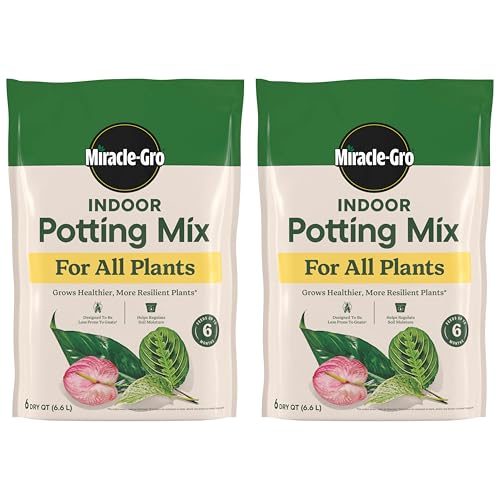
Miracle-Gro Indoor Potting Mix for All Plants, 6 qt., 2-Pack

FoxFarm Ocean Forest Potting Soil, 12 Quart

Miracle-Gro Potting Mix, 16 qt.

Miracle-Gro Indoor Potting Mix, 6 qt. (Pack of 8)
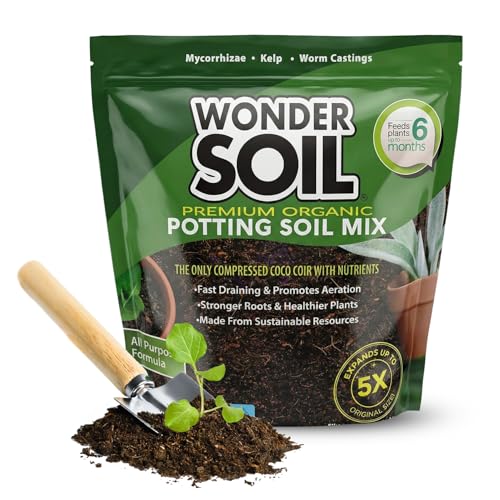
Wonder Soil Organic Potting Soil, 3 lbs Bag Expands to 12 Quarts

Wonder Soil 72-Quart Coco Coir Block, 10 lbs
Why These Options Stand Out
Patio planters dry out fast in summer, and forgetful waterers often swing from bone-dry to waterlogged in a single weekend. This 8-quart bag of Miracle-Gro Moisture Control Potting Mix is built around the brand’s AquaCoir blend, which combines sphagnum peat moss, coconut coir, and a wetting agent. Sphagnum peat moss is a decomposed moss harvested from bogs that holds water like a sponge, while coconut coir (commonly just called “coir”) is a fibrous byproduct of coconut husks that rehydrates easily after drying. Together, they cushion plants against both ends of the watering mistake scale.
That built-in moisture buffer makes the mix well suited to outdoor containers on a sunny deck or porch, where rain might skip a week and the hose gets forgotten. Plants get fed for up to six months from the included starter fertilizer, which keeps maintenance low for casual gardeners. The bag works with flowers, vegetables, annuals, perennials, and shrubs, so you don’t need a separate mix for every pot on the patio. If you’ve been burned by crispy petunias or soggy tomato roots, this blend addresses the most common causes in one bag.
The Helpful Details
- AquaCoir blend absorbs noticeably more water than basic potting soils, so the gap between waterings stretches longer.
- Built-in feeding for up to six months removes the mental load of a mid-season fertilizer schedule.
- Compatible across a wide range of container plants, which simplifies shopping for mixed patio displays.
- Smaller 8-quart bag fits a single repotting project without a heavy leftover sitting in the shed.
Points To Note
- The 8-quart size runs out quickly on bigger projects, so larger patio setups may want the 2-pack instead.
- Wetting agents tend to lose effectiveness over time, so a yearly refresh of tired pots pays off.
Made For
Casual patio gardeners juggling a handful of containers and inconsistent watering schedules benefit most from the moisture-buffering design.
A Better Fit Elsewhere
For gardeners building a full raised vegetable garden, the Coast of Maine Cobscook Blend In-Ground Garden Soil offers a compost-rich alternative more suited to in-ground beds.
Most patio gardeners don’t stop at one pot, and buying two of the same blend separately can feel wasteful. This 2-pack doubles down on the Moisture Control formula, delivering 16 quarts of the same AquaCoir-rich mix as the single bag. That makes it appealing for anyone planning a coordinated refresh of multiple containers at once.
The blend uses the same core ingredients: sphagnum peat moss, coir, and a wetting agent that helps the soil absorb water more evenly. You get the same six-month feed window and the same broad plant compatibility. The honest read is that the 2-pack mainly buys convenience, since the per-bag cost often works out lower and you skip a second shipment. For homeowners replanting several large patio containers in a single weekend, that logistics win is real.
What Makes Sense
- Doubles the volume of the same proven blend, ideal for replanting an entire patio in one go.
- Same six-month feeding window as the single bag, so maintenance stays low after planting day.
- Two-bag format reduces per-unit cost compared with buying singles separately, depending on the retailer.
Points To Keep In Mind
- Two unopened bags take up more shelf space, so small garage storage may struggle.
- The formula is identical to the single bag, so don’t expect extra moisture control beyond what the smaller pack offers.
Best Suited To
Homeowners refreshing an entire patio or replacing soil across multiple large containers in a single season get the most mileage.
Consider Something Else When
For gardeners with only a couple of small pots, the single 8-quart Miracle-Gro Moisture Control Potting Mix avoids leftover bag clutter.
Compressed coco coir (a dehydrated, brick-shaped form of coconut husk fiber) flips the storage problem on its head. Instead of bulky bags stacked against the wall, Wonder Soil arrives as three small bricks that expand with water to roughly 30 quarts total. Apartment dwellers and balcony gardeners with thin storage closets usually appreciate that footprint.
The bricks come enriched with worm castings, mycorrhizae, and kelp, which is unusual for a compressed product. Worm castings are worm-digested organic matter that feed plants gently; mycorrhizae are beneficial fungi that attach to roots and help them absorb nutrients. Both deliver a meaningful head start for seedlings and transplants without extra bottles on the counter. Adding water wakes the bricks into a fluffy medium in minutes, though the expansion can be messy without a large tub. You may find the hands-on rehydration step a quirk rather than a dealbreaker.
Useful Highlights
- Compressed bricks store easily on a shelf or in a closet, ideal for tight apartment spaces.
- Pre-loaded with worm castings, mycorrhizae, and kelp, so seedlings get a nutrient head start.
- Lightweight to ship and carry up stairs compared with traditional bagged soil.
Trade Offs
- Expansion requires a large tub or wheelbarrow, and the process can be a bit messy indoors.
- Coir alone dries faster than peat-heavy mixes, so watering frequency may climb in summer.
The Right Fit
Apartment and balcony gardeners with minimal storage and a taste for organic, peat-free inputs find this format practical.
Look Elsewhere When
For outdoor patio gardeners who want a peat-based blend with built-in fertilizer, the Miracle-Gro Moisture Control Potting Mix is the more conventional pick.
In-ground beds behave differently than pots, and the soil you dig into rarely has the texture roots want. Coast of Maine’s Cobscook Blend is formulated for exactly that situation, mixing sphagnum peat moss, compost, and aged bark into a one-cubic-foot bag. The aged bark improves drainage and gives long-term structure to compacted or sandy sites.
The blend works as both an amendment to existing soil and a top-dress for established beds. Aged bark is simply decomposed tree bark that improves soil texture and slowly releases carbon as it breaks down further. Gardeners working with heavy clay often see real tilth improvement (meaning easier-to-work, looser soil) after a season of mixing this in. Sandy beds retain moisture longer thanks to the peat component. The 1 cu ft format suits modest flower borders, while larger vegetable plots usually need several.
Notable Gains
- Compost-rich formula improves structure in clay, sand, and compacted in-ground beds.
- Versatile as both an amendment and a top-dress, which simplifies seasonal bed work.
- Sphagnum peat moss boosts moisture retention in fast-draining sites.
Honest Caveats
- One cubic foot covers only a small bed, so larger projects require multiple bags.
- Compost-based blends can include small sticks or bark fragments that need raking smooth for fine seedbeds.
Who It Suits Best
Home gardeners rebuilding tired flower borders or amending raised beds with native soil benefit most from this blend’s structure-first approach.
Not Your Match When
For a fully self-contained container garden with built-in fertilizer, the Miracle-Gro Potting Mix 16 qt. is purpose-built for pots.
Indoor plants live in a different world than patio tomatoes, and the soil they sit in matters more than most beginners realize. This 2-pack of Miracle-Gro Indoor Potting Mix is built around a blend of sphagnum peat moss, coir, and perlite, the last being a heat-expanded volcanic rock that keeps soil airy and prevents compaction. Perlite’s job is to keep roots from sitting in dense, soggy medium, which is the fastest way to lose a houseplant.
The 2-pack format suits anyone planning a multi-plant refresh, whether that’s upgrading a windowsill collection or staging a move-in repotting day. Perlite’s airy texture means the soil rehydrates evenly without clumping, which matters when pots sit on a tray without drainage attention. Compared with the outdoor Moisture Control mix, this blend is lighter and lacks wetting agents, so it drains faster and rewards a more attentive watering hand. For most homes with several tropicals and foliage plants, this 2-pack is a sensible middle-ground choice.
Where It Helps
- Perlite-enriched blend keeps indoor roots aerated and reduces the risk of waterlogging.
- Two bags cover a multi-plant refresh without leaving you short mid-project.
- Lightweight texture makes lifting and pouring easier when working over a counter or sink.
Worth Bearing In Mind
- Perlite floats to the surface during watering, so top-dressing pebbles can keep the look tidy.
- Less moisture-buffering than the outdoor Moisture Control formula, so forgetful waterers may need reminders.
Whose Shelf It Belongs On
Houseplant enthusiasts refreshing several pots in one session benefit from the perlite-rich texture and the two-bag volume.
Swap It Out When
For gardeners specifically worried about fungus gnats, the Miracle-Gro Indoor Potting Mix 6 qt. (Pack of 8) is formulated without compost or bark.
Seedlings and plant starts have a narrow window where everything has to go right. FoxFarm’s Ocean Forest blend is the company’s flagship indoor-and-out container mix, built from aged forest products, sandy loam, and sphagnum peat moss. Sandy loam is a balanced soil texture with a slightly gritty feel that drains well while still holding moisture, and it gives this mix a noticeably different hand-feel than peat-heavy blends.
What separates Ocean Forest from most bagged soils is the inclusion of fish meal, crab meal, and earthworm castings. Fish and crab meals are dried, ground seafood byproducts that release nutrients slowly as they decompose; earthworm castings are worm-digested organic matter prized for gentle, balanced feeding. Together they create a richer starter environment that serious growers notice. The 12-quart bag fits a couple of large containers or a tray of seedlings without leftovers going stale. Depending on what you’re planting, the nutrient density may actually be too rich for fresh cuttings, which prefer a leaner starter.
What Works In Its Favor
- Nutrient-loaded blend with fish meal, crab meal, and earthworm castings supports vigorous early growth.
- Aerated, sandy-loam texture promotes strong root development in seedlings and starts.
- Versatile across houseplants and outdoor containers, which simplifies shopping for mixed collections.
Less Ideal Details
- Higher nutrient density can burn delicate cuttings that prefer a leaner starter medium.
- The 12-quart bag runs out fast on larger patio projects, so multiple pots may need extra bags.
Built With In Mind
Active growers propagating seedlings, transplanting houseplant starts, or maintaining a serious container collection get the most from the rich formula.
Skip It When
For a more conventional, peat-based indoor mix at a friendlier price point, the Miracle-Gro Indoor Potting Mix 6 qt. (Pack of 8) is a sensible substitute.
The original Miracle-Gro Potting Mix has been a container-gardening default for years, and the 16-quart bag is its most practical size for most patios. Unlike the Moisture Control formula, this one is built for straightforward feeding through the included starter fertilizer. That simpler ingredient list translates to a more predictable, time-tested blend for traditional outdoor containers.
The bag feeds plants for up to six months and works across flowers, vegetables, shrubs, annuals, and perennials. That broad compatibility makes it a sensible default for households that grow a mix of edibles and ornamentals. Filling large planters takes meaningful bags, and the 16-quart size hits a sweet spot between having enough to finish a job and not having a half-used bag aging in the shed. You may find the formula lacks the moisture-buffering sophistication of the AquaCoir blend, so consistent watering still matters.
Everyday Wins
- 16-quart bag covers most single-project patio refreshes without leftover waste.
- Six-month feeding window removes the guesswork from mid-season fertilization.
- Broad plant compatibility suits mixed flower-and-vegetable container gardens.
Things To Weigh Up
- Lacks the moisture-buffering AquaCoir formula, so watering discipline still matters in summer heat.
- Traditional peat-based mix weighs more than coir alternatives, so hauling it up stairs can be tiring.
Perfect Match For
Traditional gardeners refreshing a multi-pot patio with a mix of flowers and vegetables appreciate the broad compatibility and proven track record.
Reach For A Different Pick When
For gardeners who frequently miss a watering or two, the Miracle-Gro Moisture Control Potting Mix 8 qt. offers more forgiveness.
Fungus gnats are the indoor gardener’s most unwelcome frequent visitor, and they thrive in the compost-and-bark blends many houseplants sit in. Miracle-Gro’s Indoor Potting Mix is designed without compost or bark specifically to deny those gnats a place to shelter. The 6-quart bag, available in a pack of eight, gives a long-running supply for households that refresh plants seasonally.
Coconut coir in the blend holds and releases water while helping the soil re-wet evenly after drying. Coir’s re-wetability is a real benefit when you’ve left a plant thirsty a few days too long, since many peat-heavy mixes actually resist absorbing water once fully dry. The blend is designed for a wide variety of indoor container plants, including climbing, foliage, flowering, and tropical types. For first-time plant parents learning the rhythm of watering, the gnat-resistant formulation removes one common headache early.
What Earns Its Place
- Designed without compost or bark to discourage fungus gnats, a common indoor pest.
- Coir helps the soil re-wet evenly after drying, so recovery from a missed watering is easier.
- Eight-pack format covers many repotting sessions across months or even years of plant care.
Factors To Consider
- An eight-bag pack is overkill for households with only one or two small plants.
- Lower moisture buffering means watering frequency may climb in dry winter indoor air.
Who Should Grab It
First-time houseplant owners and households managing a large indoor garden get the most value from the gnat-resistant design and bulk format.
A Better Fit Elsewhere
For a smaller two-bag starter pack with perlite for aeration, the Miracle-Gro Indoor Potting Mix for All Plants 6 qt. 2-Pack is more manageable.
Small-space gardeners often get stuck on storage before they get stuck on plants. Wonder Soil’s 3-pound bag expands to 12 quarts once hydrated, which means a bag that fits in a kitchen drawer turns into meaningful soil for a balcony project. The format alone makes it appealing for apartment dwellers and condo patios where a 40-pound bag is simply not feasible.
The compressed coco coir comes pre-loaded with worm castings, mycorrhizae, kelp, and perlite. That combination gives the medium organic credentials without requiring the gardener to mix amendments themselves. Perlite’s role here is the same as in other blends: keeping the medium loose so roots can breathe. You may find the smaller 12-quart yield best suited to a few houseplants or one small herb garden rather than a full patio refresh.
Real-World Strengths
- Compact 3-pound bag fits on a shelf or in a closet, removing a major apartment-gardening barrier.
- Pre-amended with worm castings, mycorrhizae, kelp, and perlite for an organic, ready-to-use medium.
- Lightweight to carry up apartment stairs compared with traditional bagged soil.
Possible Compromises
- Yields only 12 quarts when expanded, which covers only a handful of small pots.
- Hydration requires a tub or bucket, and indoor expansion can splash if rushed.
Made For
Apartment and small-balcony gardeners working with a few pots and minimal storage benefit most from the compressed format.
Swap It Out When
For gardeners filling a much larger volume, the Wonder Soil 72-Quart Coco Coir Block 10 lbs offers far more yield per shipment.
Raised bed builders and serious patio refreshers know that soil volume, not plant count, is the limiting factor. Wonder Soil’s 10-pound compressed block expands to 72 quarts, enough to fill a small raised bed or several large containers from a single shipment. The block format also keeps shipping weight manageable, since you’re carrying 10 pounds instead of hauling multiple 40-pound bags.
Like the smaller Wonder Soil packs, the block comes enriched with worm castings, mycorrhizae, and kelp. The same organic-friendly amendment set applies, so you skip buying separate bottles of compost tea or root inoculants. For most raised bed projects, gardeners add additional compost on top, but this block provides a strong base. You may find the 10-pound block awkward to fully hydrate without a wheelbarrow or large tub, so plan the rehydration step before planting day.
What It Does Well
- One 10-pound block expands to 72 quarts, covering a small raised bed or several large containers.
- Pre-loaded with worm castings, mycorrhizae, and kelp, so no separate amendments are needed for a base mix.
- Compressed format keeps shipping and storage weight low for the amount of finished soil produced.
Where It May Fall Short
- Expanding a 10-pound block requires a wheelbarrow or large tub, which is awkward in small spaces.
- Pure coir lacks the long-term nutrient density of compost-heavy blends, so supplemental feeding is often needed.
Built With In Mind
Raised bed builders, community gardeners, and homeowners starting a large patio refresh get the most from a single high-yield shipment.
Not Your Match When
For an in-ground amendment that improves native soil structure over time, the Coast of Maine Cobscook Blend In-Ground Garden Soil is purpose-built for that task.
What Matters Most Before Choosing Miracle Gro Soil Costcoes
Match the Mix to the Planting Site
Container gardening, raised beds, and in-ground beds all ask different things from a soil. Pots need moisture buffering and lightweight texture, so peat- or coir-based blends with perlite tend to perform well. In-ground beds benefit from compost-rich blends that improve native soil structure over seasons. Choosing a mix that fights the site is the most common reason gardeners feel their soil “doesn’t work.”
Consider Your Watering Style Honestly
Watering frequency is one of the strongest predictors of which blend performs in real life. Consistent daily waterers can run lighter, faster-draining mixes without stress. Forgetful schedules benefit from moisture-control or coir-rich blends that buffer dry spells. The honest read is that the “best” mix is usually the one that matches your habits, not the one with the most features.
Look at Nutrient Strategy Over Time
Some blends ship with six months of starter fertilizer built in, which works for a single growing season. Organic coco coir blends rely more on amendments like worm castings and kelp, which feed more gently but may need supplementing mid-season. Long-term raised beds usually benefit from a separate compost top-up rather than relying on any one bag.
Size and Storage Often Decide the Winner
A 16-quart bag fits a small project, while a 72-quart block fits a whole raised bed. Storage matters just as much as volume, and compressed formats win for apartment storage while traditional bags win for garage-shed gardeners. The real practical question is how much finished soil you need and where it will live before planting day.
Key Considerations Across These Picks
Common Mistakes First-Timers Hit
Many new gardeners grab the cheapest bag without checking whether it’s formulated for pots, raised beds, or in-ground use. That mismatch is the single biggest reason bagged soil disappoints. Another frequent slip is forgetting that fertilizer-included blends only feed for a limited window, then skipping supplementation when growth stalls. Reading the bag’s intended use case saves more plants than any specific brand.
When Paying More Pays Off
Premium blends cost more per quart because they ship with richer organic amendments and more careful ingredient selection. For a serious patio refresh or a new raised bed, that upgrade usually shows in the first season’s growth. For a single windowsill pothos repot, the premium tier rarely earns its keep, and a balanced standard blend is plenty.