Anyone with roses, berry canes, or a stubborn bramble patch knows the routine: regular gloves let thorns slip through the wrist, fingernails end up torn, and mud seeps in at every gap. Long-cuff gauntlet gloves solve that by extending protection up the forearm, so a slip or a swatting branch doesn’t draw blood. The four pairs below cover the most common gardener profiles, from weekend rose trimmers to daily yard workers who need something that survives wet soil and sharp brush without falling apart after a season.
A Snapshot Of The Selections

Freicheza Long Gardening Gloves Thorn Proof Rose Pruning Leather Gauntlet

HANDLANDY Pigskin Leather Rose Pruning Gauntlet Gloves (Coffee Brown, M)
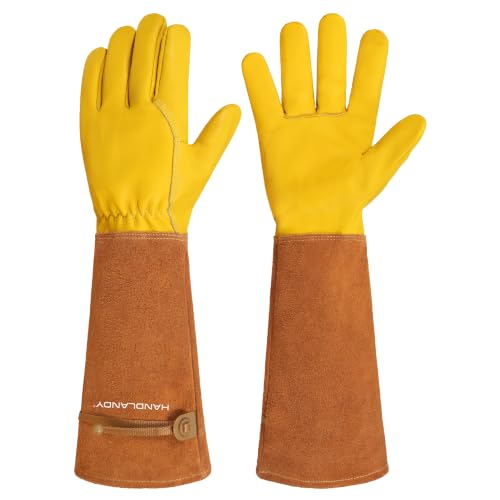
HANDLANDY Rose Pruning Gloves Thorn Proof Gardening
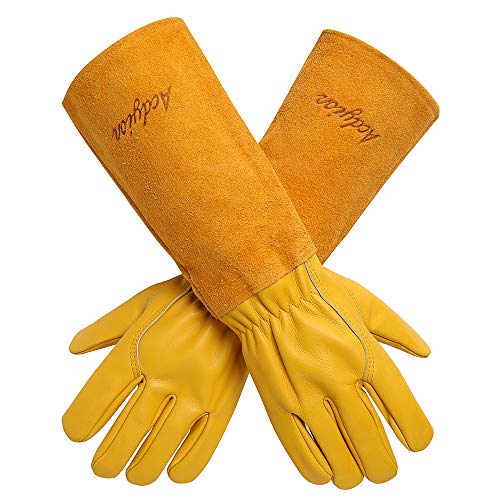
Acdyion Thorn Proof Gardening Gloves (Yellow, M)
Meet The Standout Selections
Long cuffs matter more than most people expect. Pulling into a thorny rose bush with a standard glove leaves a strip of inner forearm exposed, and that’s where the worst scratches tend to show up. The Freicheza pair solves that with a leather gauntlet that runs well past the wrist, so reaching deep into a shrub feels far less like an act of bravery.
For anyone managing climbing roses, blackberries, or a hedge of holly, the extra coverage here is the main selling point. Where the Freicheza stands apart from shorter gloves on the market is exactly that reach, giving you a real safety margin when working in dense, woody growth.
A Strong Showing
- Thorn-proof leather construction shields palms and fingers from rose thorns and brambles.
- Extended gauntlet cuff protects the inner forearm during deep reaches into bushes.
- Unisex sizing works for both weekend gardeners and frequent yard workers.
- Leather shell resists light moisture, so muddy beds and damp soil don’t soak through immediately.
Things To Consider
- Leather requires occasional conditioning to prevent drying and cracking over seasons.
- Stiffer out of the box than synthetic options, so fine motor tasks feel clumsy until broken in.
Who Should Grab It
Rose gardeners and homeowners clearing bramble-heavy corners will get the most out of the long-cuff protection.
Reach For A Different Pick When
Hot, humid climates call for the more breathable HANDLANDY pigskin pair, which trades some cuff length for cooler hands.
Pigskin leather behaves a little differently from cowhide. It stays supple after getting wet, so a sweaty mid-July session doesn’t leave the gloves board-stiff by the time you hang them up. The HANDLANDY pigskin pair leans into that, with reinforced stitching at the seams where stress tends to build.
Long pruning afternoons are the scenario this glove was built for. Compared to the Freicheza entry above, you give up a bit of raw thickness for better airflow and dexterity, which matters when you’re snapping dead heads off a forty-foot rose arch.
Positive Takeaways
- Pigskin leather holds flexibility through wet and dry cycles, useful for muddy beds and humid mornings.
- Natural abrasion and puncture resistance handles thorns, twigs, and rough bark.
- Reinforced stitching improves longevity at high-stress seams around the thumb and cuff.
- Breathable feel reduces hand fatigue during long, repetitive pruning sessions.
Points To Keep In Mind
- Slightly thinner profile than cowhide gauntlets, so the heaviest blackberry canes can still press through.
- Coffee brown color shows dirt and stains more visibly than darker options over time.
Made For
Gardeners pruning for hours in warm weather who want cooler hands without sacrificing thorn protection.
Look Elsewhere When
Heavier brush and thick bramble clearing suits the HANDLANDY cowhide model, which offers a tougher shell.
Cowhide has long been the workhorse leather for serious yard work. The HANDLANDY cowhide gauntlet goes after gardeners who push through multi-season projects, where a thinner glove simply wouldn’t last the calendar year. The construction feels closer to a utility glove than a delicate pruning tool.
Pulling invasive vines, clearing overgrown fence lines, or tackling a neglected orchard fits the profile. Where the prior HANDLANDY pigskin entry leans toward flexibility, this cowhide sibling leans toward brute protection, and that trade-off is worth thinking about before you commit.
The Practical Payoff
- Cowhide leather delivers serious abrasion and puncture resistance against woody stems.
- Thorn-proof design blocks the worst scratches from roses, brambles, and rough bark.
- Reinforced stitching supports long-term use across repeated yard sessions.
- Natural moisture resistance keeps hands drier when working through damp soil.
- Solid cuff coverage shields wrists during fence post and trellis work.
Room For Improvement
- Less breathable than the pigskin option, so hands run hot during midsummer afternoons.
- Heavier feel slows down delicate seedling and herb work.
- Needs air-drying after wet use to keep the leather from stiffening prematurely.
Best Suited To
Heavy-use gardeners managing vines, bramble patches, or larger properties who prioritize durability over dexterity.
Quick Facts
A Better Fit Elsewhere
Warm-season pruning rewards the lighter HANDLANDY pigskin gloves, which breathe better in summer heat.
Bright yellow leather sounds unusual until you’re hunting for a dropped glove in deep grass or among leaf piles. The Acdyion pair trades camouflage for visibility, which turns out to be a small but practical upgrade. Reinforced palm and fingertip patches address the spots that wear out first on most gauntlets.
Cleanup work suits this glove well, particularly anywhere thorny weeds and poisonous ivy mix. Compared to the Freicheza entry that opened this list, the Acdyion leans toward a shorter cuff feel in some sizes, so verifying the cuff length against your typical brush matters.
Reasons It Performs
- Thickened cowhide shields hands from rose thorns, cactus spines, and blackberry canes.
- Reinforced palm and fingertip patches extend the life of high-wear zones.
- Extended gauntlet cuff defends forearms during overhead reaches.
- High-visibility yellow color makes the gloves easy to spot in dense foliage.
Worth Noting
- Cuff length varies by size, so measuring your forearm before ordering avoids a too-short pair.
- Yellow leather can darken noticeably with mud and sap over a season.
Whose Shelf It Belongs On
Homeowners tackling mixed brush, ivy, and ornamental thorny plants where visibility and toughness both matter.
Consider Something Else When
Longer forearm reach across tall rose climbers suits the Freicheza gauntlet, which runs further up the arm.
Choosing Gauntlet Gloves That Actually Hold Up
A gauntlet glove is only as good as its weakest zone, and the weak zones are predictable. The cuff length decides whether thorns can sneak past the wrist into the inner forearm, where skin is thin and scratches sting. The leather type, whether cowhide or pigskin, decides how the glove feels after a wet session and how much abuse it absorbs before failing. Stitching at the thumb crotch and fingertips decides how many seasons you get before a seam blows out.
Cuff reach is the first thing to match to your actual work. A standard rose bed can be handled with mid-length cuffs, while climbers and trellised blackberries demand longer gauntlets that run halfway up the forearm. Anything shorter and you’ll find yourself tucking sleeves, which defeats the purpose of a dedicated gauntlet.
Leather choice is the second call. Cowhide offers heavier protection and lasts longer under rough treatment, but runs hot and stiffens quickly when soaked. Pigskin stays more flexible through moisture cycles and breathes better, which is why warm-climate gardeners often reach for it even though it’s a touch thinner.
Fit and dexterity tie everything together. A glove that fights your fingers during fine cuts will get pulled off halfway through a session, leaving hands unprotected at exactly the wrong moment. Look for a fit close enough to handle pruning snips without slipping, and check whether fingertip reinforcement is present if you regularly grip shears or loppers.
Key Considerations Across These Picks
Common Shopping Slip Ups
Buying by thickness alone is the easiest trap. A thick glove that stops thorns but kills your grip on pruners will be shoved in a drawer after one session. Equally common is ignoring cuff length and grabbing a “long” glove that’s actually only wrist-high, which leaves the forearm exposed during deep reaches. Match the glove to the plant, not the other way around.
Where The Extra Money Goes
Premium gauntlets invest in better leather grading, cleaner stitching, and reinforced patches where hands actually wear through first. That means longer service life, fewer blowouts at the thumb, and cuffs that don’t fray after a season of wet brush. For gardeners who prune weekly, that longevity is where the value compounds.
Frequently Asked Questions
How long should the cuff be for rose pruning?
For typical shrub roses, a cuff that extends several inches past the wrist handles most reaches. Climbing roses and dense blackberry canes benefit from gauntlets running halfway up the forearm, which prevents thorns from sliding down into your sleeves.
Are pigskin gauntlets durable enough for daily use?
Pigskin holds up well to repeated wetting and drying cycles, though it is slightly thinner than cowhide. For most home gardeners pruning a few times a week, pigskin outlasts expectations. Daily commercial brush clearing still favors cowhide.
Can these gloves handle wet soil and mud?
All four pairs use leather that tolerates damp conditions, though none are fully waterproof. Air-drying after wet sessions keeps the leather from stiffening prematurely and extends service life considerably.
Do these gloves work for poison ivy cleanup?
Thick leather blocks skin contact with poison ivy oils effectively, and the long cuffs protect the forearms during overhead reaches. Dedicated handling and washing the gloves after use are still important to avoid spreading the oils elsewhere.
How do I stop the leather from stiffening after rain?
Wipe off mud with a damp cloth, then let the gloves air-dry away from direct heat. An occasional leather conditioner keeps the material supple and prevents cracking at the seams through multiple wet-dry cycles.
The Takeaway
Each of these gauntlet gloves handles thorny yard work differently, and the right pick depends on what grows in your yard and how often you suit up. Match the cuff length to the plants you fight, pick the leather to your climate, and your hands will thank you the next time you reach past a rose bush without flinching.