A clean start matters more than most gardeners expect. The bag or brick you crack open in late winter decides how your tomatoes, peppers, and herbs behave for the next three months, and choosing among natural and organic seed starting mixes shapes everything from germination rate to root strength. If you’ve been burned by cheap bags that stay soggy or sterile mixes that dry out overnight, this roundup cuts to the chase: nine practical options, each with a clear strength, a clear trade-off, and a clear home in your growing setup.
The Shortlist At A Glance

Perfect Plants Organic Vermiculite, 8 qt
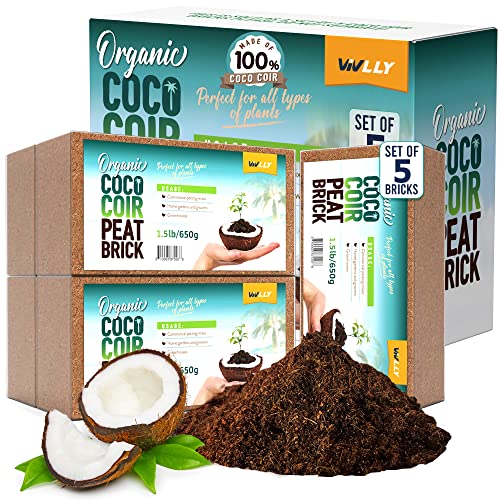
Vivlly Compressed Coco Coir Bricks, 5 Pack

Verdana Coco Coir Potting Soil Brick, 10 lb

Vermont Compost Fort Vee Organic Potting Soil, 40 Quarts

ZeeDix 100 Pack 30mm Coco Coir Pellets

ZeeDix 50 Pack 50mm Coco Coir Pellets

Legigo 100 Pcs 30mm Coco Coir Pellets
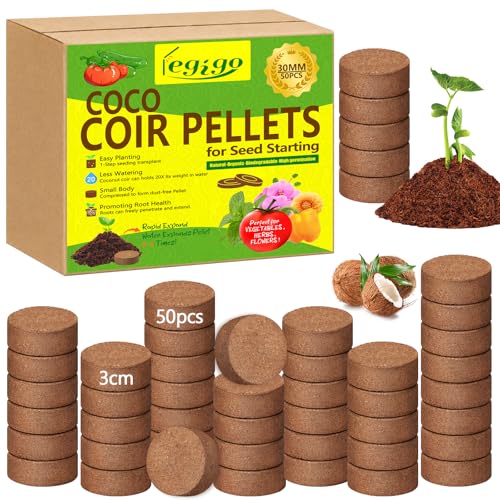
Legigo 50 Pcs 30mm Coco Coir Pellets

The Strengths Of Each Pick
Vermiculite is the quiet workhorse of seed starting, and Perfect Plants’ 8-quart bag is a sensible size for hobbyists who like to mix their own blend. Vermiculite itself is a heat-expanded mineral (a sterile, lightweight silicate) that holds moisture while still letting roots breathe. The 8-quart volume covers a couple of standard seedling trays with room to spare, and the bag pours cleanly without flooding your workbench.
For most home growers, this is the kind of add-in that quietly upgrades a basic peat or coir mix without needing to overhaul your routine. It does the same job for cuttings, root development, and humidity control under a dome.
Real-World Strengths
- Holds moisture well in low-humidity indoor setups, so seedlings don’t dry out between mistings.
- Stays in the mix without breaking down for multiple growing seasons.
- Light enough to broadcast over fine seeds as a thin top-dressing.
- Sterile by nature, lowering the chance of damping-off fungal issues in early stages.
Points To Note
- Not a standalone growing medium, so you still need a base like coir or compost to feed seedlings.
- Dry dust at the bottom of the bag is common and you’ll want to dampen before handling.
Feature Snapshot
Right Fit For
DIY mix builders who already keep coir or compost on hand and want a moisture-retentive boost.
Where Another Pick Suits Better
Seed starters who want a one-step option should reach for the Vermont Compost Fort Vee Organic Potting Soil, which comes ready to use straight from the bag.
Compressed coco coir bricks solve the storage problem that bagged mixes never quite address, and Vivlly’s 5-pack makes that storage math work for small-space growers. Each 650g brick expands into several gallons of fluffy medium once water hits it, which is a fun trick the first time you see it. Coco coir is the fibrous husk of the coconut, a renewable byproduct that behaves a lot like peat without the bog-harvesting footprint.
The low EC (electrical conductivity, basically the salt level in your medium) and pH-balanced claim matters more than it sounds, because raw coir can carry salts that scorch young roots. For apartment growers with a closet shelf and a watering can, this is one of the tidiest ways to keep a full season’s worth of medium on hand.
Good Reasons To Consider
- Five bricks cover an entire seed starting season with a few left over for potting up.
- Peat-free and renewable, which matters to organic-minded gardeners.
- Compact bricks fit on a single shelf and weigh almost nothing in storage.
- Rehydrates fast in a bucket, so you can mix a tray’s worth in minutes.
Honest Caveats
- You’ll need a large container for hydration since the expansion is dramatic and slightly messy.
- Coir on its own has limited nutrition, so seedlings will need a dilute feed once true leaves appear.
Built With In Mind
Apartment and small-space growers who need shelf-friendly medium and don’t mind a five-minute rehydration routine.
Look Elsewhere When
Beginners who want zero prep should grab the ZeeDix 30mm Coco Coir Pellets, where the soaking is already done for you.
The Verdana brick goes the other direction, trading compactness for raw volume. A single 10-pound block expands to roughly 72 quarts once water hits, which is enough to fill a couple of raised beds or a long run of seed trays. The brick format keeps shipping reasonable even at this scale, and storage is just a corner of the garage.
Where the Vivlly pack favors small-space growers, the Verdana block is for gardeners who want one source for both seed starting and larger soil-building projects. The same hydrated coir can move from a 72-cell tray into a tomato bed amendment without skipping a beat.
What Works In Its Favor
- Single-bulk format is more efficient than stacking multiple smaller bricks.
- Doubles as a peat-free raised bed amendment, stretching your investment.
- Clean coir with consistent texture, no sticks or bark to fish out of trays.
- Long shelf life in dry storage, so you can buy ahead and use it across seasons.
Worth Bearing In Mind
- Hydration takes a real container and a few minutes of stirring to break the brick apart evenly.
- Heavier and bulkier to receive at the door than the smaller-brick competition.
Who Will Love This
Raised bed and allotment gardeners who also start seeds indoors and want one product across both jobs.
Swap It Out When
Backyard growers who already have a raised bed mix on hand will get more value from the compost-rich Vermont Compost Fort Vee Organic Potting Soil.
Most seed starting mixes assume you’ll feed your seedlings on a schedule, but Fort Vee skips that step with a compost-based blend that brings its own nutrition to the party. The 40-quart volume (sold as a 2-pack) is sized for gardeners running a serious indoor or outdoor setup, where the same bag handles seed trays, container transplants, and even small raised beds without a second purchase.
Compared to the leaner coir options earlier in the list, this is the difference between a blank canvas and a primed one. For edible gardeners starting tomatoes, peppers, or leafy greens, the extra fertility means stronger early growth with less intervention.
The Value In It
- Compost-forward nutrition supports seedlings through the cotyledon stage without supplemental feeding.
- Works across seed starting, container gardening, and small raised beds, so one bag covers multiple jobs.
- Chemically clean formulation fits strict organic gardening routines.
Points To Keep In Mind
- Richer nutrient load means a slightly higher risk of leggy growth if light is weak indoors.
- Heavier bag than coir options, so plan your storage spot before delivery.
Quick Facts
Perfect Match For
Edible gardeners who want a rich, organic medium that handles seed starting and beyond in the same bag.
Skip It When
Tight-budget growers sowing a few trays will get more mileage from the ZeeDix 100 Pack 30mm Coco Coir Pellets.
Pellets take the guesswork out of seed starting, and ZeeDix’s 100-pack of 30mm coco coir discs is the most beginner-proof option in the list. Drop the disc in a tray, add water, and it expands into a small soil plug ready for a single seed. No measuring, no mixing, no extra pots to wash at the end of the season.
The 30mm size hits the sweet spot for most vegetables and herbs, holding enough moisture to keep germination steady without drowning tender roots. For someone starting their first tray of basil or marigolds, this is the path of least resistance.
What Pays Off
- Soak-and-sow format removes every mixing step from the routine.
- Compostable mesh (in most pellets of this type) means less plastic pot waste.
- Each pellet is one seed, so thinning and transplant shock drop noticeably.
Some Limits To Know
- 30mm pellets run out of room quickly for fast growers like tomatoes, so you’ll pot up sooner.
- Per-pellets cost is higher than bulk coir, which adds up across big sowings.
Best Suited To
First-time seed starters who want a clean, low-mess introduction without buying separate trays and soil.
Consider Something Else When
Tomato growers who want longer root runs before transplant will appreciate the larger ZeeDix 50mm pellets, which hold more medium per plug.
The 50mm version of the ZeeDix pellet solves the one real complaint about the 30mm pack: bigger pellets mean a longer runway before you have to pot up. The trade-off is half the count, so 50 instead of 100 plugs per order, but each one holds significantly more medium for a stronger root system.
For gardeners starting tomatoes, peppers, or anything that resents early transplant shock, the larger pellet is a quieter, more forgiving start. It still uses the same soak-and-sow method, so the convenience factor doesn’t change at all.
Bright Spots
- More growing medium per pellet means less urgent potting up.
- Same low-mess routine as smaller pellets, just a bigger footprint per plug.
- Lower EC coir reduces the risk of salt stress on slow-germinating seeds.
What To Weigh
- Per-unit count is lower, so big multi-variety sowings may need a second pack.
- Larger pellets need a wider tray cell to fit, so check your seedling tray dimensions first.
Right Fit For
Tomato, pepper, and herb growers who want their seedlings to develop stronger root systems before transplant.
Reach For A Different Pick When
Budget-focused gardeners running multiple full trays should size up to the Legigo 200 Pcs 30mm Coco Coir Pellets instead.
Legigo’s 100-pack of 30mm pellets lands in roughly the same format as the ZeeDix version above, but it typically clears the cost-per-pellet hurdle for bigger sowings. The discs measure 1.22 inches across and roughly half an inch tall, expanding into a soft plug once you add water. If you’ve been running multi-variety trays for a few seasons, this is the kind of count that lets you actually sow what you planned to sow.
For most home growers, the trade-off comes down to brand familiarity versus raw count. Functionally, the pellets behave the same way, and the 30mm size suits a wide range of flowers, herbs, and compact vegetables.
Standout Benefits
- High count per pack keeps per-pellet cost reasonable for larger sowings.
- Same low-mess soak routine, with compact storage when dry.
- Compressed format makes it easy to split the pack into multiple sowings across the season.
Practical Considerations
- 30mm size runs out fast for hungry growers, so expect to pot up tomatoes on the early side.
- You’ll want a humidity dome or cover to keep pellets from drying out before germination.
Made For
Multi-variety sowers who want a generous count without paying a premium price per pellet.
Where A Sibling Pick Shines
Gardeners starting a smaller, more curated set of seeds will find the Legigo 50 Pcs 30mm Coco Coir Pellets easier to finish in one season.
The 50-pack version of the Legigo 30mm pellet is the right size for window-sill growers and small herb gardens. Fifty plugs is enough for a couple of trays without leaving a half-used bag of dry pellets sitting around for the next season, which is a real issue with bigger counts if your planting plans shift year to year.
It uses the same compressed coir and 1.22-inch disc format as the larger Legigo pack above, so the only real difference is count. For most people starting a handful of herbs or a small flower bed, fifty is a clean number that matches the season without waste.
Strengths Worth Knowing
- Right-sized count for small gardens and windowsills, no leftover pellets to store.
- Same simple soak routine, no mixing or measuring.
- Compressed storage keeps a pack on a single shelf without bulk.
Honest Caveats
- Per-pellets cost is higher than the 100 or 200-pack versions, so it costs more per plug.
- You may run out mid-season if your plans grow, requiring a second order.
Right Fit For
Window-sill herb growers and small-space gardeners who only need a single round of seed starting.
Swap It Out When
Anyone planning a full tray of mixed vegetables will get better per-pellet value from the Legigo 200 Pcs 30mm Coco Coir Pellets.
The 200-count Legigo pack is the bulk option for full-tray sowers, community garden plots, and anyone running a real seed starting operation. Two hundred pellets covers a multi-tray sowing session with a generous buffer for succession plantings and second tries when germination runs soft.
Same compressed coir disc format, same 1.22-inch diameter, same soak-and-sow method as the smaller Legigo packs earlier in the list. The difference is purely count, and for most home growers, two hundred pellets is more than enough to justify the bulk buy.
Everyday Perks
- Lowest per-pellets cost in the roundup, ideal for high-volume sowings.
- Plenty of headroom for succession plantings, second tries, and gift transplants.
- Compressed dry storage keeps a 200-pack surprisingly manageable on a shelf.
Things To Weigh Up
- More pellets than casual gardeners may use in a single season.
- You’ll need enough tray cells to soak and plant this many at once, or stagger your sowings.
Quick Facts
Best Suited To
Full-tray sowers and community gardeners who want maximum per-pellet value without sacrificing the soak-and-sow convenience.
Not Your Match When
Beginners unsure of their seed volume should start with the smaller ZeeDix 100 Pack 30mm Coco Coir Pellets to avoid overbuying.
Picking The Right Mix For Your Setup
The “natural and organic” label covers a lot of ground, and the practical difference between options comes down to three things: how much medium you actually need, how much mixing you want to do, and how much nutrition the bag brings on its own.
For gardeners who want a blank-slate approach, coco coir bricks and pellets dominate. Coir is inert, meaning it has no native nutrients, so you control the feeding schedule. Bricks like the Vivlly and Verdana are budget-friendly over a full season, while pellets cost more per plug but skip every other step. If you’re filling trays fast and don’t want to wash mixing bowls, pellets earn their keep.
Compost-based blends like Vermont Compost Fort Vee change the equation by bringing nutrition with the medium. That matters for gardeners starting edible crops who want strong early growth, or anyone who’d rather not buy a separate seedling fertilizer on day one. The catch is that richer mixes need brighter light to avoid leggy seedlings, so a sunny window or a basic grow light makes a real difference.
For everyone in between, vermiculite earns its spot as a mix-in rather than a standalone. Blending a few handfuls into coir or compost improves moisture retention and aeration, especially in dry indoor air. The trade-off is one more product to keep on the shelf, so it makes most sense for growers already keeping a base medium around.
Key Considerations Across These Picks
Where Shoppers Go Wrong
The most common mistake is buying more medium than you’ll use in a single season. Coco coir bricks and compressed pellets both store well, but every extra bag is shelf space and a future decision about whether the coir is still clean enough to trust with new seedlings. For most home growers, sizing the bag to one full season of sowing avoids both waste and stale medium.
The Case For Spending Up
Premium compost-based blends cost more per quart, but the trade-off shows up in your feeding schedule. A nutrient-rich mix like Fort Vee removes the need for a separate seedling fertilizer for the first few weeks, which is genuinely useful for gardeners who don’t want to mix liquid feeds at the kitchen sink. For everyone else, the cost difference is real and the time savings are small, so the upgrade pays off most when you also value the organic certification and the richer starting medium.
Frequently Asked Questions
What is coco coir, and why is it used in seed starting?
Coco coir is the fibrous material from coconut husks, processed into a soil-like medium that holds moisture and air well. It’s popular in seed starting because it’s renewable, sterile, and reusable across seasons.
Are organic seed starting mixes better than regular ones?
Organic mixes skip synthetic fertilizers and wetting agents, which matters if you’re growing edibles or following organic gardening practices. For most home gardeners, the difference comes down to philosophy rather than plant performance.
How long can I store compressed coco coir bricks or pellets?
Dry compressed coir keeps for years in a cool, dry spot away from direct sunlight. Once hydrated, the medium stays usable for one to two seasons before salts and microbes start to build up.
Can I use these mixes for both seed starting and potting up?
Yes, most coco coir and compost-based options work across both stages. Coir is leaner and benefits from added nutrition, while compost-based blends like Fort Vee carry seedlings through both stages without changes.
Do I need to fertilize seedlings started in these mixes?
Coir-based and pellet formats are low in native nutrients, so a dilute liquid feed once true leaves appear helps. Compost-based blends like Fort Vee delay that need for a few weeks, but most seedlings still benefit from feeding before transplant.
Closing Remarks
The right medium depends less on the brand and more on the routine behind it. Match the format to how you actually sow, give seedlings enough light, and resist the urge to overbuy. The rest takes care of itself once the first true leaves unfurl.