Fish emulsion sits in a quiet middle ground between synthetic granules and homemade compost: a liquid feed that’s gentle enough for seedlings, rich enough to keep a heavy-feeding tomato patch happy through August, and affordable enough to buy by the gallon. The picks below cover planted aquariums, raised beds, container patios, and even worm-tea alternatives for gardeners who’d rather skip the fish smell. Match the format to the job, and you’ll spend less money correcting deficiencies later.
How The Shortlist Stacks Up
PickWhy We Picked ItBest ForAction

Aquarium PickSeachem Flourish 100 mL Freshwater Supplement
Trace-element blend for planted tanks
Planted freshwater aquariums

Organic CertifiedAlaska Fish Fertilizer 5-1-1 OMRI Listed
OMRI-listed organic garden feeding
Certified-organic vegetable beds
Cold-Pressed ChoiceThe Grow Co Organic Fish Fertilizer 1 Gallon
Cold-pressed whole-fish nutrients
Vegetable gardens and flower beds
Balanced All-RounderNeptune’s Harvest Fish & Seaweed 2-3-1 (36 oz)
Fish plus seaweed combo feeding
Mixed indoor and outdoor gardens

High Volume PickAlaska Fish Emulsion 5-1-1 Concentrate 1 Gallon
Wintergreen-deodorized bulk concentrate
Large yard and lawn feeding
Phosphorus BoostNeptune’s Harvest Fish Fertilizer 2-4-1 Quart
Higher phosphorus for blooming
Flowering and fruiting plants

Small-Batch FriendlyLilly Miller Fish Emulsion Fertilizer 1 Quart
Compact quart for light feedings
Houseplants and small containers
No-Fish AlternativeVermisTerra Earthworm Casting Tea 2 Gallons
No-Fish AlternativeVermisTerra Earthworm Casting Tea 2 Gallons
Living microbe soil conditioner
Odor-sensitive garden spaces
Hydrolyzed FormulaGS Plant Foods Liquid Fish Fertilizer 1 Gallon
OMRI-listed hydrolyzed fish concentrate
Organic gardens and containers

Iron SupporterAPI LEAF ZONE Freshwater Aquarium Fertilizer 8 oz
Chelated iron for aquatic leaves
Freshwater planted aquariums
The Picks, Examined More Closely
Seachem Flourish is a liquid freshwater plant supplement built around trace elements and micronutrients that root tabs and plain fertilizers often leave out. The 100 mL bottle is sized for a typical 20- to 55-gallon planted aquarium, dosing a few milliliters per week, so a single bottle can run for months on a moderate setup. Where garden fish emulsions push nitrogen hard, this one targets the small nutritional gaps that cause stalled growth or pale new leaves in a low-tech tank.
For someone running a community tank with a handful of stem plants and anubias, that’s the right balance. Heavily stocked high-light tanks with CO2 injection may outpace what Flourish provides on its own, in which case pairing it with a dedicated macros dose (nitrogen, phosphorus, potassium) is the honest path forward.
Key Advantages
- ✓Trace-element and micronutrient blend tuned for submersed aquatic plants
- ✓Compact 100 mL bottle that stores easily in a cabinet or under a stand
- ✓Weekly dosing routine keeps the routine simple for planted-tank beginners
- ✓Plays well with most freshwater community fish, shrimp, and snails when used as directed
Things To Consider
- •Does not replace a macronutrient fertilizer in high-light or fast-growing setups
- •Small bottle size becomes uneconomical on tanks larger than 75 gallons
- •Owners commonly report dosing carefully, as overdosing can stress sensitive shrimp colonies
Key Attributes
| | Feature | Specification | Why It Matters |
|---|
| Format | Liquid supplement | Mixes directly into aquarium water |
| Volume | 100 mL / 3.4 fl. oz. | Lasts months in a mid-size planted tank |
| Target use | Freshwater planted aquariums | Tailored to submersed plant nutrition |
Who It Suits Best
Planted-tank owners with low-to-medium light setups who want a gentle weekly trace-element dose without juggling multiple bottles.
Look Elsewhere When
API LEAF ZONE suits you better if your planted tank shows yellowing leaves and you specifically need a chelated iron and potassium push.
Alaska’s 5-1-1 fish fertilizer is a workhorse liquid feed that’s OMRI Listed, meaning it’s reviewed for use in certified-organic production. The N-P-K ratio favors nitrogen, so it’s the bottle most gardeners reach for when leafy crops like lettuce, kale, and chard need steady vegetative push. Mix it with water according to label rates and apply at the base of plants or as a light foliar feed during cool morning hours.
This is the second Alaska product on the list, and the difference matters: the OMRI Listed version is the one to choose if certification paperwork matters to your farm, market garden, or community plot. Backyard growers without certification requirements may be perfectly happy with the larger concentrate below, which stretches further per dollar.
Advantages To Know
- ✓OMRI Listed status supports certified-organic use and organic transplanting
- ✓Gentle 5-1-1 ratio feeds without burning tender roots
- ✓Works across vegetables, herbs, flowers, and container plants alike
- ✓Liquid format mixes cleanly into watering cans and hose-end sprayers
Points To Note
- •Smaller bottle size raises the per-ounce cost versus gallon concentrates
- •Carries the typical fish-emulsion aroma during mixing, so plan for outdoor use
Made For
Organic-focused vegetable gardeners and small-plot growers who need documented certification-friendly inputs.
Not Your Match When
The Grow Co 1-gallon cold-pressed formula is a better fit if you want larger volume and whole-fish processing for a backyard, non-certified garden.
The Grow Co’s gallon jug is positioned for gardeners who want volume and a “whole fish” processing story. The brand describes a cold-pressing method intended to preserve amino acids, vitamins, and enzymes that heat-based processing can degrade. Whether that nuance matters to a casual tomato grower is a fair question, but for raised beds and larger flower borders, the gallon size means fewer mid-season runs to the garden center.
Compared with the smaller Alaska OMRI bottle above, this is a volume play with a slightly different sourcing angle. In a small balcony garden, it can sit for a long time once opened, and the natural aroma is part of the package, so a sealed storage plan matters.
A Few Highlights
- ✓One-gallon size suits vegetable patches and large flower borders
- ✓Cold-pressed processing aims to retain amino acids and natural enzymes
- ✓Works as both a soil drench and a light foliar feed
- ✓Liquid format allows quick nutrient uptake during the active growing season
Trade Offs
- •Gallon size is bulky to store once opened and benefits from a cool, shaded spot
- •Typical fish smell lingers during application, so plan for outdoor mixing
Right Fit For
Backyard vegetable gardeners and flower-border growers who want a single jug to cover most of the season.
Skip It When
Alaska 5-1-1 Concentrate 1 Gallon is a smarter buy if you specifically want the wintergreen-deodorized version for less aromatic application.
Neptune’s Harvest splits its formula roughly 75% fish, 25% seaweed, blending two of the most trusted organic inputs into a single 36-ounce bottle. Seaweed contributes trace minerals, natural cytokinins, and stress-resistance compounds that straight fish emulsions don’t supply, while the fish component delivers the core nitrogen-phosphorus-potassium (N-P-K) values. For mixed gardens with vegetables, flowers, fruit, and lawn patches, the 2-3-1 ratio is balanced enough to handle most of those without a second bottle.
Where the pure-fish 5-1-1 formulas above lean leafy, this one carries slightly more phosphorus to support root development and bloom set. The 36-ounce size is a comfortable middle ground: large enough for a few raised beds, compact enough to store on a garage shelf.
Practical Pluses
- ✓Fish-and-seaweed blend adds trace minerals and natural plant-stress support
- ✓2-3-1 N-P-K balance suits mixed edible and ornamental plantings
- ✓Appropriate for indoor and outdoor applications, including houseplants and patio containers
- ✓Shelf-stable liquid that pours and dilutes without aggressive mixing
Where It May Fall Short
- •Per-ounce cost is higher than gallon concentrates when feeding a large lawn
- •Seaweed component adds a marine note to the smell during application
Feature Snapshot
| | Feature | Specification | Why It Matters |
|---|
| Ratio | 2-3-1 N-P-K | Balanced feeding for vegetables, flowers, and lawns |
| Blend | Fish and seaweed | Adds trace minerals beyond straight fish emulsion |
| Volume | 36 oz bottle | Covers several raised beds per application |
Best Suited To
Garden owners juggling vegetables, flowers, fruit, and a small lawn who want one flexible organic feed instead of a shelf full of bottles.
A Better Fit Elsewhere
Neptune’s Harvest Fish Fertilizer 2-4-1 Quart is the better call when your priority is heavier bloom and fruit set on tomatoes, peppers, or flowering annuals.
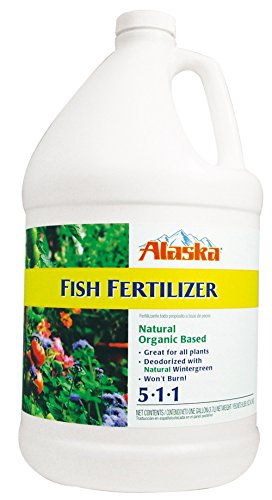
This gallon concentrate is the big-volume sibling of the OMRI Listed Alaska bottle earlier on the list, and the differences come down to size and odor handling. The brand deodorizes the formula with natural wintergreen, which softens the fish smell that puts some gardeners off, and the no-burn claim holds up under standard label rates even on thirsty lawn turf. For a yard with shrubs, flower beds, and a vegetable patch that all need the same feed, one jug can carry the whole season.
Packaging may vary from batch to batch, which is a fair heads-up if you have a specific jug style in mind. Functionally, the contents are the same Alaska 5-1-1 concentrate that has anchored organic gardens for years.
Useful Strengths
- ✓One-gallon volume covers lawns, beds, and containers over a full season
- ✓Wintergreen deodorization reduces the fish aroma during mixing and application
- ✓5-1-1 ratio is gentle enough to use through the growing season without burn
- ✓Compatible with indoor and outdoor plants at standard dilution rates
Honest Caveats
- •Packaging may vary, so don’t expect a uniform jug appearance between reorders
- •Gallon jug gets heavy once full and benefits from a dedicated storage spot
Who Will Love This
Whole-yard growers who want one organic concentrate that can feed lawn, beds, and containers without juggling smaller bottles.
Where A Sibling Pick Shines
Neptune’s Harvest Fish & Seaweed 2-3-1 is a smarter buy when your garden needs the added trace minerals and stress support that seaweed contributes.
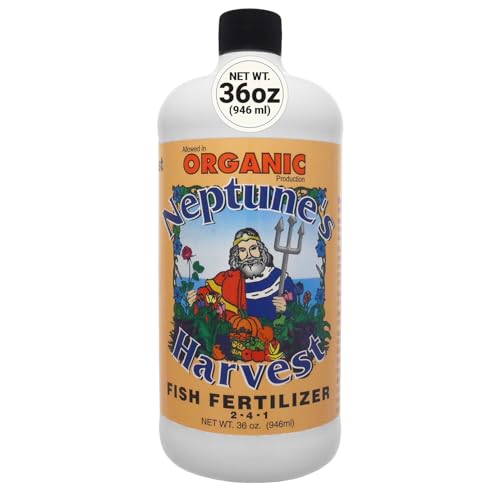
The 2-4-1 fish-only quart is Neptune’s Harvest’s bloom-leaning entry, with the middle number doubled compared to the fish-and-seaweed blend above. That extra phosphorus supports flowering and fruiting, which is exactly what tomato, pepper, squash, and dahlia growers are usually chasing midseason. The cold-process manufacturing is meant to preserve natural enzymes and growth hormones that heat-treated emulsions can lose.
The quart format is a thoughtful size for a single small raised bed or a focused feeding routine on flowering annuals. For a yard-wide program, you’d step up to the 36-ounce fish-and-seaweed or the gallon Alaska concentrate instead.
Where It Helps
- ✓2-4-1 ratio supports flowering, fruit set, and root development
- ✓Cold-processed formula aims to keep natural enzymes and amino acids intact
- ✓Sourced from North Atlantic ocean fish, avoiding farm- or river-raised stock
- ✓Quart size handles one small bed or a focused bloom-feeding routine
Practical Considerations
- •Quart size is small for full-yard or large-garden use
- •Carries a noticeable fish aroma during mixing, so outdoor use is best
Quick Facts
| | Feature | Specification | Why It Matters |
|---|
| Ratio | 2-4-1 N-P-K | Higher phosphorus for blooms and fruit |
| Format | Cold-processed liquid hydrolysate | Preserves enzymes and amino acids |
| Volume | 1 quart | Practical for single beds and containers |
Perfect Match For
Tomato, pepper, and dahlia growers running a small raised bed who want a bloom-focused organic feed in a manageable bottle.
Another Choice May Suit
Alaska Fish Emulsion 5-1-1 Concentrate is a better option when your priority is steady leafy growth on lawn and greens, not bloom intensity.
Lilly Miller’s quart bottle is sized for the gardener who doesn’t need a gallon of anything. The brand markets it as a multi-purpose organic feed that works on indoor houseplants and outdoor beds alike, and the smaller format keeps a single bottle from sitting half-used through an entire off-season. For apartment dwellers with a windowsill herb garden or a couple of patio pots, that convenience is the whole point.
Where the gallon Alaska or Neptune’s Harvest jugs make sense for a serious backyard operation, this quart is the right scale for light, repeat applications on a small plant collection.
Points In Its Favor
- ✓Quart size fits a small plant collection without long storage periods
- ✓Marketed for both indoor houseplants and outdoor beds
- ✓Organic-base formula aligns with low-input gardening routines
- ✓Easy-pour bottle works for measured feedings in a watering can
Less Ideal Details
- •Per-ounce cost climbs compared with gallon concentrates
- •Small bottle becomes a poor value for any yard larger than a few containers
Built With In Mind
Apartment gardeners and houseplant owners who want a single organic bottle for occasional feedings on a small collection.
Reach For A Different Pick When
The Grow Co 1-gallon cold-pressed fertilizer is the better fit once your garden expands to raised beds and full vegetable rows.
VermisTerra’s worm-tea concentrate is the only entry on this list that isn’t a fish product, and that’s deliberate. The 2-gallon liquid is brewed from earthworm castings and aims to deliver a broad spectrum of plant-available nutrients, including nitrogen, phosphorus, potassium, calcium, magnesium, and a long list of micronutrients, along with beneficial microbes. For gardeners who can’t stand the smell of fish emulsion or who keep gardens close to porches and outdoor dining areas, this is the work-around.
The trade-off is concentration: worm tea is generally a gentler feed than fish emulsion, so applications may need to be more frequent. Think of it as a soil conditioner first, with feeding benefits layered on top.
The Upside
- ✓Odor profile is mild compared with fish-based emulsions
- ✓Certified organic and supports regenerative-soil practices
- ✓Liquid form contains living microbes that work in the root zone
- ✓Broad nutrient panel covers both macronutrients and micronutrients
Soft Spots
- •Lower nutrient density than fish emulsions may require more frequent applications
- •Two-gallon size is heavy to ship and store, even before dilution
Feature Card
| | Feature | Specification | Why It Matters |
|---|
| Source | Earthworm casting tea | Plant-available nutrients from worm-processed organic matter |
| Certification | Certified organic | Approved for organic growing systems |
| Volume | 2 gallons concentrate | Covers multiple beds and containers per jug |
Whose Shelf It Belongs On
Odor-sensitive gardeners, indoor patio growers, and anyone building a regenerative-soil program who’d rather skip fish-based feeds.
Swap It Out When
Alaska Fish Emulsion 5-1-1 Concentrate is the better fit when you want faster visible green-up on heavy-feeding leafy crops.
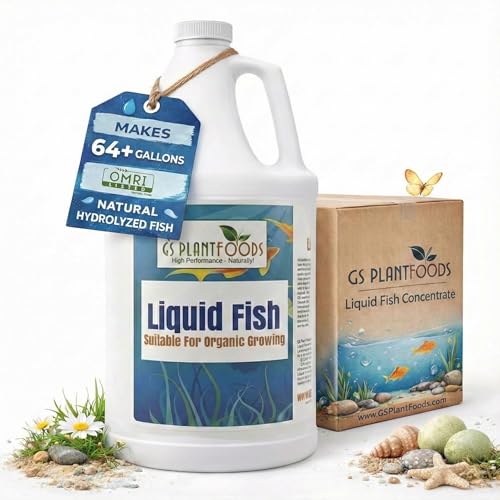
GS Plant Foods’ gallon offering rounds out the certified-organic end of this list. The hydrolyzed fish process breaks the raw material into a more plant-available form, which the brand pitches as faster uptake compared with traditional emulsions. The OMRI-listed label, which certifies products reviewed against organic-production standards, also matters if you’re growing under organic protocols and need documentation.
It’s worth pausing on the N-P-K numbers: this one is a 2-3-1, so it sits between the leafy Alaska 5-1-1 and the bloom-leaning Neptune’s Harvest 2-4-1. If you’ve been reading along, you can already tell that ratio choice is the single biggest driver of which bottle fits your garden.
Positive Points
- ✓OMRI-listed status supports certified-organic production
- ✓Hydrolyzed fish format aims for faster plant uptake than emulsions
- ✓2-3-1 N-P-K covers general-purpose feeding across vegetables and ornamentals
- ✓One-gallon volume fits larger gardens and small farms
Some Limits To Know
- •2-3-1 ratio is moderate, not aggressive, so heavy feeders may want supplemental nitrogen
- •Gallon format is heavy once full and benefits from a cool storage spot
Who Should Grab It
Organic-certified growers managing a larger garden or small farm who want a single gallon jug for season-long feeding.
Where Another Pick Suits Better
Neptune’s Harvest 2-4-1 Quart is the better call when you specifically want a bloom-focused ratio for fruiting crops in a smaller bed.
API LEAF ZONE closes the list where the first pick opened it, back in the freshwater aquarium. Where Seachem Flourish targets the broad trace-element range, LEAF ZONE narrows in on chelated iron (a form of iron that stays usable to plants) and potassium, which are the two nutrients most likely to cause yellowing between leaf veins or weak stems in a planted tank. Adding a few milliliters after water changes is a quick correction step.
You wouldn’t pour this on a vegetable garden, and you wouldn’t dose Seachem Flourish the same way. The two are complementary if you keep a heavily planted tank and want both a base supplement and an iron-specific boost on hand.
Everyday Perks
- ✓Chelated iron supports green leaf color and prevents interveinal yellowing
- ✓Compact 8-ounce bottle stores easily in an aquarium cabinet
- ✓Liquid format disperses quickly through tank water after dosing
- ✓Plays well with most freshwater community fish and plants at standard rates
Details To Watch
- •Not a complete fertilizer; pairs with a broader supplement like Seachem Flourish for full coverage
- •Owners commonly report checking dosage carefully on shrimp tanks to avoid stress
Feature Overview
| | Feature | Specification | Why It Matters |
|---|
| Format | Liquid fertilizer | Adds directly to aquarium water |
| Volume | 8 oz bottle | Compact for aquarium storage |
| Focus nutrients | Chelated iron and potassium | Targets yellowing leaves and weak stems |
The Right Fit
Planted-aquarium owners seeing yellowing or pale new leaves who want an iron-and-potassium correction on top of their base supplement.
Consider Something Else When
Seachem Flourish 100 mL suits you better if you want a broad trace-element base dose rather than an iron-specific correction.
What To Weigh Before Picking A Fish Emulsion
The biggest decision in this category is the N-P-K ratio, which is the three-number label that lists the percentage of nitrogen, phosphorus, and potassium in the mix. A 5-1-1 like Alaska’s options drives leafy green growth, so it’s the right call for lawns, salad greens, and herbs. A 2-4-1 like Neptune’s Harvest Fish Fertilizer pushes phosphorus to fuel bloom and fruit set, which is what tomatoes, peppers, and dahlias want midseason. A balanced 2-3-1 like Neptune’s Harvest Fish & Seaweed or GS Plant Foods splits the difference and travels well across mixed plantings.
Match Format To Scale
Quarts and 8-ounce bottles make sense for houseplants, single small beds, and aquarium dosing. Gallons earn their keep when you’re feeding a full yard, a multi-bed vegetable garden, or a small farm plot. The cold-pressed and hydrolyzed processing stories (The Grow Co, GS Plant Foods) aim to preserve more amino acids and enzymes, but the visible difference in a backyard is usually modest.
Aquarium Vs. Garden Are Different Categories
Seachem Flourish and API LEAF ZONE are freshwater aquarium products, not garden fertilizers, and they shouldn’t be applied to soil. Conversely, garden fish emulsions will overwhelm a closed aquarium and can harm fish and shrimp. Keep the two uses separate even though both fall under the broader “fish emulsion” search.
Certification And Odor Matter In Specific Scenarios
OMRI-listed bottles (Alaska OMRI, GS Plant Foods) matter when your garden or farm needs to stay compliant with organic-production paperwork. Wintergreen-deodorized formulas (Alaska 5-1-1 Concentrate) make a real difference if you’re feeding near a porch, dining area, or open windows. For truly odor-free feeding, VermisTerra’s worm tea sidesteps fish altogether.
Key Considerations Across These Picks
Common Buying Traps
A surprisingly common mistake is grabbing the highest-nitrogen formula on the shelf because it sounds “strongest,” then watching fruiting crops explode into leaves with very little fruit set. Match the N-P-K to the plant group you’re feeding, not to a general sense of power. Another trap is buying a gallon jug for a windowsill herb garden and ending up with a half-used bottle that’s lost potency by next season. Pick a size your routine will actually finish in a single growing season.
When Paying More Pays Off
Higher-priced bottles in this category usually earn their premium through processing (cold-pressed, hydrolyzed), certification (OMRI-listed status), or added ingredients (seaweed, beneficial microbes). Those differences show up clearly in certified-organic operations, in gardens where seaweed’s trace minerals and stress support actually matter, and in situations where odor reduction or faster uptake is worth the markup. For a basic backyard lawn, the standard Alaska or Neptune’s Harvest gallon delivers honest value without the premium tier.