Growing tomatoes means feeding hungry plants through long summers, and the right organic fertilizer shapes everything from blossom set to flavor depth. Whether you tend a single raised bed or a backyard full of heirlooms, this roundup walks through seven picks built around natural ingredients, balanced N-P-K ratios, and realistic backyard use. You will find options for early root-building, midseason growth boosts, and flowering-stage phosphorus pushes, so you can match each product to the moment your tomatoes need it most.
The Leading Options At A Glance
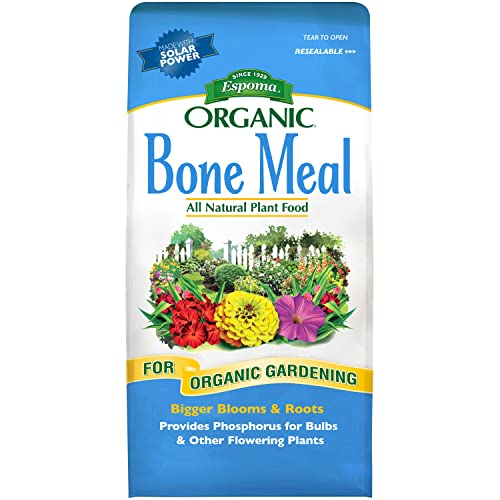
Espoma Organic Bone Meal Fertilizer 4-12-0, 8 lb. Bag

Miracle-Gro Water Soluble All Purpose Plant Food, 3 lb.

Whitney Farms Organic Bone Meal 6-8-0, 3 lb.
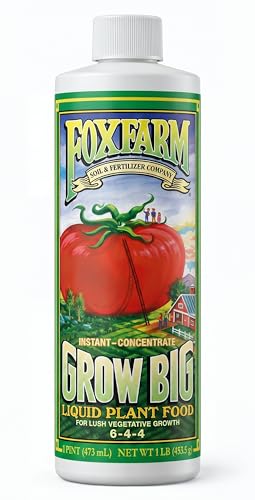
FoxFarm Grow Big Liquid Plant Food 6-4-4, Pint Concentrate

Athena Blended PK Bloom Booster Liquid Fertilizer 0-4-5, 1 Gallon

Farmer’s Secret Tomato Booster Fertilizer 3:8:7 Ratio, 32 oz.

Tank’s Green Stuff Supermix Organic Fertilizer, 4 lb.
More On The Choices That Made The List
Espoma’s bone meal sits in that slow-release corner of the natural fertilizer world. Its 4-12-0 ratio leans heavily on phosphorus, which tomatoes need most during root establishment and early flower formation. Gardeners working in phosphorus-deficient native soil often see the strongest response from this kind of amendment, since it feeds the plant below the surface where roots are actively spreading.
The 8 lb. bag covers several planting holes or a modest raised bed with room to spare. You work it into the soil at planting time, and the meal breaks down gradually as soil microbes process it. For organic gardeners who want a single bag that handles tomatoes, peppers, and flowering bulbs alike, this fits cleanly into a spring routine.
Everyday Wins
- High phosphorus ratio supports strong root development before the plant shifts energy to fruit production.
- Slow-release feeding means fewer repeat applications during the season.
- Large 8 lb. bag handles multiple beds or a long row of tomato transplants.
- Approved for organic gardening programs, fitting the needs of chemical-free growers.
Things To Consider
- Low nitrogen content means you will likely want a complementary nitrogen source during leafy growth stages.
- Bone meal works best when soil pH sits below 7; alkaline soils can limit phosphorus availability.
- Granular texture requires mixing into soil rather than a quick water-and-go application.
Feature Snapshot
Built With In Mind
Organic gardeners who prep beds in spring and want a foundational phosphorus source for tomatoes, peppers, and flowering bulbs at planting time.
Consider Something Else When
If you want a one-step feeding that delivers nitrogen, phosphorus, and potassium together, Tank’s Green Stuff Supermix Organic Fertilizer brings a broader ingredient list to the same bed prep.
Miracle-Gro’s water-soluble powder has been a familiar sight on garden shelves for decades. You scoop, mix, and water in, which makes it approachable for new tomato growers who do not want to fuss with soil amendments. The all-purpose blend covers tomatoes along with flowers, herbs, and houseplants, so one container handles mixed beds.
For container tomatoes on a patio, this format is hard to beat. You feed every one to two weeks during the growing season, and the nutrients reach roots quickly through the watering can. The trade-off is more frequent applications than slow-release options like the Espoma bone meal covered above.
A Few Strong Suits
- Dissolves cleanly in water for fast root uptake and quick visible response.
- Works on tomatoes alongside flowers, herbs, and houseplants in mixed gardens.
- 3 lb. tub lasts a full season for a small to medium vegetable garden.
- Beginner-friendly format with simple measuring and watering-can application.
Worth Noting
- Requires repeat applications every one to two weeks through the season.
- Powder can clump if stored in a humid garage or shed, so a sealed container helps.
- Not formulated specifically for tomatoes, so dedicated tomato feeds like Farmer’s Secret offer more targeted ratios.
Whose Shelf It Belongs On
First-time tomato growers who want a simple, repeat-feeding routine and grow a mix of vegetables, herbs, and flowers in the same space.
Look Elsewhere When
Gardeners committed to fully organic inputs should look at Whitney Farms Organic Bone Meal 6-8-0 instead, since it carries organic certification and a tomato-friendly nutrient split.
Whitney Farms takes the bone meal concept and shifts the ratio slightly toward nitrogen, landing at 6-8-0. That small bump in nitrogen makes a noticeable difference early in the season when tomato seedlings push out their first true leaves and need chlorophyll-building support alongside root growth.
The 3 lb. box suits a smaller backyard setup, a couple of raised beds, or a community garden plot. You can side-dress established plants or mix it into transplant holes, and the organic certification keeps it aligned with chemical-free gardening standards. For gardeners who want a single bone-meal bag that handles both foliage and roots, this fills the slot.
What Stands Out
- 6-8-0 ratio delivers modest nitrogen alongside phosphorus for balanced early growth.
- Organic certification fits chemical-free garden programs and soil-building goals.
- Provides calcium as a secondary nutrient, supporting cell wall strength in tomato fruit.
- Compact 3 lb. box stores easily in a garden shed or garage shelf.
Honest Caveats
- Smaller bag means more frequent repurchasing than larger-format Espoma bone meal for bigger plantings.
- Still no potassium in the mix, so a separate bloom-stage feed like Athena’s PK Booster may be needed later.
- Bone meal breaks down slowly in cold spring soils, so plan applications a few weeks before transplanting.
Key Product Details
The Right Fit
Organic backyard gardeners managing a small plot who want one bone meal that handles both leafy push and root development across a season of tomatoes.
Skip It When
Large-scale growers working multiple beds should consider Espoma Organic Bone Meal Fertilizer 4-12-0, whose 8 lb. bag offers more coverage per purchase.
FoxFarm Grow Big lives in the vegetative-growth lane, which is exactly where young tomato plants spend their first few weeks after transplant. The 6-4-4 ratio leans into nitrogen for foliage and stem development, while still carrying enough phosphorus and potassium to keep roots and bud sites active. Liquid concentrates like this one feed through the watering can, so nutrients reach the root zone within hours rather than weeks.
You typically run Grow Big from transplant through early flowering, then switch to a bloom-focused feed like Athena’s PK Booster covered below. The pint bottle concentrates heavily, so a small amount stretches across many feedings, and the squeeze-style measuring helps with consistent dosing.
Reasons It Performs
- Higher nitrogen ratio drives leafy growth and stem thickness during early vegetative stages.
- Liquid concentrate format delivers nutrients to roots faster than granular amendments.
- Pint bottle concentrates a long feeding cycle from a single purchase.
- Compatible with tomatoes, roses, and other flowering vegetables in mixed beds.
Trade Offs
- Designed for vegetative growth, so you’ll need a separate bloom-stage feed once flowering begins.
- Liquid measuring takes more attention than sprinkling a granular fertilizer.
- Not labeled organic, which matters if your garden program requires organic certification.
Feature Card
Who Should Grab It
Tomato growers who run a staged feeding program and want a dedicated vegetative boost for the weeks between transplant and first flower.
Reach For A Different Pick When
Organic-focused gardeners should consider Tank’s Green Stuff Supermix Organic Fertilizer, which delivers early growth support with a fully organic ingredient list.
Athena’s PK Booster steps in once tomato plants shift from leafy growth to flowering and fruiting. The 0-4-5 ratio intentionally leaves nitrogen out of the picture, focusing entirely on phosphorus and potassium. Phosphorus supports blossom development, while potassium moves sugars through the plant and helps with fruit sizing and flavor.
The one-gallon jug suits growers running doser systems or feeding larger plantings through the bloom window. The formula dissolves cleanly into irrigation lines without residue, and it skips the stock-tank mixing step that some professional feeds require. For a backyard gardener with a single tomato patch, the gallon size offers room to share with peppers, eggplants, and other fruiting crops.
Positive Takeaways
- Zero-nitrogen formula channels energy into blooms rather than excess foliage.
- Phosphorus and potassium ratio targets fruit set, sizing, and ripening.
- Fully soluble formula keeps irrigation lines clean and prevents clogging.
- One-gallon size handles a full bloom cycle for several fruiting plants.
Points To Keep In Mind
- Larger gallon format is bulkier to store than smaller concentrates.
- Designed for the bloom phase specifically, so it pairs with a vegetative feed rather than standing alone.
- Dosage accuracy matters; over-application can disrupt potassium-calcium balance in tomato fruit.
Quick Facts
Best Suited To
Experienced tomato growers running a multi-stage feeding program who want a clean, irrigation-friendly bloom booster for the flowering window.
A Better Fit Elsewhere
Casual growers feeding a small backyard patch may find Farmer’s Secret Tomato Booster Fertilizer easier, since it covers the full season in one bottle without stage-switching.
Farmer’s Secret built this formula around tomatoes specifically, and the 3-8-7 ratio reflects that focus. The middle number carries the weight, which is exactly what fruiting tomatoes pull from the soil once blossoms open. The addition of humic acid, iron, and calcium addresses common tomato struggles like blossom-end rot and pale foliage in one formula.
You dilute two teaspoons per gallon and apply weekly, which means the 32 oz. bottle stretches across an entire growing season for a modest planting. The super-concentrated format is friendly to small-space growers who do not want to store bulky bags or jugs. Compared to the staged approach needed for FoxFarm Grow Big and Athena’s PK Booster, this is a single-product routine.
The Case For It
- Tomato-specific 3-8-7 ratio targets fruiting-stage nutrient needs without stage-switching.
- Humic acid and iron additions support nutrient uptake and leaf color.
- Calcium inclusion helps reduce blossom-end rot risk in heavy-fruiting varieties.
- Weekly diluted feeding fits a simple, repeatable routine for small gardens.
Practical Considerations
- Super-concentrated formula means measuring spoons matter; sloppy dilution can over- or under-feed plants.
- Designed specifically for tomatoes, so it is less useful across mixed vegetable beds.
- Weekly application schedule requires consistent attention through the entire season.
Who It Suits Best
Backyard tomato growers who want a single product that handles the full life cycle, from flowering through harvest, without juggling multiple feeds.
Where A Sibling Pick Shines
Growers running mixed vegetable beds that include peppers, leafy greens, and herbs may prefer Miracle-Gro Water Soluble All Purpose Plant Food, which covers a wider range of crops.
Tank’s SuperMix sits firmly in the organic corner, blending 16 natural ingredients including worm castings, heat-treated bat guano, biochar, and kelp meal. That kind of ingredient spread feeds both the plant and the soil biology underneath it, which matters for gardeners thinking long-term about soil structure. The OMRI-listed certification means it fits strict organic gardening programs.
The 4 lb. bag covers a modest vegetable garden, and you can use it through any growth stage rather than switching products mid-season. It works across tomatoes, flowers, herbs, and shrubs, so a single bag handles more than just the tomato patch. The trade-off, compared to single-purpose bone meals, is a less concentrated N-P-K punch per application.
Positive Points
- OMRI-listed organic certification aligns with chemical-free garden programs.
- 16-ingredient blend feeds both plants and underlying soil biology.
- Works through every growth stage without needing to switch products mid-season.
- Multi-purpose formula covers tomatoes, flowers, herbs, and shrubs from one bag.
Some Limits To Know
- Milder nutrient concentration means larger application volumes per plant than synthetic feeds.
- Granular format requires soil mixing rather than quick-water feeding.
- Biochar and worm castings can have a mild earthy odor when first applied to wet soil.
Made For
Organic vegetable gardeners managing a diverse backyard plot who want one bag that feeds tomatoes, herbs, and flowers while building long-term soil health.
Swap It Out When
Growers chasing maximum fruit size in a high-yield tomato patch may prefer Farmer’s Secret Tomato Booster Fertilizer, which delivers a more concentrated fruiting-stage nutrient ratio.
Factors To Consider When Choosing Natural Fertilizers for Tomato Plants
Tomatoes feed heavily through the season, and matching fertilizer type to growth stage makes the biggest difference. Early on, nitrogen drives the leafy framework that supports future fruit load, so a vegetative-leaning product like FoxFarm Grow Big works well in the first weeks after transplant. Once blossoms appear, the plant’s appetite shifts toward phosphorus and potassium, which is where bloom-focused feeds such as Athena’s PK Booster or a tomato-specific formula like Farmer’s Secret come in. Bone meals like Espoma and Whitney Farms play a different role, building root strength and supplementing calcium at planting time rather than pushing visible growth.
Soil type and pH shape results just as much as fertilizer choice. Bone meal releases phosphorus most effectively in slightly acidic soils, while alkaline conditions can lock that phosphorus away from roots regardless of how much you apply. Heavier clay soils benefit from organic blends like Tank’s SuperMix, where biochar and worm castings improve drainage and microbial activity over time. Sandy soils lose nutrients faster and respond well to slow-release amendments that feed gradually.
Garden size and feeding style should also guide the decision. Container growers and small-plot gardeners often prefer water-soluble or concentrated liquid feeds that mix quickly into a watering can, while larger beds reward granular amendments worked into the soil once at the start of the season. Organic certification matters to gardeners following chemical-free protocols, and OMRI-listed products remove any guesswork about whether the inputs qualify.
Key Considerations Across These Picks
Pitfalls Shoppers Hit
One common mistake is choosing a fertilizer based on its N-P-K numbers alone without considering timing. A high-nitrogen blend feeds leaves beautifully in spring but can crowd out fruit production later if you keep applying it through summer. Reading the intended use stage on the label prevents that mismatch.
Another slip is ignoring soil pH, especially when using bone meal. Phosphorus from bone meal becomes less available as soil pH climbs above neutral, so a simple pH test before planting saves money and disappointment. Pairing amendments with a compost layer also buffers the soil and improves nutrient uptake.
What The Higher Tier Buys
Premium-tier tomato feeds cost more because they include secondary nutrients like humic acid, iron, and calcium in addition to the standard N-P-K. Those extras address common tomato problems such as blossom-end rot and chlorosis directly, rather than requiring separate products to solve them. For growers managing a small patch who want a single bottle for the whole season, that consolidated approach justifies the higher price.
Frequently Asked Questions
How often should you fertilize tomato plants with natural fertilizer?
Most natural fertilizers feed tomatoes every two to four weeks during active growth, with bloom-specific feeds running weekly through the flowering window. Slow-release bone meals can go longer between applications since they break down gradually.
Can you use the same natural fertilizer for tomatoes in containers and garden beds?
Yes, but container tomatoes typically need more frequent feeding because nutrients leach out faster through drainage holes. Liquid concentrates like FoxFarm Grow Big or weekly diluted feeds like Farmer’s Secret work especially well for pots.
Are organic fertilizers better than synthetic options for tomatoes?
Organic fertilizers build soil biology over time and release nutrients gradually, which suits many backyard gardeners. Synthetic options deliver faster visible results but skip the long-term soil-building benefits that organic blends like Tank’s SuperMix provide.
When should you stop fertilizing tomato plants?
Most growers taper off feeding as fruit ripens, since extra nutrients late in the season can split skins or delay ripening. A final feeding two to three weeks before your expected last harvest is a common stopping point.
Do tomatoes need calcium supplements beyond standard fertilizer?
Calcium helps prevent blossom-end rot in heavy-fruiting varieties, and products like Whitney Farms bone meal or Farmer’s Secret Tomato Booster include calcium in their formulations. A separate calcium supplement only becomes necessary if you see blossom-end rot symptoms appearing.
Closing Remarks
The right natural fertilizer depends on what your tomatoes need and when they need it, from root-building phosphorus at planting time to bloom-stage potassium push through summer. Mix and match across this list as the season progresses, or pick a single tomato-specific formula if you prefer a simple routine. Either way, feeding your soil feeds your harvest, and a thoughtful amendment plan pays off in stronger plants and better-tasting fruit by the end of the season.