When mosquito season arrives, the itch-scratch cycle takes over backyards, patios, and porches everywhere. Most folks want relief that doesn’t smell like a chemistry lab or leave a greasy film on the skin. Natural mosquito controls cover a wide range of options, from botanical sprays and permethrin-treated clothing to standing-water fixes and welcome mats for bug-eating wildlife. The right mix depends on your yard, your tolerance for smells, and how much maintenance you want to take on.
This roundup breaks down ten options worth a look, comparing what each one does well and where it falls short. You’ll find sprays, traps, water treatments, and even a bat house for the more patient crowd. Use it to match a method to your space and your comfort level with sprays, scents, and weekend projects.
The Essentials At A Glance

CuuFceEo Outdoor Mosquito Repellent Pouches 8-Pack

Kopplvn Backyard Mosquito Repellent Pouches 8-Pack

Applewood Outdoor Single-Chamber Brown Pine Bat House

SHOPXOH Yellow Sticky Traps 48-Pack

ZOECON Exciter 6% Pyrethrin Concentrate 16 oz

Summit Chemical CO 117-6 30 oz

No Natz No Mosquitoz Botanical Repellent 4 oz

No Natz No Tickz 20% Picaridin Spray 4 oz

Summit Clear-Water Barley Straw Pond Treatment 2-Pack
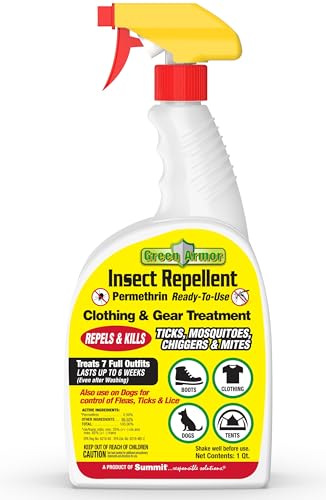
Summit Green Armor Permethrin Clothing Spray 32 oz
Inside Each Recommended Option
The CuuFceEo pouch set takes the lazy-evening-on-the-patio approach. Each bag leans on peppermint and other plant-based oils to push mosquitoes out of small outdoor pockets like porches, balconies, and tent corners. Hanging a few around your usual hangout spots feels less like a science project and more like setting out air fresheners.
For most casual porch sitters, the real appeal is the no-spray delivery. You don’t need to mist yourself every hour or worry about staining cushions. In our view, this kind of passive repellent works best as one layer in a broader strategy rather than a silver bullet for a heavily wooded yard.
Standout Benefits
- Plant-based formula with peppermint, gentle on outdoor fabrics and furniture
- Each pouch covers roughly 120 square feet, so a pack handles a typical patio
- Three-month lifespan per bag means fewer replacements through summer
- Versatile placement across patios, RVs, garages, and indoor living spaces
Things To Consider
- Passive repellents struggle during heavy mosquito pressure, so owners in swampy zones may need backup sprays
- Scent intensity fades gradually, and noticing the drop-off mid-season is common
Who It Suits Best
Casual outdoor loungers with a small patio or deck who want low-maintenance scent-based protection.
Consider Something Else When
Tight on standing-water issues, consider the Summit Chemical CO 117-6, which targets larvae at the source.
The Kopplvn pouches line up alongside the CuuFceEo bags in concept but lean on a slightly different formula profile. These are positioned as a backyard-friendly zone treatment, and the 120-square-foot coverage per bag matches the pattern set by Item 1. You can hang one near the grill, another by the hammock, and a third at the side door to create overlapping comfort zones.
One useful angle here is the FIFRA 25(b) exempt status. Products made with certain minimum-risk ingredients don’t need EPA registration, which can matter for households wary of stronger chemical actives. You may find the lighter scent easier to live with through long evenings.
A Strong Showing
- FIFRA 25(b) exempt formula using recognized minimum-risk natural ingredients
- Up to 60 days of per-bag use, balancing coverage and replacement rhythm
- Flexible placement across tents, RVs, decks, and bedrooms
Worth Noting
- Shorter per-bag lifespan than the CuuFceEo option means more frequent swaps during peak season
- Effectiveness drops in open windy spaces where scent disperses quickly
Key Product Details
Made For
Shoppers who prioritize explicitly natural ingredients and lighter scent over longer per-pouch life.
Look Elsewhere When
You want longer-lasting passive scent coverage, consider the CuuFceEo Outdoor Mosquito Repellent Pouches.
The Applewood bat house is the long-game entry on this list. It invites one of nature’s most prolific mosquito predators to set up shop on your property. A small colony of bats can consume thousands of insects in a single night, and the house itself is a brown-stained pine box with grooved interior walls designed for bat-friendly roosting.
Compared to the spray-based options in this roundup, this is a seasonal commitment. Bats need time to discover and colonize the house, and results depend heavily on local bat populations, mounting height, and sun exposure. For the patient naturalist, though, it’s a satisfying way to address mosquito pressure without reapplying anything.
What Helps Most
- Natural pest control by inviting native predators, no chemicals required
- Solid pine construction with weather-resistant finish, built to handle multiple seasons outdoors
- Single-chamber design with grooved interior for proper bat roosting conditions
- Mounting hardware included, simplifying installation on a pole or barn wall
Points To Note
- Effectiveness hinges on local bat populations, so rural and wooded lots see better results than dense suburbs
- Storage and placement matter; the house needs sun exposure at roughly 12 to 20 feet for bat appeal
Best Suited To
Property owners in bat-friendly regions with space to mount the house at proper height and patience for natural colonization.
Skip It When
You need relief this weekend, the No Natz No Mosquitoz Botanical Repellent offers immediate skin protection.
The SHOPXOH sticky trap pack sits at the intersection of gardening and pest management. These bright yellow cards appeal to fungus gnats, whiteflies, and aphids more than to mosquitoes, but they earn a place on this list because houseplant lovers often deal with multiple biting nuisances at once. Each card has a sharp non-sticky bottom that goes into the soil without gumming up your fingers.
What makes the 48-pack genuinely useful is the visual variety. Butterfly, sunflower, carrot, bird, cat, and tulip shapes blend into a shelf of potted herbs rather than looking like industrial pest control. For indoor gardeners with a fungus gnat problem, this is a reasonable complement to a yard-focused mosquito strategy.
What Pays Off
- Double-sided adhesive catches flying insects without attracting beneficial pollinators
- Six decorative patterns turn pest control into shelf-friendly accents
- Sun-proof and water-proof coating for outdoor garden and greenhouse use
- Non-toxic construction that’s safe around curious kids and household pets
Trade Offs
- Targets gnats and whiteflies more reliably than adult mosquitoes, which tend to ignore yellow sticky traps
- Cards need replacement once both sides fill up, and owners commonly report running through packs quickly in heavy infestations
Feature Snapshot
Right Fit For
Indoor gardeners and greenhouse hobbyists dealing with fungus gnats, whiteflies, and similar soft-bodied pests.
Reach For A Different Pick When
Your main target is adult mosquitoes in the yard, where the CuuFceEo Outdoor Mosquito Repellent Pouches make more sense.
The ZOECON Exciter is the concentrate in the group, and it’s aimed at folks who want broad-spectrum control rather than a single-pest fix. Pyrethrins (compounds derived from chrysanthemum flowers) act as a fast knockdown against mosquitoes, flies, fleas, and ticks. Because it’s a concentrate, you dilute it for a pump sprayer and cover shrubs, perimeter foundations, and other resting spots.
This is where “natural” gets a softer interpretation. Pyrethrins come from natural sources but are still regulated insecticides, and proper dilution and timing matter. Depending on your mosquito pressure, mixing this with passive methods like the CuuFceEo pouches gives a layered defense.
A Few Highlights
- Concentrate format stretches across multiple applications, useful for larger lots
- Approved for indoor, outdoor, and food-handling areas, giving placement flexibility
- Doubles as a flushing agent to drive pests out of hiding before contact
- Tank-mixable with other compatible insecticides for customized regimens
A Few Limitations
- Requires accurate dilution and a dedicated sprayer, not as grab-and-go as ready-to-use sprays
- Reapplication cadence is tighter than botanical options, so expect repeat treatments through peak weeks
Quick Facts
Perfect Match For
Homeowners managing larger properties who already own a pump sprayer and want broad-spectrum coverage.
A Better Fit Elsewhere
First-time mosquito shoppers may prefer the ready-to-use Summit Green Armor Permethrin Clothing Spray for clothing-only treatment.
The Summit Chemical CO 117-6 targets the problem at its source: standing water. Mosquitoes lay eggs in still water, and interrupting the larvae before they hatch removes the next generation of biters. This 30-ounce bottle is registered in all 50 states, which simplifies things for vacation-home owners and folks who move between properties.
The honest read is that larvicides work best alongside other methods. Treating neglected ponds and rain barrels cuts population growth, but it won’t stop mosquitoes from wandering in from a neighbor’s yard. For properties with controllable water features, it’s a foundational piece.
What It Does Well
- Stops mosquitoes at the larval stage, cutting future populations before adults emerge
- EPA-registered in all 50 states, easing compliance concerns
- Quick-acting formula begins working shortly after application
Where It Is Less Suited
- Only effective in standing water, so it can’t address dry-yard mosquito pressure
- Requires retreatment as water replenishes and new eggs arrive
Who Should Grab It
Property owners with ornamental ponds, rain barrels, or other controllable standing water sources.
Swap It Out When
You’d rather filter pond water naturally and avoid direct larvicide use, consider the Summit Clear-Water Barley Straw Pond Treatment.
The No Natz No Mosquitoz spray leans into the botanical-oil crowd. Cedarwood, citronella, and lemongrass do the heavy lifting in this DEET-free formula, which goes on without the greasy residue that turns some folks off of stronger repellents. It’s the kind of bottle you can toss in a daypack for picnics, gardening, and short hikes.
Compared to longer-duration synthetic options like the No Natz No Tickz spray reviewed later, this one trades staying power for a cleaner feel. You may find yourself reapplying more often during sweaty conditions, but for sensitive skin or quick outings, the trade-off works out.
Noteworthy Benefits
- Plant-derived essential oil blend, suitable for DEET-free households
- Non-greasy, non-sticky finish that dries quickly on skin
- Made in the USA, with quality sourcing for families who track origin
- Light woodsy scent rather than the sharper smell of synthetic sprays
Small Caveats
- Reapplication is needed more often than 20% picaridin sprays, especially during heavy activity
- Botanical oils can trigger sensitivity in some users, so a small patch test is wise before full-body application
At A Glance
Built With In Mind
Adults and older kids with sensitive skin who want a DEET-free spray for short outdoor sessions.
Where A Sibling Pick Shines
Longer hikes and tick-heavy trails call for the No Natz No Tickz 20% Picaridin Spray for extended coverage.
The No Tickz spray brings picaridin into the lineup, which is a synthetic compound modeled after a natural plant repellent but engineered for longer-lasting performance. At 20% concentration, it claims up to 12 hours of protection against ticks and mosquitoes, which is a meaningful jump over botanical alternatives for full-day hikes.
The unscented formula is a small but practical win. Many active hikers dislike smelling like citronella the entire trail, and an odorless spray sidesteps that. You may find the non-greasy feel easier on long wear, especially under backpack straps and waist belts.
Real-World Strengths
- Up to 12 hours of tick and mosquito protection per application
- Covers black flies, gnats, and chiggers for up to 8 hours
- Unscented formula, ideal for sensitive noses and group settings
- Non-greasy, fast-drying finish that won’t stain technical fabrics
Honest Caveats
- Picaridin is synthetic, so shoppers committed to botanical-only routines may want to skip
- Bottle runs out quickly on multi-day trips, so frequent hikers may need backup sizes
The Right Fit
Hikers, campers, and gardeners who spend full days outdoors and want a low-odor, long-lasting spray.
Not Your Match When
You prefer plant-only formulas, the No Natz No Mosquitoz Botanical Repellent is the better daily-driver option.
The barley straw treatment works on a different principle than the larvicide options. As barley straw slowly decomposes in water, it releases compounds that support a cleaner pond environment, which in turn helps keep mosquito larvae from thriving. Each bale handles roughly 1,000 gallons, and this two-pack covers up to 2,000 gallons total.
It’s the gentlest option on water-dwelling life. Fish and plants are unaffected, and the straw itself is easy to remove at the end of the season. Pond keepers who want clean water without chemical treatments find this is a steady, low-fuss approach that pairs nicely with the larvicidal focus of Item 6.
Advantages To Know
- Natural filtration approach that’s safe for fish and aquatic plants
- Each bale treats up to 1,000 gallons, with the two-pack covering mid-sized ponds
- Up to six months of effectiveness per application
- Won’t disturb pond aesthetics, the straw is unobtrusive in a feature pond
Possible Compromises
- Takes time to build effect, so it isn’t a fast fix for an existing mosquito bloom
- Bales need secure placement so they don’t drift into skimmers or filters
Whose Shelf It Belongs On
Pond keepers and water-feature owners who want to manage water clarity and mosquito habitat together.
Another Choice May Suit
For faster larva knockdown, consider the Summit Chemical CO 117-6 over a slow-release barley approach.
The Green Armor spray rounds out the roundup with a fabric treatment rather than a skin spray. Permethrin binds to fabric fibers and stays active through multiple washes, so treated hiking pants, socks, and shirts keep working without daily reapplication. The trigger-spray bottle makes it easy to coat a few outfits in one session.
It’s worth noting that permethrin is for clothing and gear only, not skin. Once treated garments dry, they’re odorless and won’t stain most fabrics. For camping families and outdoor workers, this kind of set-and-forget treatment fills a gap that body sprays leave open.
Useful Highlights
- Stays effective through washing for up to six weeks per treatment
- Useful on clothing, tents, camp chairs, and insect screens for full-gear protection
- Odorless once dry, with no residue on most technical fabrics
- Trigger-spray bottle simplifies DIY treatment of multiple garments
Factors To Consider
- Clothing-only use, not a substitute for skin repellent on exposed areas
- Each garment needs full drying time before wearing, so plan ahead before trips
Who Will Love This
Campers, hikers, and outdoor workers who want set-and-forget protection on treated clothing and gear.
Where Another Pick Suits Better
For direct skin coverage during shorter outings, the No Natz No Tickz 20% Picaridin Spray fits the bill.
Matching The Method To Your Mosquito Pressure
Picking from this list comes down to where mosquitoes bother you most and how much maintenance you want to take on. For porch-and-patio comfort, scent-based pouches like CuuFceEo and Kopplvn cover small footprints without sprays or batteries. For larger yards with biting pressure, the ZOECON Exciter concentrate offers broad-spectrum knockdown when properly diluted, while the Summit Chemical larvicide attacks the breeding side of the cycle in standing water.
Body protection breaks into two camps. Botanical-leaning users tend to land on the No Natz No Mosquitoz spray for sensitive skin and short sessions, while trail-ready hikers gravitate to the No Tickz picaridin spray for longer outings. The Summit Green Armor permethrin spray handles clothing and gear, complementing either of those body sprays rather than replacing them.
For water features, the barley straw treatment keeps ponds clear and less hospitable to mosquito larvae over a six-month window. Pairing that with an Applewood bat house extends the natural-predator angle across a full property. The SHOPXOH sticky traps round things out for indoor gardeners managing gnats and whiteflies alongside their outdoor mosquito strategy.
Key Considerations Across These Picks
Pitfalls Shoppers Hit
The biggest mistake is buying a repellent expecting it to cover a full acre of dense woods. Pouches and passive diffusers work best in defined zones like porches and decks, and treating an open lawn with the same approach leaves gaps. Another common slip is skipping standing-water management. Sprays and pouches chase adults, but skipping a check of gutters, planters, and rain barrels leaves a steady supply of new mosquitoes behind. Match the product to the problem site, not the other way around.
Where The Extra Money Goes
Higher-tier picks in this category typically bring longer coverage windows, broader pest coverage, or more refined formulations. The No Tickz picaridin spray, for example, costs more than basic botanical sprays but stretches a single application across a full day. The ZOECON concentrate costs more up front than ready-to-use sprays but dilutes across multiple treatments, which spreads the cost across a larger property. Paying up often means trading reapplication frequency for fewer bottles and less mid-season hassle.
Frequently Asked Questions
Do mosquito repellent pouches really work outdoors?
They can reduce mosquito activity in small, defined zones like porches and small decks. Their effectiveness drops in large, open, or windy areas where scent disperses quickly, so pairing them with other methods helps in heavier pressure.
Is permethrin safe to use on clothing?
Permethrin is intended for fabrics, not skin, and is considered safe on clothing once garments have fully dried. Keep treated and untreated clothing separate during application, and follow the product directions before wearing.
What’s the best way to stop mosquitoes from breeding?
Remove standing water wherever possible and treat remaining water features with larvicides or natural filtration. Gutters, planters, and bird baths are common overlooked breeding sites that benefit from weekly attention during peak season.
Are bat houses effective for mosquito control?
Bat houses invite natural predators and can reduce mosquito populations over time, especially in rural and wooded settings. They work best as part of a layered strategy rather than a standalone fix, and results depend on local bat populations.
Can natural oils replace DEET for hikes?
Botanical oils like citronella and lemongrass offer pleasant-smelling, short-duration protection for casual outings. Long hikes or tick-heavy trails benefit from longer-duration active ingredients like picaridin or permethrin-treated clothing.
Closing Remarks
A solid mosquito strategy usually layers two or three of these picks rather than relying on any single bottle or pouch. Start by removing standing water, then add a scent-based zone treatment or larvicide, and finish with a body spray or permethrin-treated clothing for time actually outdoors. The right mix depends on your yard, your skin, and how much weekend maintenance you want to take on. Match the method to the problem, and the bites usually drop sharply.