Liquid fish emulsions have earned their spot in serious gardeners’ sheds for a reason. Derived from whole fish or seaweed, these concentrated liquid feeds deliver amino acids, trace minerals, and gentle NPK ratios (the nitrogen-phosphorus-potassium numbers that describe a fertilizer’s core nutrient balance) without the harsh salt load of synthetic options. You can dilute a small amount into a watering can, foliar-spray it on leaves, or feed container tomatoes on a balcony without burning roots. The trick is matching the formula to your plants, your soil, and how often you actually want to mix up stinky solutions in the kitchen sink.
A Snapshot Of The Selections

GS Plant Foods Liquid Fish Fertilizer OMRI Listed 1 Quart

Neptune’s Harvest Seaweed Plant Food (0-0-1) Quart

Neptune’s Harvest Fish & Seaweed Liquid Fertilizer 2-3-1 36oz
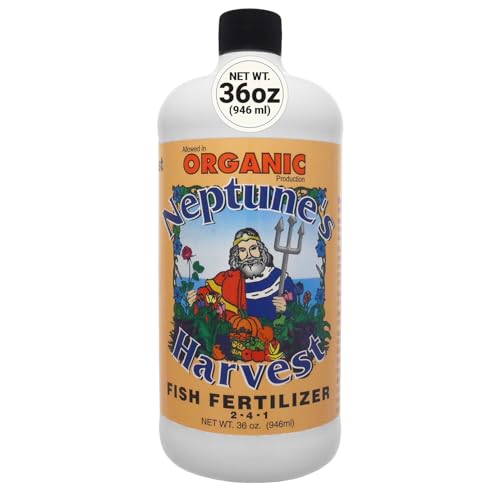
Neptune’s Harvest Fish Fertilizer 2-4-1 Quart

Neptune’s Harvest Tomato & Vegetable Fertilizer 2-4-2 Quart 2-Pack

Neptune’s Harvest Rose & Flowering Fertilizer 2-6-4 36oz

Neptune’s Harvest Fish

Neptune’s Harvest Tomato & Veg 2-4-2 + Fish & Seaweed 2-3-1 Quart Bundle

Bloom City Organic Wild Fish Fertilizer 32 oz
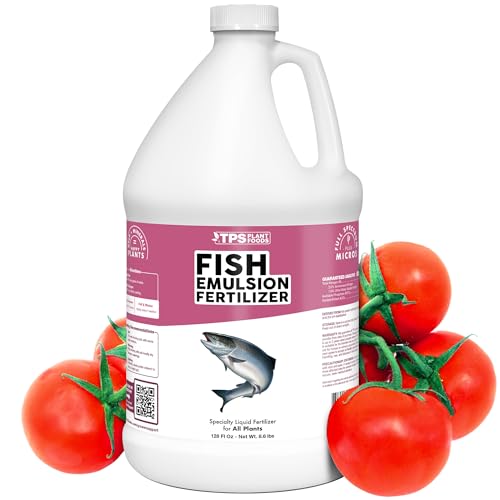
TPS Nutrients Fish Emulsion Fertilizer Liquid Salmon 1 Gallon
Why These Options Stand Out
Organic certification sets the tone for this quart bottle from GS Plant Foods. The Organic Materials Review Institute listing tells you the product meets standards for organic production, which matters if you sell at farmers markets or simply want feed that aligns with a no-synthetic approach. Hydrolyzed fish, meaning whole fish broken down with enzymes to keep proteins and oils intact, gives you a 2-3-1 NPK profile that supports steady leaf growth without overloading phosphorus.
For most backyard gardeners running a mix of ornamentals, herbs, and a small vegetable patch, this bottle fits the rotation. You can dilute it for weekly foliar sprays or water it in around the drip zone. If you already use the seaweed-only entry later in this list, the two complement each other rather than overlap.
Where It Helps
- OMRI-listed status simplifies compliance for certified-organic setups
- Mild 2-3-1 ratio reduces the risk of foliage burn on tender seedlings
- One quart concentrates into multiple gallons of working feed
- Works on lawns, raised beds, and container stock from the same bottle
- Hydrolyzed base keeps nutrients in forms roots absorb quickly
Honest Caveats
- Quart volume runs out fast on plots larger than a small yard
- The classic fish smell lingers during mixing and lingers briefly after application
Feature Snapshot
Right Fit For
Vegetable gardeners and homeowners who want an organic-certified base feed for mixed plantings under a quarter acre.
Look Elsewhere When
You run a large plot and want gallon-scale packaging, where the TPS Nutrients Fish Emulsion Fertilizer Liquid Salmon 1 Gallon makes more sense per refill.
This entry changes the formula entirely. Instead of fish, you get a cold-water Norwegian kelp concentrate, sourced from Ascophyllum nodosum, a brown algae that grows along the North Atlantic and is widely valued for its natural hormone and mineral content. The 0-0-1 ratio carries trace minerals and natural growth promoters without any nitrogen or phosphorus push, which makes it a complement rather than a stand-alone feed for hungry crops.
If your tomatoes already receive nitrogen from compost or a fish feed and you want a finishing touch, this bottle slots neatly into the rotation. It also works as a transplant soother for seedlings that sulk after moving outdoors. Compared with the entry above, this one trades raw nutrient numbers for biological support.
Real Benefits
- Ascophyllum nodosum base carries over sixty trace nutrients and amino acids
- Zero nitrogen means it won’t push soft, leggy growth when used mid-season
- Mild enough for foliar application on indoor houseplants
- Helps reduce transplant shock in newly moved vegetable starts
Small Caveats
- Won’t feed nitrogen-hungry crops on its own
- Quart bottle requires careful storage away from direct sunlight to preserve biological activity
Built With In Mind
Growers using seaweed as a supplemental tonic rather than a primary feed, especially anyone reviving stressed transplants.
A Better Fit Elsewhere
You want a single bottle that does the heavy feeding for vegetables, where Neptune’s Harvest Fish Fertilizer 2-4-1 Quart covers more ground.
This is the bottle most organic gardeners reach for first. Neptune’s Harvest blends seventy-five percent fish with twenty-five percent seaweed, creating a 2-3-1 liquid that handles vegetables, flowers, fruit trees, and lawn touch-ups from a single container. The 36-ounce bottle lands between a starter quart and a true gallon, giving mid-sized households enough headroom without committing to bulk packaging.
In practice, this blend behaves like the GS Plant Foods pick above but adds the kelp component for stress tolerance. Lawns respond to the balanced ratio, and container tomatoes on a patio appreciate the gentler feed compared with synthetic options. Where the seaweed pick reads as targeted support, this reads as the everyday workhorse.
Good Reasons To Consider
- Fish and seaweed blend simplifies the shopping list down to one bottle
- 36oz size fits households feeding multiple garden types
- 2-3-1 NPK suits everything from seedlings to established perennials
- Works as both a root drench and a foliar spray
Points To Note
- Higher concentration means accurate measuring matters, since overdosing can leave residue on foliage
- Some users find the combined fish and kelp aroma more pronounced than fish alone
Quick Facts
Made For
Households running mixed beds and containers who want one organic liquid to cover most feeding needs.
Swap It Out When
You focus heavily on fruiting tomatoes and want a phosphorus-tuned formula, where Neptune’s Harvest Tomato & Vegetable Fertilizer 2-4-2 Quart 2-Pack fits the bill.
Process matters with fish products, and this bottle leans on a cold-process hydrolysate. Cold processing preserves the naturally occurring enzymes, vitamins, and growth hormones that heat-based manufacturing can strip out. The resulting 2-4-1 NPK leans slightly heavier on phosphorus than the 2-3-1 blends, which suits flowering annuals and fruiting vegetables during their bloom stage.
You’d reach for this when vegetables and flowers need that little extra push toward bud and fruit set. The fish comes from North Atlantic sources rather than farmed or freshwater origins, which matters to gardeners who want wild-caught inputs. Compared with the all-purpose blend above, this trades the seaweed addition for a richer fish base.
Features That Help
- Cold-process hydrolysate keeps fragile enzymes intact
- 2-4-1 ratio pushes flowering and fruiting phases
- North Atlantic fish source appeals to shoppers avoiding farmed stock
- Quart bottle stores easily on a garage shelf
Things To Consider
- Higher phosphorus ratio can throw off leafy greens if used mid-season
- Quart runs out faster than larger formats on established beds
Key Attributes
Who Should Grab It
Vegetable gardeners and flower growers who prioritize bloom-stage feeding and value cold-processed inputs.
Reach For A Different Pick When
You want a one-bottle rotation for everything from lawn to roses, where Neptune’s Harvest Fish & Seaweed Liquid Fertilizer 2-3-1 36oz handles more variety.
Tomatoes and heavy-feeding vegetables want different ratios than general-purpose blends. This formula uses 2-4-2 NPK, equal phosphorus and potassium (potassium supports overall plant vigor, disease resistance, and fruit development), and adds yucca extract for natural wetting action, plus humic acids (organic matter extracts that improve nutrient availability and soil structure) and molasses to round out the recipe. The two-pack format gives you backup bottle space across a full growing season.
If your raised beds grow mostly tomatoes, peppers, and squash, this is where you’d point your rotation. The formula targets the “vegging” stage where plants bulk up foliage before flowering. Compared with the standard fish bottle above, this carries more potassium for fruit finish and ripeness.
Practical Pluses
- 2-4-2 ratio balances phosphorus and potassium for fruiting crops
- Yucca extract helps the feed spread through hydrophobic soil
- Molasses supports beneficial soil microbes
- Two-pack extends coverage across a longer season
Trade-Offs
- Specialized formula underperforms on lawn or ornamental shrubs
- Two-pack format needs storage space for both bottles
Best Suited To
Vegetable gardeners running tomato, pepper, and squash beds who want a fruiting-stage formula tuned to those crops.
Consider Something Else When
Your beds mix ornamentals with vegetables, where Neptune’s Harvest Fish & Seaweed Liquid Fertilizer 2-3-1 36oz covers a wider plant palette.
Flowering shrubs want a phosphorus-leaning formula, and this 2-6-4 bottle delivers the highest phosphorus number on the list. The ratio drives bud density and bloom size on roses, hibiscus, and similar ornamentals. The 36-ounce bottle lands in the middle of the sizing range, fitting rose gardeners who treat their beds as the focal feature of the yard.
If your garden centers on flowering plants rather than vegetables, this bottle earns its shelf space. The same Neptune’s Harvest cold-process base applies, and the higher potassium tail supports sturdy stems on heavy blooms. Compared with the tomato formula above, this trades fruiting-stage potassium for outright bloom production.
Real-World Strengths
- High 2-6-4 ratio delivers phosphorus at bloom initiation
- Liquid form reaches roots quickly during peak flowering
- 36oz bottle covers several mid-sized rose plantings
- Works indoors on flowering houseplants during bloom phase
Softer Spots
- Specialized for bloom phase, less useful on foliage-only ornamentals
- Phosphorus-heavy ratio can build up in containers over time
Feature Rundown
Perfect Match For
Rose gardeners and ornamental growers who prioritize flower production over leafy growth.
Where Another Pick Suits Better
You grow mostly vegetables alongside a few flowers, where Neptune’s Harvest Tomato & Vegetable Fertilizer 2-4-2 Quart 2-Pack gives fruiting crops priority.
The Neptune’s Harvest Fish listing under this ASIN serves shoppers who want a simple restock of the brand’s core fish formula without the bells and whistles of specialty blends. The catalog treatment lands the basic cold-process fish fertilizer as a familiar option for gardeners who already know the brand and just need a refill rather than a new formula to evaluate.
It’s the bottle you grab when the rotation is settled and you simply want to keep the same feed flowing. Compared with the quart bottle reviewed earlier, this ASIN typically routes to larger-format packaging for established gardens.
Points In Its Favor
- Familiar Neptune’s Harvest formulation without specialty add-ons
- Suits gardeners loyal to the brand who want a straightforward refill
- Cold-process base carries the same enzyme and amino acid profile as the brand’s other entries
Possible Compromises
- Listing lacks the detailed use-site and NPK breakdown of specialty entries
- Best suited to gardeners who already know which Neptune’s Harvest ratio they prefer
Whose Shelf It Belongs On
Existing Neptune’s Harvest users restocking their rotation without wanting to relearn a new formula.
Skip It When
You’re new to organic liquid feeding and want clearer use guidance, since Neptune’s Harvest Fish & Seaweed Liquid Fertilizer 2-3-1 36oz spells out the ratios and use sites on its label.
Two bottles, two jobs, one shipping box. This bundle pairs the 2-4-2 Tomato & Veg formula with the 2-3-1 Fish & Seaweed blend in quart sizes, giving new organic gardeners a complete feeding rotation from a single purchase. The Tomato & Veg bottle handles fruiting crops while the Fish & Seaweed bottle covers general beds, lawns, and ornamentals.
Newcomers to fish emulsion who don’t want to commit to a single ratio benefit most. The two bottles also let you experiment with foliar versus root feeding across different plant groups. Compared with buying the fish-only quart above, this adds the vegetable-tuned formula at the cost of two bottles instead of one.
Well-Handled Touches
- Pairing covers both fruiting and general-purpose feeding
- Quart sizes keep storage demands reasonable for first-time users
- Two-formula approach lets you A/B test across plant types
- Single shipping event simplifies ordering
Things To Weigh Up
- Two quart bottles take more shelf space than one larger container
- Vegetable formula sits idle if your garden runs mostly ornamentals
Who Will Love This
New organic gardeners setting up their first rotation who want a matched pair rather than choosing ratios blindly.
Where A Sibling Pick Shines
You grow only roses or only vegetables, where Neptune’s Harvest Rose & Flowering Fertilizer 2-6-4 36oz or the Tomato & Vegetable Fertilizer 2-4-2 Quart 2-Pack delivers the right formula without the second bottle.
Bloom City leans into wild-caught sourcing rather than farmed or processed blends. The 32-ounce bottle lands in the same general-purpose range as the Neptune’s Harvest quart entries, with a formulation built around supporting soil vitality across vegetables, ornamentals, and container plants. For gardeners who care where the raw material comes from, this bottle fills a niche.
It works equally well in indoor planters or outdoor beds, making it a flexible pick for apartment gardeners who move plants between windowsills and balconies. Compared with the Neptune’s Harvest entries, this trades brand familiarity for a different sourcing story.
The Case For It
- Wild-caught fish source appeals to eco-focused gardeners
- 32oz bottle fits both indoor and outdoor feeding routines
- General-purpose formula suits mixed container and bed plantings
A Few Limitations
- Lacks the kelp supplement that the Neptune’s Harvest blends include
- Specialty brand may be harder to find locally than mainstream options
The Right Fit
Gardeners who prioritize wild-caught sourcing and need a single bottle for indoor-outdoor mixed plantings.
Not Your Match When
You want a feed-and-tonic combination in one bottle, since Neptune’s Harvest Fish & Seaweed Liquid Fertilizer 2-3-1 36oz adds seaweed support.
Larger plots need larger packaging, and this gallon bottle from TPS Nutrients lands squarely in the bulk-feeding category. The salmon-derived base sets it apart from the multi-species fish sources used by the Neptune’s Harvest line. One gallon cuts down on packaging waste per ounce and keeps the refilling rhythm on large vegetable plots and small-scale farm operations.
You’d choose this when your garden outgrows quart bottles and refilling becomes a chore. It works for everything from seedlings to mature shrubs, with the liquid absorbing quickly into soil for fast nutrient delivery. Compared with the quart entries above, this trades compact storage for refill convenience.
Notable Upsides
- Gallon format reduces repackaging frequency
- Salmon-derived base suits shoppers seeking that specific source
- Quick soil absorption supports fast nutrient uptake
- Suits large vegetable plots and small market gardens
Points To Keep In Mind
- Gallon jug needs dedicated storage space away from heat
- Bulk format overfeeds small balcony gardens with leftover concentrate
Made For
Garden owners with plots larger than a typical backyard who want gallon-scale convenience for routine feeding.
Another Choice May Suit
You tend a smaller space and want a more concentrated quart format, where Neptune’s Harvest Fish Fertilizer 2-4-1 Quart handles the workload without storage demands.
What To Weigh Before Picking A Fish Emulsion
NPK Ratio And Plant Type
The three numbers on a fertilizer label tell you the nitrogen, phosphorus, and potassium share in that order, and they steer which plants benefit most. Leafy greens and lawns lean toward higher nitrogen, while flowering shrubs and fruiting vegetables want more phosphorus and potassium. Matching the ratio to the dominant plant type in your beds saves the frustration of feeding tomatoes with a bloom formula or roses with a foliage formula.
Source And Processing Method
Cold-process hydrolysates preserve more of the natural enzymes and amino acids that heat-based manufacturing can degrade. Wild-caught versus farmed fish is a sourcing question rather than a quality one, though some gardeners prefer one over the other for ecological reasons. Seaweed additions bring trace minerals and growth promoters that pure fish formulas lack.
Container Size And Storage
Quart bottles suit smaller gardens and indoor use. Gallon jugs serve larger plots but need cool, dark storage to keep the concentrate from degrading. Two-pack bundles trade shelf space for shipping convenience and matching formulas. Your feeding frequency and plot size should drive the format choice more than any other factor.
Smell And Application Timing
Liquid fish emulsions carry an aroma during mixing and briefly after application, and the smell intensifies with concentration. Foliar sprays leave more scent than root drenches, and indoor applications may want ventilation planning. Most gardeners find the smell fades within hours of application, especially after watering in.
Picking Wisely Without Overbuying
Pitfalls Shoppers Hit
The easiest mistake is grabbing the cheapest bottle without checking the NPK ratio for your specific plants. A 0-0-1 seaweed formula feeds trace minerals but won’t push nitrogen-hungry crops. Another slip is buying a gallon jug for a balcony garden and ending up with concentrate that loses potency before you finish the bottle. Container and indoor gardeners usually do better with quart formats.
What The Higher Tier Buys
Premium picks like the cold-process Neptune’s Harvest Fish Fertilizer 2-4-1 Quart carry preserved enzymes and amino acids that cheaper heat-processed bottles lose during manufacturing. Specialty blends such as the Rose & Flowering 2-6-4 or Tomato & Vegetable 2-4-2 deliver targeted ratios for specific crop types. Bundles add matched formulas for gardeners who want a complete rotation from a single order rather than choosing bottles one at a time.
Frequently Asked Questions
What Does NPK Mean On A Fish Emulsion Bottle?
The three numbers show the percentage of nitrogen, phosphorus, and potassium in that order, telling you which nutrient is dominant. A 2-4-1 leans toward root and bloom support, while a 2-3-1 splits more evenly across general growth.
Can Fish Emulsion Be Used on Houseplants?
Yes, when diluted properly, fish emulsion works well on houseplants, though foliar sprays should be applied where ventilation handles the brief smell. Indoor growers often prefer root drenches over foliar feeds to keep the aroma contained.
How Often Should Fish Emulsion Be Applied?
Most fish emulsions feed effectively at two to four week intervals during the active growing season, depending on plant type and soil condition. Leafy greens usually want lighter, more frequent feeds than fruiting vegetables.
Does Fish Emulsion Need To Be Refrigerated?
Refrigeration extends shelf life but isn’t strictly required for short-term storage. Keep bottles in a cool, dark location away from direct sunlight to preserve the biological activity of the concentrate.
Can Fish Emulsion And Seaweed Fertilizer Be Mixed?
Yes, fish emulsion and seaweed fertilizer complement each other, and several products on this list already combine the two. Mixing at home works too, though most gardeners find pre-blended bottles more convenient.
Final Verdict
Fish emulsion fits neatly into most organic feeding routines once you match the ratio to the dominant crop. For an all-purpose rotation, Neptune’s Harvest Fish & Seaweed 2-3-1 covers the most ground. Tomato and vegetable growers benefit from the targeted 2-4-2 formula, while rose gardeners want the bloom-leaning 2-6-4. Pick the bottle that matches your plot, dilute carefully, and feed on a steady rhythm through the growing season.