A good pair of garden shears turns pruning from a chore into a quiet pleasure. The Japanese “niwaki” tradition treats every cut as a small act of shaping, and the right tool makes that feel natural in your hand. This roundup covers lightweight snips for floral trimming, heavy-duty pruners for woody stems, and specialty blades for bonsai and root work, so you can find a fit that matches your soil, your shrubs, and the kind of cuts you make most often.
The Main Contenders

Mainichi Snips – Niwaki
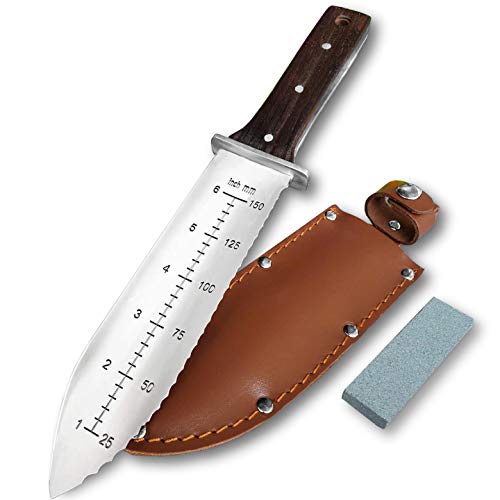
gonicc Professional Hori Hori Garden Knife with Leather Sheath

PrunePro 3 Piece Garden Shears Set

PrunePro 4 Piece Garden Shears Set
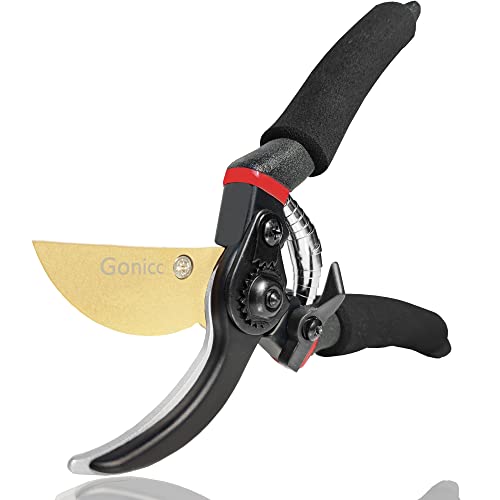
gonicc 8″ Professional Premium Bypass Titanium Pruning Shears (GPPS-1003)
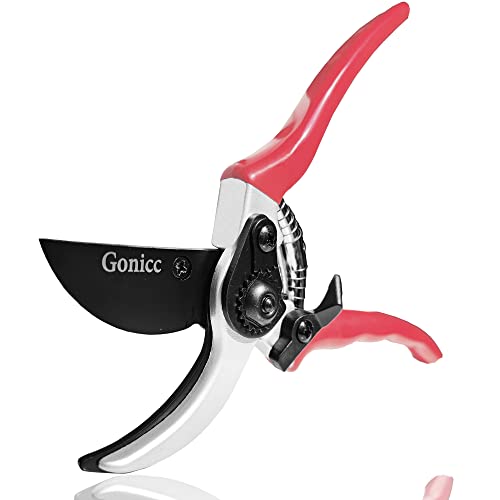
gonicc 8″ Professional Sharp Bypass Pruning Shears (GPPS-1002)

gonicc Micro-Tip Pruning Snips (GPPS-1008)

Wazakura Hand Forged Bonsai Root Cutter MADE IN JAPAN 6.7″
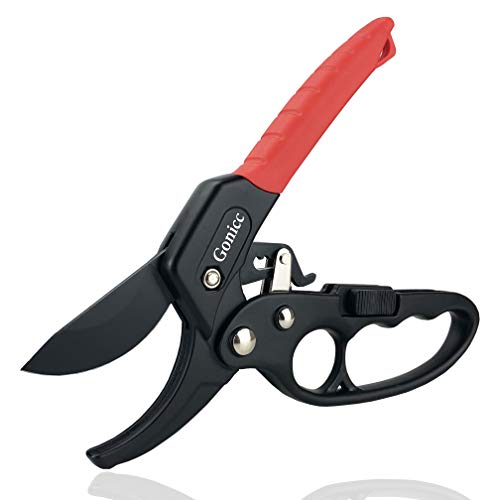
gonicc 8″ Professional Ratchet Anvil Pruning Shears (GPPS-1011)

PrunePro 3 Pack Garden Pruning Shears Set
More Details On Our Top Picks
These snips embody the spirit of Japanese garden craftsmanship in a compact form. The robust catch at the base delivers a sharp, decisive action, which matters when you’re working through dozens of light cuts in a single session. Japanese steel is famously hard and holds an edge well, but the same hardness makes it less forgiving if you twist mid-cut or chew through woody stems it wasn’t designed for.
You reach for these on days when the main job is deadheading roses, harvesting herbs, or tidying up flowering stems. They feel right at home in floral arrangements and light garden cleanup where precision matters more than brute force. Compared to the gonicc bypass pruners further down this list, these are lighter and more focused on finesse than on thick wood.
The Case For It
- Hard Japanese steel holds a fine edge through repeated light cuts
- Secure catch stays closed when you’re moving between plants
- Compact size fits comfortably in a back pocket or apron
- Clean cutting action suits floral work and gentle harvesting
- Performs well even with cold or wet hands in early spring
Things To Consider
- Hard steel can chip if you pry or twist on thick branches
- Not the right tool for woody stems over light pruning size
- Smaller grip may challenge anyone with large hands during long sessions
Who Will Love This
Garden enthusiasts who do frequent light pruning and value a clean, controlled cut over heavy-duty power will find these snips a daily companion.
Swap It Out When
Reach for the gonicc 8″ Professional Sharp Bypass Pruning Shears (GPPS-1002) when you need to tackle thicker, woody branches rather than light stem work.
The hori hori borrows from Japanese digging knives and adds modern conveniences like a protective handguard and a leather sheath. The 440 stainless steel blade resists rust in damp soil and stands up to gritty conditions that would dull lesser steel. A straight edge slices cleanly through sod, while the serrated side saws through stubborn perennial roots.
You use this when you’re dividing perennials, planting bulbs, or cutting out a weed by the root. The depth markings on the blade help you plant at the right level for bulbs or transplants. Think of it less as a shear and more as a versatile digging partner that complements the pruning tools in this roundup.
What Helps Most
- Dual-edge blade handles both slicing and root sawing
- Marked depth scale simplifies planting at consistent depths
- Protective handguard adds safety during heavy digging
- Leather sheath keeps the blade safe in a tool belt
Worth Bearing In Mind
- Not a shear, so it complements rather than replaces pruning tools
- Requires regular cleaning to prevent soil from dulling the edge over time
- Sheath leather benefits from occasional conditioning to stay supple
Right Fit For
Vegetable growers, perennial gardeners, and anyone who needs to dig, divide, and measure soil depth with a single rugged blade.
A Better Fit Elsewhere
Stick with the Mainichi Snips – Niwaki when the day’s work is mostly light pruning and floral cutting rather than soil work.
This PrunePro bundle pairs an 8″ bypass pruner with a long-handled lopper and a hedge shear, giving you a starter kit for most residential pruning chores. The stainless steel construction with Teflon coating helps the blades glide through green wood without sticking. For a yard with mixed bushes and ornamental shrubs, having three dedicated tools avoids the frustration of forcing one tool to do all jobs.
The trade-off is that no single tool in this kit pushes to a specialist tier. The pruner handles everyday branch work, the lopper extends to higher limbs, and the hedge shear shapes topiary. Compared to the more focused Mainichi Snips above, this is a coverage play rather than a precision play.
Positive Takeaways
- Three tools cover most common residential pruning tasks
- Teflon coating reduces sap buildup during extended sessions
- Stainless steel resists rust in humid climates
- Long-handled lopper reaches higher shrubs without a ladder
Trade-Offs To Consider
- No specialty tool for very fine floral work
- Storage requires a bit more shed space than a single pruner
Best Suited To
Home gardeners maintaining mixed shrubs and hedges and looking for a single purchase that covers routine pruning.
Consider Something Else When
Go with the Wazakura Hand Forged Bonsai Root Cutter if your focus is bonsai shaping and branch detail rather than full-yard coverage.
The four-piece PrunePro set builds on the three-piece version by adding another specialized tool, making it appealing for gardeners with broader ambitions. The 1.4031 German stainless steel construction offers higher hardness than typical carbon steel, and the included extendable hedge shear covers longer runs of topiary or privet. If your yard has roses, ornamental grasses, shrubs, and a hedge or two, this collection keeps you from running back to the shed.
The honest read here: more tools mean more upkeep. Each blade needs cleaning and occasional sharpening to stay effective. Compared to the more compact three-piece set above, this one suits a gardener with a wider range of jobs and storage to spare.
What Stands Out
- Upgraded German stainless steel for improved hardness and corrosion resistance
- Arthritis-friendly handle design eases grip strain during longer sessions
- Extendable hedge shear reaches wide or tall sections comfortably
- Four-tool format minimizes tool changes mid-task
Honest Caveats
- Owning more tools means more cleaning and sharpening time
- Bundles cost more upfront than a single quality pruner
Whose Shelf It Belongs On
Gardeners managing diverse plantings who want one comprehensive set rather than building a collection piece by piece.
Skip It When
Pick the gonicc Micro-Tip Pruning Snips (GPPS-1008) when fine floral and herb trimming is the primary task and bulk adds clutter.
The GPPS-1003 steps up from the standard bypass pruner with titanium-coated SK-5 steel and a drop-forged body. The titanium layer reduces friction and helps sap slide off rather than gumming up the blade, and the forged construction gives the tool reassuring heft. For thick rose canes, dormant grapevines, and overgrown fruit trees, this pruner offers more confidence than entry-level options.
You notice the difference during long sessions, where the ergonomic PVC-wrapped aluminum handle keeps hand fatigue manageable. Compared to the Mainichi Snips that opened this list, this is the tool you reach for when the cuts get woody and the work gets serious.
A Favorable Mix
- Titanium coating enhances blade longevity and smooth cutting
- Drop-forged body handles heavy garden work over time
- SK-5 steel blade balances edge retention with toughness
- Lightweight aluminum handle reduces wrist fatigue during extended use
Trade-Offs To Consider
- Heavier than compact snips, which may tire smaller hands
- Specialty blade coating may require careful sharpening to preserve
Quick Facts
Perfect Match For
Serious home growers with rose gardens, fruit trees, or overgrown shrubs requiring a pruner that can take repeated heavy loads.
Reach For A Different Pick When
Choose the gonicc 8″ Professional Ratchet Anvil Pruning Shears (GPPS-1011) if arthritis or limited grip strength is the main concern.
The GPPS-1002 is the workhorse of the gonicc lineup, built around high carbon steel and a drop-forged frame. It’s designed for the long list of everyday pruning jobs: trimming roses, shaping shrubs, deadheading annuals, and cutting back perennials. The ultra-fine polishing on the blade keeps cuts clean, which matters for plant health since ragged cuts heal more slowly.
You grab this pruner when you head out for a general garden tidy without a specific specialty task in mind. Compared to the titanium-coated sibling above, this one trades a little blade longevity for a friendlier price.
What Pays Off
- Drop-forged construction handles regular garden use without flexing
- High carbon steel holds an edge through typical homeowner workloads
- Sap groove channels sticky residue away from the cutting surface
- Non-slip ergonomic handles suit a wide range of hand sizes
Possible Compromises
- Carbon steel can corrode if left wet, so wiping after use helps
- Less specialized than dedicated bonsai or micro-tip tools
Built With In Mind
Homeowners who prune roses, fruit trees, and ornamental shrubs several times a month and want a reliable all-season pruner.
Where A Sibling Pick Shines
Choose the gonicc Micro-Tip Pruning Snips (GPPS-1008) for the fine detail work that this larger pruner cannot finesse.
These snips earn their place in the shed by handling the small jobs that bigger pruners butcher. The micro-tip blades come to a fine point, making clean cuts in tight spaces between stems on a flower arrangement or among the dense growth of an herb pot. Precision-ground high carbon steel keeps the cutting edge accurate, and the compact body fits easily in the palm.
You reach for these during flower arranging, delicate harvests of hydroponic herbs, or when tidying up a houseplant that needs careful attention. Compared to the Mainichi Snips earlier in this list, these are more focused on the precision end of light pruning.
Standout Benefits
- Fine micro-tip reaches into dense growth without damaging nearby stems
- Compact size reduces hand fatigue during repetitive snipping
- High carbon steel holds a precise edge for clean cuts
- Lightweight build suits indoor and greenhouse work
Points To Keep In Mind
- Too small for branches beyond thin green stems
- Carbon steel benefits from a quick wipe-down after damp sessions
Made For
Flower arrangers, indoor gardeners, and herb growers who need careful cuts in tight spaces rather than power on woody growth.
Look Elsewhere When
The PrunePro 3 Piece Garden Shears Set covers you better if you need a full kit rather than a specialty precision tool.
This Wazakura cutter comes out of Sanjo, Japan, a region with a long tradition of metalwork, and the hand-forged S55C carbon steel tells you something about its intended purpose. At 6.7 inches with a compact cutting head, it slots into the niche between snips and pruners, made for bonsai branch work and root trimming where ordinary pruners are too bulky.
You use this when repotting a bonsai, pruning aerial roots, or making detail cuts on a sculpted tree. The shorter blade path allows precise cuts without disturbing nearby growth. If you appreciate tools with a lineage, this one carries more craft heritage than most mass-produced pruners.
A Few Strong Suits
- Hand-forged Japanese carbon steel for a refined cutting edge
- Compact profile fits into dense bonsai canopies
- Suitable for both branch and root work on smaller specimens
- Lightweight 5.5 oz design reduces hand fatigue during detail work
A Few Limitations
- Specialized for bonsai rather than general garden pruning
- Carbon steel needs dry storage to prevent surface oxidation
- Cutting capacity suits smaller branches, not heavy wood
The Right Fit
Bonsai enthusiasts and Japanese garden practitioners who want an authentic tool tuned for the precision work of shaping living sculpture.
Another Pick May Suit
Turn to the gonicc 8″ Professional Premium Bypass Titanium Pruning Shears (GPPS-1003) for everyday branch work outside the bonsai bench.
Anvil pruners differ from bypass types by closing the blade onto a flat surface rather than two blades crossing. That design multiplies cutting force, and the ratchet mechanism in the GPPS-1011 lets you cut through a branch in stages rather than one hard squeeze. The SK-5 steel blade and chrome vanadium handles make this a sturdy option for tough cuts.
You grab these when grip strength is limited or when the wood is dry and tough. Gardeners with arthritis, older hands, or anyone cutting through dense deadwood will appreciate the staged cutting action. Compared to the bypass pruners elsewhere on this list, the anvil design sacrifices a little cut precision for a lot of mechanical advantage.
Notable Gains
- Ratchet mechanism reduces the hand strength needed per cut
- SK-5 steel blade handles tough, dry wood efficiently
- Chrome vanadium handles add strength without excessive weight
- Anvil design works well for deadwood and cleanup cuts
Less Ideal Details
- Anvil design can crush green stems more than bypass types
- Less suited to tight spaces where a slim profile helps
Best Suited To
Gardeners managing arthritis, reduced grip strength, or thick dead branches who need extra cutting leverage.
Not Your Match When
Pick the gonicc Micro-Tip Pruning Snips (GPPS-1008) for green-stem work that needs a clean bypass cut rather than anvil crushing force.
This PrunePro set brings together a bypass pruner, a 7′ precision scissor, and an extendable hedge shear, addressing the core jobs in most backyards. The extendable hedge shear telescopes from 27 to 35 inches, which helps you shape tall hedges without a ladder or overreach. The set works well as a gift for a new homeowner or someone returning to gardening after a break.
You use these tools when your day involves a little of everything: a few cuts on the roses, a trim of the herbs, and a once-over on the hedge. Compared to the four-piece PrunePro bundle, this three-pack trims one specialized tool for a leaner, more focused lineup.
Well-Handled Touches
- Extendable hedge shear adapts to varied hedge dimensions
- Stainless steel construction resists corrosion outdoors
- Three-tool format covers most routine garden tasks
- Arthritis-friendly handle design eases grip strain
Practical Considerations
- No dedicated hori hori or root-cutting tool for soil work
- Extendable mechanism benefits from occasional cleaning to stay smooth
Best Suited To
New gardeners, gift shoppers, and homeowners maintaining a mixed small yard who want one purchase that handles the basics.
Reach For A Different Pick When
Pick the gonicc Professional Hori Hori Garden Knife when soil work, dividing, or bulb planting is part of your routine.
What Matters Most Before Choosing Niwaki Garden Shears
Picking the right garden shear starts with honesty about the work you actually do. A suburban yard with roses, hedges, and a vegetable patch calls for different tools than a balcony of potted herbs or a backyard bonsai collection. Specialty tools reward specialty work, while versatile bundles suit the homeowner who needs one purchase to cover everything.
Blade material is the next decision. High carbon steel takes a keen edge and sharpens easily, but it needs a wipe-down after damp sessions to prevent rust. Stainless steel resists corrosion but may not hold an edge quite as long. Titanium-coated steel layers a hard, low-friction finish over a tougher core, ideal if you cut green wood frequently and want sap to release cleanly.
Handle ergonomics matter more than people expect. A tool that causes hand fatigue after twenty minutes is a tool you stop using, no matter how sharp the blade. Look for non-slip grips, comfortable spring tension, and a size that matches your hand. Bypass pruners cross two blades for clean cuts on green wood, while anvil pruners close onto a flat surface, multiplying force for tougher, drier wood.
Key Considerations Across These Picks
Common Shopping Slip Ups
The biggest mistake is buying one pruner and forcing it to do every job. A heavy bypass pruner ruins the fine cuts your roses need, and a delicate micro-tip cannot handle woody stems without bending. Matching tool size to the work saves plants and saves frustration over the long run.
Another common slip is ignoring maintenance. Wiping blades dry, occasionally oiling the pivot, and storing tools in a dry shed extends their working life dramatically. Owners who treat their shears like disposable items often replace them within a season or three, while those who clean and sharpen can keep a quality pair running for years.
What The Higher Tier Buys
Stepping up to a premium tier typically gets you better blade steel, tighter manufacturing tolerances, and longer-lasting edge retention. Drop-forged bodies and titanium coatings don’t necessarily make a beginner’s cuts better, but they reward frequent use with less frequent sharpening and replacement. The honest read is that a premium pruner pays off when you use it weekly, while casual seasonal use is well served by mid-tier options. Consider your real workload before paying for upgrades you won’t fully exploit.
Frequently Asked Questions
What is the difference between bypass and anvil pruners?
Bypass pruners use two curved blades that cross like scissors, giving a clean cut on green, living wood. Anvil pruners close a single blade onto a flat surface, generating more force for dry, dead wood but sometimes crushing softer stems. Choose bypass for most living plant work and anvil for tougher, woody cleanup.
How often should I sharpen my garden shears?
For typical home use, sharpening once or twice a season keeps cuts clean and reduces plant healing time. Heavy weekly use may call for monthly attention. A few passes with a quality sharpening stone usually restores the edge, though professional sharpening helps if the blade has nicks from misuse.
Can I use the same shears for vegetables and flowers?
Yes, as long as you clean the blades between different plant types to reduce the risk of spreading disease. A quick wipe with a diluted bleach solution or rubbing alcohol between tasks is enough for most home situations.
What is a hori hori knife used for?
A hori hori is a Japanese digging knife with a pointed, slightly concave blade, useful for transplanting, dividing perennials, cutting roots, and planting at measured intervals. It complements rather than replaces pruning shears, since it handles soil work while shears handle stem and branch cuts.
How do I prevent my shears from rusting?
Wipe blades dry after each use, oil the pivot occasionally with a light machine oil, and store tools in a dry shed or garage. Stainless steel resists corrosion better than carbon steel but still benefits from the same care for long-term sharpness.
Wrap Up
The right garden shear depends on your plants, your hands, and how often you cut. Lighter Japanese-style snips suit daily floral and herb work, while heavier bypass and ratchet pruners tackle woody stems and arthritis-friendly leverage. For specialty work like bonsai or soil digging, dedicated tools earn their place on the shelf. Match the tool to your real routine, and the rest takes care of itself.