Onion rows are tight, root zones are shallow, and most full-size hoes turn that work into a wrist-cramping mess. The right hand tool lets you skim weeds off the top of the soil without slicing into developing bulbs or bulbs-to-be. Whether you tend a single raised bed or a half-acre market plot, a sharp, well-balanced hoe makes the difference between a quick pass and a sore afternoon. This list walks through nine solid options across short-handle, long-handle, Japanese, Dutch, and Korean designs.
The Picks In Brief

Nisaku NJP178 Handheld Triangle Hoe
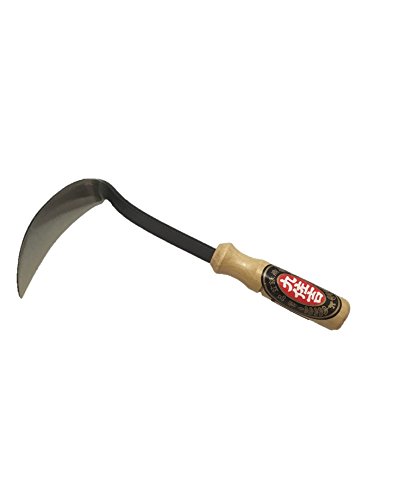
BlueArrowExpress Kana Hoe 217 Japanese Hand Hoe
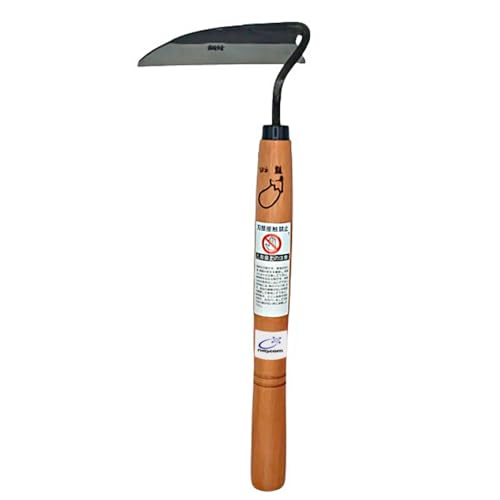
Premium Japanese Weeding Sickle Hand Hoe
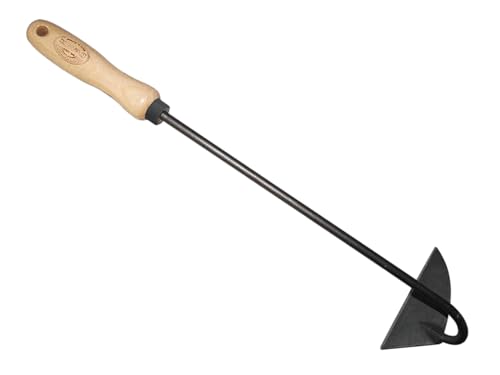
DeWit Dutch Hand Hoe (Right Hand)

Nohovu Garden Hoe 58″ Fiberglass Handle
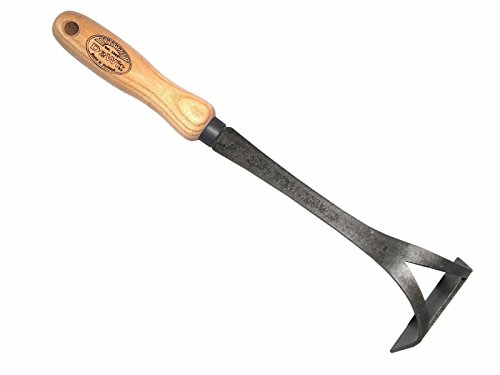
DeWit Bio Onion Hand Hoe
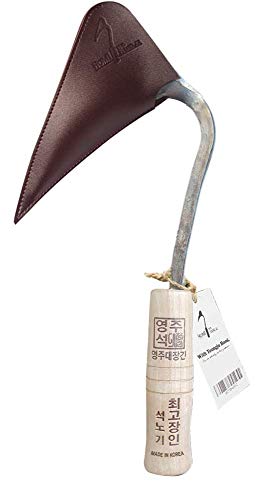
HOMI YOUNGJU Korean Hand Plow Hoe

Rogue Scuffle Hoe 60″ Tempered Steel
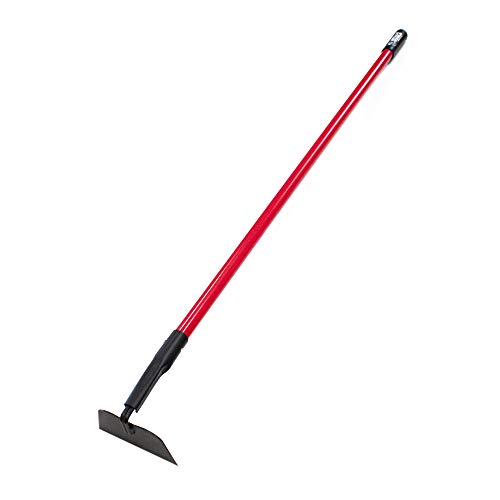
BULLY TOOLS 12-Gauge Garden Hoe 58″
What Each Pick Brings To The Table
The Nisaku NJP178 earns its spot at the top because it solves the core onion-hoe problem: getting into narrow rows without uprooting the crop. The triangular 6.5-inch Japanese stainless steel head draws a clean furrow and pops weeds out at the root, while the 12-inch lacquered wood handle keeps your hand close to the work for precise control. Pull it toward you in tight onion beds and you’ll see why this style has stayed popular among Japanese gardeners for decades.
For raised beds and densely planted plots, the short shaft is a feature, not a limitation. You kneel or crouch and work at eye level, which beats hunching over a long tool. The single point of pressure gives the blade extra penetration, so rocky or compacted soil gives way without forcing you to muscle it.
The Helpful Details
- Japanese stainless steel holds an edge through repeated contact with gritty soil
- Triangular shape pulls cleanly between onion rows without dragging adjacent bulbs
- Short lacquered handle keeps the blade close to the soil surface for shallow cuts
- Single-point tip pierces crusted or rocky ground that wider hoes skip over
- Beginners and pros both appreciate the light, balanced feel during long sessions
Trade-Offs To Consider
- Short handle means kneeling or stooping; not built for standing work
- Stainless steel resists rust but you still want to wipe it dry after wet-soil use
Made For
Onion growers working raised beds and densely planted rows who prefer close, controlled hand work over standing cultivation.
Reach For A Different Pick When
You need to weed while standing, in which case the Nohovu Garden Hoe 58″ handles the same task at full height.
The BlueArrowExpress Kana Hoe 217 leans fully into the Japanese sickle-style tradition, where the blade hooks under weeds and slices them away with a pulling motion. It’s light, single-handed, and built for the kind of weeding that happens in 15-minute bursts between other garden tasks. The sharp edge holds up to repeated slicing through soft root mats, which is what most onion-bed weeds leave behind.
Where the Nisaku triangle pushes through soil, this sickle skims just under the surface, so the onion bulbs underneath stay safe. For gardeners who already use a long-handled hoe for open ground and want something more surgical for the onion patch, this fits the bill.
What Makes Sense
- Sickle-style edge cuts weeds horizontally under the soil surface
- Lightweight frame reduces wrist fatigue during repeat passes
- Compact profile slides between onion plants without disturbing bulbs
- Sharp factory edge stays serviceable through a full growing season
Small Caveats
- Not designed for breaking new ground or prying rocks
- Compact size means more repetitions on larger plots
Best Suited To
Gardeners with small-to-medium onion beds who prefer quick, precise slicing over chopping or pulling motions.
Look Elsewhere When
You want a longer reach, in which case the Premium Japanese Weeding Sickle Hand Hoe extends the same sickle action further down the row.
The Premium Japanese Weeding Sickle Hand Hoe adds a longer shaft to the classic kusatori-kana shape, which lets you work in a partial crouch rather than fully kneeling. The neijiri-gama-style (a hooked sickle blade) head stays consistent with traditional Japanese tool design, so the cutting geometry feels familiar to anyone who’s handled this style before. The steel blade is precision-ground for efficient slicing.
Compared to the BlueArrowExpress Kana Hoe above, this version gives you a few more inches of reach and a slightly broader use profile, covering planting furrows, light plowing, and digging in addition to weeding. For gardeners managing multiple bed types, the extra length earns its keep.
Features That Help
- Extended shaft reduces stoop strain compared to short-handled sickles
- Multi-use design handles weeding, furrowing, and light digging
- Precision-ground steel edge cuts cleanly through fibrous weed roots
- Ergonomic grip supports one-handed control during detailed work
Worth Noting
- Longer shaft adds weight that may tire smaller hands faster
- Sharper hook requires a protective cover for safe storage
Who Will Love This
Gardeners with mixed beds who want sickle-style cutting without kneeling flat on the soil.
Swap It Out When
You prefer a triangular push-pull motion instead of a hooked slicing stroke, in which case the Nisaku NJP178 Handheld Triangle Hoe suits that workflow.
The DeWit Dutch Hand Hoe brings European craftsmanship into the onion-bed conversation. The crescent-shaped blade is offset from the ash hardwood handle for better balance and control, and the hand-forged boron steel stays sharp through seasons of use. At 18 inches total, it bridges the gap between the short Japanese hand tools and the longer scuffle hoes covered later.
The offset geometry lets you slice weeds beneath the soil surface without flipping your wrist into an awkward angle. For gardeners who want a tool that lasts decades rather than seasons, the boron steel and ash handle combo is hard to beat. The right-hand orientation means left-handed gardeners should look elsewhere in this list.
Well-Handled Touches
- Hand-forged boron steel holds an edge far longer than stamped alternatives
- Ash hardwood handle absorbs vibration and resists splitting
- Offset blade angle keeps your wrist in a neutral position during use
- 18-inch length suits both close-up bed work and slightly extended reach
A Few Limitations
- Right-handed design limits options for left-handed gardeners
- Premium build typically carries a higher cost than imported alternatives
Right Fit For
Serious gardeners who want a long-term tool for dense flower and vegetable beds and don’t mind investing in a forged-steel build.
Where Another Pick Suits Better
Left-handed gardeners will find the DeWit Bio Onion Hand Hoe more accommodating for close-quarters weeding.
The Nohovu Garden Hoe shifts the conversation from kneeling work to standing work. At 58 inches overall with a fiberglass handle and a 6.3-inch heat-treated high-carbon steel blade, this is the choice when your onion patch is large enough that stooping for an hour sounds miserable. The protective blade coating fights rust, which matters for anyone who stores tools in a damp shed.
The handle length keeps your back upright while the blade angle pulls weeds toward you at soil level. For gardeners transitioning from flower beds to larger vegetable plots, this hoe covers ground quickly without the wrist strain of shorter tools.
Standout Benefits
- Heat-treated high-carbon steel blade resists bending in tough soil
- Fiberglass handle stays rigid and shrugs off weather damage
- 58-inch length lets you weed standing up, saving your back and knees
- Anti-rust coating extends blade life between cleanings
Points To Keep In Mind
- Long handle reduces precision in tight, densely planted onion rows
- Heavier than short-handled Japanese options, so storage space matters
Who Should Grab It
Onion growers with larger plots who want standing-height efficiency over hand-tool precision.
A Better Fit Elsewhere
For tight raised beds where a long handle is unwieldy, the Nisaku NJP178 Handheld Triangle Hoe gives you the same weeding control at ground level.
The DeWit Bio Onion Hand Hoe is built around the specific demands of an onion bed. The sharpened blade slices weeds just below the surface where onion roots live, and the lightweight chopping-hoe geometry keeps the tool from digging too deep and disturbing developing bulbs. Forged from a single piece of hardened boron steel and paired with an ash hardwood handle, it’s the kind of tool that gets handed down.
It earns its place on this list by being purpose-built rather than adapted. Unlike the Japanese-style options above that handle multiple crops, this one is focused on the narrow-row, shallow-root work that defines onion growing.
Practical Pluses
- Hardened boron steel blade cuts cleanly at onion root depth
- Single-piece construction removes weak points where heads loosen
- Ash handle stays comfortable across long weeding sessions
- Lightweight chopping geometry reduces arm fatigue
Things To Consider
- Specialty design is less versatile for general garden use
- Hardened steel needs occasional sharpening to stay effective
Perfect Match For
Dedicated onion growers who want a tool designed specifically for shallow-root weeding rather than a generalist hoe.
Where A Sibling Pick Shines
For gardeners who want broader versatility across multiple crops, the DeWit Dutch Hand Hoe offers similar build quality with a more generalist blade shape.
The HOMI YOUNGJU Korean Hand Plow Hoe comes from a single Korean blacksmith with a lifetime of practice, and that heritage shows in the design. The Homi tool shape draws on generations of Korean farming wisdom for digging, grounding, removing weeds, seeding, and planting. A safety cover ships with the tool, which is a thoughtful touch since hand-forged blades arrive razor-sharp.
Unlike the Japanese sickles earlier in this list, the Homi handles heavier chopping work, making it useful for breaking soil crust or working in heavier compost-heavy beds. For gardeners drawn to artisan tools with a story behind them, this is the pick.
Positive Points
- Hand-forged by a single Korean master with decades of experience
- Versatile shape handles digging, weeding, seeding, and planting
- Safety cover protects both the edge and your fingers in storage
- Heritage design rooted in traditional Korean farming practice
Where It May Fall Short
- Artisan construction means price typically exceeds mass-produced alternatives
- Hand-forged blades may arrive with slight variations from piece to piece
Whose Shelf It Belongs On
Collectors and traditional-tool enthusiasts who want a hand-forged Korean blade with documented heritage.
Not Your Match When
You want a quick, inexpensive starter tool, in which case the BlueArrowExpress Kana Hoe 217 covers basic weeding at a lower entry point.
The Rogue Scuffle Hoe takes the triangle-head concept from the short Nisaku pick above and stretches it to full standing height. The 6-inch triangular head is sharpened on all three sides, so the same tool pushes, pulls, and chops depending on how you angle it. The 60-inch wooden handle and tempered steel head give this hoe serious reach for clearing open ground between rows.
Where the Nohovu hoe focuses on a single-direction pull, the Rogue lets you work in either direction without flipping the tool. For gardeners managing larger onion plots with wider row spacing, that bidirectional cutting speeds up weeding considerably.
Noteworthy Benefits
- Three sharpened edges let you cut in any direction
- Tempered steel head resists deformation in compacted soil
- 60-inch handle suits tall gardeners and long rows
- Handmade construction adds quality control over mass-market hoes
Honest Caveats
- Wider 6-inch head requires reasonable row spacing to avoid hitting onion tops
- Wooden handle benefits from occasional oiling to prevent drying
Built With In Mind
Gardeners with wider onion rows or mixed vegetable beds who want bidirectional scuffle action at standing height.
Consider Something Else When
Your onion rows are tightly spaced, in which case the narrower DeWit Bio Onion Hand Hoe avoids disturbing adjacent plants.
The BULLY TOOLS 12-Gauge Garden Hoe closes out the list as the heavy-duty option for gardeners who treat their tools roughly. The 12-gauge steel head is thicker than typical consumer hoes, and the fiberglass handle is coated in polyester veil for moisture and UV resistance. Assembly takes about a minute with basic tools, which is a small ask for a tool built to last.
The paddle-style draw hoe shape pulls weeds toward you as you drag it through the soil, which works well in onion rows that have enough spacing for the blade to clear the bulbs. The rubber grip reduces hand fatigue over extended sessions, and the USA manufacturing means replacement parts are easier to track down than imported alternatives.
Everyday Perks
- 12-gauge steel head handles rocky or root-heavy soil without flexing
- Fiberglass handle resists moisture damage and UV breakdown
- Rubber grip eases hand fatigue during long weeding sessions
- Made in the USA by a family-owned brand with a long track record
Some Limits To Know
- Paddle shape needs wider row spacing than triangular heads
- Heavier build can tire smaller gardeners during extended use
The Right Fit
Onion growers with established plots and tougher soil who want a workhorse hoe that takes rough treatment in stride.
Wrong Turns To Avoid
If your rows are narrow and your soil is loose, the lighter Nohovu Garden Hoe 58″ covers similar standing-height work with less weight.
Matching The Right Tool To Your Onion Bed
Blade Shape And What It Means In Practice
Triangle, sickle, crescent, and paddle heads each handle onion rows differently. Triangle heads (like the Nisaku and Rogue) push and pull through soil, which suits looser beds and narrow rows. Sickle heads (BlueArrowExpress, Premium Japanese) hook under weeds and slice horizontally, ideal for shallow-root crops like onions where you don’t want to dig deep. Crescent heads (DeWit Dutch) offer a compromise with offset balance, while paddle heads (Bully Tools) drag weeds toward you and excel in wider rows.
Handle Length And Your Body
Short handles (under 18 inches) force kneeling or deep crouching, which is fine for small raised beds but punishing for large plots. Medium handles around 18 inches work for partial bending, and long handles (58-60 inches) let you stand upright. The right choice depends on your plot size, back health, and how much time you spend weeding per session.
Steel Type And Edge Retention
Stainless steel resists rust but softens faster than boron or tempered carbon steel. Forged boron steel (DeWit tools) holds an edge through years of use, while tempered carbon steel (Rogue, Bully Tools) balances hardness with affordability. Stainless works well for gardeners who don’t sharpen often; forged steel rewards those willing to maintain an edge.
Weight And Fatigue
Hand-forged artisan tools (HOMI YOUNGJU) and heavy-gauge steel heads (Bully Tools) add weight that wears you down faster during long sessions. For gardeners with multiple beds to manage, lighter tools with similar capability (Nisaku, BlueArrowExpress) often get used more because they’re less tiring.
Key Considerations Across These Picks
Common Shopping Slip Ups
The biggest mistake is buying a long-handled hoe for tight rows or a short-handled hoe for a full-acre plot. Match the handle length to your plot size, and match the head shape to your row spacing. Another common trap is choosing stainless steel purely for rust resistance and then expecting it to hold an edge like forged boron steel; the two materials trade off in opposite directions.
What The Higher Tier Buys
Premium picks like the DeWit Dutch Hand Hoe and HOMI YOUNGJU Korean Hand Plow cost more because the steel is hand-forged rather than stamped, the handles are hardwood rather than softwood or plastic, and the construction often comes from a single craftsperson rather than a factory line. For gardeners who replace cheap tools every few years, the math usually favors paying more once for a tool that lasts decades.
Frequently Asked Questions
What Is An onion hoe specifically?
An onion hoe is a short- or long-handled weeding tool designed to slice weeds just below the soil surface in narrow rows where shallow-rooted onions grow, without disturbing the developing bulbs underneath.
Can I Use A Regular Garden Hoe For Onions?
Yes, but wider paddle or draw hoes work best in spaced rows, while narrow triangle or sickle heads perform better in tight plantings where bulb damage is a concern.
How Often Should I Sharpen An Onion Hoe?
Light maintenance sharpening every few weeks during heavy use keeps the edge crisp; boron and tempered steel hold an edge longer than stainless, so they need less frequent attention.
Are Short Or Long Handles Better?
Short handles give precision in tight rows; long handles save your back on larger plots. Many serious gardeners end up owning one of each for different stages of the season.
What Steel Type Lasts Longest?
Hand-forged boron steel generally outlasts stamped stainless or mild carbon alternatives, though proper cleaning and storage matter as much as the steel itself.
The Takeaway
The best onion hoe is the one that matches your row spacing, plot size, and willingness to sharpen. Start with the Nisaku NJP178 if you want a reliable short-handle triangle, reach for the Nohovu or Rogue if standing-height work fits your plot, and consider a DeWit or HOMI YOUNGJU if you want a tool built to outlast your garden rotation. Match the head to the row, and the rest tends to take care of itself.