Indoor plants live or die by what sits beneath the foliage. Bagged mixes vary wildly in drainage, nutrient density, and texture, which is why the right base matters so much for healthy roots in a pot. Whether you’re repotting a fiddle leaf fig, refreshing a windowsill herb garden, or starting a brand-new monstera, the soil you pick shapes how often you’ll water, how often you’ll fight fungus gnats, and how often you’ll have to repot. This roundup covers ten organic-leaning options worth knowing, from worm castings and perlite to charcoal additives and a compressed coir mix.
The Main Contenders

Legigo 4 Quarts Organic Perlite
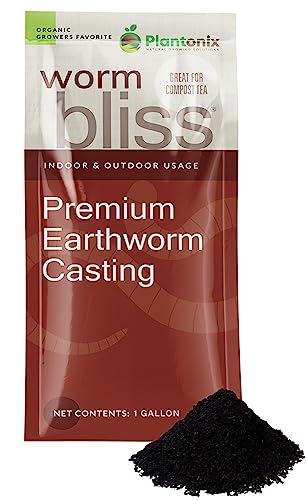
Plantonix Worm Bliss Organic Worm Castings 4 Qts

Earth Science Earthworm Castings 3 lb

FoxFarm Ocean Forest Potting Soil 1.5 cu ft

Omitgoter Horticultural Charcoal 1qt
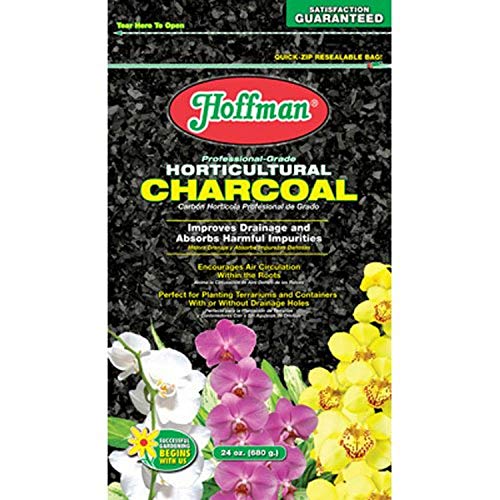
Hoffman 17502 Charcoal Soil Conditioner 24-Ounce

Organic Plant Magic Compressed Potting Soil

Legigo 15 Quarts Organic Perlite

Legigo 20 Quarts Organic Perlite

Legigo 6 Quarts Organic Perlite
A Closer Look At Each Pick
Perlite is volcanic glass puffed into lightweight white granules, and it earns its keep by keeping soil loose. This 4-quart bag from Legigo offers a coarse, evenly sized grade, which suits houseplant owners who want to cut density without buying a huge sack. It blends easily into peat-based mixes or stands alone as a top dressing for succulents.
Think of it as an additive rather than a standalone mix, since perlite has no real nutrient value on its own. For most small pots under six inches, the 4-quart volume covers two or three repottings, depending on how heavily you amend.
Standout Benefits
- Coarse, uniform grade that drains freely and resists compacting over months of watering
- PH neutral, so it won’t shift the chemistry of whatever base mix you pair it with
- Works as a top layer to keep succulents clean and crisp against the soil line
- Lightweight bag makes it manageable for anyone without easy outdoor storage
Things To Consider
- Dust at the bag opening is common, so a quick rinse before use avoids cloudy runoff
- Floats to the top during heavy watering, which means occasional re-topping in open pots
Quick Facts
Who Should Grab It
First-time plant owners with a handful of succulents or cacti who want a small, manageable bag without waste.
Consider Something Else When
The Plantonix Worm Bliss Organic Worm Castings suit you better if you’re after actual nutrients rather than just a drainage booster.
Worm castings are essentially digested organic matter, processed by earthworms into a fine, dark, crumbly material rich in plant-available nutrients. The OMRI listing on this Plantonix bag confirms it meets organic-input standards, which matters if you’re gardening with that in mind. It blends smoothly into potting mixes at roughly 10–20% by volume.
Unlike the perlite in pick one, castings actually feed the soil biology, supporting microbes that in turn support roots. You’ll notice a mild earthy smell rather than anything chemical, and the texture stays workable even after long storage.
The Upside
- Slow-release nitrogen, phosphorus, and potassium reduce the need for separate fertilizer applications
- Improves moisture retention in sandy or fast-draining mixes
- OMRI-listed for gardeners prioritizing organic-compliant inputs
- Lightweight and largely odor-free, comfortable to handle indoors
Worth Noting
- Too much can throw off drainage, so a light hand matters in already-dense potting soil
- Higher entry cost than basic peat amendments for the same volume
Right Fit For
Indoor gardeners refreshing tired soil mid-season who want a single bag that handles both feeding and conditioning.
Skip It When
The FoxFarm Ocean Forest Potting Soil makes more sense if you’d rather start with a complete ready-to-use mix and add amendments later.
Earth Science offers a smaller 3-pound box of castings, sized for apartment gardeners who don’t need a 4-quart bag sitting around. The source notes the product adds organic matter and feeds soil microbes, which in turn supports water retention and root development over time.
Compared to pick two, this is a tighter package with a shorter shelf life once opened, so it’s best worked through within a season. Most owners use a spoon or small cup to blend it into the top inch of soil rather than doing a full repot.
The Helpful Details
- Compact box fits on a shelf next to fertilizer and pruning shears
- Adds slow-release nutrients without the risk of burning delicate roots
- Useful for top-dressing established plants between full repottings
- Improves soil texture in depleted vegetable bed containers
Trade Offs
- Smaller volume means it runs out faster for anyone with many large containers
- Doesn’t replace a complete base mix on its own
Quick Facts
Whose Shelf It Belongs On
Vegetable gardeners and indoor cooks growing herbs who want a small, affordable bag for routine soil refreshes.
A Better Fit Elsewhere
The Organic Plant Magic Compressed Potting Soil works better if you need a full base mix that expands on demand rather than an additive.
FoxFarm’s Ocean Forest is one of the most recognizable names in ready-to-use container media. The 1.5 cubic foot bag is filled with earthworm castings, fish meal, and crab meal, giving it a richer nutrient profile than most off-the-shelf mixes. It arrives ready to use straight from the bag with no initial mixing required.
Unlike the amendments earlier in this list, this is a full potting soil, so it serves as the base for a repot rather than a booster. For most people repotting a fiddle leaf, monstera, or large snake plant, one bag handles a single big container or several medium pots.
Benefits That Matter
- Pre-blended with organic amendments so no extra fertilizer is needed for the first month or so
- Light, aerated texture encourages strong root penetration
- Compatible with a wide range of container plants from tropicals to vegetables
Points To Note
- Bags are heavy at 1.5 cubic feet, awkward to haul up stairs without help
- Strong initial nutrient load means seedlings may get burned if started directly without diluting
Quick Facts
Made For
Plant parents with several established tropicals ready for an annual repotting into fresh, nutrient-rich media.
Reach For A Different Pick When
The Plantonix Worm Bliss Organic Worm Castings make more sense if you only need a small additive to extend the life of existing soil.
Horticultural charcoal, sometimes called activated charcoal in gardening contexts, is processed carbon that absorbs impurities and excess moisture from soil. The 1-quart Omitgoter bag targets small specialty builds, including terrariums, orchid mounts, and bonsai trays where drainage and cleanliness matter more than bulk volume.
It’s a niche product compared to the perlite and castings earlier in this list, but in the setups it’s designed for, it pulls double duty. A thin layer at the bottom of a glass terrarium keeps water from pooling, and a small amount mixed through orchid bark helps roots stay aerated.
Notable Gains
- Absorbs odors and impurities in enclosed terrariums
- Improves drainage without floating like perlite sometimes does
- Slow-release carbon supports beneficial microbial activity over time
Honest Caveats
- 1-quart volume is too small for large-scale outdoor bed work
- Works best as part of a blend rather than a standalone medium
Best Suited To
Hobbyists building closed terrariums, mounting orchids, or maintaining bonsai who want a specialty amendment on hand.
Another Choice May Suit
The Hoffman 17502 Charcoal Soil Conditioner is a better match if you want a larger 24-ounce bag for general container use.
Hoffman has been in the gardening supply business for decades, and this 24-ounce charcoal bag reflects that long-running focus. The source describes it as a porous grit that helps excess moisture drain away while absorbing impurities in the soil. For anyone working with containers that lack proper drainage holes, that combination is genuinely useful.
Compared to the smaller Omitgoter quart, this is a more substantial size for general indoor use. A thin layer at the bottom of decorative pots reduces the risk of root rot, which is one of the more common beginner plant-care mistakes.
A Few Highlights
- Trusted brand with a long track record in the indoor gardening aisle
- Encourages air circulation around roots, especially in containers without drainage
- Provides slow-release carbon over months, supporting soil life
Points To Keep In Mind
- Charcoal dust can be messy at the bag opening, so pouring over a tray helps
- Less effective if used as the only drainage medium in deep pots
Quick Facts
Perfect Match For
Indoor gardeners using decorative cachepots without drainage who need an extra layer of protection for their plants.
Where Another Pick Suits Better
The FoxFarm Ocean Forest Potting Soil fits better if you’re starting fresh with a complete blend rather than amending existing pots.
This compressed blend mixes coconut coir with worm castings and arrives as a lightweight brick that expands when water is added. The source mentions up to 4x expansion and roughly 3 gallons of finished soil per brick, which matters for apartment dwellers who don’t have room for a bulky bag under the sink.
It’s a hybrid between the perlite products earlier in this list and the castings options. Compared to the 1.5 cubic foot FoxFarm bag, it stores compactly until you need it, which is a quiet relief in tight closets.
Advantages To Know
- Compresses down small, ideal for urban storage and small closets
- Derived from coconut coir, a renewable resource with good water retention
- Includes worm castings so finished soil has nutrients built in
Where It May Fall Short
- Requires active mixing with water before use, not as grab-and-go as FoxFarm
- Coir alone can hold too much moisture for drought-tolerant plants
Built With In Mind
Apartment dwellers and small-space gardeners who want a complete soil that doesn’t take over the closet between uses.
Swap It Out When
The FoxFarm Ocean Forest Potting Soil suits you better if you’d rather skip the mixing step and use a ready-blended bag.
The 15-quart Legigo bag steps up from the 4-quart version in pick one without jumping all the way to the 20-quart brick. It carries the same coarse, uniform grade that the brand is known for, but at a volume that makes sense for someone who propagates and amends regularly.
If you tend to repot a couple of plants every month or two, the 4-quart bag runs out fast. This mid-tier size covers that workload with less frequent reordering, while still being light enough to manage without help.
Everyday Wins
- PH neutral, so it plays well with peat, coco, and castings-based mixes
- Even sizing prevents dust pockets and improves consistent drainage
- Lightweight bag is manageable for one person to lift and pour
Practical Considerations
- Still floats to the surface under heavy watering, so top-dressing may need refreshing
- 15 quarts is more than casual gardeners need, so it could sit in storage longer than expected
Who It Suits Best
Mid-level plant collectors with a rotating repot schedule who go through perlite steadily across the year.
A Better Fit Elsewhere
The Legigo 6 Quarts Organic Perlite is a better match for someone only amending a handful of pots each season.
The 20-quart Legigo bag is the largest perlite volume in this roundup, aimed at cactus and succulent collectors who mix large batches at a time. The same coarse, even grade carries over from the smaller sizes, so quality stays consistent across the line.
For anyone building their own cactus mix in five-gallon batches, this size makes sense. The trade-off is storage, since 20 quarts of perlite takes up a meaningful footprint even before it’s poured out.
The Good Stuff
- Largest perlite option here, ideal for bulk cactus mix recipes
- Even granule sizing prevents fines that clog drainage in small pots
- PH neutral so it won’t shift soil chemistry when mixed into peat-based blends
Things To Weigh
- Bulky to store before use, requires a corner in a garage or closet
- More volume than most small-scale plant owners will use before the bag ages
Quick Facts
Who Will Love This
Cactus and succulent collectors who mix their own soil in volume and want to minimize reordering.
Not Your Match When
The Legigo 4 Quarts Organic Perlite fits better for casual users who only amend a few pots each year.
The 6-quart Legigo bag fits between the 4-quart starter size and the 15-quart mid-tier. It uses the same coarse grade as the other Legigo perlite products in this list, so consistency across the lineup makes blending predictable.
Compared to the larger 15- and 20-quart sizes, this bag sits comfortably on a shelf without dominating closet space. For most small plant collections, it covers a season’s worth of amendments without leftovers aging in the bag.
Practical Pluses
- Coarse, uniform grade resists compacting in long-term container use
- Lightweight and easy to pour without lifting heavy bags overhead
- PH neutral pairs cleanly with most peat- or coco-based base mixes
Small Caveats
- Dust at opening is common, a quick rinse avoids cloudy water runoff
- Still floats during heavy watering, so top-dressing may need refreshing
The Right Fit
Casual plant owners with a few small pots who want enough perlite for the season without committing to a bulky bag.
Look Elsewhere When
The Legigo 20 Quarts Organic Perlite makes more sense if you’re running a larger cactus operation that chews through amendments quickly.
What To Weigh Before Buying Potting Media For Indoor Plants
Match The Mix To The Plant
Tropical foliage plants and ferns want moisture-retaining mixes with organic matter, while succulents and cacti demand fast-draining blends with plenty of perlite or coarse grit. Choosing one bag to cover every plant on your shelf is rarely realistic, so sorting pots by water needs helps. A useful starting point is roughly one part organic matter to one part drainage material for most tropicals, and two parts drainage to one part organic for cacti.
Think About Drainage First
Root rot kills more houseplants than any other issue, and it’s almost always a drainage problem in disguise. Pots without drainage holes benefit from a charcoal layer like the Hoffman or Omitgoter picks, while standard pots just need a loose base mix. If your watering schedule tends to be enthusiastic, lean toward perlite-heavy blends to keep water moving through the root zone.
Consider Storage And Handling
A 1.5 cubic foot FoxFarm bag is heavy enough to require a hand getting it up apartment stairs, while compressed bricks or 4-quart perlite bags store almost anywhere. If closet space is tight or you don’t have a garage, smaller or compressed formats reduce the hassle of buying in bulk. For most people, sizing the bag to one season’s use avoids the disappointment of stale, dusty leftovers.
Key Considerations Across These Picks
Pitfalls Shoppers Hit
A common mistake is grabbing a bag labeled for outdoor use and assuming it works for houseplants. Outdoor mixes often retain too much moisture for indoor pots with limited airflow, leading to fungal issues. Another slip-up is treating worm castings as a complete soil rather than an additive, which leaves plants sitting in mostly castings with poor structure. Read the bag’s intended use, and start by amending an existing indoor mix rather than replacing it wholesale.
What The Higher Tier Buys
Premium blends like FoxFarm Ocean Forest cost more partly because they ship with organic amendments already mixed in, saving the step of buying castings separately. The trade-off is weight and storage, since a 1.5 cubic foot bag is harder to manage than a small perlite box. Paying up makes sense when you’re repotting several large plants at once and want one bag to handle the job without extra ingredients on the side.
Frequently Asked Questions
What Is The Difference Between Potting Soil and Potting Mix?
Potting soil often contains actual soil or compost, while potting mix is usually soilless and built from peat, coco coir, perlite, or bark. Most indoor gardeners prefer soilless mixes because they drain more predictably and weigh less for搬动的 pots.
How Often Should I Repot My Indoor Plants?
Most tropical houseplants benefit from a fresh pot every 12 to 18 months, while slow growers like succulents can go two to three years between repots. If roots circle the drainage holes or water runs straight through, it’s a clear signal to size up.
Can I Use Outdoor Soil For Indoor Plants?
Outdoor soil tends to compact in pots and may carry pests or fungal spores that thrive in the stable indoor environment. Soilless indoor mixes are formulated to stay loose and drain freely, which is what container roots need to stay healthy.
Do I Need To Fertilize If I Use Worm Castings?
Worm castings release nutrients slowly over several weeks, so most plants won’t need additional feeding for the first month or two after a repot. After that, a balanced liquid fertilizer every few waterings covers the gap until the next refresh.
Is Perlite Necessary For Indoor Plants?
Perlite isn’t strictly required, but it makes a meaningful difference for plants prone to root rot in dense or moisture-retentive mixes. Adding roughly 10–20% perlite improves aeration without changing the nutrient profile of the base.
Bottom Line
The right potting media depends less on brand and more on matching texture and nutrients to what your specific plants need. Start with one complete blend like FoxFarm Ocean Forest or Organic Plant Magic if you want grab-and-go convenience, then layer in perlite, castings, or charcoal as your collection grows. The ten options here cover the main bases: drainage, feeding, specialty builds, and compact storage, so most indoor gardeners will find a fit within this list.