A thriving garden doesn’t just grow on water and sunlight. The right mix of blooms, soil inoculants, and gentle pest control turns a backyard into a working ecosystem, where bees, ladybugs, and hoverflies do the heavy lifting while you get to enjoy the flowers.
The Shortlist At A Glance
The Shortlist At A Glance

Plant Success Great White Mycorrhizal Fungi 3-in-1 Formula (32 oz)

Bentley Seed Co. Help Pollinators Kraft Bee! Wildflower Seed Packets (25 ct)
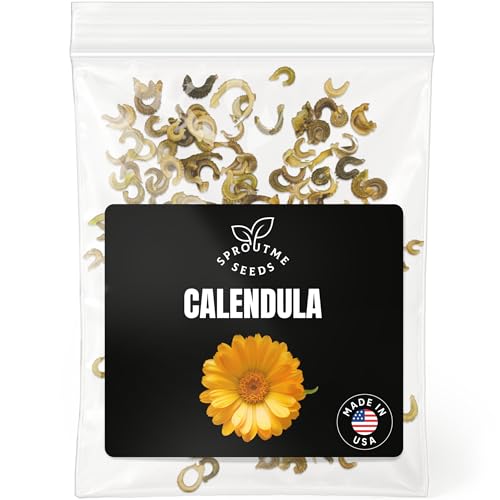
Sproutme Seeds Calendula Pacific Beauty Seeds for Planting (150+ count)

Qualirey 50 Pcs Yellow Sticky Traps for Gnats (6 x 8 in)
Qualirey 250 Pcs Yellow Sticky Traps for Gnats (6 x 8 in)

Seed Needs Ball’s Improved Calendula Seeds for Planting (1 Pack)
Qualirey 150 Pcs Yellow Sticky Traps for Gnats (6 x 8 in)
The Strengths Of Each Pick
If you want to give your pollinator-friendly plants a real head start, the soil matters as much as the seed. Plant Success Great White is a concentrated powder that introduces mycorrhizal fungi (microscopic organisms that partner with plant roots) along with helpful bacteria, essentially jumpstarting the underground network that flowers depend on for nutrients.
Unlike the seed packets that follow, this one works behind the scenes. You dust it on roots at transplanting or mix it into a starting tray, and the colony grows from there. For most gardeners rebuilding a flower bed from scratch, that’s a meaningful upgrade over plain potting soil.
Good Reasons To Consider
- Concentrated 3-in-1 formula combines mycorrhizal fungi and beneficial bacteria in one 32 oz container, so a single tub covers many planting sessions.
- Designed for both seed starting and transplanting, giving flexibility across the growing calendar.
- Supports nutrient uptake and root development, which translates to more blooms per plant in a typical home garden.
- Works beneath the soil so pollinators above ground benefit from healthier, longer-flowering plants.
Worth Noting
- The powder requires direct contact with roots to colonize, so broadcast scattering on top of soil won’t deliver the full benefit.
- You may find the dry format a little fiddly compared to pre-mixed granulated feeds, especially for small indoor pots.
Feature Snapshot
Whose Garden It Belongs On
Garden owners starting pollinator beds from scratch who want stronger root systems beneath their flowers.
A Better Fit Elsewhere
If you mostly want instant blooms without soil prep, the Sproutme Seeds Calendula Pacific Beauty pack is a simpler starting point.
Bentley Seed Co. leans into variety with a 25-pack of non-GMO wildflower seed packets, each individually portioned for sharing or scattering across different beds. The Kraft Bee! line targets pollinators directly, so the species mix is curated to bring in bees, butterflies, and other beneficial insects rather than just splash color.
Compared with the single-variety calendulas later in this list, this is the spread-everywhere option. The non-coated seed means no clay pellets or filler, so what you scatter is what germinates, which matters in a pollinator garden where every seed counts.
The Good Stuff
- 25 separate packets let you divide sowing across seasons, beds, or gift a handful to neighbors.
- Non-GMO and non-coated seed keeps germination predictable without clay or treatment additives.
- Wildflower mix designed to attract a range of pollinators, so you support bees and butterflies together.
Trade-Offs
- Each individual packet is small, so a single sowing may not transform a large meadow without combining many at once.
- Wildflower mixes can vary by species year to year, so the exact bloom palette shifts depending on the batch.
Who Will Love This
Community gardeners and educators running pollinator projects across multiple small plots or classrooms.
Swap It Out When
For a single sunny bed where you want bold orange blooms specifically, the Seed Needs Ball’s Improved Calendula pack is a tighter fit.
Calendula is the quiet workhorse of pollinator gardens, and the Sproutme Pacific Beauty variety adds edible petals to the resume. You get 150+ non-GMO heirloom seeds (saved from open-pollinated parent plants, so traits stay stable generation to generation) suited for full sun and well-drained beds, which describes most suburban yards without amendments.
Unlike the Bentley Seed Co. mix above, you’re committing to a single species here, which simplifies planning and makes it easier to predict bloom timing. The edible petal angle also widens the use case beyond pollinators into the kitchen.
Notable Upsides
- 150+ heirloom seeds give generous coverage for a small bed or several containers.
- Pacific Beauty variety produces edible petals useful for salads, baking, and garnishes alongside pollinator duty.
- Non-GMO seed with a reputation for straightforward germination in standard garden soil.
Potential Drawbacks
- Calendula is an annual in most climates, so you may find yourself reseeding each spring rather than relying on perennial returns.
- Single-species focus means less variety in bloom shape and color compared to the Bentley wildflower mix.
Feature Snapshot
Built With In Mind
Home cooks and beginner gardeners who want one reliable flower that feeds both bees and dinner plates.
Look Elsewhere When
If you’re covering a wide meadow and want species variety in one buy, the Bentley Seed Co. Help Pollinators mix is the broader-strokes option.
Even a thriving pollinator garden has to deal with fungus gnats and whiteflies, and that’s where sticky traps earn their keep. The Qualirey 50-pack delivers double-sided yellow cards at 6 x 8 inches, sized right for tucking into a windowsill herb collection without dominating the view.
Compare that to the 150- and 250-count options below. This is the “I have a small apartment jungle” count, and the same bright yellow color does the attracting work whether you run one trap or fifty.
Real-World Strengths
- 50 traps hit a comfortable middle count for indoor growers with a handful of houseplants.
- Double-sided adhesive catches fungus gnats, whiteflies, and aphids from either direction.
- Bright yellow color pulls pests in passively, no lure or chemical attractant needed.
Practical Considerations
- Traps need replacing once coated, so you’ll burn through a 50-pack faster during heavy gnat infestations.
- The yellow surface can fade in direct sun, so outdoor placement in full sun may shorten useful life.
Right Fit For
Apartment plant owners and small-space gardeners who just need to keep fungus gnats under control.
Reach For A Different Pick When
For a greenhouse or multiple propagation tents, the Qualirey 250-count saves you from restocking every few weeks.
When the growing space stretches across a greenhouse, propagation rack, or large vegetable plot, a 50-pack disappears in a weekend. The 250-count version of the same Qualirey design steps in for serious coverage without forcing repeat orders mid-season.
Same 6 x 8 inch format and double-sided adhesive as the smaller packs above, just five times the volume. For most backyard growers running a few raised beds, that headroom means you stop thinking about reorder timing entirely.
A Favorable Mix
- 250 traps cover greenhouses, hoop houses, and multi-bed vegetable plots without constant restocking.
- Same proven yellow-and-double-sided design as the smaller Qualirey packs, so behavior stays consistent.
- Catches a broad pest lineup including leaf miners, fruit flies, and whiteflies beyond just gnats.
Honest Caveats
- Bulk count can feel wasteful for a small indoor setup where you’d cycle through them slowly.
- Storage matters, since sticky surfaces can collect dust and debris if left in a garage or shed too long.
Feature Snapshot
Made For
Greenhouse operators and serious vegetable gardeners running high plant volumes across multiple zones.
Not Your Match When
For a windowsill herb collection or a handful of houseplants, the Qualirey 50-count is the saner size.
Ball’s Improved is the heirloom calendula that most gardening grandparents already know. The Seed Needs pack delivers the classic orange variety with blooms reaching roughly 3 inches across, a size that reads from across the yard and pulls in pollinators without requiring a meadow-sized commitment.
Where the Sproutme Pacific Beauty pack leans into multi-color and edible-petals versatility, Ball’s Improved doubles down on the iconic single-orange look that gardeners have grown for generations. The honest read is that both are reliable, just pointed at slightly different tastes.
Useful Highlights
- Ball’s Improved variety produces large, vivid orange blooms up to 3 inches wide for strong visual presence.
- Thrives in varied soil types as long as drainage is solid, which suits most established beds.
- Works for beginners and experienced growers alike, since germination stays consistent across skill levels.
Things To Weigh
- The classic single-color look doesn’t bring the petal-color variety that Pacific Beauty calendula offers.
- Annual lifecycle in most zones means you’ll plan for reseeding or accept the gap year after year.
Best Suited To
Traditional gardeners who want the heritage calendula look for borders and cutting arrangements.
Consider Something Else When
If you’d rather mix petal colors in one packet and use them in the kitchen, the Sproutme Seeds Pacific Beauty pack covers both.
The middle sibling in the Qualirey sticky-trap lineup splits the difference between a starter 50-pack and the full greenhouse 250. You get the same 6 x 8 inch double-sided yellow cards, just in a count that fits a multi-room houseplant collection or a couple of small raised beds.
This sits in a useful spot for people who outgrew the 50-pack but don’t want to commit to bulk. You may find the 150 count lands in the sweet spot for a season of gnat control without months of leftover inventory.
Bright Spots
- 150 traps suit mid-sized plant collections without the surplus of the 250-count bulk option.
- Catches a wide range of flying pests, from fungus gnats to fruit flies, with the same yellow lure.
- Double-sided adhesive doubles the effective catch zone without extra cost.
Less Ideal Details
- The mid-range count still requires storage space, since 150 adhesive cards need a dry, clean spot when not in use.
- If you only have a few small pots, the 50-pack is the leaner starting point.
Feature Snapshot
Perfect Match For
Plant collectors with a dozen or more pots spread across multiple rooms who need steady gnat control.
Where A Sibling Pick Shines
For greenhouse-scale coverage that lasts an entire season, the Qualirey 250-count steps in.
Building A Pollinator Garden That Actually Works
Picking the right plants and supplies is less about finding a single magic product and more about layering what your yard actually needs. A bee-friendly flower bed built around calendula and wildflower mixes draws in the pollinators you want, while a mycorrhizal inoculant like Plant Success Great White feeds the root zone so those blooms keep coming back.
Sticky traps fill the awkward middle role. You don’t want to wipe out every insect in sight, since that defeats the pollinator purpose, but fungus gnats and whiteflies can hammer seedlings before they establish. Yellow cards target the pests that damage young growth while leaving bees and butterflies alone, which keeps the balance intact.
Match the seed count to your actual bed size. A 25-pack of mixed wildflowers works beautifully across several small plots, while a single concentrated calendula pack suits a tidy border. Soil inoculants earn their keep at planting time, and bulk sticky traps earn their keep once the growing space stretches beyond a few pots.
The honest read is that no single item on this list does everything. A pollinator-friendly garden depends on blooms for nectar, healthy roots for plant vigor, and targeted pest control for the seedlings. Combining two or three picks here, for example a seed mix paired with Great White at transplanting, usually beats relying on any one product alone.
Quick Tips Before You Buy
Pitfalls Shoppers Hit
One common misstep is scattering pollinator seeds onto unprepared soil and expecting a meadow. Most wildflower and calendula seeds want loose, weed-free ground with decent drainage, so skipping bed prep means poor germination regardless of seed quality. Another trap is placing yellow sticky traps in full bloom areas where bees might accidentally land on them, since the adhesive catches anything that touches it.
When Paying More Pays Off
Higher-tier options earn their cost through concentration and volume. Plant Success Great White in a 32 oz tub covers far more transplanting sessions than smaller competitor sizes, and the 250-count Qualirey traps save repeated shipping for greenhouse operators. The upgrade makes sense when you genuinely need the volume, but a smaller pack suits a casual windowsill garden better.
Frequently Asked Questions
Do calendula seeds really attract beneficial insects? Yes, calendula’s open, daisy-like blooms give bees and hoverflies easy access to nectar and pollen, which is why it shows up in so many pollinator mixes.
Are yellow sticky traps safe around bees? Used carefully, yes, since they’re meant for gnats and whiteflies, but you should keep them out of direct bloom zones where bees forage to avoid accidental catches.
How does mycorrhizal fungi help a pollinator garden? The fungi build a root network that improves nutrient and water uptake, leading to healthier, longer-blooming flowers that feed more pollinators over the season.
Can I combine seed packets from different brands? Absolutely, and layering varieties often helps, since diverse bloom shapes and timing support a wider range of beneficial insects across the growing season.
How often should I replace sticky traps? Most gardeners swap them out every 2 to 4 weeks, or sooner once the adhesive surface is heavily coated with dust and insects.
Wrap Up
A pollinator-friendly garden rewards planning more than spending. Start with seeds that match your space, whether that’s the Bentley Seed Co. wildflower variety pack or a focused calendula like Sproutme Pacific Beauty or Seed Needs Ball’s Improved. Support the soil with Plant Success Great White, and keep the gnat pressure in check with the Qualirey trap count that fits your setup. The right combination turns a backyard into a genuine working ecosystem, and the bees, butterflies, and hoverflies do most of the rest.