Healthy indoor greenery starts beneath the surface. Whether you’re nursing a single pothos on a windowsill or running a full collection of tropical foliage, the right soil mix decides whether roots breathe, drain, and feed properly. This guide walks through ten solid options for indoor gardening, from peat-free organic blends to coco coir bricks, charcoal amendments, and nutrient-rich worm castings, so your leafy companions get the foundation they need.
How The Shortlist Stacks Up

Rosy Soil Houseplant Potting Soil Mix, 8 Quarts
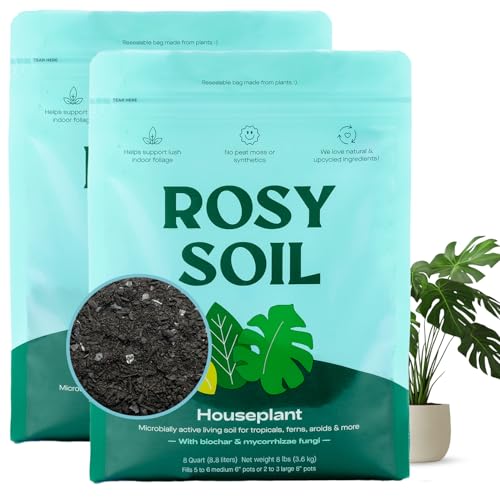
Rosy Soil Houseplant Potting Soil, 8 Quarts (Pack of 2)

MODELLOR Coco Coir Bricks, 4-Pack (5 lb)

Miracle-Gro African Violet Potting Mix, 8 qt.
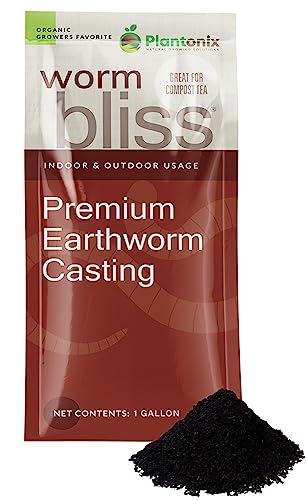
Worm Bliss Organic Worm Castings, 4 Quarts

Back to the Roots Organic Worm Castings, 5 lb

FoxFarm Ocean Forest Potting Soil, 1.5 cu ft

Horticultural Charcoal 1 qt for Plants
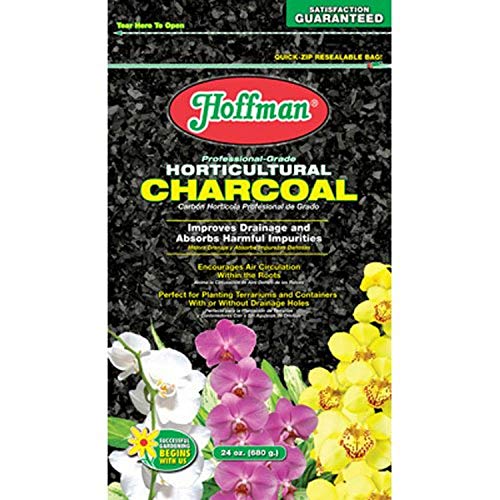
Hoffman 17502 Charcoal Soil Conditioner, 24-Ounce

Rosy Soil Houseplant Potting Soil Mix, 4 Quarts
Taking A Closer Look At The Options
If you keep a rotating cast of tropical houseplants, this Rosy Soil blend tackles one of indoor gardening’s biggest headaches: peat. The mix leans on biochar (a charcoal-like soil booster that improves structure and holds nutrients), worm castings, mycorrhizal fungi (beneficial microbes that attach to roots and help them absorb water and nutrients), compost, and bark fines instead, which keeps the blend sustainable without sacrificing drainage.
For most leafy houseplants like pothos, monsteras, and philodendrons, the texture feels light enough for roots to push through yet dense enough to hold moisture between waterings. If your collection leans heavily toward moisture-loving calatheas, you may find it dries slightly faster than expected and want to amend with extra coco coir.
Everyday Wins
- Peat-free formulation appeals to eco-minded growers looking to reduce peat bog harvesting.
- Mycorrhizal fungi and beneficial microbes support root development, meaning less transplant shock when repotting.
- Biochar helps the mix retain nutrients over time, so feedings don’t leach out as quickly.
- Ready to use straight from the bag with no mixing or pre-rinsing required.
- Eight-quart volume covers roughly four to six medium 6-inch pots depending on root ball size.
Things To Consider
- The bag can arrive somewhat compacted, so you’ll want to break up clumps with your hands before potting.
- Cacti and succulents will need a grittier amendment added since this blend retains more moisture than desert plants prefer.
Who It Suits Best
Tropical houseplant owners who want a sustainable, peat-free base for their everyday repotting routine.
Where Another Pick Suits Better
Specialty growers focused on African violets should reach for the Miracle-Gro African Violet Potting Mix instead.
Same trusted formula as the single bag, just doubled. The Pack of 2 makes sense for anyone whose collection has crept past a dozen pots, or for those planning a spring repotting blitz across multiple plants. Sixteen quarts is enough to cover a couple of large floor planters or roughly ten to twelve mid-size containers.
Storage gets easier when you keep a sealed second bag tucked in a garage or closet. You may find the bulk format slightly heavier to haul up stairs, but it saves a separate trip later when plants need refreshing.
What Helps Most
- Bulk format reduces per-bag packaging waste for eco-conscious shoppers.
- Having extra on hand means you can repot opportunistically whenever a plant outgrows its pot.
- Identical peat-free ingredients mean no adjustment period when switching from a single bag.
Honest Caveats
- The combined weight may be cumbersome for apartment dwellers without easy elevator access.
- If your plant collection is small or just starting, you risk the second bag sitting open and losing freshness before you finish it.
Made For
Collectors managing twenty-plus houseplants who routinely rotate soil during repotting season.
Consider Something Else When
Casual plant keepers with just a handful of pots will get better mileage from the smaller Rosy Soil 4-quart bag.
Coco coir (shredded coconut husk fiber used as a growing medium) comes compressed into these dense bricks, and each one expands to roughly nine quarts of fluffy, pH-balanced medium once you add water. The super-washed processing keeps salt levels low, which matters because unprocessed coir can leave behind residues that stunt sensitive roots.
You can use the rehydrated coir on its own for seed starting, or blend it into existing potting mixes to boost moisture retention without the density of peat. The brick format is a real win for anyone short on storage. Four small bricks slide into a closet shelf where bulky bags simply won’t fit.
Standout Benefits
- Four compact bricks yield up to 36 quarts total, giving serious volume from minimal closet space.
- Triple-washed, low-EC (low electrical conductivity, meaning fewer soluble salts) formulation protects seedlings from salt burn.
- Reusable bricks let you mix only what you need, reducing waste from half-used bags drying out.
- pH-balanced medium works for vegetables, herbs, and ornamentals without additional amendments.
Trade Offs
- Coir alone contains almost no nutrients, so you’ll need to pair it with worm castings or a liquid feed for hungry plants.
- Hydration takes planning: each brick needs soaking time, and breaking them apart dry can be dusty.
Feature Snapshot
Right Fit For
Seed starters and balcony gardeners who want to store bulk growing medium in a small apartment closet.
Look Elsewhere When
You’d rather grab a ready-to-use blend and skip the soaking step. FoxFarm Ocean Forest Potting Soil comes pre-mixed.
African violets are fussy about soil. They want a loose, slightly acidic mix that holds moisture without suffocating their fine, hair-like roots. This Miracle-Gro blend is formulated specifically for that balance, and it’s one of the few options on the market purpose-built rather than adapted.
Beyond African violets, the mix works well for other Gesneriads (a plant family that includes streptocarpus and gloxinia) and similar blooming houseplants that prefer gentle, moisture-retentive conditions. The bag feeds plants for several months, which suits anyone who forgets to fertilize on schedule.
Practical Pluses
- Tailored blend removes guesswork for African violet owners who otherwise struggle with generic mixes.
- Light, peat-based texture encourages the fine root systems violets depend on.
- Built-in feeding reduces the need for separate fertilizer for the first several months after repotting.
- Eight-quart bag is enough for several standard 4-inch violet pots.
Points To Keep In Mind
- Outside of violets and close relatives, the mix stays too moist for succulents, cacti, or most foliage plants.
- Some growers prefer to add extra perlite for even sharper drainage in deeper pots.
Best Suited To
Collectors of African violets, streptocarpus, and other blooming Gesneriads who want a no-fuss specialty blend.
Not Your Match When
Your shelves hold mostly tropical foliage plants. The Rosy Soil mix is better suited for monsteras and philodendrons.
Worm castings (the nutrient-rich excrement earthworms leave behind as they digest organic matter) act less like a standalone soil and more like a powerful soil amendment. Worm Bliss delivers four quarts of pure castings that you can mix into existing potting soil at roughly a one-to-four ratio for a slow-release nutrient boost.
For organic-focused growers who avoid synthetic fertilizers, castings offer nitrogen, phosphorus, potassium, and trace minerals in a form plants absorb gradually. The OMRI-listed designation (meaning it’s reviewed for organic use by the Organic Materials Review Institute) signals compliance with organic gardening standards if that matters for your setup.
What Pays Off
- 100% organic and manure-free, making it suitable for vegan gardeners and indoor use without odor.
- Slow nutrient release means less risk of fertilizer burn compared to liquid feeds.
- Improves soil structure over time, helping compacted potting mixes regain airflow.
- Versatile enough to top-dress existing pots or mix into new blends.
Potential Compromises
- Not a complete growing medium on its own; you’ll still need a base soil for most plants.
- Four quarts goes fast when amending multiple large containers, so heavy users may run out quickly.
Feature Card
Who Will Love This
Organic gardeners who want to enrich their current potting mix without introducing synthetic fertilizers.
A Better Fit Elsewhere
Anyone who needs a complete soil straight from the bag should grab FoxFarm Ocean Forest Potting Soil instead.
Back to the Roots keeps things simple: open the bag, sprinkle a layer over your soil, water, and walk away. The five-pound size beats Worm Bliss on volume for roughly similar use cases, and the domestic manufacturing (made in the USA) appeals to shoppers who weigh origin alongside ingredients.
For new plant parents intimidated by fertilizers and mixing ratios, castings offer a forgiving entry point. You can scatter them on top of any existing potting soil without measuring precisely, and the nutrients release slowly enough that over-application rarely causes problems.
What Earns Its Place
- Beginner-friendly application: just sprinkle and water, no measuring spoons required.
- Larger 5-pound size offers better value for households with multiple plants to feed.
- Domestic production supports shorter supply chains and traceability.
- Works for indoor and outdoor applications, from houseplants to raised beds.
Factors To Consider
- Castings have a faint earthy smell when first applied, though it dissipates within hours.
- Bag texture can be slightly damp on arrival, so storing in a dry closet is wise.
Perfect Match For
New plant owners who want a low-risk organic boost without learning fertilizer schedules.
Skip It When
You need a full growing medium rather than an amendment. The Rosy Soil 8-quart bag is the more complete option.
FoxFarm has built a loyal following among indoor growers, and Ocean Forest is the blend most people reach for first. It arrives ready to use with a light, aerated texture that handles a wide range of container plants, from tropical foliage to fruiting peppers kept near a sunny window.
The 1.5 cubic foot bag is sizable, so it suits growers repotting multiple plants at once or filling large planters. For a single small houseplant, it’s more volume than you’ll use before the bag starts losing freshness.
The Value In It
- Light, well-aerated texture encourages strong root development in containers.
- Pre-blended with earthworm castings, fish meal, and crab meal for a slow nutrient feed.
- Suitable for nearly any container plant, reducing the need to buy specialty mixes.
- Large volume fits bulk repotting sessions and big floor planters.
Less Ideal Details
- The richer nutrient load may be too strong for very young seedlings, which prefer a leaner start.
- 1.5 cubic feet is a lot of soil if you only maintain a few small pots.
Built With In Mind
Active container gardeners repotting multiple plants each season and filling planters above six inches wide.
Another Choice May Suit
Seed starters should use MODELLOR Coco Coir Bricks for a finer, lower-nutrient medium.
Horticultural charcoal earns its place in terrariums, orchid pots, and closed-container setups where air circulation is limited. A thin layer at the bottom of a glass vessel or mixed into the substrate helps absorb excess moisture and odors, keeping the root zone from turning sour.
The one-quart size is enough for several small terrariums or to amend a few orchid pots. You won’t use this as a primary soil; it’s strictly a supporting player, but a useful one for moisture-sensitive setups.
Why It Works Well
- Improves drainage in dense potting mixes, particularly for orchids and succulents.
- Helps control odors in enclosed terrariums and cachepot (decorative outer pot without drainage) setups without drainage holes.
- Small 1-quart size fits easily in a gardening drawer alongside other amendments.
Practical Considerations
- Not a standalone growing medium; it must be combined with soil or used as a base layer.
- Charcoal dust can be messy during pouring, so working over newspaper saves cleanup time.
Whose Shelf It Belongs On
Terrarium builders and orchid growers who need a moisture-buffering layer in their setups.
Reach For A Different Pick When
You want an all-purpose soil. The Rosy Soil 8-quart blend covers broader plant collections.
Hoffman has been a familiar name in indoor gardening for decades, and the 17502 charcoal conditioner leans into that reputation for reliability. The 24-ounce container is generous enough for repeat use across multiple containers, making it a practical shelf staple for anyone who frequently repotts.
You can mix it into potting soil for orchids, bonsai, or any plant that hates wet feet. The porous charcoal creates air pockets that help excess water drain away while filtering impurities from the root zone.
Where It Delivers
- Trusted brand history gives confidence for long-term, repeat use.
- Porous structure improves drainage and air circulation around roots.
- Larger 24-ounce container handles more pots than smaller quart-size options.
- Useful for containers without drainage holes, where excess moisture lingers.
Things That May Matter
- Still an amendment rather than a full soil, so you’ll need to pair it with a base mix.
- Charcoal granules vary in size; sifting may be needed for very small terrariums.
The Right Fit
Heavy-watering plant owners who want to safeguard roots against accidental overwatering.
Swap It Out When
Your focus is on feeding rather than drainage. Back to the Roots Worm Castings delivers nutrients without the drainage angle.
The 4-quart Rosy Soil bag carries the same peat-free blend as its larger sibling, just in a more apartment-friendly size. For a small collection of four or five plants, four quarts covers most repotting jobs without leaving you with a half-empty bag slowly losing freshness in the closet.
If you’re just starting your indoor garden or keeping things minimal on a narrow shelf, this size makes sense. The trade-off is fewer cubic inches per dollar compared to the larger 8-quart option.
Useful Touches
- Compact bag fits in tight apartment storage where larger soil bags are awkward.
- Same trusted peat-free formula with biochar, worm castings, and mycorrhizae.
- Good entry point for beginners not ready to commit to bulk soil.
Where It Is Less Suited
- Per-quart value is lower than the 8-quart sibling, so frequent repotter’s pay a small premium.
- May run out quickly if you’re filling multiple medium pots in one session.
Who Should Grab It
Casual plant keepers with a handful of small pots who want quality soil without the bulk commitment.
Where A Sibling Pick Shines
Collectors managing many plants should step up to the Rosy Soil 8-quart (Pack of 2) for better value per quart.
What To Weigh Before Choosing Your Indoor Soil
Picking the right soil depends less on brand and more on the plants sitting on your shelf. Tropical foliage plants like monsteras, philodendrons, and pothos thrive in airy, peat-free blends with bark and biochar, mimicking the loose forest floor they evolved in. African violets and other Gesneriads need a finer, moisture-retentive mix that won’t dry out between waterings. Cacti and succulents demand sharp drainage, so any base mix needs gritty amendments like perlite or pumice added before use.
Think about watering habits too. Forgetful waterers benefit from soils with coco coir or biochar that hold moisture longer. Daily checkers who like to water often should lean toward chunkier mixes that dry out evenly. For seedlings and propagation, a low-nutrient medium like plain coco coir prevents the burn that rich blends can cause to tender young roots.
Storage and volume matter more than most people expect. A bulk bag is cheaper per quart but heavy to haul and bulky to store. Compressed bricks like MODELLOR Coco Coir solve the storage problem at the cost of requiring pre-soaking. Specialty blends like Miracle-Gro African Violet make sense if you keep a focused collection, but they don’t stretch well across mixed houseplants.
Smart Considerations Before You Buy
Common Shopping Slip Ups
The biggest mistake is grabbing outdoor garden soil or topsoil for indoor pots. Outdoor blends compact fast in containers, suffocating roots and harboring pests. Another trap is assuming any bag labeled “potting mix” works for every plant. Cacti in African violet mix rot quickly, and violets in cactus blend dry out before you remember to water.
Watch out for buying more than you’ll use in a season. Opened bags lose structure and can develop mold over months. Match bag size to your actual plant count, and reseal tightly between uses.
When Paying More Pays Off
Premium blends like FoxFarm Ocean Forest cost more per quart because they arrive pre-amended with worm castings, fish meal, and other organic inputs. For someone repotting multiple plants each season, that built-in nutrition removes the need to buy separate fertilizer for the first few months. Specialty mixes like the Miracle-Gro African Violet blend also earn their higher per-quart cost by eliminating the trial-and-error of mixing your own violet soil.
The upgrade is less justified for growers who already maintain a stash of worm castings, perlite, and bark. In that case, a basic peat-free base plus your own amendments delivers similar results for less money.
Frequently Asked Questions
How often should I replace indoor potting soil? Most houseplants benefit from fresh soil every one to two years, since potting mixes break down, compact, and lose drainage over time. Actively growing plants in small pots may need annual refreshes.
Can I reuse old potting soil for new plants? Reusing old soil is possible after refreshing it with new compost or worm castings and checking for pests or disease. For edible plants or pest-prone species, starting with fresh soil is safer.
Do I need to add fertilizer if my soil already contains worm castings? Worm castings provide a slow, mild nutrient feed that lasts several months. Heavy feeders or fast-growing plants will still need supplemental fertilizer during the active growing season.
What’s the difference between potting soil and potting mix? The terms are largely interchangeable in retail, though technically “mix” suggests a soilless blend with peat, coir, or bark, while “soil” may contain actual mineral soil. For indoor containers, blends labeled “mix” usually drain better.
Is peat-free soil really better for indoor plants? Peat-free blends perform comparably for most houseplants when they include good drainage components like biochar, bark, or perlite. The environmental benefit comes from reducing peat bog harvesting, which matters to eco-minded growers.
The Takeaway
Healthy indoor plants start with soil matched to their needs: airy peat-free blends for tropicals, moisture-retentive mixes for African violets, and gritty amendments for succulents and orchids. Walk through your collection, identify what actually sits on your shelves, and let that guide your choice. The right foundation makes everything else easier, from watering frequency to long-term growth.