Setting up a garden bed sounds simple until you’re standing in the yard with a trowel, a bag of soil, and no plan. The right bed, container, or accessory turns a weekend project into something you’ll actually enjoy for years. Whether you’re working with a cramped patio, a sun-soaked backyard, or a memorial space that needs a quiet accent, the gear below covers the practical decisions: where things grow, how they drain, and how much effort they’ll ask from you season after season.
The Leading Options At A Glance

Personalized Fishing Memorial Garden Stake

Vego Garden Raised Bed Kits 9-in-1 8x2ft

BuildASoil Worm Castings 2 Gallons

AC Infinity Heavy-Duty 500G Fabric Pots 10-Gal 5-Pack

Mayne Nantucket 6ft Window Box White

Vego Classic Rolling Citrus Tree Planter
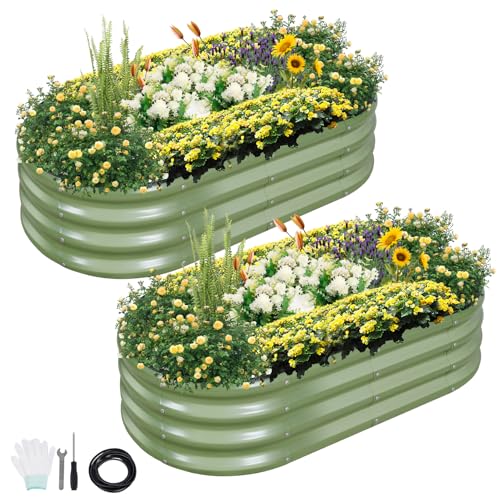
Permade Galvanized Raised Bed 2-Pack 4x2x1ft

Permade Galvanized Raised Bed 2-Pack 4x2x1.4ft

Permade Galvanized Raised Bed 2-Pack 6x2x1.4ft White
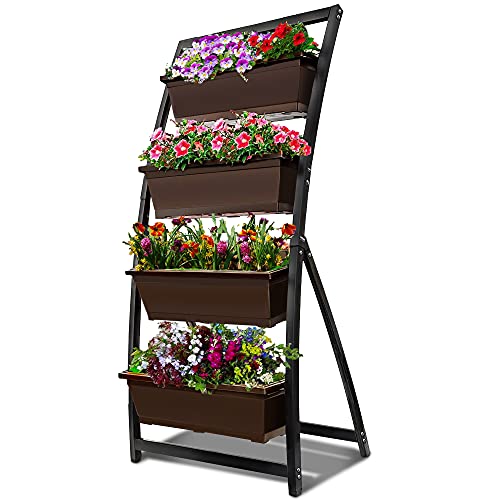
Outland Living 6ft Vertical Raised Garden Bed
The Strengths Of Each Pick
A garden bed doesn’t only need soil and seed, it sometimes needs a quiet reminder of someone who loved being outdoors. This iron stake slips between the greenery near the back edge of a flower bed, where a fishing boat silhouette and a small message anchor a spot you tend to visit. At roughly 5.8 inches tall and 2.89 inches wide, it stays low enough to feel like part of the planting rather than an obstacle.
Cast in iron with a finish built to handle weather, it suits a memorial flowerbed beside a porch or along a fence line. You may find the compact size easiest to pair with low groundcovers or short perennials where it won’t get crowded out by taller growth.
Good Reasons To Consider
- Compact footprint that fits between established plants without crowding roots.
- Iron construction handles rain and sun exposure across multiple seasons.
- Artistic boat silhouette adds character to a memorial corner of the bed.
- Lightweight enough to reposition as your planting layout evolves.
- Comforting message design turns a garden bed into a personal tribute space.
- Low profile means it won’t shade smaller flowering plants behind it.
Worth Noting
- Small stature can get lost in tall, dense planting, so placement matters.
- Personalized text variations may limit how flexible the piece feels in different spots.
Whose Shelf It Belongs On
Anyone building a memorial corner with low perennials or annuals and looking for a small iron accent with personal meaning.
A Better Fit Elsewhere
For a more functional accessory that actively enriches soil, BuildASoil Worm Castings 2 Gallons serves vegetable growers better than a decorative stake.
A long backyard bed that bends to your layout is rare in this category, and this 9-in-1 modular kit answers with serious flexibility. Built from zinc, magnesium, and aluminum coated steel in olive green, the panels assemble into nine possible configurations, so the same kit becomes a tall 17-inch rectangle, an L-shape, or a series of smaller square planters depending on how you want to garden that season. You may find the height alone makes daily weeding and harvesting far easier on your back than ground-level beds.
For a household that wants one kit to grow with changing plans, this is the foundation piece to start with. Compared with the more rigid galvanized Permade beds further down the list, Vego gives you real design freedom, though it asks more assembly time in return.
Bright Spots
- 17-inch depth supports deeper root crops and reduces bending for harvest.
- Modular panels reconfigure into nine layouts without buying extras.
- Coated steel resists corrosion across wet and snowy seasons.
- Olive finish blends into foliage rather than competing with it visually.
- Single kit scales from a single bed to a connected layout over time.
Trade-Offs To Consider
- Assembly takes longer than a single-shape kit, especially for first-time builders.
- Larger footprint needs a flat, prepared patch of yard to sit evenly.
- Higher material weight makes it harder to relocate once filled with soil.
Key Specs
Who It Suits Best
Backyard growers who want a tall, long-lasting metal bed and the freedom to reconfigure the layout over multiple seasons.
Consider Something Else When
A renter needing a smaller footprint should look at the Vego Classic Rolling Citrus Tree Planter for a mobile square option instead.
Healthy soil is the difference between a struggling bed and a productive one, and worm castings deliver slow-release nutrients without synthetic fertilizer. This 2-gallon (7.57-liter) container of screened, dark vermicompost spreads easily into the top few inches of a raised bed or works into a planting hole before transplant. Because the castings are screened for consistent texture, you avoid the clumpy, half-broken-down material that some lower-grade bags contain.
For an organic gardener building a vegetable bed or refreshing tired soil between seasons, this is the kind of input that quietly improves everything else. It pairs especially well with the Vego Raised Bed Kits above, where 17 inches of fill depth gives castings plenty of room to work downward into the root zone.
The Case For It
- Screened texture blends smoothly into soil without forming dense pockets.
- Organic composition suits vegetable and herb beds cleanly.
- Slow-release nutrients feed plants across the full growing season.
- Two-gallon size covers a small bed or several mid-sized containers.
- Safe around households avoiding synthetic fertilizer inputs.
Small Caveats
- Two gallons covers smaller beds only; larger layouts need multiple bags.
- Nutrient analysis is gentle, so heavy feeders may still need supplemental feeding.
Made For
Organic gardeners building a vegetable or herb bed who want a clean, screened soil amendment they can mix into the top layer.
Not Your Match When
Shoppers wanting a complete container system instead of a soil amendment should reach for AC Infinity Heavy-Duty 500G Fabric Pots.
Fabric pots are a different approach to a garden bed, and these 10-gallon grow bags earn attention for being genuinely heavy-duty. The thick nonwoven fabric air-prunes roots (meaning roots stop growing when they hit the air through the fabric, which prevents the root-bound circling common to plastic pots) and drains freely, so waterlogged soil becomes far less of a risk. Reinforced stitching and nylon handles make moving a fully filled bag manageable, though you’ll still want a hand on the heavier ones.
Built-in metal rings run through the fabric for low-stress plant training, which is useful for tomatoes or tall flowers that need tying off. Five bags in a pack gives you a small bed’s worth of growing space without committing to a permanent structure.
Useful Highlights
- Air-pruning fabric prevents root circling in long-term plantings.
- Reinforced handles survive moving a fully watered bag.
- Metal ring supports plant ties for tomatoes or tall flowers.
- Reusable material folds flat for off-season storage.
- Drainage through fabric reduces risk of waterlogged soil.
- Ten-gallon capacity supports larger vegetable root systems comfortably.
Points To Note
- Fabric dries faster than plastic, so watering frequency goes up in summer heat.
- Five-bag pack is overkill for a single herb or flower garden.
Feature Snapshot
Right Fit For
Patio and deck growers who want large fabric containers with proper drainage and the option to train taller plants through the season.
Skip It When
A renter or household needing a more polished visual look for a balcony should consider the Mayne Nantucket Window Box instead.
Window boxes turn the front of a house into a garden bed, and this 72-inch Nantucket planter does it with serious curb appeal. The double-wall polyethylene build insulates roots from summer heat and winter cold, and a built-in 6.5-gallon water reservoir keeps soil moisture consistent, so a forgetful waterer won’t lose the whole arrangement on a hot afternoon. UV inhibitors help the white finish resist fading through full-sun exposure.
At 72 inches long, 11.6 inches wide, and 10.2 inches tall, it spans a wide window or rail cleanly without looking cramped. You may find the reservoir system especially helpful for window installations where reaching the box to water daily is awkward.
Where It Helps
- Built-in reservoir cuts watering frequency in hot weather.
- Double-wall design shields soil from temperature swings.
- Polyethylene build handles sun and rain without cracking.
- Clean white finish suits traditional and modern exteriors.
- Length matches common window spans for a tailored look.
Honest Caveats
- Length needs solid mounting into studs or railing for safety.
- Premium material and reservoir drive a higher price than basic window boxes.
Best Suited To
Homeowners wanting a long-lasting, low-maintenance window box with a clean finish and a built-in watering buffer.
Reach For A Different Pick When
A vertical grower needing more height than rail length should look at the Outland Living 6ft Vertical Garden instead.
Small spaces don’t mean giving up on real soil depth, and this 1.75-foot square planter proves it. The compact footprint tucks into a patio corner, balcony edge, or rooftop, while the rolling wheels let you chase the sun through the day or roll the planter under cover when a storm rolls in. Coated steel construction mirrors the durability of the larger Vego bed above, so the smaller size doesn’t mean a shorter lifespan.
The deep planting space supports a small citrus tree, a fig, or a tall herb arrangement that wouldn’t survive in a shallow pot. You may find the wheel system especially useful during shoulder weather when a sudden cold snap requires a quick move indoors.
Key Advantages
- Wheels let you reposition the planter as sunlight and seasons shift.
- Deep soil volume supports small trees and tall root systems.
- Compact square footprint fits awkward patio corners.
- Coated steel matches the durability of larger Vego beds.
- Olive finish blends with surrounding foliage on a balcony.
Areas To Watch
- Once filled with wet soil, it’s heavy even on wheels, so it rolls best on flat patios.
- One planter is one footprint; multi-variety gardens need multiples.
Perfect Match For
Balcony or rooftop gardeners who want a mobile deep planter for a single citrus, fig, or small fruiting plant.
Look Elsewhere When
A household wanting multiple planting zones in one unit should consider the Outland Living 6ft Vertical Garden for tiered growing.
Galvanized steel at this size and price point is the easiest way to test raised bed gardening without overcommitting. This 2-pack gives you 4-foot by 2-foot beds at a 1-foot depth, which works for lettuces, herbs, and shallow-root flowers without the higher cost of deeper beds. The folded-edge design rounds off the metal so the corners stay safe around kids and pets, which matters more than people expect in a busy backyard.
You trade depth for accessibility, since the 1-foot height limits what you can grow. Compared with the deeper Permade 1.4-foot options below, this pair is the lighter, easier-to-place starter, ideal for renters or first-time bed builders.
Everyday Advantages
- Two-pack gives you bed separation for crop rotation.
- Rounded edges make the boxes family-friendly in shared yards.
- Galvanized finish handles outdoor weather through multiple seasons.
- Lower profile fits under windows or against fences.
- Lightweight frame is easier to reposition when needed.
Things To Consider
- One-foot depth limits root crops like carrots and parsnips.
- Two-pack footprint needs a fairly flat area to sit level.
Who Will Love This
First-time raised bed gardeners working with herbs, lettuces, and shallow-root flowers who want a manageable starter setup.
Swap It Out When
Carrot or potato growers needing more root room should reach for Permade Galvanized Raised Bed 2-Pack 4x2x1.4ft instead.
The same 4-foot by 2-foot footprint as the 1-foot version above gains 4 extra inches of soil depth, which is the difference between growing lettuce and growing actual carrots. The reinforced connecting rods hold the longer panels steady when the bed is filled with damp soil, addressing the bowing that some lighter galvanized beds develop over time. Rounded edges still keep the corners safe for households with kids or pets.
For a backyard grower who wants galvanized simplicity at a usable depth, this is the sweet spot. The trade-off is the same as the rest of the Permade line: a fixed rectangular shape, no modular reconfiguring like the Vego kit above offers.
The Value In It
- 1.4-foot depth supports carrots, beets, and most vegetable crops.
- Reinforced rods keep the bed rigid through wet-soil pressure.
- Folded edges keep corners safe for kids and pets.
- Two-pack allows crop rotation or separation by plant family.
- Green finish blends into backyard foliage fairly cleanly.
Potential Drawbacks
- No modular reconfiguration, so the layout is fixed once assembled.
- Green color is utilitarian rather than decorative.
Built With In Mind
Vegetable bed gardeners who want galvanized simplicity and enough depth for real root crops without paying for modular upgrades.
Where A Sibling Pick Shines
A gardener wanting more bed length should look at Permade Galvanized Raised Bed 2-Pack 6x2x1.4ft White for more linear growing space.
Length is what this version adds, with two 6-foot by 2-foot beds at the same 1.4-foot depth that worked so well on the smaller Permade pair above. The white finish suits a brighter backyard or a patio where the bed stays visible year-round, and the rounded edges keep things safe during the inevitable moments when a child runs past the corner. Reinforced connecting rods prevent the longer panels from bowing outward once the bed is full.
For a household wanting more linear growing room without going to the higher cost of the Vego modular kit, this is the practical middle ground. Depending on your yard shape, two parallel beds can frame a path or sit against a long fence line.
Strengths Worth Knowing
- Six-foot length gives meaningful room for row-style planting.
- White finish looks cleaner in visible yard or patio areas.
- Rounded edges stay safe for children and pets nearby.
- Reinforced rods resist bowing under wet soil pressure.
- Two-pack works as parallel beds or separates by plant family.
What To Weigh
- Longer beds need very level ground to prevent soil pooling at one end.
- White finish shows dirt and water spots more than darker colors.
The Right Fit
Households with kids or pets who want longer galvanized beds in a brighter finish for row-style vegetable growing.
Another Choice May Suit
A renter who may need to relocate the bed should consider the Vego Classic Rolling Citrus Tree Planter for mobility.
Vertical growing changes the math entirely when floor space is the limit, and this freestanding 6-foot frame delivers roughly 10 lineal feet of planting across four stacked container boxes within a 6-square-foot footprint. That’s a serious density for a balcony, patio, or narrow side yard where a horizontal bed simply won’t fit. You may find herbs on the lower boxes, leafy greens in the middle, and trailing plants on top, with each tier easy to reach without bending far.
Elevated design keeps the lowest box at a comfortable working height, which matters for gardeners with knee issues or anyone tired of kneeling on cold ground. The trade-off is that each box holds less soil than a full raised bed, so watering frequency climbs in summer.
Real Benefits
- Vertical stacking fits serious planting into 6 square feet.
- Elevated bottom box spares knees during daily tending.
- Freestanding design needs no mounting or railing support.
- Four-box layout supports multiple plant types at once.
- Works equally well indoors near a bright window or outdoors.
Less Ideal Details
- Smaller individual boxes need more frequent watering in heat.
- Taller footprint may not suit low-clearance balconies or overhangs.
- Soil volume per box is limited compared with full raised beds.
Who Should Grab It
Small-space gardeners wanting maximum planting variety in a narrow footprint, especially on balconies or tight side yards.
Wrong Turns To Avoid
A grower needing more soil depth for root vegetables should pick the Permade Galvanized Raised Bed 2-Pack 4x2x1.4ft instead for proper rooting room.
Matching A Garden Bed To Your Growing Style
The first decision in this category isn’t which brand looks nicest, it’s where the bed will live and how you’ll tend it. A backyard plot can handle a heavy galvanized or coated steel bed that stays put for years, while a patio or balcony calls for something lighter, mobile, or vertical. Soil depth matters more than most shoppers realize at first: shallow 1-foot beds grow lettuces and herbs comfortably, while root vegetables like carrots and parsnips need closer to 14 inches of usable soil to size up properly.
Material choice changes the long-term feel of the bed. Coated steel handles weather exposure cleanly but carries a higher upfront cost. Plain galvanized metal is more accessible financially and still lasts multiple seasons with reasonable care. Polyethylene resin planters resist cracking in winter cold and won’t fade under strong sun, which matters for window installations with constant exposure. Fabric pots bring air-pruning benefits that plastic containers can’t match, though they dry out faster in summer heat.
Think about who’ll do the daily watering. A bed with a built-in reservoir cuts maintenance for forgetful waterers, while a vertical tiered bed asks for more frequent check-ins in dry weeks. Households with kids or pets benefit from rounded-edge designs that keep corners from becoming scrape hazards during a busy backyard afternoon.
Finally, decide whether the bed needs to be permanent or movable. Renters and seasonal gardeners usually want something that disassembles or rolls away, while long-term homeowners can lean into heavier galvanized or steel installations that handle years of weather without complaint.
Reading Between The Options
Mistakes Worth Dodging
A common slip is picking a bed by footprint alone and then discovering too late that the depth is wrong for what you wanted to plant. Another trap is choosing a sleek metal bed for a high-wind area without anchoring it down, since tall or long empty beds can shift before they’re filled with soil. Shoppers also underestimate how much soil a deeper bed actually takes to fill, which affects the total project cost beyond the bed itself.
Watch out for assuming all galvanized steel is the same. Coating quality, panel thickness, and rod reinforcement vary widely between budget and mid-tier options, and the difference shows up after a couple of wet seasons.
The Upgrade Payoff
Higher-tier beds in this category earn their cost through thicker coatings, reinforced connecting hardware, and modular flexibility that lets the same kit adapt as your garden changes. A premium polyethylene planter brings UV resistance and a built-in reservoir that budget versions skip, which means less summer babysitting for the same planting arrangement. For gardeners planning to stay in a home for several seasons, the upgrade typically pays for itself through longer lifespan and lower replacement frequency.
Frequently Asked Questions
What soil depth do I need for vegetables in a garden bed?
Most leafy greens and herbs grow well in 1 foot of soil, while carrots, beets, and parsnips do best closer to 14 inches. Deep-root crops like tomatoes appreciate 17 inches or more for the strongest growth.
How long do galvanized raised beds last outdoors?
With reasonable care, a quality galvanized bed typically lasts several seasons of full outdoor exposure. Coated steel versions last longer because the additional zinc, magnesium, and aluminum layers slow corrosion from rain and soil contact.
Are fabric pots better than plastic containers for a garden bed?
Fabric pots air-prune roots, which prevents the circling common in plastic pots, and they drain freely to reduce waterlogging risk. The trade-off is faster drying, so they need more frequent watering in hot weather.
Can raised garden beds stay outside through winter?
Most metal and polyethylene raised beds handle winter cold and snow without issue, especially when emptied or covered. Fabric pots are best stored dry during freezing months since repeated freeze-thaw cycles shorten their lifespan.
Do I need to line the inside of a metal raised bed?
Lining isn’t strictly required, but a landscape fabric or plastic liner helps keep soil from contacting the metal directly, which extends the bed’s lifespan. Avoid treated materials that could leach into edible plantings.
Wrap Up
The right garden bed depends on where you garden, how deep you need to plant, and how much daily attention you want to give the setup. Match the depth to what you actually want to grow, pick a material that suits your climate, and choose a footprint your space can really handle. Once those basics line up, the bed becomes the easy part, and the fun part is what you put in it.