Putting the right plant in water changes everything. Maybe you keep an aquarium and want the greenery to stay put, or you’ve finally dug a small pond and want something that filters while it flowers. Some folks just want a windowsill herb that roots in a jar. The four picks below cover those very different needs, with practical notes on fit, trade-offs, and what to expect once the plant is in the water.
A Fast Comparison Of The Options

TOYMIS 25pcs Aquarium Plant Weights Anchors, Bendable U-Shape Metal Plant Anchors 140x14x0.25mm

Arc-en-ciel Live Perennial Water Lily Bare Root Pond Plant
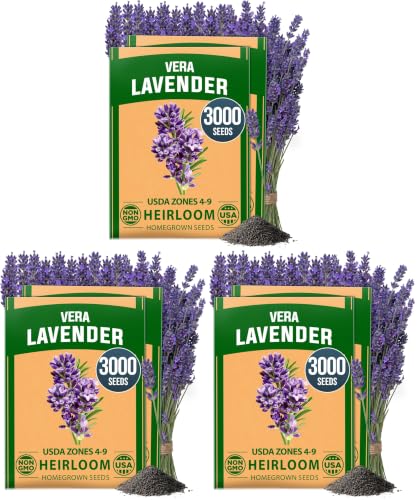
HOME GROWN Non GMO English Lavender Seeds (Pack of 3)
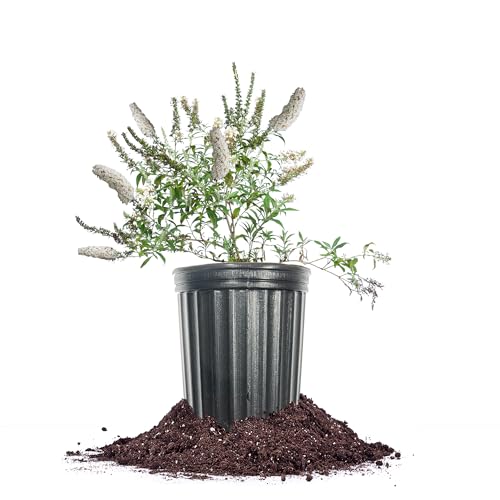
Perfect Plants White Profusion Butterfly Bush, 1 Gallon
The Details Behind The Selections
Aquarium keepers know the frustration: a freshly planted stem floats free the moment the filter kicks on. The TOYMIS anchors solve that low-tech problem in the most direct way possible. Each U-shaped piece of thin, bendable metal slides over a plant base and tucks into the gravel, holding live or plastic stems in place until the roots do the job themselves.
For community tanks, betta bowls, and small planted setups, this kind of hardware is the unsung hero. A 25-piece pack covers most starter tanks without forcing repeat orders, and the slim profile keeps the substrate looking clean rather than cluttered.
Practical Advantages
- Bulk pack of 25 covers multiple tanks or a full re-scape without extra shopping trips
- Bendable metal conforms to thicker stems, rhizomes, and decor bases
- Low profile keeps the focus on the plants, not the hardware
- Reusable across tank cleanings, making long-term ownership economical
- Works for both live and artificial plants, useful during cycling phases
Honest Caveats
- Thin metal can bend out of shape if forced around very thick driftwood
- Visibility depends on substrate color; they may show against pale sand
- Not a substitute for proper plant weight in deep or heavily stocked tanks
Key Product Details
Who Will Love This
Beginner aquarium keepers running a 10 to 29-gallon planted tank who want a quick, low-cost way to keep stems rooted.
Skip It When
The Arc-en-ciel Live Perennial Water Lily suits you more if you’re working with an outdoor pond rather than a glass aquarium.
Few water plants earn the word “showpiece” the way a hardy water lily does. The Arc-en-ciel ships as a pre-grown bare root, which removes the gamble of starting from a tiny tuber and waiting a season for flowers. You plant it in a pond container, lower it to the right depth, and the foliage pushes up within weeks in most climates.
What makes this variety stand out is the foliage itself. The lily pads carry speckled variegation in pink, cream, and yellow against an olive base, and the blooms shift from a seashell pink on day one to a clean white by day two. Beyond the looks, water lilies naturally shade the surface, which helps limit algae and supports a healthier pond environment over time.
The Upside
- Pre-grown bare root skips the slow establishment phase typical of tubers
- Color-changing flowers give the pond a different look from one day to the next
- Variegated lily pads add visual interest even when the plant isn’t in bloom
- Natural surface coverage helps shade water and reduce string algae
Things To Consider
- Hardy water lilies need a proper dormancy period and shouldn’t be kept in heated tropical setups
- Bare-root plants can look sparse on arrival and need trimming before potting
Right Fit For
Backyard pond owners with a koi or container water feature who want showy seasonal blooms without starting from seed.
Another Choice May Suit
Choose the Perfect Plants White Profusion Butterfly Bush instead if you want pollinator-friendly color on dry land rather than a water feature.
Lavender isn’t a traditional “plant that grows in water” the way the first two picks are, but cuttings root beautifully in a jar, and starting from seed gives you the freedom to do either. The HOME GROWN pack leans into that flexibility: 3,000+ seeds across three packets, marketed for both indoor and outdoor sowing. You can start a tray, transplant to a bed, and still have plenty left to experiment with water propagation on the side.
For someone with a sunny windowsill and patience, this is one of the most forgiving seed projects out there. English lavender is hardy, drought-tolerant once established, and the fragrance alone justifies the space it takes up.
Practical Pluses
- Three-pack volume leaves room for trial sowings and reseeding if a tray underperforms
- Seeds suit both indoor starter trays and direct outdoor sowing in spring
- English lavender doubles as a pollinator plant and a culinary herb once mature
- Non-GMO labeling gives peace of mind for kitchen-garden use
Points To Keep In Mind
- Germination rates vary with temperature; a heat mat helps in cooler homes
- Lavender seed is slow to start, so this is a months-long project, not a quick windowsill win
Made For
First-time seed starters and herb-garden hobbyists who want a low-cost, high-volume packet to learn on.
Look Elsewhere When
The TOYMIS Aquarium Plant Weights Anchors serve you better if your real goal is keeping existing aquatic stems in place rather than growing something new from seed.
Butterfly bushes don’t live in water, but they belong in this conversation for a simple reason: many gardeners shopping for “a plant that grows in water” are actually building out a layered yard with pond-edge planting nearby. The White Profusion delivers a tall, long-blooming shrub that pulls double duty as a backdrop and a pollinator station.
Shipped as a live one-gallon plant, it skips the slow establishment that bare-root mail orders often demand. In zones 5 through 9, you can expect a fast-growing deciduous shrub that tops out around five to six feet and produces continuous white flower spikes through the summer months.
What It Does Well
- Live one-gallon size means a head start over bareroot or plug alternatives
- Continuous summer blooms keep bees, butterflies, and hummingbirds coming back
- White flower spikes pair well with darker foliage plants in mixed borders
- Mature size fills a back-of-bed focal point without constant shaping
Soft Spots
- Butterfly bush can self-seed aggressively, so deadheading matters in tidy gardens
- Hardy only in zones 5-9, which rules out colder northern climates without winter protection
- Full-size shrubs need room; tight urban beds may feel crowded by year three
Key Attributes
Best Suited To
Home gardeners in zones 5-9 with a sunny border who want a tall, pollinator-friendly anchor plant.
Where A Sibling Pick Shines
Arc-en-ciel Live Perennial Water Lily is the better match for pond-side planting where in-water color matters more than a tall dry-land shrub.
How To Match The Right Water-Loving Plant To Your Setup
Match The Plant To The Water Body
Start with where the water actually is. A glass aquarium, a backyard pond, and a windowsill jar each have different flow rates, depths, and temperature swings. Plants built for still pond water usually struggle in a filtered tank, and seed-grown herbs rarely thrive fully submerged. Pick by environment first, looks second.
Check Sunlight And Climate Range
Aquarium plants run on tank lighting rather than the sun, so your grow light choice matters more than your zip code. Outdoor picks are different. Water lilies and butterfly bushes are seasonal, zone-driven plants, and a mild winter can be the difference between a returning perennial and a lost one. Always confirm hardiness before falling in love with a flower color.
Think About Long-Term Maintenance
Hardware like plant weights is mostly set-and-forget, while bare-root pond plants need seasonal dividing and seed packets ask for months of patience. Live shrubs give quick visual impact but want annual pruning. Honest maintenance expectations save a lot of frustration by midsummer.
Buy A Little More Than You Need
Bulk seed packs and multi-piece anchor sets make sense because trial and error is part of the learning curve. A few extra anchors or a buffer of unused seed means a failed tray or a chewed stem isn’t a project-ender.
Key Considerations Across These Picks
Wrong Turns To Avoid
The most common slip in this category is buying a pond plant for a tank, or a terrestrial shrub for a true water feature. Read the growth habit carefully and match it to the depth of water and the lighting your setup actually provides. A second frequent mistake is underestimating mature size. Butterfly bushes and lilies both grow fast, and a small border can feel crowded by year two if you skip the spacing math now.
What The Higher Tier Buys
Paying more usually means a larger, pre-grown plant rather than a tuber or seed packet. That head start translates into faster blooms, fewer failed transplants, and a better first-season look. For pond owners, a mature bare-root lily can mean flowers the same summer rather than a wait of one or two growing seasons.
Frequently Asked Questions
What actually counts as a plant that grows in water?
True aquatic plants live fully or partially submerged and pull nutrients directly from the water around them. Some herbs and houseplants can also root in water temporarily, which is useful for propagation even if they don’t live in water long-term.
Can I grow a plant in water without any soil at all?
Yes, for fully aquatic species like water lilies and many aquarium stems. Propagation setups with cuttings in a jar work too, though most non-aquatic plants eventually need soil or a hydroponic nutrient solution to thrive long-term.
Do water plants need fertilizer?
Outdoor pond plants often get enough from fish waste and natural decay, while aquarium setups usually benefit from root tabs or liquid doses. Bare-water propagation jars benefit from a light hydroponic nutrient mix.
Are butterfly bushes safe near ponds?
They’re not aquatic, so they don’t belong in the water itself, but they grow well on banks and slopes nearby. Their shallow roots are fine as long as the soil drains well and the crown stays above the waterline.
How long does it take lavender seeds to sprout?
Most English lavender seeds germinate within two to four weeks in warm, well-lit conditions. A heat mat and a humidity dome speed things up considerably in cooler homes.
The Takeaway
Each pick above solves a different version of the same question. Aquarium keepers want stability, pond owners want color and coverage, seed starters want volume and patience, and border gardeners want a tall pollinator anchor. Match the plant to the water, the zone, and the maintenance you’re ready to give, and the rest tends to take care of itself.