Healthy succulents live and die by their soil. Standard potting mix holds moisture like a sponge, which is exactly what these drought-tolerant plants cannot tolerate. The right blend delivers sharp drainage, enough grit to anchor roots, and enough organic matter to feed steady growth without waterlogging the pot.
This roundup walks through ten solid choices across different price points and use cases, from fast-draining succulent-specific blends to chunky amendments you mix into your own base soil. Whether you’re repotting a single aloe on a sunny windowsill or refreshing an entire outdoor succulent bed, there’s a fit here.
A Fast Comparison Of The Options

MODELLOR Coco Coir Bricks 4-Pack (5 lb)

Miracle-Gro African Violet Potting Mix, 8 qt.

FoxFarm Ocean Forest Potting Soil, 1.5 cu ft

Rurtsva Hard Chunky Perlite 1–2cm (2 qt)

Rosy Soil Cactus & Succulent Potting Mix, 4 Quarts

Rosy Soil Houseplant Potting Soil, 4 Quarts

Rosy Soil Aroid Soil Mix, 4 Quarts
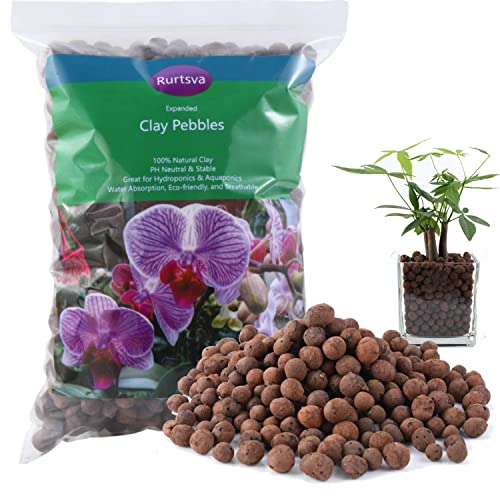
Rurtsva Natural Clay Pebbles 2 lbs

Rurtsva Natural Organic Perlite, 5 qt

Rurtsva Colorful Leca Balls, 2 lbs
The Details Behind The Selections
If you’re the type who likes to dial in your own soil recipe, MODELLOR’s coco coir bricks give you a clean, peat-free base to work from. Four compressed bricks expand to roughly 9 gallons of fluffy medium once you add water, so a small shelf-friendly package covers a surprising number of pots. The triple-washed, low-salt process means less rinsing on your end before you mix.
For succulent growers, the appeal is control. Coco coir on its own is too moisture-retentive for most succulents, but it blends beautifully with perlite, pumice, or the chunky perlite covered later in this list. In a small apartment where storage space matters, these bricks outperform a bulky bag of pre-made mix.
Well-Handled Touches
- Compressed format saves serious shelf space compared to bagged soil.
- Expands to around 9 gallons, enough for multiple small pots.
- Triple-washed and pH-balanced to reduce the rinsing chore.
- Organic, peat-free base that suits eco-minded growers.
Honest Caveats
- Plain coco coir holds more moisture than succulents want on its own, so you’ll need to blend in grit.
- Hydration takes a few minutes per brick and a container large enough to catch the expansion.
Who It Suits Best
DIY mix builders who want a clean organic base to customize with perlite or pumice for their succulent pots.
Where Another Pick Suits Better
Grab the Rosy Soil Cactus & Succulent Potting Mix instead if you’d rather skip the mixing step and pour a ready-to-use blend straight into the pot.
Miracle-Gro’s African Violet blend is a familiar face on garden shelves, and for many windowsill growers it doubles as a serviceable succulent medium. The texture is light and peat-based, which suits shallow-rooted succulents that prefer a softer, moisture-balanced environment over aggressive drainage. In practice, that means it works better for haworthias, Christmas cactus, and similar species than for desert cacti.
The 8-quart bag is a friendly size for apartment gardeners. You can repot a handful of small plants without committing to a giant sack of soil that goes stale in the closet. If you’ve already got a jug of perlite on hand, blending a little in pushes this mix closer to true succulent-ready texture.
The Value In It
- Widely available and easy to find at most garden centers and online retailers.
- Light, peat-based texture that suits moisture-tolerant succulents like haworthia.
- 8-quart bag fits casual repotting sessions without waste.
Worth Noting
- Holds more moisture than desert succulents prefer straight from the bag.
- Not a specialist cactus blend, so amending with perlite is the smart play.
- Sealed bag storage matters once opened, as peat-based mixes can compact over time.
Key Specs
Made For
Casual windowsill growers with haworthias, gasterias, and Christmas cactus who don’t mind a quick perlite boost.
Look Elsewhere When
Pick the Rosy Soil Cactus & Succulent Potting Mix if your collection leans toward echeveria and desert cacti that demand sharper drainage.
FoxFarm’s Ocean Forest is a household name in the container gardening world, and its 1.5 cubic foot bag is the size you reach for when refreshing a serious collection. The blend leans rich with earthworm castings, bat guano, and fish meal, which is wonderful for hungry tropicals but a bit too nutrient-dense for many succulents straight from the bag. For a dedicated succulent setup, treat it as a base to lighten up with perlite or pumice.
For gardeners who grow a mix of succulents and foliage plants, this bag pulls double duty. The texture stays light and aerated, so roots find oxygen even in deeper pots. It costs more per quart than basic mixes, but the ingredient list justifies the premium for those who value organic inputs.
The Helpful Details
- Light, aerated texture holds structure well in larger pots.
- Organic-rich ingredient list feeds hungry plants alongside your succulents.
- Available in multiple pack sizes for scaling up your collection.
- Widely reviewed by hobbyists, making it easy to find use-case feedback.
Things To Consider
- On the rich side for desert succulents, so plan on adding drainage amendments.
- Heavier bag to ship and store compared to compressed bricks.
Quick Facts
Right Fit For
Container gardeners with mixed collections of succulents and foliage plants who want one rich base blend to amend as needed.
Skip It When
Pick the Rurtsva Hard Chunky Perlite to mix with a simpler base if you mostly grow true desert succulents and want pure drainage control.
Perlite is the white, lightweight volcanic rock you see mixed into almost every premium potting blend, and the coarse 1–2cm grade makes a real difference for succulents. Bigger particles create larger air pockets in the soil, which keeps roots oxygenated and prevents the compaction that suffocates sensitive succulents. The 2-quart pouch is enough to amend several bags of base soil.
Coarse perlite works particularly well for orchids, dendrobiums, and chunky aroid mixes where airflow matters as much as drainage. For pure desert succulents, you can blend it 50/50 with coco coir or a peat base to create a fast-draining custom mix. The trade-off is dust when you pour, so do it outside or over a tray.
Notable Gains
- Coarse 1–2cm grade creates larger air pockets than standard perlite.
- Lightweight and sterile, with no risk of introducing pests or pathogens.
- Improves drainage in any base mix without adding weight.
- pH-neutral, so it won’t shift the chemistry of your blend.
Points To Keep In Mind
- White perlite can float to the surface during heavy watering.
- Pouring generates fine dust, so work in a ventilated space or dampen first.
Feature Snapshot
Best Suited To
Hands-on gardeners who mix their own soil and want full control over drainage and texture.
Consider Something Else When
Pick the Rosy Soil Cactus & Succulent Potting Mix if you’d rather skip measuring and blending.
Rosy Soil built this blend specifically for the way succulents actually grow, with a chunky texture that resists compaction and lets excess moisture drain fast. Unlike generic cactus mixes that still pack down over time, this one stays loose and airy in the pot, which is the whole point. The 4-quart pouch is a sensible size for a focused succulent collection without committing to a giant bag.
The blend includes worm castings and beneficial microbes, so you’re not just buying drainage but a living soil that supports root development. For dedicated succulent keepers who want a ready-to-pour option without the DIY mixing step, this lands as the most purpose-built choice in the roundup.
What Earns Its Place
- Chunky texture stays loose rather than compacting like denser mixes.
- Includes worm castings and beneficial microbes for living soil benefits.
- Ready to use straight from the bag, no amendment required.
- Formulated specifically for cacti and succulents, not a general blend.
Honest Caveats
- Smaller bag than bulk options, so larger collections may need multiple.
- Chunky texture means smaller decorative top dressings can settle between particles.
Whose Shelf It Belongs On
Dedicated succulent collectors who want a specialist blend that pours ready and drains fast without extra work.
Reach For A Different Pick When
Pick the MODELLOR Coco Coir Bricks instead if you prefer building your own blend from scratch.
Rosy Soil’s houseplant blend takes a different angle from their cactus mix, leaning into organic inputs like biochar, compost, and worm castings while skipping peat entirely. For indoor gardeners who want a more sustainable base, that’s a meaningful swap. The texture stays lighter than dense peat-based mixes, which helps with airflow around sensitive roots.
For succulent growers, this works as a base you amend with extra perlite or pumice. Out of the bag it’s better suited to tropical houseplants, but blend in a generous handful of grit and it transitions nicely for moisture-tolerant succulents like haworthia or Christmas cactus. The living soil approach with mycorrhizae is a plus for long-term root health.
Practical Pluses
- Peat-free formulation appeals to sustainable-minded gardeners.
- Includes biochar, worm castings, and mycorrhizal fungi for living soil benefits.
- Light texture resists compaction in indoor pots.
- Organic ingredients without synthetic fertilizer additives.
Less Ideal Details
- Needs perlite or pumice added for true desert succulent performance.
- Smaller 4-quart pouch runs out quickly for plant-heavy households.
Who Should Grab It
Indoor gardeners with mixed collections who want an organic, peat-free base to customize per plant type.
A Better Fit Elsewhere
Pick the Rosy Soil Cactus & Succulent Potting Mix if your shelves are predominantly desert succulents.
Aroids like Monstera and Philodendron crave a chunky, bark-heavy mix that mimics their natural rainforest habitat, and Rosy Soil’s aroid mix brings that texture home. Pine bark fines, pumice, and biochar combine into a blend that drains fast and stays airy, which is exactly what aroids need to avoid soggy roots. Even though this mix targets aroids rather than succulents specifically, the chunky drainage profile translates well to any plant that hates wet feet.
For succulent growers with mixed tropical collections, this bag pulls double duty. The biochar component adds long-term porosity that peat-based mixes can’t match. It’s a thoughtful blend that rewards the gardener who wants one premium mix for humidity-loving tropicals.
A Favorable Mix
- Chunky bark-fine texture mimics natural aroid growing conditions.
- Biochar adds long-term porosity without breaking down quickly.
- Fast-draining profile suits any plant sensitive to soggy roots.
- Works for Monstera, Philodendron, Alocasia, Anthurium, and tropical foliage.
Factors To Consider
- Bark-based mixes break down over time and need refreshing every year or two.
- Not formulated for desert succulents, so amendment is required for those.
Feature Rundown
Who Will Love This
Tropical plant collectors with Monsteras, Philodendrons, and Alocasias who want a chunky, ready-to-use aroid blend.
Swap It Out When
Pick the Rosy Soil Cactus & Succulent Potting Mix if your collection is purely succulents rather than tropical foliage.
Expanded clay pebbles, often called LECA, are a different approach to growing altogether. These 8–15mm fired clay balls create permanent structure in the pot, never break down, and can be rinsed and reused indefinitely. For succulent growers curious about semi-hydroponic growing, LECA offers a way to ditch soil entirely while still anchoring roots.
The 2-pound bag covers a small collection or a generous drainage layer in a larger pot. Rurtsva’s pebbles run low-dust out of the bag, saving you the rinsing marathon cheaper LECA sometimes requires. The trade-off is a learning curve: watering schedules change, and you’ll want to research semi-hydro basics before transitioning a plant.
Strengths Worth Knowing
- Reusable indefinitely, making them cost-effective long-term.
- Low-dust out of the bag, so less rinsing before first use.
- Creates permanent air pockets around roots, eliminating compaction.
- Works for hydroponics, semi-hydro, and traditional drainage layers.
- pH-stable and sterile, with no risk of soil-borne pests.
Practical Considerations
- Requires a shift in watering technique if moving from soil to semi-hydro.
- Heavier than perlite, so large pots get noticeably weightier.
Perfect Match For
Curious growers experimenting with semi-hydroponics or anyone wanting a reusable drainage layer at the bottom of large pots.
Where A Sibling Pick Shines
Pick the Rurtsva Colorful Leca Balls if you want the same reusable medium with a decorative twist for display pots.
Standard-grade perlite is the workhorse amendment of most succulent mixes, and Rurtsva’s 5-quart bag offers generous volume at a friendly entry point. The particles run smaller than the coarse grade covered earlier, so this perlite blends more smoothly into finer soil mixes while still delivering reliable drainage and porosity.
For succulent growers, this bag is the affordable companion to any base mix. Blend it into peat-based blends, coco coir, or standard houseplant soil to push drainage closer to succulent-friendly levels. It’s a versatile, low-cost staple that pays for itself across many repottings.
What Helps Most
- 5-quart volume covers lots of amending without constant reordering.
- Standard grade blends smoothly into finer base mixes.
- Improves drainage and aeration in virtually any soil.
- Sterile and pH-neutral, safe for all plant types.
Trade-Offs
- Smaller particles create finer air pockets than coarse perlite for chunky mixes.
- White color can float up and become visible on the soil surface over time.
Built With In Mind
Budget-conscious gardeners who want a versatile perlite amendment to improve drainage across many plants.
Not Your Match When
Pick the Rurtsva Hard Chunky Perlite if you need bigger air pockets for orchids or chunky aroid blends.
Colorful LECA balls bring a decorative twist to functional growing media. Rurtsva’s 8–10mm ceramsite pebbles come in assorted colors, making them a natural fit for top dressing display pots where the soil surface is part of the aesthetic. Beyond looks, the fired clay still creates the same air pockets and drainage benefits as plain LECA.
For succulent displays and craft projects, the colorful finish adds personality without sacrificing function. Use them as a top layer over standard succulent soil to reduce moisture loss and keep perlite from floating. They’re a small detail that elevates a windowsill or terrarium without much extra effort.
Where It Helps
- Decorative colors dress up display pots and terrariums.
- 8–10mm size suits top dressing and small container work.
- Provides the same drainage and aeration as plain LECA.
- Non-toxic and safe around children and pets when used as intended.
Where It Is Less Suited
- Color may fade slightly with extended sun exposure over time.
- Premium price per pound compared to plain clay pebbles.
The Right Fit
Crafters, terrarium builders, and decorators who want functional drainage media that also looks intentional in display pots.
Another Choice May Suit
Pick the Rurtsva Natural Clay Pebbles if you’d rather skip the color and pay less for the same drainage function.
Choosing The Right Mix For Your Succulent Collection
Drainage is the headline feature, but texture matters just as much. A mix that drains quickly but compacts within a few months defeats the purpose, because compacted soil suffocates roots even when individual waterings pass through fine. Look for blends with chunky, stable components like pine bark, pumice, or coarse perlite that hold their structure over time.
Particle size tells you a lot about real-world performance. Fine mixes feel soft in the bag but settle into dense pots that hold too much water at the root level. Coarse, chunky blends feel almost gritty in the hand, which is exactly what most succulents prefer. Match the particle size to your plant’s natural habitat: desert species want the grittiest mix, while jungle succulents tolerate slightly finer texture.Your watering habits also shape the right pick. Hands-off waterers who forget pots for weeks need faster-draining blends, since any retained moisture lingers longer. Diligent waterers who check pots regularly can get away with slightly richer mixes, because they catch overwatering before root rot sets in.Pot material interacts with your mix choice too. Terracotta breathes and pulls moisture through, which means a slightly richer mix works fine. Plastic or glazed ceramic holds moisture, so lean toward grittier blends to compensate. Always match the soil to the pot, not just the plant.
Reading Specs Without Getting Lost
Bag weight and volume labels vary, so pay attention to the actual measurement. A 4-quart bag sounds generous but covers only a handful of small pots, while a 1.5 cubic foot bag handles a serious collection. For most home growers with 10–20 plants, the 4-quart pouches strike a good balance between freshness and value.
Ingredient lists reveal more than marketing copy. Watch for peat (water-retentive), coco coir (similar but more sustainable), perlite and pumice (drainage), bark fines (chunky structure), and biochar (long-term porosity). A blend with three or four of these components usually outperforms single-ingredient options.
Common Shopping Slip Ups
The biggest mistake is grabbing a general-purpose potting mix and planting succulents directly into it. Those blends are designed to retain moisture for thirsty plants, which is the opposite of what succulents need. Even “cactus” labeled mixes vary widely, so check the ingredient list rather than trusting the label alone.
Another trap is underestimating how fast a small bag disappears. Repotting three or four medium succulents can easily consume a 4-quart pouch, and refreshing an established collection every year or two adds up. Buy slightly more than you think you need, because stale soil loses structure over time.
Why Top Tier Mixes Cost More
Premium blends earn their higher price through ingredient quality and thoughtful formulation. Triple-washed coco coir with reduced salts costs more to produce than raw coir. Biochar and mycorrhizal inoculants require specialized manufacturing. Chunky components like pumice and pine bark are heavier to ship than peat.
The upgrade pays off when you’re growing rare or expensive succulents where losing a plant costs more than buying better soil. For beginners with hardy varieties, a mid-tier amended mix works fine until your collection grows.
Key Considerations Across These Picks
Where Shoppers Go Wrong
Buying the cheapest bag without checking ingredients is the most common pitfall. Many budget “cactus” mixes are mostly peat with a token sprinkle of perlite, and they behave like regular potting soil once watered. Read the ingredient list and look for visible grit or chunky components before you commit.
Another misstep is ignoring pot size. Tiny 2-inch nursery pots dry out fast, so even moisture-retentive mixes can work. Larger pots hold moisture longer, so the same mix risks root rot. Match your mix aggressiveness to your pot size, not just your plant type.
What The Higher Tier Buys
Premium blends typically include biological ingredients like mycorrhizal fungi, beneficial bacteria, and worm castings that support long-term root health. These living components cost more to produce and have shorter shelf lives than inert amendments, which explains part of the price gap.
Specialized blends also use better-sourced components. Triple-washed coco coir removes salts that would otherwise stress roots. Coarse pumice and chunky perlite are sorted by size for consistency. That attention to detail shows up in plant performance over months and years.
Frequently Asked Questions
Can I use regular potting soil for succulents?
Regular potting soil holds too much moisture for most succulents and often leads to root rot. Amend it heavily with perlite or pumice, aiming for at least a 50/50 blend, or choose a purpose-built cactus and succulent mix instead.
How often should I repot succulents?
Most succulents benefit from fresh soil every two to three years, even if they haven’t outgrown their pot. Soil structure breaks down over time, reducing drainage and aeration. Younger, faster-growing plants may need annual repotting.
Do succulents need fertilizer in their potting mix?
Most succulents grow slowly and don’t need heavy feeding. A mix with worm castings or compost provides gentle nutrition for the first several months. After that, a diluted balanced fertilizer during the active growing season is plenty.
What’s the difference between perlite and pumice?
Both improve drainage, but perlite is a processed volcanic glass that’s very lightweight, while pumice is a natural volcanic rock that’s heavier and doesn’t float to the surface as easily. Pumice also lasts longer in the pot without breaking down.
Can I mix different soils together for succulents?
Absolutely. Many experienced growers blend a chunky cactus mix with extra perlite, pumice, or bark to customize drainage for specific species. Just make sure the final blend drains within a few seconds of watering.
Closing Thoughts
The right potting mix makes succulent care dramatically easier, turning routine watering from a guessing game into a confident rhythm. Match the blend to your species, your pot material, and your watering style rather than grabbing the cheapest bag on the shelf. Your plants will reward you with steady growth and far fewer casualties.