A healthy houseplant almost always comes down to the soil holding the right moisture and airflow. Gardeners juggling pothos, monsteras, and African violets on the same shelf need blends that match each root system, not a one-bag-fits-everything shortcut. This roundup covers organic mixes, specialty blends for succulents and aroids, and a few amendments that turn plain soil into a better home for roots.
A Side-By-Side Look

Rosy Soil Organic Indoor Potting Mix, 8 Quarts
Rosy Soil Organic Indoor Potting Mix, 8 Quarts (2-Pack)

Miracle-Gro African Violet Potting Mix, 8 qt
Plantonix Worm Bliss Organic Worm Castings, 4 Quarts

Earth Science Earthworm Castings, 3 lb

FoxFarm Ocean Forest Potting Soil, 1.5 cu ft

Omitgoter Horticultural Charcoal, 1 Quart

Rosy Soil Organic Indoor Potting Mix, 4 Quarts

Rosy Soil Cactus and Succulent Potting Mix, 4 Quarts

Rosy Soil Aroid Soil Mix, Chunky Biochar Blend, 4 Quarts
Taking A Closer Look At The Options
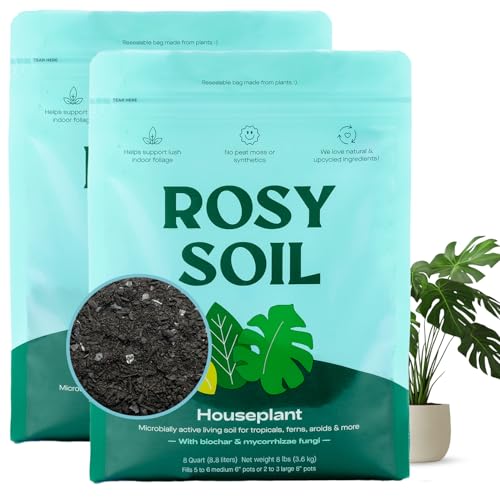
Rosy Soil Organic Indoor Potting Mix arrives in an 8-quart bag built around biochar, worm castings, mycorrhizae, compost, and bark fines. Unlike the peat-based blends many gardeners grew up with, this one uses renewable ingredients that hold structure without compacting over time.
The living microbiology, meaning beneficial fungi and bacteria that colonize the root zone, is the main draw for organic-leaning gardeners. For a shelf of pothos, philodendrons, or syngoniums, the texture stays loose enough for healthy root expansion. In our view, this is the cleanest general-purpose bag in the lineup.
Where It Helps
- Peat-free recipe suits gardeners avoiding peat moss harvests.
- Mycorrhizal fungi colonize roots and improve long-term nutrient uptake.
- Bark fines and biochar keep the mix airy in standard 6- to 10-inch pots.
- Worm castings supply slow-release nitrogen without synthetic fertilizer.
- 8-quart volume covers roughly four to six mid-size repottings.
Points To Keep In Mind
- Compost content means the bag can hold more moisture than gritty mixes, so let pots dry between waterings.
- Without perlite, drainage in dense decorative planters may run slow without added amendments.
- Strong organic smell on opening fades within a day in most rooms.
Who It Suits Best
Organic-leaning gardeners with a mixed tropical collection who want one reliable bag for everyday repotting.
Look Elsewhere When
Monstera and philodendron owners chasing the chunkiest airflow should reach for the Rosy Soil Aroid Soil Mix instead.
The two-pack version of Rosy Soil Organic Indoor Potting Mix simply doubles down on the same recipe covered in pick one. Two 8-quart bags give households with bigger collections a stockpile without paying for separate shipments.
Same living-soil ingredient list, same peat-free stance, same forgiving texture for tropical foliage. For anyone repotting a dozen plants in spring, this avoids the midseason scramble for a second bag.
The Good Stuff
- Combined 16-quart volume suits larger plant shelves.
- Identical organic recipe across both bags keeps care routines consistent.
- Stores well in a cool, dry spot for several months in a sealed bag.
Trade-Offs To Consider
- Heavier to lift and ship than the single bag, depending on carrier handling.
- Owners with only a few pots may end up with leftover mix taking up closet space.
Made For
Multi-plant households doing a single seasonal repot across the whole collection.
Skip It When
A few small succulents need rehousing; the Rosy Soil Cactus and Succulent Potting Mix is the tighter match.
Miracle-Gro African Violet Potting Mix is blended specifically for African violets and other gesneriads, a plant family that hates soggy roots but loves steady moisture. The texture leans peat-based with perlite mixed through for airflow.
An 8-quart bag covers roughly four to eight standard 4-inch African violet pots depending on root mass. Compare that to the all-purpose Rosy Soil, this one sacrifices tropical versatility for the slightly acidic, well-draining profile violets need.
A Few Strong Suits
- Tuned pH range keeps African violets flowering on schedule.
- Perlite content stops the mix from compacting around delicate fibrous roots.
- Also suits streptocarpus, gloxinia, and other gesneriad cousins.
Where It May Fall Short
- Peat-based, so gardeners avoiding peat may want a different bag.
- Not ideal for succulents or thick-rooted tropicals that prefer a chunkier blend.
Quick Facts
Best Suited To
Collectors of African violets and other flowering gesneriads who want a blend built for the species.
Not Your Match When
Your shelf runs heavier toward monsteras or philodendrons; the Rosy Soil Organic Indoor Potting Mix suits those better.
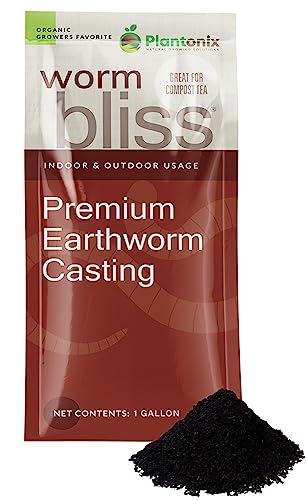
Worm Bliss from Plantonix is a 4-quart bag of pure earthworm castings, the nutrient-rich waste worms leave behind after digesting organic matter. Gardeners use it as an amendment, not a standalone mix, meaning you blend it into other soils to enrich them.
The castings carry nitrogen, phosphorus, potassium, and trace minerals in a slow-release form. You may find a 1:4 ratio of castings to potting soil is the common starting point for indoor tropicals.
What Stands Out
- OMRI-listed for organic gardening compliance.
- Vegan and manure-free, useful for indoor use without strong odors.
- Trace minerals support chlorophyll production and overall plant mass.
Worth Noting
- Not a standalone growing medium; needs to be mixed into existing soil.
- Dense texture can smother roots if added in heavy ratios.
Right Fit For
Organic gardeners boosting a base mix with slow-release fertility without synthetic fertilizer.
Reach For A Different Pick When
You want a ready-to-use complete potting soil; the Rosy Soil Organic Indoor Potting Mix is the more direct option.
Earth Science Earthworm Castings come in a 3-pound bag aimed at gardeners looking to feed and condition soil in one move. The castings increase water retention while feeding the beneficial microbes that drive nutrient cycling.
Same general use case as the Plantonix Worm Bliss covered earlier, just a slightly different brand profile and packaging size. Vegetable gardeners and flower bed owners often blend this into beds before planting season.
Benefits That Matter
- Adds organic matter that helps sandy soils hold moisture longer.
- Feeds soil microbes, supporting long-term soil biology.
- Low-odor formula works for indoor top-dressing without strong smells.
Some Limits To Know
- 3-pound bag covers a smaller area than larger amendment options.
- Must be mixed into existing soil, not used alone for new plantings.
Feature Snapshot
Whose Shelf It Belongs On
Gardeners maintaining both indoor plants and outdoor vegetable beds who want one shared amendment.
A Better Fit Elsewhere
Anyone wanting only an indoor amendment at a larger volume should weigh Plantonix Worm Bliss in pick four instead.
FoxFarm Ocean Forest Potting Soil arrives ready-to-use in a generous 1.5 cubic foot bag. The blend includes earthworm castings, fish meal, and crab meal alongside peat and forest humus, which gives it a strong nutrient baseline right out of the bag.
The light, aerated texture suits container plants of nearly every kind, from tomatoes to large indoor trees. Compared to the smaller Rosy Soil bags earlier in this list, this is the bulk option for serious growers repotting multiple large planters at once.
Useful Highlights
- Pre-charged with organic nutrients, reducing the need for early fertilization.
- Light texture promotes strong root penetration in large containers.
- 1.5 cubic foot volume covers several large patio planters.
Practical Considerations
- Bulk size is heavy and harder to store than smaller 4- or 8-quart bags.
- Strong organic smell on opening requires a ventilated storage spot.
The Numbers That Matter
Built With In Mind
Container gardeners with larger planters who want one nutrient-rich blend across indoor and outdoor use.
Swap It Out When
Smaller African violet pots need rehousing; the Miracle-Gro African Violet Potting Mix is tuned more specifically.
Omitgoter Horticultural Charcoal is a 1-quart bag of activated charcoal marketed toward terrariums, orchids, succulents, cacti, and bonsai. Activated charcoal absorbs excess moisture and odors, which matters most in closed or semi-closed containers.
You use it as a thin layer at the bottom of pots or blended into orchid mixes for root health. Gardeners with terrariums especially benefit since stale water in a glass jar is the fastest route to root rot.
What Makes Sense
- Improves soil aeration by preventing compaction in small containers.
- Neutralizes odors in closed terrarium environments.
- Works for orchids, succulents, cacti, and bonsai alike.
Less Ideal Details
- 1-quart bag goes fast in larger planters, so budget for multiple bags.
- Charcoal dust can stain hands and work surfaces during pouring.
Perfect Match For
Terrarium builders and orchid keepers who want a moisture-buffering layer in their containers.
Another Choice May Suit
Standard tropical houseplant owners should grab the Rosy Soil Organic Indoor Potting Mix for a ready-to-use solution.
The 4-quart version of Rosy Soil Organic Indoor Potting Mix mirrors the recipe from pick one at half the size. Same biochar, worm castings, mycorrhizae, compost, and bark fines blend, just a smaller bag.
For first-timers curious about organic, peat-free mixes, this is a low-commitment trial size. New plant parents with a handful of pots get enough soil for two or three small repottings without overflow.
A Favorable Mix
- Smaller bag fits in tight apartment storage closets.
- Same living-soil profile as the larger 8-quart sibling.
- Lower commitment for gardeners trying peat-free soil for the first time.
Trade-Offs To Consider
- Per-bag unit value is lower than the 8-quart version in pick one.
- Runs out fast for owners with a multi-plant shelf.
Who Should Grab It
Beginners with a few small pots who want to sample organic soil before committing to a larger bag.
Where Another Pick Suits Better
A larger collection calls for the Rosy Soil Organic Indoor Potting Mix 8-quart size in pick one.
Rosy Soil Cactus and Succulent Potting Mix is built for the drought-loving side of the plant world. The chunky texture keeps roots breathing and sheds excess moisture fast, which is exactly what succulents and cacti need to avoid rot.
The blend still carries the living-soil approach with beneficial microbes and worm castings. For anyone whose jade plants or echeverias keep collapsing in standard houseplant soil, the answer usually starts here.
What Pays Off
- Loose, airy structure prevents water from pooling around roots.
- Living microbes still feed plants slowly without overloading them.
- Compatible with haworthia, aloe, jade, echeveria, and most cacti.
Factors To Consider
- Dries out faster than general mixes, so thirsty tropicals planted in this will need more frequent watering.
- Smaller 4-quart bag suits modest collections only.
Who Will Love This
Succulent keepers tired of mushy stems caused by dense, moisture-retentive soils.
Consider Something Else When
Your collection leans toward monsteras and philodendrons; the Rosy Soil Aroid Soil Mix is built for their roots.
Rosy Soil Aroid Soil Mix is the most specialized bag in this roundup. Pine bark fines, pumice, and biochar come together in a chunky blend engineered for aroids, the family that includes monstera, philodendron, alocasia, anthurium, pothos, and peace lily.
These plants evolved clinging to bark in tropical canopies, so they hate soggy roots and reward airy mixes. The texture mimics that natural environment better than standard houseplant soil can.
Standout Benefits
- Pine bark mimics the natural substrate aroids climb in the wild.
- Pumice and biochar keep drainage fast even after months of watering.
- Works across monstera, philodendron, alocasia, anthurium, pothos, and peace lily.
Small Caveats
- Chunky pieces can clog standard watering spouts in narrow-necked cans.
- Needs watering more often than peat-based blends due to high airflow.
Feature Rundown
Right Fit For
Aroid collectors with monsteras and philodendrons who want a blend that matches the plants’ wild growing style.
A Better Fit Elsewhere
Succulent owners should pick up the Rosy Soil Cactus and Succulent Potting Mix in pick nine for a drier profile.
What Matters Most Before Choosing Potting Soil For Indoor Plants
Match The Blend To The Plant Family
Different houseplants evolved in different conditions, and the soil should reflect that. African violets and other gesneriads want slightly acidic, peat-based blends with steady moisture. Aroids like monstera and philodendron need chunky, bark-rich mixes that mimic their natural canopy homes. Succulents and cacti thrive in fast-draining blends with low water retention. Buying one general bag for a mixed shelf often means compromising every plant on it.
Check The Drainage Profile
A bag’s texture matters as much as its ingredients. Look for visible perlite, pumice, bark, or biochar in the mix. These materials create air pockets that keep roots oxygenated and prevent the soggy conditions that invite root rot. For terrariums and closed containers, a layer of activated charcoal helps absorb excess moisture and odor.
Consider Organic Versus Conventional
Organic, peat-free blends appeal to gardeners avoiding synthetic fertilizers and peat moss harvests. Living-soil mixes with mycorrhizal fungi and worm castings feed plants slowly through microbial activity. Conventional peat-based blends are widely available and budget-friendly, though they compact faster and need replacing more often.
Match The Bag Size To Your Collection
Small 4-quart bags suit a few starter pots. Mid-size 8-quart bags cover a small collection’s seasonal needs. Bulk 1.5 cubic foot options like FoxFarm Ocean Forest work for gardeners with large planters or patio containers. Buying too small leads to midseason scrambling; buying too big means storage challenges.
Key Considerations Across These Picks
Common Shopping Slip Ups
Gardeners often grab one general bag for an entire mixed shelf and then wonder why succulents rot while tropicals stay thirsty. Another slip is overlooking pot drainage; even the best soil fails in a container without a drainage hole. Reading the ingredient list instead of the front-of-bag marketing also catches mismatches early.
Where The Extra Money Goes
Premium blends like FoxFarm Ocean Forest arrive pre-charged with organic nutrients from earthworm castings, fish meal, and crab meal, reducing early fertilization needs. Specialty blends like the Rosy Soil Aroid Mix use chunky bark and pumice that resist compaction longer than budget mixes. For serious growers with valuable plants, the upgrade pays off in stronger root systems and fewer repots.
Frequently Asked Questions
What Is The Best Soil For Indoor Plants?
The best soil matches the plant family. Tropical foliage does well in organic, peat-free blends with biochar and worm castings. African violets prefer peat-based mixes with perlite. Succulents and aroids need chunky, fast-draining blends.
Can You Use Outdoor Soil For Indoor Plants?
Outdoor soil often carries pests, fungi, and weed seeds that indoor plants cannot tolerate. Bagged indoor mixes are sterilized and balanced for container conditions, making them the safer choice.
How Often Should You Repot With Fresh Soil?
Most houseplants benefit from fresh soil every 12 to 24 months. Refresh the top inch of soil between repots to renew nutrients without disturbing roots.
What Does Biochar Do In Potting Soil?
Biochar is a charcoal-like material that improves soil structure, holds moisture, and supports beneficial microbes. It also lightens dense mixes and resists compaction over time.
Do Indoor Plants Need Fertilizer In Their Soil?
Most bagged mixes supply enough nutrients for the first few months. Long-term growth benefits from added fertilizer, either as slow-release granules or liquid feed during the active growing season.
Bottom Line
The right potting soil depends more on your specific plants than on any single brand. Start with a versatile organic blend for tropical foliage, then add specialty mixes for violets, succulents, or aroids as your collection grows. Amendments like worm castings and horticultural charcoal round out the toolkit without much fuss.