Healthy aquatic houseplants, bog setups, and water-rooted cuttings all depend on a substrate that breathes, drains, and resists compacting into a soggy brick. Choosing well upfront saves you from murky jars, foul-smelling reservoirs, and the heartbreak of yellowing roots halfway through a season.
The ten options below split into two practical groups: ready-to-use tropical blends formulated for plants that love moisture without sitting in it, and coarse perlite amendments that you mix into your own base to fine-tune drainage and airflow. Both routes work; the right call depends on whether you want to open a bag and plant, or dial in your own ratios.
The Shortlist At A Glance

ZeeDix 3QT Coarse Perlite for Plants
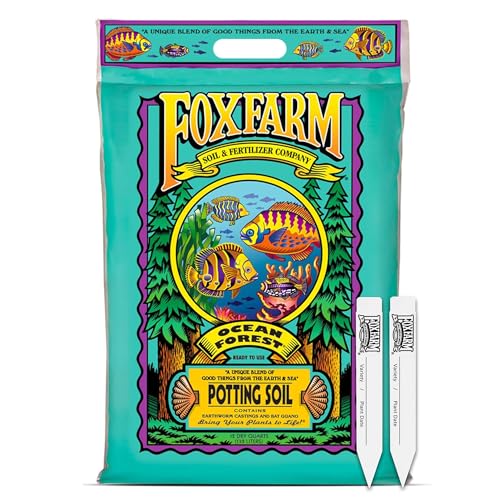
FoxFarm Ocean Forest Potting Soil 12 Quarts

Legigo 4 Quarts Organic Perlite

FoxFarm Ocean Forest Potting Soil 1.5 cu ft

JayJayup 4 Quarts Horticultural Perlite

ZeeDix 6QT Coarse Perlite for Plants

Legigo 15 Quarts Organic Perlite

ZeeDix 3QT Tropical Potting Mix
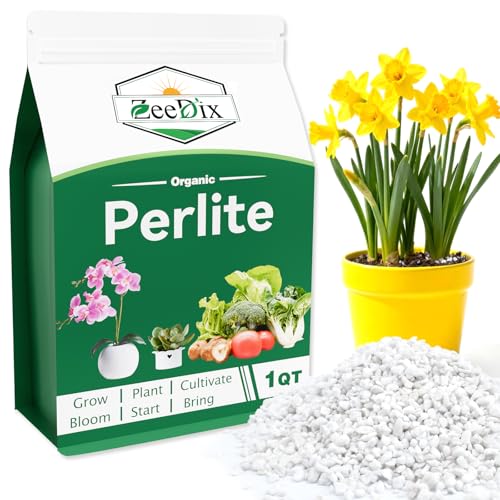
ZeeDix 1QT Coarse Perlite for Plants

ZeeDix 1QT Tropical Potting Mix
Meet The Standout Selections
If you are dipping a toe into water-plant substrates and want to test a perlite amendment without committing to a 15-quart sack, this three-quart ZeeDix bag hits a friendly middle ground. Coarse perlite is essentially puffed volcanic stone, and its job is simple: keep air pockets in the root zone so water can drain freely instead of pooling around the crown. For hobby growers working with a handful of cuttings or a small propagation station, three quarts is enough to amend a few mid-size pots without overspending.
The 3-9mm grade lands in a versatile range that suits both surface layering and deeper mixing. Owners repotting a couple of philodendrons or topping off a propagation tray will use the bag up without leftovers going stale in storage.
What It Does Well
- Coarse 3-9mm grade supports strong airflow through the root zone, which matters for water-loving plants that still suffocate in compacted soil.
- Three-quart size is forgiving for first-time buyers who want to gauge how much perlite their routine actually consumes.
- Lightweight texture blends easily into peat, coco coir, or houseplant mixes without clumping.
- Neutral pH keeps it from shifting the chemistry of your reservoir or jar water.
Things To Consider
- The dust created when pouring perlite is fine and travels; many growers prefer to dampen it slightly before handling.
- Three quarts disappears quickly once you start amending pots larger than six inches.
Made For
Beginners trialing perlite for the first time and apartment growers working with one or two propagation jars.
Skip It When
Legigo 4 Quarts Organic Perlite is a smarter buy when you already know you will need more than one bag’s worth across a season.
For a houseplant grower who wants to tear open a bag and start repotting, FoxFarm Ocean Forest removes every friction point. The twelve-quart size lands somewhere between “trial” and “committed”, enough to handle a couple of medium houseplants plus a small water-rooted propagation corner. Its open, airy texture keeps moisture circulating without smothering roots, which is exactly the balance water-loving tropicals crave.
The blend pulls in fish meal, crab meal, and earthworm castings, the kind of organic-rich profile that gives tropical foliage a noticeable head start after repotting. Two plant tags arrive with the bag, which saves you a trip to the garden center when you inevitably mix up your rooted cuttings.
What Helps Most
- Ready-to-use out of the bag, so you skip the measuring and blending step entirely.
- Light, aerated texture holds moisture without compacting, suiting the semi-wet conditions most tropical houseplants prefer.
- Organic amendments feed gradually, supporting steady root development rather than a single sharp push.
- Twelve-quart volume comfortably covers two to three mid-size repottings with leftover for top-offs.
Honest Caveats
- Out of the bag it carries an earthy aroma that some growers find noticeable for the first day or two indoors.
- This is a container mix, not a true aquatic substrate, so it needs perlite or lava rock added if you are using it for submerged-root setups.
Best Suited To
Intermediate houseplant growers repotting pothos, monsteras, or ferns who want a trusted ready-mix without custom blending.
Consider Something Else When
ZeeDix 3QT Tropical Potting Mix is a better match if your collection leans heavily toward moisture-loving aroids that need a faster-draining edge.
Four quarts is the workhorse size for casual DIY mixers. Legigo’s organic perlite is the bag you reach for when your go-to tropical blend starts feeling heavy, or when your propagation jars need a fresh layer of aeration material on top. It is the same volcanic puffed-stone product as smaller competitor bags, just with enough extra volume to see a modest indoor collection through a season.
You can mix it straight into potting soil at roughly a one-to-three ratio for water-loving tropicals, or scatter a centimeter-thick layer across the surface of propagation jars to keep algae from colonizing the rim. Either way, the perlite’s job is structural, not nutritional, so it pairs neatly with any existing fertilizer routine.
Why It Works Well
- Generous four-quart size gives enough volume to amend multiple pots without leftovers going stale.
- Coarse, evenly sized particles make for predictable blending results across batches.
- pH-neutral formula plays well with bog setups, carnivorous plant mixes, and cactus blends alike.
- Lightweight packing is easy to store on a closet shelf or under a sink.
Softer Spots
- The bag has no resealable closure, so storing the remainder calls for a clip or extra container.
- Like all perlite, the dust on opening is noticeable, and a quick outdoor pour saves indoor cleanup.
The Right Fit
DIY-ers refining a custom aroid or bog blend who need steady perlite supply across multiple repots.
Look Elsewhere When
Legigo 15 Quarts Organic Perlite makes more sense if you run a multi-shelf propagation station and want to cut down on shipments.
When the project scope is more than a windowsill refresh, the 1.5 cubic foot FoxFarm Ocean Forest bag steps in. That is roughly 45 quarts, which means you can repot a half-dozen large houseplants, fill multiple self-watering planters, or top off an entire bog-style terrarium without running out mid-job. Compare that to the 12-quart option reviewed earlier, and the per-quart cost typically improves at this scale.
The blend is the same formula: light, aerated, with organic amendments like fish meal, crab meal, and earthworm castings feeding the soil biology. For a serious indoor gardener restocking at the start of a season, this bag covers spring repotting in one shipment.
Good Reasons To Consider
- Large 1.5 cu ft volume suits ambitious repotting days and multiple planters in one go.
- Same aerated texture as the smaller FoxFarm bag, so root systems stay oxygenated even in deep containers.
- Organic-rich profile feeds gradually, easing transplant shock on larger specimens.
Points To Keep In Mind
- The bag is heavy and awkward to haul up apartment stairs, something worth planning around.
- Open bags lose moisture fast, so storing leftover soil in a sealed bin protects its structure.
Who Should Grab It
Established houseplant collectors handling seasonal repotting across a dozen or more containers.
A Better Fit Elsewhere
JayJayup 4 Quarts Horticultural Perlite is the right add-on when the bag itself is fine, but you want to push the drainage even further for your wettest specimens.
Quick Facts
JayJayup narrows its perlite to a 3-6mm grade, which sits at the finer end of coarse. That size makes it slightly better at filling small gaps between roots and at distributing moisture evenly through a mix, without sliding to the bottom of the pot the way larger particles can. For growers focused on aeration above all else, this grade pulls its weight.
The four-quart format puts it in direct competition with the Legigo bag, and the choice between the two mostly comes down to preferred particle size and what you are growing. If your mix leans toward fine peat or coco coir, the smaller JayJayup grade integrates more cleanly.
Reasons It Performs
- 3-6mm particles distribute evenly through finer peat-based blends without settling out.
- Pure white granules with no impurities, so the bag matches what you expect from a quality horticultural perlite.
- Four-quart size handles several mid-size repots without going overboard.
Trade Offs
- Finer grade means slightly more dust on pouring; dampening the surface before opening helps.
- Not the best choice for hydroponic-style layering where you want larger structural chunks.
Right Fit For
Mixers focused on aeration who blend perlite into finer peat or coco coir bases.
Not Your Match When
ZeeDix 6QT Coarse Perlite is the better pick when you want a larger grade and a bigger volume for outdoor container work.
Stepping up from the three-quart ZeeDix bag, this six-quart sibling doubles your runway for the same 3-9mm coarse grade. If you maintain more than a handful of tropicals, or you also dabble in orchids and succulents that appreciate the same drainage benefits, six quarts covers a full season of amendments for a small collection.
Same formulation as the smaller ZeeDix option reviewed earlier: ultra-light, porous, and pH-neutral. The bigger volume simply lowers the per-quart cost and reduces how often you need to reorder.
Everyday Perks
- Six-quart volume handles a dozen-plus pot amendments across a season without reordering.
- Coarse 3-9mm particles hold their structure in deep containers, resisting compaction over time.
- Lightweight enough to ship without crushing or clumping inside the bag.
Worth Noting
- Storage needs a dry, sealed bin once opened to keep moisture out of the remaining perlite.
- Pouring in a windy outdoor spot sends the dust flying, so an indoor or sheltered pour is the cleaner move.
Who It Suits Best
Multi-plant households mixing perlite into several pots and propagation setups each month.
Swap It Out When
Legigo 15 Quarts Organic Perlite makes more sense for collectors running serious propagation volume year-round.
Key Product Details
Fifteen quarts is the bag for committed DIY soil blenders. If you find yourself mixing custom aroid blends, prepping propagation trays, or topping off bog-style planters on a regular schedule, this Legigo size reduces reorder friction to once or twice a year. The coarse, evenly sized particles deliver the same drainage and aeration benefits as the four-quart option, just with more headroom.
The volcanic stone base keeps pH stable, which matters when you are mixing for plants as different as carnivorous specimens and moisture-loving tropicals.
The Upside
- Largest perlite volume in the lineup, ideal for prolific propagation or multi-shelf indoor gardens.
- Even particle sizing keeps your blends consistent batch to batch.
- Stable pH profile lets you blend confidently for sensitive carnivorous or bog plants.
Honest Caveats
- Bulk format demands a sealed storage bin, since the opened bag does not reseal cleanly.
- The bag itself is bulky; plan shelf space before ordering.
Right Fit For
Serial propagators and soil blenders who mix custom blends several times a month.
Where Another Pick Suits Better
FoxFarm Ocean Forest Potting Soil 1.5 cu ft fits better if you would rather skip blending and use a finished mix straight out of the bag.
This is the bag that pivots from amendment to finished blend. ZeeDix markets it as a 5-in-1 mix aimed squarely at the plants on every houseplant collector’s shelf: monstera, pothos, philodendron, and fern. That grouping tells you the texture is tuned for moisture retention around the root ball with enough airflow to prevent rot, exactly the middle-ground profile those species prefer.
For someone who has been improvising with perlite and peat and wants a single bag that just works for their aroids, this three-quart blend removes the experimentation step. Open, pot, water normally.
Real-World Strengths
- Pre-mixed 5-in-1 formulation removes any blending, measuring, or trial-and-error steps.
- Tuned for the most popular moisture-loving tropicals, so repotting decisions stay simple.
- Works for indoor and outdoor containers, expanding its usefulness beyond the windowsill.
Some Limits To Know
- Three quarts runs out fast once you start potting up multiple aroids in one session.
- Specific blend components are not broken out in detail, so adjusting ratios later requires a separate amendment.
The Right Fit
Aroid collectors who want a single bag that handles monstera, pothos, and philodendron without custom mixing.
Reach For A Different Pick When
FoxFarm Ocean Forest Potting Soil 12 Quarts is the better value when you are repotting more than a couple of mid-size tropicals in one go.
One quart is the smallest perlite portion on the list, and it exists for a specific use case: a single propagation jar, a couple of small orchid repots, or a quick fix when one of your pots has compacted and needs an emergency aeration boost. If you have ever pulled a root ball out of a pot and found it dense and waterlogged, you already know the value of even a small bag of coarse perlite on hand.
The 3-9mm grade matches the rest of ZeeDix’s perlite line, so you can scale up later without changing your blend ratio.
Features That Help
- Tiny one-quart size suits single-repot sessions or propagation jar top-offs.
- Coarse grade delivers fast drainage improvement when compacted soil needs rescuing.
- Matches the rest of ZeeDix’s perlite line for easy scaling later.
Things To Weigh
- One quart is too small for serious amending; you will outgrow it fast on a multi-pot collection.
- Per-quart cost is higher than the larger ZeeDix sizes, so it makes sense only for very small jobs.
Made For
Propagation enthusiasts needing a small aeration boost for a single jar or orchid repot.
Consider Something Else When
ZeeDix 3QT Coarse Perlite for Plants is a smarter buy for anyone managing more than one or two small pots.
The single-quart version of ZeeDix’s tropical blend is sized for the smallest possible trial: one propagation jar, a single small pothos repot, or a quick test to see if the mix suits your watering style before committing to a larger bag. Like its three-quart sibling, it is pre-blended and ready to use straight from the bag.
For someone new to tropicals entirely, this is the lowest-friction way to find out whether a finished 5-in-1 blend simplifies their routine without a big upfront commitment.
A Few Strong Suits
- Smallest trial format on the list, perfect for first-time tropical owners testing a new blend.
- Pre-mixed convenience means zero blending or measuring required.
- Succulents, herbs, vegetables, and flowers are all listed as suitable targets, adding versatility.
Where It May Fall Short
- One quart covers only a single small repot, so any larger project means reordering quickly.
- Per-quart cost runs higher than the three-quart ZeeDix tropical option.
Whose Shelf It Belongs On
Curious beginners trialing a tropical blend for the first time before scaling up.
Another Choice May Suit
ZeeDix 3QT Tropical Potting Mix is the smarter step-up once you confirm the blend suits your watering routine.
Getting Your Mix Right: What Actually Matters
Picking a substrate for water-loving plants comes down to matching drainage speed, moisture retention, and root aeration to the specific plant in front of you. Tropicals that prefer evenly moist conditions, like pothos, philodendron, and ferns, thrive in a blend that holds water around the root ball but still lets oxygen circulate, so roots never sit in stagnant, compacted soil. Bog plants and marginal aquatics that genuinely stand in water need a heavier, denser substrate, while true submerged plants do best with inert options like lava rock or specialized aquatic soils that do not cloud the water column.
The particle size of your amendment matters more than most beginners expect. Coarse perlite in the 3-6mm range works well for blending into finer peat-based mixes because it distributes evenly without settling to the bottom of the pot. Larger 3-9mm chunks hold their structure in deeper containers and resist compaction over time, which is critical when you water frequently and the substrate gets compressed with each soak.
Volume is another practical lever. A three-quart bag suits a single-repot lifestyle, while a 15-quart perlite bag or a 1.5 cubic foot potting soil bag serves households repotting a dozen or more plants in a season. The per-quart cost typically improves as bag size grows, but only if you can store the leftovers somewhere dry and sealed. Damp perlite clumps and loses its airy structure, so a lidded bin is worth the small extra step.
Finally, think about whether you want a finished blend or a DIY amendment. Pre-mixed tropical blends remove every blending decision and let you repot in minutes, which is perfect for newer growers. Raw perlite or coco coir amendments reward growers who already know their preferred ratios and want to fine-tune moisture and airflow for each species on the shelf.
Key Considerations Across These Picks
Common Shopping Slip Ups
The most frequent mistake is grabbing a moisture-retentive houseplant mix and using it in a submerged aquatic setup, where it clouds the water and slowly breaks down. Match the substrate to the actual environment: peat-heavy blends for moisture-loving tropicals, inert mineral substrates for fully submerged plants. Another slip is underestimating how much perlite a single repot consumes, so a “small bag” feels right until you are halfway through and reordering anyway.
Where The Extra Money Goes
Larger bags and richer blends carry a higher upfront cost, but the return comes in fewer reorders and more forgiving watering windows. A premium tropical blend with built-in aeration saves the perlite-addition step entirely, while a 15-quart perlite bag cuts your cost per quart significantly when you blend regularly. The upgrade pays off fastest for households with more than a handful of moisture-loving plants.
Frequently Asked Questions
Can regular potting soil work for water plants?
Standard moisture-retentive potting soil works fine for tropical houseplants and bog plants that enjoy consistently damp roots, but it breaks down and clouds water in fully submerged aquatic setups. For true submerged plants, use an inert mineral substrate like lava rock or specialized aquatic soil instead.
How often should I repot water-loving houseplants?
Most tropical houseplants benefit from a refresh every 12 to 18 months, or whenever roots circle the pot or the substrate compacts noticeably. Bog plants and marginals can usually go longer between repots because their growth rate is slower and their substrate stays wetter.
What ratio of perlite should I mix into my potting soil?
A common starting point is one part perlite to three parts potting soil for moisture-loving tropicals, adjusting toward more perlite for plants prone to root issues. Always blend thoroughly so the perlite distributes evenly through the mix rather than concentrating at the bottom.
Does perlite float in propagation jars?
Coarse perlite can float when first added to water, but it settles within a day or two once fully wetted. A thin layer of larger gravel or clay pebbles on top helps keep it in place during the initial soak.
How do I store leftover perlite?
Keep unused perlite in a sealed plastic bin or heavy-duty clip-top bag in a dry spot. Perlite does not spoil, but moisture causes it to clump and lose the airy structure that makes it useful as an amendment.
Closing Remarks
Your best match comes down to whether you want a finished blend to open and pour, or an amendment to mix into your own base. Tropical collections and bog-style planters do well with the ready-to-use FoxFarm and ZeeDix blends, while perlite bags give DIY-leaning growers the freedom to fine-tune drainage for each species. Whichever route you take, matching substrate texture to your plant’s actual moisture preference is the move that pays off season after season.