You notice it first on the roses: ragged cuts that brown at the edges, stems the pruners chew instead of slice. Precision pruners fix that problem at the source, and the gap between a bargain pair and a well-engineered one shows up every time you step into the garden. This list covers bypass shears, anvil cutters, micro snips, a multi-use garden knife, and a replacement blade that extends the life of a premium tool you may already own.
The Picks In Brief
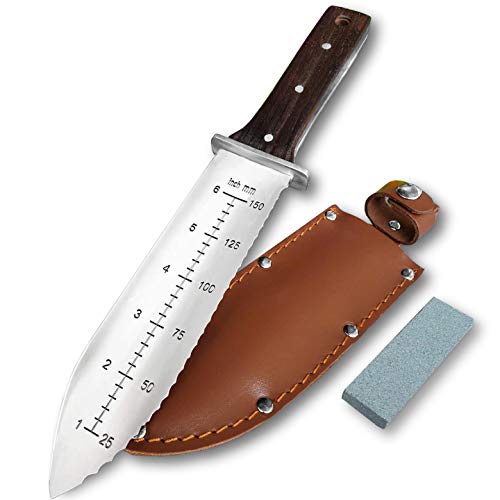
gonicc Professional Hori Hori Garden Knife with Leather Sheath
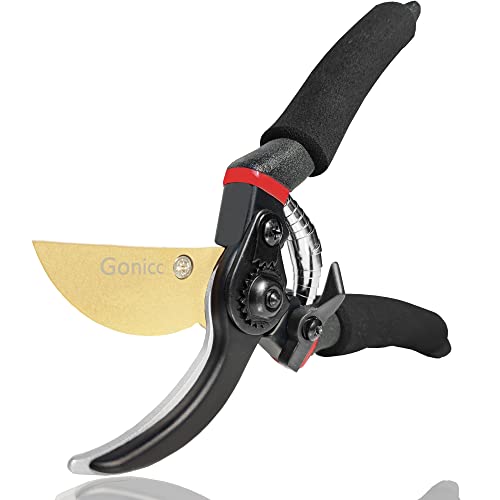
gonicc 8″ Professional Premium Bypass Titanium Pruning Shears (GPPS-1003)
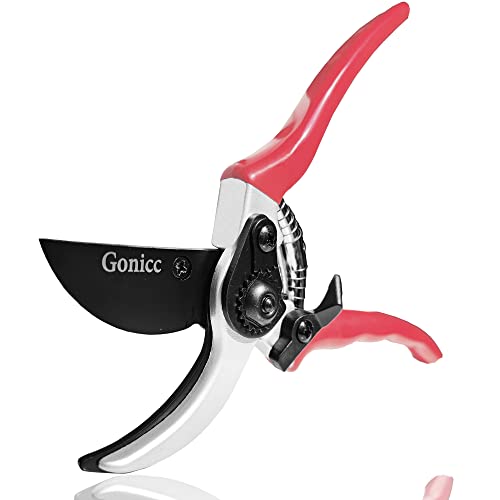
gonicc 8″ Professional Sharp Bypass Pruning Shears (GPPS-1002)

gonicc Micro-Tip Pruning Snips (GPPS-1008)

Kimura 8″ Pro Bypass Pruning Shears (SK5 Steel)
Kimura 8″ Samurai Garden Pruning Shears (Yasugi Steel)

Felco F2 Pruning Shears (Swiss-Made, 9.25″)

Kimura 8″ Pro Pruning Scissors (SK5 Hi-Carbon)

Felco Hand Pruner Replacement Blade (F2, F4, F11)
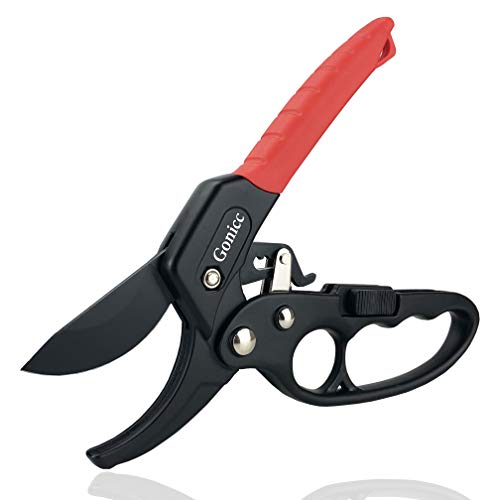
gonicc 8″ Professional Ratchet Anvil Pruning Shears (GPPS-1011)
The Details Behind The Selections
The gonicc Hori Hori earns its spot at the top of this list by doing something no bypass pruner can: digging, sawing, and slicing with the same blade. The 440 stainless steel construction resists rust through wet spring mornings, and the dual-edge design pairs a straight cutting side with a serrated edge that chews through stubborn perennial roots without bogging down.
A depth scale runs along the blade, which sounds minor until you transplant bulbs at a consistent depth for the first time. You can measure soil, slice open a bag of compost, and pry out a taproot without reaching for a second tool. Gardeners who want one implement that handles bed prep, weeding, and rough pruning tasks get the most mileage here.
Good Reasons To Consider
- 440 stainless steel resists corrosion across damp and dry seasons alike.
- Dual-edge blade pairs a clean straight cut with a serrated saw for tough roots.
- Etched depth scale simplifies bulb planting and consistent transplanting.
- Protective handguard plus leather sheath keeps the edge covered when not in use.
Things To Consider
- Heavier than typical hand pruners, which may tire smaller hands during long sessions.
- Not a substitute for true precision pruners on tender green stems and roses.
Made For
All-purpose gardeners who mix bed prep, weeding, and rougher cutting in a single session and want to carry one tool instead of three.
Reach For A Different Pick When
Daily fine pruning on roses and ornamentals suits the gonicc 8″ Professional Premium Bypass Titanium Pruning Shears (GPPS-1003) better.
The GPPS-1003 is the pruner you reach for when you have a long row of roses or a hedge of fruit-bearing shrubs waiting at dawn. The SK-5 steel blade carries a titanium coating that resists sap buildup and holds an edge through heavy cutting days. Drop-forged construction gives the body real backbone, so the shears don’t flex when you push through woody stems.
Compared to the Hori Hori knife above, this is a focused tool built for clean cuts on living wood, not digging. The PVC-wrapped aluminum handles stay grippy when your hands sweat, and a built-in sap groove channels residue away from the cutting surface. Anyone managing a sizeable garden each weekend will appreciate how light the body feels despite its heavy-duty intent.
Key Advantages
- Titanium-coated SK-5 blade keeps sap from sticking and extends time between cleanings.
- Drop-forged frame delivers serious cutting power without weighing down your hand.
- PVC-wrapped aluminum handles provide a non-slip grip during long pruning sessions.
- Bypass geometry produces clean cuts that heal quickly on living stems and roses.
Trade Offs
- Higher cost than basic garden shears at the hardware store.
- Coated edge benefits from occasional touch-up sharpening to stay razor-sharp.
Key Product Details
Best Suited To
Home gardeners and small-scale growers who prune weekly and want a bypass cutter that stands up to woody material without constant maintenance.
Where Another Pick Suits Better
Those pruning only delicate herbs and flowers will prefer the nimbler tips of the gonicc Micro-Tip Pruning Snips (GPPS-1008).
The GPPS-1002 occupies a useful middle ground for gardeners who want pro-level results without a premium price tag. The high-carbon steel blade is treated with an ultra-fine polishing process, so the cutting edge arrives sharp and tends to stay that way through a season of normal use. Drop-forged handles keep the weight balanced during repeated cuts.
Where the GPPS-1003 above leans into titanium and a heavier build, this model strips back to essentials. You still get a sap groove to prevent sticky buildup, plus ergonomic non-slip grips that suit a wide range of hand sizes. It is the kind of pruner you hand to a neighbor without worrying about the cost, and it covers deadheading, shaping, and light woody work across roses, vegetables, and ornamentals.
Well-Handled Touches
- High-carbon steel with ultra-fine polishing arrives ready for precision cutting.
- Drop-forged body and handles keep the pruners rigid under pressure.
- Sap groove prevents sticky residue from jamming the cut mid-prune.
- Non-slip handle design reduces fatigue during multi-hour sessions.
Room For Improvement
- Lacks titanium coating, so the blade may need more frequent cleaning after sappy cuts.
- Not ideal for branches much beyond typical rose and shrub diameters.
- Replacement parts availability is limited compared to brand-name Swiss designs.
The Right Fit
Casual gardeners maintaining a backyard mix of roses, vegetables, and small ornamentals who want reliable bypass cutting without overspending.
Skip It When
Daily professional use justifies stepping up to the Felco F2 Pruning Shears with its replaceable parts.
The GPPS-1008 belongs on the kitchen windowsill next to the herb pots, not out in the rose bed. The micro-tip blade geometry reaches into tight clusters of leaves and stems where a full-size bypass pruner would crush neighboring growth. Precision-ground high-carbon steel forms the cutting edge, so delicate cuts on basil, mint, and flowering houseplants come out clean.
This is the pruner to grab when you need accuracy over power, and it pairs well with a heavier bypass model for the rest of the garden. Its compact build makes it easy to stash in a kitchen drawer or carry out to a small balcony garden. If you mostly snip herbs, deadhead African violets, or trim houseplants, the snips do the job without the bulk of full-size shears.
Practical Pluses
- Narrow tip reaches into dense foliage without damaging adjacent stems.
- Precision-ground blade produces clean cuts that reduce plant stress.
- Stainless steel body resists rust in humid indoor environments.
- Compact size stores easily in a kitchen drawer or garden tote.
Points To Keep In Mind
- Limited leverage on woody stems beyond thin herb stalks.
- Smaller handle opening may not suit gardeners with larger hands during extended sessions.
Feature Snapshot
Who Should Grab It
Apartment dwellers and indoor gardeners who trim herbs, houseplants, and small flower clusters more than they tackle thick branches.
Consider Something Else When
Heavy outdoor shrub work demands the larger cutting capacity of the Kimura 8″ Pro Bypass Pruning Shears.
The Kimura Pro lands in the middle of this list because it brings serious cutting muscle without the artisan price of its Yasugi-steel sibling below. SK5 steel forged in Japan and heat-treated to 60 HRC (a hardness scale where higher numbers mean a tougher, longer-lasting edge) holds its sharpness through woody material up to one inch thick. PVC-coated handles give you a confident grip even when the morning dew has not lifted.
Versatility is the headline. You can move between hedge trimming, fruit tree pruning, and shaping flowering shrubs without swapping tools. The construction feels substantial in hand, and the wide handles accommodate gardeners who find compact pruners cramped. For most homeowners, this is the pruner that quietly handles every weekend job.
Bright Spots
- SK5 steel at 60 HRC delivers long-lasting sharpness on woody stems.
- One-inch cut capacity handles mature shrub branches.
- PVC-coated non-slip handles suit larger hands and wet conditions.
- Japanese forging heritage offers consistent quality control.
Honest Caveats
- Heavier than compact snips, which may tire smaller hands on long days.
- Bypass design means slightly more effort on dead wood compared to anvil pruners.
Technical Highlights
Whose Shelf It Belongs On
Homeowners managing mixed gardens with established shrubs, small fruit trees, and ornamental hedges who need one reliable bypass pruner for everything.
Not Your Match When
Arthritic hands benefit more from the ratcheting mechanism of the gonicc 8″ Professional Ratchet Anvil Pruning Shears (GPPS-1011).
The Samurai Series comes out of Sakai, Japan, a city known for knife-making traditions that go back centuries. Yasugi steel, refined specifically for cutting tools, gives the blade an exceptionally fine edge that stays sharp through demanding professional use. Compared to the SK5 Kimura above, this is the higher-grade expression of the same brand philosophy.
Vinyl-coated handles keep your grip stable during long sessions, and the bypass geometry cuts cleanly through stems up to roughly four-fifths of an inch. The trade-off shows up at checkout, where the price climbs above general-purpose pruners. Serious gardeners and professionals who prune daily and care about long-term edge retention will find the cost worthwhile.
Where It Excels
- Yasugi steel from Sakai delivers premium edge refinement.
- Japanese manufacturing heritage appeals to professionals who value craftsmanship.
- Vinyl-coated handles provide comfort during marathon pruning sessions.
- Bypass blade geometry supports clean cuts on living wood up to four-fifths of an inch.
Worth Bearing In Mind
- Premium materials command a higher price than the SK5 sibling model.
- Specialty steel may require sourcing sharpening stones designed for Japanese edges.
Built With In Mind
Professional gardeners, orchardists, and serious enthusiasts who prune often enough to justify an investment in top-tier Japanese steel.
Swap It Out When
Occasional weekend use makes the Kimura 8″ Pro Bypass Pruning Shears a more sensible match.
The Felco F2 is the pruner that shows up in the hands of vineyard managers, professional rosarians, and arborists for a reason. Forged aluminum handles keep the weight low without sacrificing strength, and the hardened steel bypass blade delivers crisp cuts on branches up to one inch across. At 9.25 inches, it sits a touch longer than the gonicc and Kimura models above.
The real story is serviceability. Every part on the F2, from the blade to the spring to the handle screw, can be replaced. Worn components swap out instead of sending the whole tool to landfill. Swiss manufacturing brings consistent quality, though you pay for that pedigree. For gardeners who see a pruner as a long-term investment rather than a replaceable consumable, the F2 sets the standard.
Everyday Perks
- Forged aluminum handles stay light while resisting bending under load.
- Replaceable blade, spring, and hardware extend the tool’s working life.
- Hardened steel cutting edge handles branches up to one inch.
- Ergonomic design fits a wide range of hand sizes comfortably.
Some Limits To Know
- Premium price reflects Swiss manufacturing and brand reputation.
- Replacement blades, while available, cost extra when sharpening no longer suffices.
Quick Technical Notes
Perfect Match For
Long-term gardeners and professionals who view a quality pruner as a multi-decade tool worth maintaining rather than replacing.
A Better Fit Elsewhere
Tight budgets find more immediate value in the gonicc 8″ Professional Sharp Bypass Pruning Shears (GPPS-1002).
The Kimura Pro Pruning Scissors fill the gap between the heavyweight bypass pruners higher on this list and the delicate micro snips. Hi-carbon SK5 steel is forged in Japan and heat-treated to 59 HRC, just a notch below the Pro Bypass model’s 60 HRC but still well above bargain-bin hardware. Vinyl-coated handles keep the tool light enough for shaping sessions that run an hour or more.
This is a multi-tasker aimed at deadheading, light trimming, and shaping across flower, herb, and vegetable plots. Compared to the gonicc GPPS-1002, the steel grade and Japanese forging push it toward more demanding use. For mixed cutting where you move between soft growth and occasional woody stems, it lands in a comfortable middle.
A Favorable Mix
- SK5 hi-carbon steel at 59 HRC balances edge retention with easy sharpening.
- Lightweight vinyl-coated handles reduce fatigue during shaping work.
- Multi-purpose design suits flower, herb, and vegetable garden tasks.
- Japanese forging adds consistency versus generic imports.
Practical Considerations
- Less leverage than full-size bypass models on branches approaching one inch.
- Vinyl grip may wear faster than rubber under heavy seasonal use.
Who Will Love This
Gardeners who do more shaping and deadheading than heavy pruning and want a versatile Japanese-steel tool for daily upkeep.
Look Elsewhere When
Thick woody stems require the heavier cut capacity of the Kimura 8″ Pro Bypass Pruning Shears.
This replacement blade is not a pruner on its own, but it earns a spot because it solves a specific problem for owners of Felco F2, F4, and F11 models. Hardened steel construction matches the original spec, and installation runs through a straightforward disassembly and swap. Owners commonly find this restores tired pruners that no longer close all the way to the tip.
The catch is that it only fits those three Felco models, so this is a parts-bin purchase rather than a standalone tool. If you already invested in a Felco pruner and the blade has chipped, cracked, or lost its bite, a replacement blade runs far cheaper than a full new tool. It is the kind of accessory that makes the original purchase feel smarter over time.
What Pays Off
- Hardened steel matches original blade specifications for consistent performance.
- Quick swap process requires only basic disassembly of the pruner.
- Extends the working life of an existing Felco investment.
- Costs less than replacing the entire pruner assembly.
Factors To Consider
- Compatibility limited to Felco F2, F4, and F11 models only.
- Replacement does not address worn springs, handles, or other hardware.
The Right Fit
Current Felco F2, F4, or F11 owners whose blades have dulled, chipped, or stopped closing cleanly to the tip.
Skip It When
Shoppers without a compatible Felco pruner should look at full replacement options higher on this list.
The GPPS-1011 closes this list with a different cutting philosophy. Anvil pruners use a single straight blade that closes onto a flat surface, ideal for dry, woody stems where bypass blades would struggle. The ratchet mechanism stages the cut into multiple clicks, multiplying your hand strength so thicker branches slice through without a full-grip squeeze.
SK5 steel handles the cutting edge, and chrome vanadium forms the handles for high tensile strength. Gardeners with arthritis, limited grip strength, or hand fatigue find this design far easier on the joints than traditional bypass pruners. The trade-off is cleaner cuts on living wood, which is where bypass models higher on this list still win. For dry brush, deadheading shrubs in winter, and tougher cleanup, the ratchet anvil earns its place.
Useful Touches
- Ratchet action reduces required hand strength on each cut.
- Anvil design handles dry and woody stems efficiently.
- SK5 steel blade stays sharp through repeated use.
- Chrome vanadium handles offer high tensile strength for tough cuts.
Details To Watch
- Anvil geometry can crush tender green stems if used carelessly.
- Ratchet mechanism adds a small amount of weight versus single-action pruners.
Who It Suits Best
Gardeners with arthritis, reduced grip strength, or anyone tackling dry, woody brush who needs mechanical advantage over finesse.
A Better Fit Elsewhere
Living wood and roses still need the clean bypass cut of the Felco F2 Pruning Shears for healthy plant recovery.
What To Weigh Before Choosing Precision Pruners
Blade Steel And Edge Retention
Blade steel is the first attribute that separates bargain pruners from ones that last. SK5 and high-carbon steels hold an edge well and sharpen easily when they finally dull. Yasugi steel and similar premium Japanese alloys push hardness higher for longer intervals between sharpening, though they may demand specific sharpening stones. The trade-off is cost versus maintenance effort.
Handle Fit And Grip
A pruner can have a beautiful blade and still ruin your afternoon if the handle does not fit your hand. PVC and vinyl coatings give a secure grip in wet conditions, while ergonomic shaping reduces pressure points during long sessions. Larger hands often find 8-inch and longer pruners more comfortable, while smaller hands may prefer compact models like the gonicc Micro-Tip Pruning Snips.
Bypass Versus Anvil Geometry
Bypass pruners use two curved blades that pass each other like scissors, producing clean cuts on living wood that heal quickly. Anvil pruners use one straight blade closing onto a flat surface, which works well on dry, dead branches. Choosing between them comes down to what you prune more often: green growth or woody cleanup.
Replacement Parts And Long-Term Value
A pruner with replaceable blades, springs, and screws can serve you for decades, while a sealed unit becomes disposable once a part fails. Felco built its reputation partly on this serviceability model. If you plan to use the same tool year after year, the availability of replacement parts matters more than the initial price.
Key Considerations Across These Picks
Pitfalls Shoppers Hit
Buying the cheapest pruner you can find usually means a soft blade that dulls within a season and a hinge that loosens after a few weekends. Skipping the distinction between bypass and anvil geometry leads to crushed green stems or frustration with dead wood. Many shoppers also overlook handle fit, only to discover the pruner cramps their hand after twenty minutes of use.
What Separates Premium From Basic
The jump from budget pruners to premium models like the Felco F2 or Kimura Samurai buys you better steel, tighter manufacturing tolerances, and parts you can replace when they wear. For gardeners who prune weekly, that investment pays back through years of reliable cuts. For occasional seasonal trimming, a mid-range bypass model delivers most of the benefit at a fraction of the cost.
Frequently Asked Questions
What Is The Difference Between Bypass And Anvil Pruners?
Bypass pruners use two curved blades that pass each other for clean cuts on living wood, while anvil pruners use one straight blade closing onto a flat surface for dry, woody material.
How Often Should I Sharpen Precision Pruners?
Sharpening frequency depends on use, but most home gardeners benefit from a light touch-up every few months during active pruning seasons.
Can Precision Pruners Handle Branches Over One Inch?
Standard precision pruners work best on stems up to one inch thick; thicker branches typically require loppers or a small pruning saw.
What Is SK5 Steel And Why Does It Matter?
SK5 is a high-carbon tool steel known for toughness and edge retention, commonly used in Japanese cutting tools for reliable, long-lasting sharpness.
Are Replacement Parts Available For These Pruners?
Felco designs its pruners for full part replacement, while other brands offer limited or no replacement components depending on the model.
Closing Remarks
The right precision pruners come down to what you cut most often, how your hands feel after an hour of work, and whether you want a tool that grows with you over the years. Browse the picks above with your typical pruning tasks in mind, and you will land on a pair that earns its place in your garden tote.