Cactus care lives and dies by drainage. A bag of ordinary multipurpose mix holds moisture against the roots just long enough to invite rot, while the right gritty blend lets water run through, then dries fast enough to mimic a desert floor. If you’ve ever lost a prized prickly pear or watched your lithops slowly dissolve from the base up, the soil is almost always the culprit. This roundup focuses on mixes and amendments built to keep thirsty succulents happy, from ready-to-use cactus blends to specialty orchid bark and inorganic grit you can blend yourself. You’ll find fast-draining options for indoor collections, propagation-friendly textures for cuttings, and amendments to tweak an existing setup. Each pick is judged on particle size, drainage behavior, organic content, and how it handles real watering schedules, not just what’s printed on the bag.
The Shortlist At A Glance

FoxFarm Ocean Forest Potting Soil, 1.5 cu ft
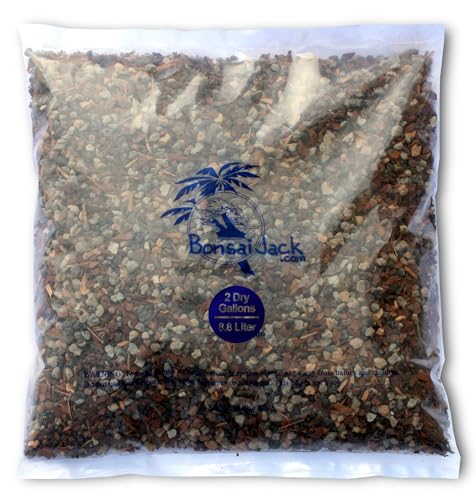
Bonsai Jack Universal Organic Bonsai Soil Mix #221, 2 Gallons

Char Bliss Organic Biochar for Plants, 8 Qts

PlantBest Coco Mulch Compressed Block, 9.1 lb

Dalton’s Orchiata Bark Small, One Gallon Bag

Micro Landscape Lithops Soil Mix, 3 lb

Spike & Bloom High Drainage Cactus Soil, 8 lb

NOHOBE Hard Akadama Bonsai Soil, 2.5 lb

PlantBest Coco Peat Garden Soil, Concentrated Mix

PlantBest Coco Mulch Compressed Block, 9.1 lb
The Details Behind The Selections
FoxFarm Ocean Forest earns its long-standing reputation in container gardens because it balances water retention with air space, two ingredients cacti usually don’t want too much of. The 1.5 cubic foot bag is light and aerated, with a texture that mimics forest-floor loam rather than dense potting mix. For a mixed collection that includes cacti alongside tropical houseplants, it’s a forgiving base that doesn’t punish you for an occasional missed watering.
Used straight, the blend retains more moisture than arid-loving species like astrophytum or lithops typically appreciate. Most growers amend it with pumice or coarse sand at roughly a one-to-one ratio before potting desert types. The trade-off is real-world convenience: you skip sifting and rinsing, and the bag is ready to use right away for less sensitive succulents.
Strengths Worth Knowing
- Light, fluffy texture right out of the bag, no prep work required
- Organic-rich blend that supports active root development in younger plants
- One bag covers roughly a dozen four-inch pots, useful for repotting sessions
- Widely available in multiple pack sizes for small or large collections
Things To Consider
- Holds more moisture than true desert cacti prefer without added grit
- Bag weight and storage footprint can be awkward for apartment growers
Feature Snapshot
Best Suited To
Beginner and intermediate growers maintaining a mixed succulent and houseplant shelf who want one bag that handles most situations without specialized amendments.
A Better Fit Elsewhere
Collectors focused purely on lithops, astrophytum, or other rot-prone desert species will find Bonsai Jack Universal Organic Bonsai Soil Mix #221 better suited to their drainage needs.
Bonsai Jack is the answer when ordinary cactus mix still feels too dense in your hands. The Universal Organic blend arrives screened and pre-washed, so the fine dust that usually clogs drainage holes has already been removed. For growers tired of sifting perlite off their workbench, that prep work being done at the source is a real ownership perk.
The mix targets a pH of around 6.4, which lands comfortably in the slightly acidic range that most cacti tolerate well. Particle size is calibrated for rapid water absorption and quick evaporation, meaning a soak drains through in seconds rather than pooling at the root crown. You may find the texture on the coarse side for very small seedling pots, where the gaps between particles can leave tender roots exposed.
Bright Spots
- Pre-screened and pre-washed, skipping the dusty cleanup at home
- Tuned to a balanced pH for arid and semi-arid species
- Particle sizing optimized for rapid drainage and air circulation
- Available in bag sizes from a couple of quarts up through bulk 28-gallon quantities
Trade Offs
- Coarser particles can leave small seedlings or fine-rooted cuttings exposed
- Premium grading tends to cost more than a basic cactus blend
Quick Facts
Who It Suits Best
Intermediate and advanced collectors who repot frequently and value a ready-to-use, fast-draining base for sensitive desert species.
Skip It When
Growers working with very small terrariums or seedling trays may prefer PlantBest Coco Peat Garden Soil blended with their own grit for finer particle control.
Char Bliss is not a standalone potting soil, it’s a soil conditioner made from ethically harvested wood biochar, an OMRI-listed organic amendment. Think of it as a supplement you stir into an existing mix to improve nutrient retention and structure rather than something you pour directly into a pot. For cacti specifically, it adds microscopic pore space that holds moisture briefly without suffocating roots.
The honest read is that biochar works best as part of a blend rather than a one-bag solution. You’ll want to mix it with a gritty base like Bonsai Jack or NOHOBE Hard Akadama at roughly 10 to 20 percent of total volume. Storage is straightforward, since the dry, lightweight charcoal keeps indefinitely in a sealed bin.
What It Does Well
- OMRI-listed organic certification for naturally minded growers
- Enhances nutrient retention without compacting the mix
- Lightweight, dry, and shelf-stable for long-term storage
- Improves soil structure in dense or heavy blends
Where It May Fall Short
- Not a complete potting medium on its own
- Dark charcoal dust can stain hands and surfaces during mixing
Made For
Experienced growers who already blend their own cactus mix and want to boost porosity, cation exchange, and long-term soil structure.
Not Your Match When
Beginners looking for a single bag to pour into pots should consider Spike & Bloom High Drainage Cactus Soil instead.
PlantBest Coco Mulch arrives as a dense 9.1-pound brick that expands to around 64 quarts of fluffy coir once you add water. For apartment growers with limited closet space, this format solves the usual “where do I put a giant bag of mulch” problem in a way pre-filled bags can’t. You hydrate what you need and store the rest dry.
Coir on its own holds more moisture than cacti usually appreciate, so you’ll want to blend it generously with pumice, perlite, or akadama. The coconut fibers do give roots something to grip during establishment, which makes this a useful component in propagation mixes for cuttings that need a stable anchor before they root.
Points In Its Favor
- Compressed format saves significant shelf space
- Expands to roughly 16 gallons of usable mulch per block
- Coir fibers offer a stable anchor for new cuttings and root development
- Covers up to 17.5 square feet as a top dressing
Honest Caveats
- Pure coir retains more water than most cacti prefer without added grit
- Hydration step takes a few minutes and a large bucket to manage the expansion
Right Fit For
DIY-minded growers who blend their own cactus soil at home and want a space-efficient organic base component to mix with inorganic grit.
Consider Something Else When
If you’d rather skip the blending step, Bonsai Jack Universal Organic Bonsai Soil Mix #221 arrives ready to use straight from the bag.
Orchiata bark is purpose-built for orchids, but its chunky, hard texture makes it a surprisingly good addition to cactus mixes that need extra airflow around the root zone. The bark comes from New Zealand Pinus radiata, a species known for stable, long-lasting chips that don’t break down as fast as softer pine alternatives. For epiphytic cacti like rhipsalis or Christmas cactus, this is essentially their natural growing medium.
Used alone for a desert cactus like a barrel or opuntia, the large bark pieces dry out too fast and offer almost no nutritional content. The smart move is mixing small-grade Orchiata at roughly 30 percent of total volume into a gritty base. One gallon bag covers several small to medium pots once you factor in the blend ratio.
Notable Gains
- Hard, stable bark that resists rapid breakdown compared to soft pine
- Sourced from renewable, sustainably managed New Zealand forests
- Creates generous air pockets in dense mixes
- Well-suited for epiphytic cacti and orchid cacti
Points To Note
- Not a complete standalone medium for typical desert cacti
- Bark needs rehydration before it accepts water evenly in a dry blend
Whose Shelf It Belongs On
Growers with epiphytic cacti, orchid collections, or anyone building a custom chunky mix for jungle-dwelling succulents.
Another Choice May Suit
Collectors focused on true desert species like mammillaria or ferocactus will get more mileage from Spike & Bloom High Drainage Cactus Soil.
Lithops are famously unforgiving. Their taproots rot the moment moisture lingers, and most general-purpose cactus mixes still trap too much water around the root crown. Micro Landscape designed this blend with that specific weakness in mind, building a gritty matrix that gives roots airflow while still anchoring the plant firmly in the pot.
The 3-pound bag works out to roughly 2 quarts of mix, enough for several small lithops pots or a single large display bowl. The bonus live mini lithops included with the order is a nice touch for first-timers who want to start with the plant and the right soil at the same time. For anything larger than a 4-inch pot, you’ll need multiple bags.
Real-World Strengths
- Formulated specifically for lithops and other mesembs
- Provides solid anchorage for shallow-rooted plants
- Includes a bonus live lithops with the order
- Compact bag fits easily in a closet or small greenhouse shelf
Some Limits To Know
- Specialized formula is overkill for typical columnar or globular cacti
- Small bag size means larger collections will go through it quickly
Perfect Match For
Lithops and living-stone enthusiasts who want a mix engineered around the most rot-prone genus in the succulent world.
Reach For A Different Pick When
Anyone growing a broader cactus assortment will benefit more from the general-purpose versatility of Spike & Bloom High Drainage Cactus Soil.
Spike & Bloom earns its place in this roundup by being one of the few blends built from the ground up around cactus needs rather than repurposed from a generic houseplant formula. The mix targets a pH of 6.5, the slightly acidic band where most cacti absorb nutrients efficiently, and includes mycorrhizal fungi to encourage root colonization right out of the gate.
At 8 pounds, the bag yields around 4 quarts of usable soil, which works out to roughly eight to ten 4-inch pots depending on root ball size. The gritty texture dries fast after watering, so depending on your climate and indoor humidity, you may find yourself watering a touch more often than with denser blends. That’s actually the point.
Good Reasons To Consider
- Built specifically for cactus and succulent watering cycles
- Includes mycorrhizal fungi for stronger early root development
- Slightly acidic pH aligns with most cacti’s preferred range
- Gritty texture promotes fast drainage through the root zone
A Few Limitations
- Fast-draining formula may require more frequent watering in dry indoor air
- Smaller bag than bulk options, so larger collections may need several
Key Product Details
Built With In Mind
General indoor cactus collectors who want a dedicated, ready-to-use blend that handles the typical opuntia, mammillaria, and echinopsis without extra amendments.
Look Elsewhere When
Growers focused on extremely rot-sensitive lithops or conophytum should consider the Micro Landscape Lithops Soil Mix for its finer-tuned particle profile.
Akadama is a Japanese clay granule prized in bonsai circles for one clever trait: it darkens visibly when wet and lightens as it dries, giving you a built-in moisture indicator. The small grain size in this 2.5-pound bag (1/8 to 1/4 inch) suits the modest root systems of small cacti and young succulents rather than large specimen plants.
Used straight, akadama retains more moisture than most desert cacti enjoy, so the realistic application is as one ingredient in a custom blend. Many growers mix it with pumice and lava rock in equal thirds for a free-draining inorganic blend that doesn’t decompose over time. The bag is heavy for its size, so storage in a sturdy bin is a practical consideration.
Standout Benefits
- Visual moisture indicator darkens when wet, lightens when dry
- Hard-fired clay resists breakdown over multiple growing seasons
- Small grain size fits standard 3 to 4-inch cactus pots
- Inorganic, so it doesn’t introduce pests or fungal spores
Factors To Consider
- Not a standalone medium for typical desert cacti without blending
- Hard-fired clay is brittle and produces fine dust when handled roughly
Who Should Grab It
Advanced growers building custom gritty blends who appreciate the visual watering cue and want an inorganic component that lasts for years.
Swap It Out When
Anyone who wants a single bag without the blending work will find Spike & Bloom High Drainage Cactus Soil a more direct solution.
PlantBest Coco Peat offers a peat-free alternative for growers who want to steer away from harvested peat bogs without giving up the moisture-buffering properties of a coir-based medium. The 11-pound compressed block expands to roughly 79 quarts, around 2.65 cubic feet, which is enough to fill several large pots or to mix as a base for smaller projects.
The triple-washing process reduces the natural salt content that sometimes plagues lower-grade coir products. You still need to blend generously with inorganic grit for cacti, since pure coir holds more water than they prefer. The light weight and compact storage are the real ownership perks, especially for growers who buy in bulk and don’t have garage space.
Useful Touches
- Triple-washed to reduce residual salts common in cheaper coir
- Compressed block format saves substantial storage space
- Expands to roughly 2.65 cubic feet of usable medium
- Peat-free alternative for sustainability-minded growers
Practical Considerations
- Requires significant inorganic amendment before use with cacti
- Hydration takes planning and a large container to manage expansion
The Right Fit
DIY growers who blend custom cactus soil in volume and want a clean, low-salt coir base to mix with pumice, akadama, or lava rock.
Where A Sibling Pick Shines
Someone who prefers a turnkey solution should reach for Bonsai Jack Universal Organic Bonsai Soil Mix #221 instead.
PlantBest Coco Mulch is the sibling pick to the brand’s earlier coconut mulch entry, with a slightly different bag configuration aimed at high-volume users. The 9.1-pound compressed block expands to roughly 64 quarts, enough to top-dress a large cactus collection or fill several medium pots. For growers building a workspace where hauling heavy bags is a problem, the compact brick format removes that friction entirely.
Like most coir products, this mulch retains more moisture than cacti prefer on its own. The realistic application is either as a top-dressing layer over a faster-draining base, or as one part of a custom blend with pumice or perlite. Used as mulch, it helps moderate soil temperature and reduces evaporation between waterings in dry indoor air.
What Earns Its Place
- Expands to roughly 64 quarts from a single compact brick
- Covers up to 17.5 square feet when spread as mulch
- Lightweight, easy-to-handle format before hydration
- Helps regulate soil temperature in shallow pots
Small Caveats
- Pure coir holds more moisture than desert cacti enjoy without grit
- Hydration step requires a bucket and a few minutes of waiting
Who Will Love This
Budget-conscious growers repotting multiple large pots at once or maintaining a sizeable outdoor cactus bed where weight and storage matter.
Consider Something Else When
A small indoor shelf with just a handful of pots may not justify the bulk; FoxFarm Ocean Forest Potting Soil in a 1.5 cu ft bag is a better fit for that scale.
What To Weigh Before Choosing potting soils for cactus plants
Drainage Comes First, Always
The single biggest predictor of cactus survival is how fast water leaves the root zone. A mix that drains in seconds rather than minutes gives roots the wet-dry cycle they evolved for. Look for visible grit, pumice, perlite, or coarse sand in the ingredient list, since fine-textured mixes hold moisture against tender roots. For most species, water should run out of the drainage hole within five to ten seconds of a thorough soak.
Match The Mix To Your Watering Habits
Honestly assess how often you actually water. A gritty blend like Bonsai Jack dries out fast, which suits a weekly waterer in dry indoor air but punishes someone who forgets for a month. Denser blends with more organic content buy you more forgiveness between drinks but introduce rot risk during winter dormancy. Beginners often do better with a middle-weight mix until they learn their plants’ rhythms.
Particle Size Depends On Pot And Plant
Small seedlings and fine-rooted cuttings need finer particles so roots can grip something. Mature columnar cacti and caudex-forming species prefer chunkier mixes with more airspace. Match your grain size to your smallest plant, since fine particles can be added but coarse chunks are awkward to remove once potted. Most bags labeled for general cactus use split the difference around 1/8 to 1/4 inch.
Organic Versus Inorganic Components
Organic matter (coco coir, peat, compost) holds moisture and slowly releases nutrients. Inorganic matter (pumice, akadama, lava rock, perlite) provides structure and drainage without breaking down. A roughly 50-50 blend is the common formula for general cactus care, leaning more inorganic for sensitive desert species. Pure inorganic blends suit advanced growers who control feeding through liquid fertilizer.
Key Considerations Across These Picks
Pitfalls Shoppers Hit
The most common mistake is grabbing a bag labeled “cactus and succulent” and assuming it drains well. Many entry-level mixes still contain too much peat or compost for true desert species. Another trap is buying a small bag for a large collection, running out halfway through, and improvising with whatever’s at the local garden center, which leads to inconsistent results across pots. Finally, skipping the drainage hole check on decorative pots turns even the best mix into a swamp within weeks.
Where The Extra Money Goes
Premium cactus soils cost more because of screening, washing, and particle sizing done at the source. Cheap bags arrive with fine dust that clogs drainage holes the moment you water, forcing you to sift the mix yourself before potting. Higher-tier blends also tend to include biological additives like mycorrhizal fungi or balanced pH calibration, saving you the step of buying those amendments separately. The upgrade pays off most for collectors with valuable or sensitive specimens where root rot is a real loss rather than a minor setback.
Frequently Asked Questions
Do cacti really need special soil?
Yes. Standard potting mix holds moisture for days, while cactus soil is engineered to drain within minutes. Most cactus losses trace back to slow-draining, moisture-retentive blends.
Can I use regular garden soil for cacti?
Garden soil compacts in containers and rarely drains fast enough for cactus roots. It also carries fungi and pests you don’t want indoors. Bagged cactus mix or a custom blend with grit is the safer choice.
How often should I repot my cactus?
Most cacti benefit from repotting every two to three years, or when roots circle the pot or push through drainage holes. Fresh soil restores structure and airflow that breaks down over time.
Is gritty or organic mix better for cacti?
It depends on your watering style and climate. Gritty inorganic blends dry fast and suit attentive waterers. Organic-rich blends offer more forgiveness for forgetful schedules but need careful monitoring during dormancy.
Should I add perlite or pumice to my cactus soil?
Adding perlite or pumice is a reliable way to increase drainage in denser mixes. A roughly one-to-one ratio with an existing cactus blend is a common starting point for desert species.
Bottom Line
The right potting soil is less about brand loyalty and more about matching drainage behavior to your watering style and your specific plants. For most indoor cactus collections, a ready-to-use blend like Spike & Bloom or Bonsai Jack offers the easiest path, while growers who like to tinker can build custom mixes around akadama, pumice, and coir. Lithops and other rot-prone species deserve a specialized formula, while epiphytic cacti need an orchid-style chunky base. Pick the mix that fits your routine, your pot size, and your tolerance for hands-on blending.