Carnivorous plants like Venus flytraps, sundews, and pitcher plants evolved in boggy, nutrient-poor environments, and most bagged potting soils will quietly poison them. Standard houseplant mixes contain fertilizers, mineral salts, and moisture-retention agents that burn sensitive roots. Picking the right growing medium is the single biggest decision you make for these plants, because the wrong substrate will undo everything else you do right.
This shortlist walks through ten widely available soil mixes and amendments, including pre-blended carnivorous plant mixes and raw perlite for DIY recipes. You’ll find what each one actually does well, where it falls short, and which scenarios call for it. Skip the generic advice and choose a mix that matches your plant collection and repotting habits.
The Lineup, Simplified
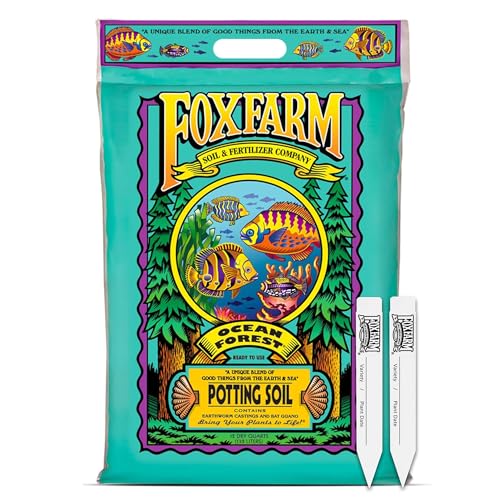
FoxFarm Ocean Forest Potting Soil, 12 Quarts

Legigo 4 Quarts Organic Perlite
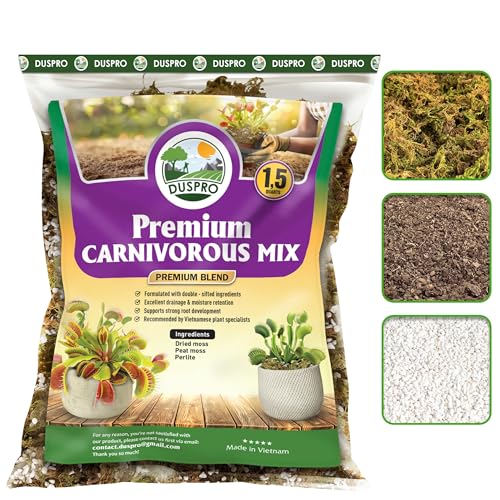
DUSPRO Carnivorous Plant Soil Mix, 1.5 QT

FoxFarm Ocean Forest Potting Soil, 1.5 cu ft
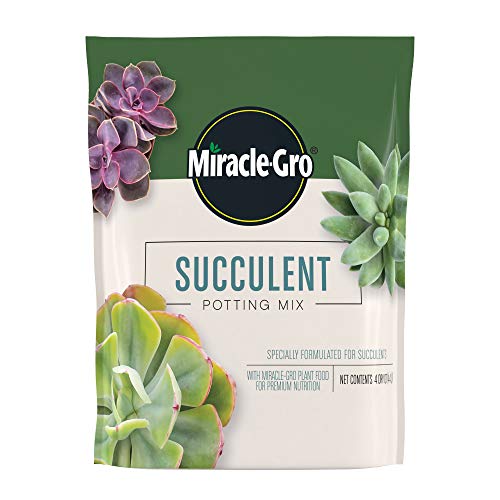
Miracle-Gro Succulent Potting Mix, 4 qt.

Miracle-Gro Moisture Control Potting Mix, 8 qt. (2-Pack)
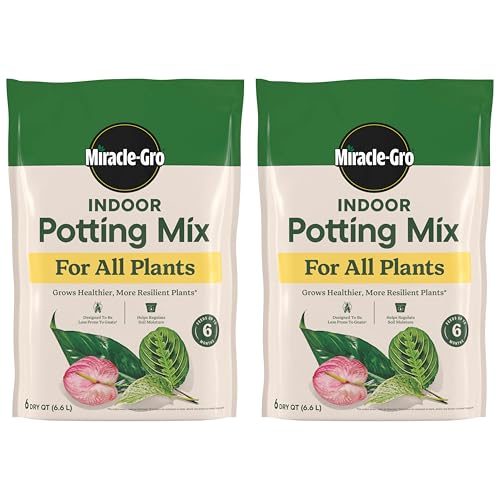
Miracle-Gro Indoor Potting Mix, 6 qt., 2-Pack

Legigo 15 Quarts Organic Perlite

Legigo 20 Quarts Organic Perlite

Legigo 6 Quarts Organic Perlite
The Picks, Examined More Closely
FoxFarm’s 12-quart Ocean Forest shows up on countless houseplant benches because it delivers a fluffy, ready-to-use blend in a manageable size. It’s loaded with earthworm castings, fish meal, and crab meal, so a freshly potted tropical gets a real head start. For typical foliage plants, it’s a strong general-purpose medium.
For carnivorous plants, the nutrient load is the catch. Venus flytraps and sundews evolved in low-fertility bogs, so the organic amendments in Ocean Forest tend to burn their roots over time. Repotting flytraps into it works short-term at best.
Reasons It Performs
- Pre-blended texture means no measuring or sifting before potting.
- Light, aerated body encourages fast root growth on tropicals and herbs.
- Includes two plant tags for labeling varieties and transplant dates.
- Twelve-quart size suits most windowsills and small patio pots.
Things To Consider
- Loaded with organic nutrients that harm most carnivorous plant roots.
- Not formulated to drain the way bog species prefer.
- Won’t store forever once opened; some growers notice it drying out in the bag over a season.
Quick Facts
Whose Shelf It Belongs On
Tropical houseplant owners repotting a few pots at a time, especially anyone who values a ready-to-use blend with included labels.
Look Elsewhere When
Switch to the DUSPRO Carnivorous Plant Soil Mix if your collection leans toward Venus flytraps, sundews, or pitcher plants.
This four-quart bag of coarse perlite is a smart entry point for anyone new to building custom carnivorous plant mixes. Perlite is a heat-expanded volcanic stone that lightens any substrate and keeps water moving through the root zone. For bog-style plants, that drainage is non-negotiable.
Compared with the bigger Legigo bags covered later, the four-quart size makes sense for repotting one or two small pots. You won’t be left with a half-empty bag gathering dust in the garage.
What Helps Most
- Coarse grade pulls excess moisture away from sensitive roots.
- pH-neutral stone won’t shift the acidity of your peat or sphagnum base.
- Small four-quart volume keeps perlite fresh and dry between sessions.
Trade Offs
- Not a complete soil; you’ll still need peat moss or sphagnum to pair it with.
- Dusty when poured, so a mask and outdoor mixing help.
Right Fit For
Beginners testing their first flytrap or sundew mix who want a small perlite bag to combine with a separate peat or sphagnum component.
Skip It When
Step up to the DUSPRO Carnivorous Plant Soil Mix if you’d rather skip the measuring and reach for a finished blend straight out of the bag.
DUSPRO’s 3-in-1 blend is the closest thing on this list to a purpose-built carnivorous plant medium. It combines dried moss, perlite, and peat moss in pre-measured ratios, so you skip the kitchen-counter mixing and open the bag straight into the pot. For anyone unsure about ratios, that’s a real time-saver.
The 1.5-quart size covers a handful of small to mid-size pots, which fits a typical starter collection of Venus flytraps and sundews. Most growers repot carnivores yearly, so the volume matches how often you’ll actually use it.
The Case For It
- Pre-mixed moss, perlite, and peat removes guesswork for new growers.
- Light texture drains quickly while holding enough moisture for bog species.
- Small bag keeps the medium fresh between repotting sessions.
Room For Improvement
- One and a half quarts won’t cover a large pitcher plant repotting job.
- Some growers prefer to adjust ratios themselves rather than trust a fixed blend.
Quick Facts
Made For
First-time and intermediate growers who want a ready-to-use substrate for Venus flytraps, sundews, and other common bog species.
Swap It Out When
Pick the Legigo 20 Quarts Organic Perlite instead if you’d rather build a custom bulk mix from raw components.
The 1.5 cubic-foot Ocean Forest is the bulk sibling of the 12-quart bag covered earlier. Same ingredient philosophy, including earthworm castings, fish meal, and crab meal, but in a much larger package suited to big container gardens. For tropicals, veggies, and herbs, it’s a known quantity.
Carnivorous plants won’t tolerate the same nutrient density that makes Ocean Forest great for tomatoes. The honest take is that this bag exists for container gardeners, and its size only makes sense for someone with the space to use it quickly.
Why It Works Well
- One and a half cubic feet covers many mid-size containers.
- Aerated, fluffy texture that resists compaction in long-term pots.
- Trusted general-purpose formula with a long track record on Amazon.
Points To Note
- High nutrient content makes it unsuitable for most carnivorous species.
- Bulky bag takes up shelf space and weighs more than smaller options.
Feature Snapshot
Who Will Love This
Container gardeners with a full bench of tropicals or herbs who want a single proven mix to cover many pots.
Reach For A Different Pick When
Choose the DUSPRO Carnivorous Plant Soil Mix if your collection is mostly bog species that need low-nutrient, free-draining substrate.
Miracle-Gro’s succulent mix is built around quick drainage, which lines up with what carnivorous plants crave. The bag blends sphagnum peat moss with coarse sand and perlite, so excess water moves through the pot instead of pooling around tender roots. For beginners, that forgiving texture is a real asset.
The trade-off is that the formulation is geared toward cacti and succulents, so it may not hold quite enough moisture for moisture-loving sundews. Compared with the DUSPRO blend, this one is closer to a starting point than a finished answer.
What Makes Sense
- Fast-draining formula prevents the root rot that kills flytraps in standard potting soil.
- Four-quart bag suits a small starter collection without much waste.
- Widely available and easy to find at most garden retailers.
Honest Caveats
- Designed for succulents, not bog plants, so moisture retention may feel off for sundews.
- May still contain mild starter nutrients that some carnivore growers rinse before using.
Best Suited To
New growers who want a forgiving, ready-to-use mix and are willing to monitor watering closely for sundews.
Consider Something Else When
Move to the DUSPRO Carnivorous Plant Soil Mix if you keep moisture-loving species that prefer a moss-forward blend.
The Moisture Control 2-pack is aimed at houseplant growers who want to restock once and not think about it for months. The AquaCoir formulation absorbs more water than basic potting soil, which is a feature for thirsty tropicals. For most carnivorous plants, that water-retention philosophy cuts the wrong way.
Most bog species want consistently moist but never soggy conditions. This mix holds water a bit too aggressively, which can suffocate roots if watering isn’t dialled back.
Features That Help
- Two-bundle value keeps a garage or shed stocked for several repottings.
- Absorbs water efficiently, useful for forgetful waterers with non-carnivore plants.
- Standard 8-quart bags fit on most shelves without awkward stacking.
Factors To Consider
- Water-holding design runs counter to the free-draining roots carnivores prefer.
- Contains starter fertilizer that should be rinsed from any substrate reused for flytraps.
Feature Card
Who Should Grab It
Mixed plant households looking for an all-purpose moisture-retentive blend for tropicals and ferns.
A Better Fit Elsewhere
Pick the Miracle-Gro Succulent Potting Mix instead if you keep carnivorous plants alongside your other indoor pots.
Miracle-Gro’s Indoor Potting Mix is the company’s answer for windowsills and shelves full of mixed houseplants. It blends sphagnum peat moss, coir, and perlite, with bark and compost giving it a more natural feel. The two-pack format means fewer reorder moments across a busy growing year.
For carnivorous plants, the compost and bark components are the issue. Those organic materials break down slowly and release minerals that bog species can’t tolerate.
Where It Excels
- Lightweight formula is easy to lift and pour into indoor pots.
- Blend of peat, coir, and perlite balances moisture and airflow for tropicals.
- Two-pack volume covers a year of small indoor repottings.
Points To Keep In Mind
- Compost and bark feed soil life that carnivorous roots aren’t built for.
- Designed for indoor tropicals, not low-nutrient bog species.
Built With In Mind
Apartment dwellers maintaining a windowsill of mixed tropicals who want a simple, repeatable indoor mix.
Another Choice May Suit
Switch to DUSPRO Carnivorous Plant Soil Mix if your collection includes any flytraps or pitcher plants at all.
The 15-quart Legigo bag lands in the sweet spot for hobbyists repotting several carnivorous plants at once. Coarse perlite gives bog mixes the airy, fast-draining structure that flytraps and sundews need, and the larger volume keeps you covered across a full growing season. For DIY mixers, this size avoids the tiny-bag waste of the 4-quart option.
Like every perlite product here, it’s an amendment rather than a complete mix. Pair it with peat moss or sphagnum to build a working bog substrate.
The Helpful Details
- Mid-size bag suits multi-pot repotting days without frequent reorders.
- pH-neutral volcanic stone won’t shift your peat’s acidity.
- Coarse grade pulls water away efficiently from sensitive roots.
Practical Considerations
- Must be combined with peat or sphagnum before planting.
- Dusty at the bag opening, so work outdoors or wear a simple mask.
Who It Suits Best
Intermediate growers mixing their own carnivorous plant substrate in batches and repotting several pots a year.
Not Your Match When
Choose the smaller Legigo 4 Quarts Organic Perlite if you only repot a single small flytrap each year.
The 20-quart Legigo bag is the largest perlite option in this lineup, aimed at serious hobbyists repotting an entire collection or mixing substrate by the tubful. The same coarse, pH-neutral volcanic stone appears here, just in a volume that lasts. For someone with a propagator full of flytrap divisions, the size genuinely helps.
Storage is the main consideration. A 20-quart bag takes up real shelf space and needs to stay dry between sessions.
Strong Points
- Largest perlite bag here, well-matched to bulk bog mix recipes.
- Coarse grade delivers consistent drainage across many pots.
- Replenishes DIY stock without repeat orders every few months.
Where It May Fall Short
- Bulk size is overkill for anyone repotting a single flytrap a year.
- Still an amendment, so you’ll need peat or sphagnum alongside it.
Perfect Match For
Multi-plant carnivorous collections, club growers, or anyone running a propagation station with frequent repots.
Consider Something Else When
Step down to the Legigo 6 Quarts Organic Perlite if a smaller-volume amendment better matches your repotting cadence.
The 6-quart Legigo bag is a middle-ground option that suits most small carnivorous plant collections. It’s enough perlite to amend several repottings of flytraps or sundews, without the storage footprint of a 20-quart sack. The coarse grade is consistent with the rest of the Legigo perlite line covered above.
Most growers reach for perlite alongside peat or sphagnum, so plan on pairing this with a separate organic base to build a working bog substrate.
The Practical Payoff
- Six-quart volume covers a season of multi-pot repotting.
- pH-neutral volcanic stone keeps your peat base stable.
- Compact bag stores easily on a shelf or in a closet.
Some Limits To Know
- Must be combined with peat moss or sphagnum before use.
- Generates dust when poured, similar to other perlite products.
Best Suited To
Small to mid-size carnivorous plant owners repotting a handful of pots a year and wanting one perlite bag to last.
Look Elsewhere When
Pick the Legigo 20 Quarts Organic Perlite instead if you regularly mix substrate by the tub.
What To Weigh Before Choosing Soil Mixes for Carnivorous Plants
Carnivorous plants evolved in nutrient-poor, acidic bogs, so the substrate you choose should mimic those conditions as closely as possible. Anything labeled as a standard potting mix usually contains starter fertilizers and mineral salts that will burn roots and kill the plant within weeks. Look for mixes built around peat moss, sphagnum moss, or long-fibered sphagnum, with perlite added to keep the texture airy. Drainage matters more than nutrient content here, since bog species prefer feet-wet conditions but not waterlogged soil.
The decision between pre-mixed and DIY comes down to control. A pre-blended bag like the DUSPRO option removes guesswork and is ideal for beginners or anyone repotting only a few plants per year. DIY mixes using perlite and peat or sphagnum give you more flexibility to tune ratios for specific species, like pitcher plants that prefer a chunkier blend. Match your choice to how often you repot and how large your collection is.
Watch for hidden additives in anything marketed as a general-purpose or houseplant mix. “Moisture control” formulations retain more water than bog species tolerate, and “feeds for up to six months” claims indicate slow-release fertilizer that will harm carnivorous roots. Even some cactus and succulent mixes contain mild starter nutrients worth rinsing before use. Reading the ingredient list closely prevents silent damage to a slow-growing plant.