A bag that promises miracles rarely delivers, which is why choosing a good growing medium matters more than most beginners realize. Container life means roots have nowhere to hide: no deep subsoil, no wandering earthworms, no natural drainage path. The right mix holds moisture without going sour, breathes without drying out, and feeds without burning. This guide breaks down six options that handle the basics well, from compressed coco coir for seed starting to rich blends for foliage-heavy houseplants. Pick one that matches how you water and what you grow, and your pots will mostly take it from there.
Your Options, Compared

MODELLOR Coco Coir Bricks 4-Pack, 5 lb

Legigo 4 Quarts Organic Perlite for Plants

FoxFarm Ocean Forest Potting Soil, 1.5 cu ft

Hoffman 17502 Charcoal Soil Conditioner, 24-Ounce

Rosy Soil Houseplant Potting Soil, 4 Quarts
Legigo 15 Quarts Organic Perlite for Plants
More Details On Our Top Picks
Coco coir, the fibrous husk processed from coconut shells, has earned a steady following among seed starters and anyone tired of hauling home a giant bag of potting mix. MODELLOR’s four-brick set arrives as dense, dry squares that store on a shelf until you need them. Add water and each brick fluffs up into several quarts of soft, peat-free medium, so you control exactly how much you mix at any given time.
For most home growers, the appeal is storage and consistency. The bricks are pre-rinsed to keep salt levels low and the pH balanced, which is the kind of detail that protects young roots from chemical burn. A small apartment gardener starting tomatoes on a windowsill, or someone refreshing a few herb pots on the patio, will find the yield more than generous for the season.
What Helps Most
- Four 5-pound bricks expand into roughly 9 gallons (36 quarts) of loose medium, enough to fill multiple seed trays and small containers.
- Compressed format means a 4-pack tucks into a closet or under a sink without monopolizing garage space.
- Triple-washed, low-salt preparation reduces the risk of root damage on delicate seedlings and cuttings.
- Rehydrates in minutes with a bucket of water, no wrestling with a torn 40-pound bag.
- Peat-free composition, friendlier for gardens that want to avoid harvesting sensitive peat bogs.
Things To Consider
- Pure coir holds moisture well but carries almost no nutrients on its own, so plan to feed seedlings after the first true leaves appear.
- Owners commonly report that the bricks need to be fully broken apart during soaking or stubborn clumps end up in the mix.
Key Specs
Best Suited To
Seed starters, windowsill gardeners, and anyone working with a small apartment or limited storage space who wants a clean, peat-free medium.
Look Elsewhere When
You want a single bag of finished, nutrient-rich soil ready to pour into large outdoor planters, in which case the FoxFarm Ocean Forest covers that need more directly.
Perlite is the white, popcorn-like volcanic stone you see mixed into bagged soils. It does not feed plants; it loosens the mix and keeps air moving around the roots. Legigo’s 4-quart bag is a small, manageable size that makes sense for one or two pots, a windowsill herb cluster, or a single terrarium build where you only need a handful of material.
For most indoor growers with a modest collection, the size lands in a useful spot. Larger perlite bags go stale in the corner of a garage once humidity gets to them, so a smaller package keeps the product fresh and usable. Coarse-grade perlite is the right texture for cactus, succulent, and orchid mixes where sharp drainage matters more than moisture retention.
Practical Advantages
- Coarse, evenly sized particles improve drainage and airflow without breaking down into dust over time.
- pH-neutral composition, so it won’t shift the acidity of your existing soil blend.
- Lightweight volcanic material is easy to carry home and to scoop into pots.
- A small 4-quart size avoids the waste that comes with buying perlite in bulk and storing it for months.
Trade Offs
- Four quarts runs thin for gardeners repotting a dozen containers at once, so you may go through the bag faster than expected.
- Perlite dust during pouring is commonly reported as a nuisance, and a quick rinse before mixing cuts the airborne particles down.
Right Fit For
Apartment dwellers tending a few succulents, a windowsill herb pot, or anyone patching drainage into a single orchid repotting job.
Swap It Out When
You’re mixing a half-dozen big pots at once, in which case Legigo’s 15-quart bag in slot six gives you enough perlite without three quick reorders.
FoxFarm’s Ocean Forest is the kind of bag experienced growers hand to beginners without hesitation. It comes pre-mixed and ready to use, with a light, airy texture that already contains the castings, meals, and forest humus most container plants respond to. You open the bag, fill a pot, and water in; there is no second-guessing or separate amendments to chase down.
For most container gardeners, that simplicity is the point. Vegetables on a balcony, dahlias in patio tubs, and even small shrubs in porch planters all do well in a single balanced blend. The 1.5 cubic foot size handles a respectable number of medium pots, and the bag reseals neatly enough to keep leftover mix from drying out between uses.
A Few Strong Suits
- Ready to use straight from the bag, no extra amendments required for the first several weeks.
- Light, aerated texture encourages strong root development in everything from seedlings to mature container plants.
- Comes in a 1.5 cu ft size that balances volume with manageable weight for one person to carry.
- Compatible with a wide range of plants, including vegetables, herbs, flowers, and indoor foliage.
Some Limits To Know
- At roughly 1.5 cubic feet the bag is heavy to haul upstairs to a rooftop or balcony garden without a trolley.
- Once opened, the rich organic content can attract fungus gnats if stored damp indoors, so a sealed bin in a garage is the usual workaround.
Quick Facts
Made For
Container gardeners juggling vegetables, flowers, and herbs on a patio who want one reliable bag to cover most of the season.
Where Another Pick Suits Better
A dedicated indoor foliage collector chasing peat-free ingredients may prefer Rosy Soil’s houseplant blend in slot five instead.
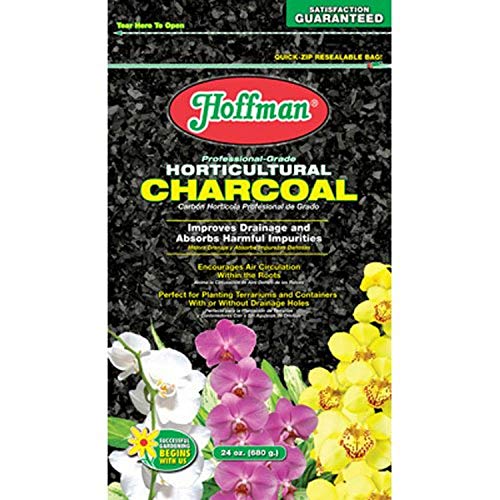
Horticultural charcoal is one of those quiet additions that seasoned growers swear by and most beginners never try. Hoffman packages it in a 24-ounce bag, sized for the occasional repotting rather than a wholesale soil overhaul. You mix a small amount into your existing blend, and the porous pieces help with drainage while absorbing impurities that build up in closed containers.
For most indoor gardeners, this shows up as a way to rescue pots that stay soggy a little too long. Terrariums, cachepots without drainage holes, and any container plant that sits in decorative outer pots benefit from charcoal layered into the mix. It’s also commonly used at the bottom of orchid pots, where the chunks keep air moving around thick roots.
Advantages To Know
- Porous structure helps excess water move through dense potting mixes instead of pooling at the base.
- Acts as a natural filter, absorbing impurities and helping container soils stay fresher longer.
- Encourages oxygen flow around roots, useful in containers without traditional drainage.
- Small 24-ounce size is easy to store in a craft drawer next to your other soil amendments.
Honest Caveats
- Charcoal works as a supplement, not a standalone medium, so you’ll still need a base mix like FoxFarm or Rosy Soil.
- The dark dust at the bottom of the bag is commonly reported; rinsing the chunks before use keeps the work area clean.
Whose Shelf It Belongs On
Terrarium builders, orchid growers, and anyone working with decorative pots that lack drainage holes.
Consider Something Else When
You’re looking for a primary growing medium rather than a tweak, in which case the MODELLOR coco coir in slot one or FoxFarm in slot three fits the brief better.
Rosy Soil positions itself around what most indoor plant parents care about: living ingredients, no synthetic fertilizers, and no peat. The 4-quart bag is built around biochar, worm castings, mycorrhizae (beneficial fungi that form partnerships with plant roots), compost, and bark fines, replacing peat moss entirely. For most apartment dwellers, that translates into a richer, more biologically active medium than the generic stuff at the hardware store.
The honest read is that this is a peat-free indoor mix with a sustainability angle that isn’t just marketing. Living soil biology helps nutrient uptake, and the bark and biochar keep the texture from compacting in long-term pots. Aroids, monsteras, pothos, and other living-room mainstays settle in quickly. The bag is small enough to carry from the door to a third-floor walkup without cursing.
Where It Excels
- Peat-free formula uses biochar and bark fines, both renewable alternatives for the eco-minded grower.
- Mycorrhizal fungi and beneficial microbes support nutrient uptake, particularly helpful for newly potted plants.
- Worm castings add organic nutrients, reducing the need for early fertilizer.
- 4-quart size is apartment-friendly, light enough for one trip from the mailbox to a high floor.
Worth Bearing In Mind
- Four quarts goes fast when repotting aroids, which often take 6-inch or 8-inch pots at minimum.
- Owners commonly report the rich organic mix holds moisture longer than expected, so cut back on watering frequency to avoid root issues.
Core Details
Who Should Grab It
Indoor gardeners focused on aroids and other foliage plants who want peat-free ingredients and don’t mind paying a small premium for living soil biology.
Not Your Match When
You mainly grow outdoor containers and need a big, economical bag, in which case the FoxFarm Ocean Forest covers larger patio planters at a friendlier scale.
The 15-quart sibling to Legigo’s smaller bag handles the bigger soil-blending jobs that the 4-quart cannot. For most growers with a serious collection or a backyard greenhouse project, this is the perlite size that actually finishes a job rather than starting one. Coarse, evenly sized particles work into orchid bark, cactus grit, and custom houseplant blends with a confident pour.
For most indoor growers refreshing an entire shelf of pots, the larger bag pays for itself in fewer reorders. The volcanic stone stays pH-neutral, so it won’t tip your soil toward acidity or alkalinity. A quick rinse in a colander before mixing washes off the dust that commonly settles at the bottom of any perlite bag.
Benefits That Matter
- Generous 15-quart volume covers multi-pot repotting sessions without running dry halfway through.
- Coarse, uniform particle size improves drainage in orchid, cactus, and carnivorous plant mixes.
- pH-neutral volcanic stone does not alter your existing soil chemistry.
- Lightweight and easy to pour, even at the bottom of a 10-gallon tub.
Room For Improvement
- Storage needs a dry spot; perlite absorbs humidity and clumps if left in a damp garage.
- You’ll want to decant the bag into a sealed bin to keep dust down between uses, which is a small chore but a real one.
Perfect Match For
Greenhouse hobbyists and serious indoor gardeners running batch blends for orchids, succulents, or carnivorous plants.
A Better Fit Elsewhere
You’re only topping up one or two pots at a time, in which case the smaller 4-quart Legigo bag in slot two is more practical.
What Matters Most Before Choosing soils for pot plants
Drainage And Aeration Drive Root Health
Container roots suffocate fast when the mix compacts. Coarse perlite, bark, and biochar all create the air pockets that roots need to breathe. For most indoor growers, a blend that holds its texture after several waterings beats one that starts fluffy and turns to mud by week three.
Match The Medium To Your Watering Style
Frequent waterers benefit from faster-draining mixes with more perlite or charcoal. Forgetful waterers need coir-heavy blends that hold moisture without going sour. The plant list matters less here than the routine, since a heavy-handed watering schedule in a moisture-retentive mix is a recipe for root rot.
Skip The Bag With Zero Ingredient Information
Generic bargain mixes often contain heavy compost and fine particles that compact badly in containers. Look for clear ingredient lists and texture descriptions. Most reputable brands now print what’s inside, and that transparency is usually a good sign of quality.
Size The Bag To Your Actual Project
Bigger isn’t always better. A 1.5 cubic foot bag is overkill for two windowsill pots, and a 4-quart bag vanishes during a serious repotting session. For most home gardeners, buying two mid-size bags beats wrestling a single large one into a closet that won’t close.
Key Considerations Across These Picks
Pitfalls Shoppers Hit
A common misstep is buying a moisture-retentive blend for a cactus or succulent, then watching the plant rot within a month. Another is grabbing any bag labeled “potting soil” without checking whether it’s pre-fertilized, which can burn delicate seedlings. For most beginners, matching the mix to the plant’s water needs matters far more than chasing the cheapest option.
Where The Extra Money Goes
Higher-end indoor blends like Rosy Soil put budget into living ingredients: mycorrhizae, worm castings, and biochar that feed biology over time. You pay more upfront, but the soil keeps working long after the bag is opened. For most indoor gardeners, the upgrade pays off in stronger foliage and fewer fertilizer rounds across the season.
Frequently Asked Questions
Do I really need a special mix for pot plants?
Yes, garden soil compacts badly in containers and often carries pests or weed seeds. A container-specific mix stays loose, drains well, and gives roots the air they need. Most beginners see stronger growth the moment they switch from yard dirt to a real potting blend.
How often should I replace potting soil?
Refresh the top couple of inches every year or two, and fully replace the mix every two to three years for heavy feeders. Salt and mineral buildup eventually make old mix hydrophobic, meaning it repels water rather than absorbing it. For most indoor plants, repotting into fresh medium every other spring keeps growth steady.
Can I mix different soils and amendments together?
Absolutely, and most experienced growers do. Coco coir, perlite, charcoal, and a base potting blend can be combined to suit your watering style. For most home gardeners, customizing a blend turns out to be easier than chasing a single perfect bag.
Is peat-free soil actually better?
For most indoor gardeners, peat-free blends are a sensible choice. Peat harvesting damages sensitive bog ecosystems, and alternatives like coco coir, biochar, and bark perform just as well. The honest read is that peat-free mixes have closed the performance gap in recent years.
What’s the easiest way to tell if my soil is bad?
Water pools on the surface and runs straight down the sides instead of soaking in, that’s a sign of compaction or hydrophobic buildup. Roots circling the bottom and slow growth are also common warnings. For most plants, a quick squeeze test tells you everything: a healthy mix crumbles easily, while a tired mix stays in a hard clump.
The Takeaway
Container gardening rewards the grower who treats soil as a living system rather than just dirt. Match the medium to your watering habits, refresh it on a sensible schedule, and your pots will mostly handle the rest. Pick one option from this shortlist and start repotting; you’ll learn the rest by paying attention to how the leaves respond.