Most indoor gardeners reach for whatever bag is on the shelf at the local garden center, then wonder why their peace lily keeps wilting or their seed trays turn fuzzy with mold. The problem usually isn’t your watering schedule. It’s the growing medium. Sterile potting soils for indoor plants skip the pathogens, fungus gnats, and weed seeds that tag along with outdoor soil, which matters more than ever when every container sits a few feet from your living room rug. This roundup walks through six options worth knowing, from ready-to-use blends to bare mineral amendments you can mix into whatever recipe you already trust.
The Leading Options At A Glance
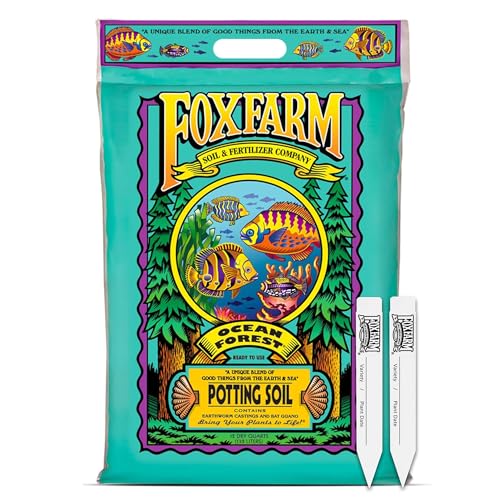
FoxFarm Ocean Forest Potting Soil, 12 Quarts

FarmTek Horticultural Vermiculite, 4 Cubic Feet

Legigo Organic Perlite, 4 Quarts

Organic Plant Magic Compressed Potting Soil

GARDENWISE Organic Olive Tree Potting Mix, 3 Quarts

Legigo Organic Perlite, 15 Quarts
A Deeper Look At The Lineup
FoxFarm Ocean Forest is the kind of bag you can grab off the shelf, slice open, and start potting into immediately. The blend leans on fish meal, crab meal, and earthworm castings, which gives it a richer nutrient profile than most peat-based mixes. For a beginner repotting a snake plant or starting a tray of vegetable seedlings, that ready-made fertility takes a lot of guesswork out of feeding schedules.
Texture is light and aerated, so roots don’t sit in a soggy plug. The 12-quart size handles a small repotting session on a windowsill, and two plant tags come tucked inside for marking varieties and dates. For most apartments with a handful of foliage plants, this is the practical starting point.
The Practical Payoff
- Comes pre-blended with organic amendments, so you skip the recipe-building step
- Light, fluffy texture promotes drainage without drying out too fast in living-room humidity
- Two included plant tags help you track repotting dates across a small collection
- Works for seedlings, established houseplants, and small outdoor containers
Things To Consider
- Smaller bags tend to dry out quicker, so storage matters once opened
- You may find the nutrient charge runs out within a couple of months for heavy feeders
Feature Snapshot
Built With In Mind
Beginners potting a handful of common houseplants and anyone starting seeds on a kitchen counter.
Consider Something Else When
Pick the Legigo 15 Quarts Organic Perlite instead if you want a base amendment to mix into your own recipes rather than a finished soil.
Vermiculite (a heat-expanded mineral that holds water and air in its layers) earns its place in nearly every seed-starting mix, and FarmTek’s 4-cubic-foot bag is sized for serious propagators. Unlike the FoxFarm bag above, this isn’t a finished soil. It’s a sterile, mineral-based additive you blend into your own mix to improve moisture retention and aeration.
For hobbyists running a propagation rack or filling multiple raised beds indoors, the bulk format makes sense. Because vermiculite is pH-neutral (meaning it won’t shift your soil’s acidity one way or the other) and inorganic, it doesn’t introduce the pathogens or seeds that organic amendments sometimes carry. If you’ve been burned by damping-off in seedlings, switching to a mix that includes vermiculite tends to help.
Practical Pluses
- Sterile and pH-neutral, so it won’t introduce weeds or disease to your mix
- Holds moisture while keeping pore space open for oxygen flow
- Bulk packaging suits people mixing their own blends in volume
- Mineral-based, so it breaks down extremely slowly over many seasons
Worth Noting
- 4 cubic feet is a lot for someone with only a few houseplants, and storage space becomes a real factor
- Vermiculite alone won’t feed plants, so you’ll still need a nutrient source in the mix
Who It Suits Best
Propagation hobbyists, school greenhouses, and anyone mixing custom blends for a large indoor collection.
Reach For A Different Pick When
Choose Organic Plant Magic Compressed Potting Soil instead if you’d rather have a finished, ready-to-use medium without measuring out amendments.
Perlite (a porous volcanic glass that lightens soil and speeds drainage) is the workhorse for anyone growing succulents, cacti, or carnivorous plants indoors. Legigo’s 4-quart bag is sized for a small collection, not a greenhouse operation. The granules are coarse and evenly sized, which matters more than it sounds: dust and fine particles clog drainage holes and defeat the purpose.
Adding a generous scoop to standard potting mix transforms it into something that mimics the gritty, low-organic conditions desert plants prefer. You can also use it as a top-dressing to keep leaves clean and discourage fungus gnats from laying eggs in moist soil. For a windowsill with three or four succulents, this is a manageable starter amount.
Real Benefits
- Coarse, even granule size prevents the dust-clogging problems cheap perlite causes
- Volcanic origin means it’s pH-neutral and sterile, so it won’t shift soil chemistry
- Pulls excess water away from sensitive root systems
- Doubles as a clean decorative top-dressing for potted arrangements
Trade Offs
- 4 quarts runs out quickly if you’re amending multiple large containers, in which case stepping up to the 15-quart Legigo below makes more sense
- Perlite floats to the surface when you top-water, which can be visually distracting
Feature Rundown
Best Suited To
Succulent and cactus growers with a small collection who want better drainage without committing to a giant bag.
Look Elsewhere When
Pick the GARDENWISE Organic Olive Tree Potting Mix instead if you grow Mediterranean trees and want a finished, pre-formulated blend rather than a raw amendment.
Compressed soil has a different appeal than anything else on this list. The granules ship dry and lightweight, then expand up to four times their volume once you add water. A small resealable bag tucked under a kitchen sink beats hauling a bulky 12-quart sack up a third-floor walkup.
The blend pulls from coconut coir and worm castings, which gives it a soft, fibrous texture. Coconut coir (a byproduct of coconut husks) holds moisture without becoming soggy, and worm castings add a gentle nutrient charge that feeds plants over time. For apartment dwellers who pot up one plant at a time and don’t want a half-used bag going stale in a closet, this format solves a real storage problem.
Notable Gains
- Compact bag fits on a shelf, in a closet, or under a sink
- Expands to roughly 3 gallons when hydrated, covering several small pots
- Coir and worm castings offer organic nutrition without synthetic fertilizer smell
- Resealable packaging keeps the rest of the soil fresh between uses
Points To Keep In Mind
- You need to add water and do a bit of mixing before each use, which adds a step
- The worm castings provide a light feed, so heavy feeders may still want supplemental feeding later
Who Will Love This
Renters and apartment gardeners with limited storage who repot plants occasionally rather than in batches.
Swap It Out When
Choose FoxFarm Ocean Forest Potting Soil instead if you’d rather skip the rehydration step and pot up immediately from the bag.
Olive trees want conditions that mimic their Mediterranean origins: lean soil, sharp drainage, and a long, steady supply of calcium. Generic houseplant mixes stay too wet for them, which is why GARDENWISE built this blend specifically for indoor olives. The formula pulls in worm castings, compost, and limestone (a mineral that supplies calcium and balances pH) to recreate those conditions in a container.
The 3-quart bag covers a single small-to-medium olive tree repotting. If you’ve already got a healthy indoor olive and have watched it struggle in regular potting mix, switching to a species-specific blend like this one often resolves the yellowing leaves and root-rot symptoms that signal moisture stress. It’s a niche pick, but for the right gardener, it’s the only thing on this list that fits.
Standout Benefits
- Drainage profile mirrors the dry, rocky soil olives evolved in
- Worm castings and compost feed the plant slowly over roughly a year
- Limestone balances pH and adds calcium, which olives need to fruit and flower
- Works for indoor and outdoor container-grown olives
Honest Caveats
- It’s a specialty blend, so it makes less sense for general houseplant use
- 3 quarts covers one small repotting; larger trees may need a bigger quantity
Feature Snapshot
Whose Shelf It Belongs On
Indoor olive tree owners and anyone growing Mediterranean herbs or fruit trees in containers.
A Better Fit Elsewhere
Pick FoxFarm Ocean Forest Potting Soil instead if your collection is general houseplants rather than Mediterranean species.
The 15-quart sibling to the Legigo bag above is the better fit for households with more than a handful of plants. Same coarse, evenly sized volcanic perlite, just more of it. If you’re amending a dozen pots or running a steady rotation of propagation cuttings, the smaller 4-quart bag vanishes surprisingly fast.
Perlite’s main job here is aeration: opening up dense peat-based mixes so roots can breathe and water can drain through instead of pooling at the bottom. It’s also sterile, which means no surprise fungus gnats hitching a ride into your living room. The bag itself stores cleanly in a closet or garage without fuss.
Useful Touches
- Generous 15-quart supply covers multiple medium pots or one large container
- Coarse grading reduces the dust that clouds up when you pour cheap perlite
- pH-neutral volcanic material won’t shift your soil’s acid balance
- Useful across succulents, orchids, propagation mixes, and general houseplants
Small Caveats
- Bigger bag means more storage space required, especially if you live in a small apartment
- Perlite floats during overhead watering, so bottom-watering suits it better
Right Fit For
Multi-plant households, propagation enthusiasts, and anyone repotting on a recurring schedule.
Not Your Match When
Pick the Legigo 4-Quart Organic Perlite instead if you only have a small succulent collection and don’t want perlite sitting around for months.
What Matters Most Before Choosing Sterile Potting Soils for Indoor Plants
Matching the Mix to the Plant Tropical foliage, succulents, and Mediterranean trees all want different things from a growing medium. A moisture-retentive blend suits a calathea; the same blend will rot an olive tree’s roots in weeks. Match the soil’s drainage and nutrient profile to the species rather than grabbing one universal bag.
Sterility and Pathogen Load Sterile potting mixes are heat-treated or mineral-based, which means they skip the fungus spores, gnats, and weed seeds that travel in outdoor soil. For indoor use, especially in kitchens and bedrooms where you don’t want bugs, that sterility is the whole point. Mineral amendments like vermiculite and perlite are inherently sterile; organic blends need explicit pasteurization (heat treatment that kills pathogens) to qualify.
Drainage and Aeration Dense, compacted soil suffocates roots over time. Look for mixes that include perlite, vermiculite, coarse sand, or bark to keep pore space open. The texture should feel crumbly and light in the bag, not heavy or gluey.
Format and Storage Bags, bricks, and compressed granules each solve different storage problems. Compressed formats win for small apartments; large bags make sense for prolific propagators with closet space. Consider how fast you’ll use the soil before committing to a bulky size.
Key Considerations Across These Picks
Common Shopping Slip Ups Grabbing any bag labeled “potting soil” without checking the ingredient list is the most common mistake. Outdoor garden soil and indoor potting mix are not interchangeable, even when they sit on the same shelf. Look for blends explicitly labeled for containers, and check that the texture is loose rather than dense. Another trap: assuming all “organic” labels mean sterile. Organic inputs are usually unprocessed by definition, so they can carry biological activity that includes pathogens, not just beneficial microbes.
Where The Extra Money Goes Premium blends charge more for careful sourcing, consistent texture, and added amendments like worm castings or biochar (a charcoal-like soil additive that holds nutrients and improves structure). For specialty plants like olives, that extra formulation work pays off. For a basic succulent, a budget perlite amendment does the same job at a fraction of the cost. Spend up when the plant’s needs are specific; save when the basic mineral function is what you’re after.
Frequently Asked Questions
What makes a potting soil sterile? Sterile potting soils are either heat-treated during manufacturing or built from inorganic mineral components like perlite and vermiculite, which carry no living organisms by nature. This eliminates the fungus spores, bacteria, and insect eggs that can travel in untreated garden soil.
Can I use outdoor soil for indoor plants? Outdoor garden soil isn’t recommended for indoor use. It compacts in containers, drains poorly, and often carries insects, pathogens, and weed seeds that become problems inside. A purpose-made indoor blend stays loose and clean.
How often should I replace potting soil? Most houseplants benefit from fresh soil every 12 to 24 months. Over that period, organic matter breaks down, drainage worsens, and salt buildup from fertilizers accumulates. Refresh the top layer or do a full repot depending on the plant’s growth.
Do succulents need a special mix? Succulents and cacti prefer fast-draining, low-organic mixes that mimic their native arid soils. A standard houseplant blend holds too much moisture and leads to root rot. Adding perlite or using a cactus-specific formula solves the problem.
Is perlite the same as vermiculite? Both are heat-expanded minerals used to improve soil, but they behave differently. Perlite boosts drainage and aeration, while vermiculite holds water and nutrients. Succulents and cacti lean toward perlite; moisture-loving tropicals lean toward vermiculite.
Final Verdict
The right sterile potting soil depends entirely on what’s growing in your windowsill. For a versatile, ready-to-use blend that handles most common houseplants, FoxFarm Ocean Forest is the easiest entry point. For Mediterranean trees, the GARDENWISE olive mix solves problems no generic blend can. And for anyone building their own recipes, perlite and vermiculite in the right sizes round out a flexible indoor gardening kit.