Most bagged garden soil from a big-box store is too dense for containers. It compacts around roots, holds more water than it drains, and slowly suffocates whatever you planted. Potting mixes and soil amendments solve that problem, but the category has gotten crowded with bags of perlite, pouches of charcoal, compressed coir bricks, and worm castings all claiming to be the answer.
This roundup walks through ten solid options across the main categories you’ll actually need: soilless perlite amendments, earthworm castings, an all-in-one potting mix, several horticultural charcoals, and a compressed organic blend. Whether you’re repotting a windowsill pothos or filling a row of outdoor patio planters, there’s a pick here that matches.
A Quick View Of The Lineup

Legigo 4 Quarts Organic Perlite

Earth Science Earthworm Castings 3 lb

FoxFarm Ocean Forest Potting Soil 1.5 cu ft

Omitgoter Horticultural Charcoal 1 qt
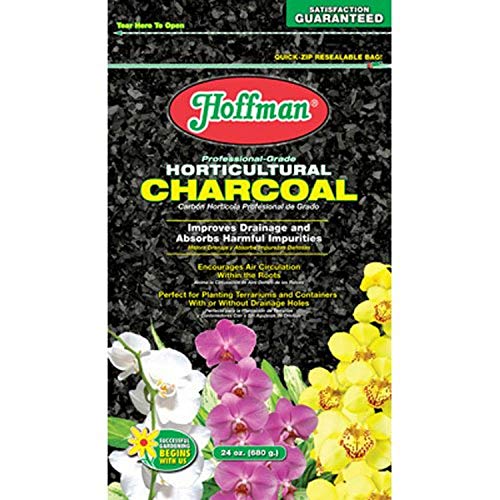
Hoffman 17502 Charcoal Soil Conditioner

Mosser Lee ML0810 Horticultural Charcoal

Organic Plant Magic Compressed Potting Soil

Legigo 15 Quarts Organic Perlite

Legigo 20 Quarts Organic Perlite

Legigo 6 Quarts Organic Perlite
The Strengths Of Each Pick
If you’ve never mixed your own soil before and just want to try adding perlite to a few houseplants, this 4-quart bag is a sensible starting point. Perlite is the white, porous volcanic stone gardeners mix into soil to improve drainage and aeration, and this version is coarse-sized, meaning it creates visible air pockets rather than dissolving into dust.
The bag is small enough to store in a closet and won’t go stale before you use it up. Compared to the larger Legigo perlite bags covered later, this one is better suited to a single pothos repotting than a full shelf of plants. For most beginners mixing up a cactus blend or amending one or two pots, it’s a low-commitment way to find out what perlite actually does.
Everyday Perks
- Coarse grain size keeps soil structure loose instead of compacting at the root zone.
- pH-neutral volcanic material won’t shift the acidity balance of your existing mix.
- Small 4-quart volume is easy to finish within a few months.
- Pulls excess moisture away from sensitive roots like succulents and orchids.
Trade-Offs
- Only 4 quarts disappears fast if you repot several plants at once.
- Dust at the bottom of the bag tends to settle during shipping, so pour slowly when first opening.
Who It Suits Best
Beginners repotting one or two indoor plants who want a small, manageable bag of perlite to experiment with.
Look Elsewhere When
Anyone filling several large planters should reach for Legigo 15 Quarts Organic Perlite instead, which covers more pots for less per quart.
Worm castings are worm digested organic matter, and they function as both a gentle fertilizer and a soil conditioner. Earth Science sells a 3-pound bag of pure castings that you can mix into potting soil, top-dress houseplants with, or work into a raised vegetable bed.
The product fits naturally with the perlite options covered earlier, since castings add biological richness while perlite adds physical structure. For gardeners focused on edible crops, the castings feed soil microbes over time rather than delivering a quick chemical nutrient spike. You may find the 3-pound size is best treated as a top-dressing supply rather than a bulk soil replacement.
The Practical Payoff
- Adds organic matter that gradually improves soil texture in pots and beds.
- Feeds soil microbes, which in turn help roots access nutrients.
- Improves water retention without waterlogging, useful in fast-draining mixes.
- Safe to handle around edibles and indoor plants alike.
Things To Consider
- Nutrients release slowly, so don’t expect a visible boost within a week.
- Strong smell when first opening, though it fades quickly once spread out.
- A 3-pound bag covers a modest number of containers or small beds.
Key Product Details
Made For
Edible gardeners and houseplant owners who want a slow-release organic boost worked into their existing potting soil.
Where Another Pick Suits Better
Container-only gardeners repotting from scratch should consider FoxFarm Ocean Forest Potting Soil, which already incorporates castings into a ready-to-use blend.
FoxFarm Ocean Forest is the bag you reach for when you want a complete potting mix and don’t want to assemble one yourself. The 1.5 cubic foot bag is ready to use straight out of the package, with a light, airy texture designed for container plants ranging from herbs to tropical foliage.
Unlike the perlite and charcoal amendments covered earlier, this is a finished growing medium rather than a single ingredient. Its blend approach includes earthworm castings alongside other organic components, which means plants get biological activity on day one. For most patio planters, herb gardens, and houseplant repottings, this is the bag most experienced gardeners actually keep on the shelf.
Features That Help
- Pre-blended so there’s no measuring or mixing required at home.
- Light texture encourages root penetration in containers that tend to compact.
- Includes organic components that feed plants gradually after planting.
- Works across a wide range of container plants from seedlings to mature specimens.
Honest Caveats
- Heavier than perlite or charcoal alone, so shipping costs can climb.
- 1.5 cubic feet fills a limited number of large planters.
- Once opened, the bag needs to be used within a season to stay fresh.
Feature Snapshot
Right Fit For
Container gardeners who want a premium pre-mixed soil that performs across vegetables, flowers, and tropical houseplants without extra amendments.
A Better Fit Elsewhere
Budget-focused growers building large raised beds should consider Organic Plant Magic Compressed Potting Soil for its expand-on-hydration volume ratio.
Horticultural charcoal is a porous form of carbon added to potting mixes to absorb excess moisture, neutralize odors, and keep soil from going sour in containers without drainage holes. Omitgoter sells a 1-quart bag sized for small terrariums, single orchid repottings, or a few bonsai containers.
Compared to the perlite amendments covered earlier, charcoal addresses a different problem: perlite improves drainage, while charcoal absorbs and filters. The 1-quart size fits terrariums where every ounce of substrate matters. In our view, this is the right bag for someone building a glass terrarium or repotting one moisture-sensitive plant, not for someone amending an entire patio of planters.
The Case For It
- Reduces odor buildup in closed terrariums and sealed containers.
- Improves aeration around root zones prone to compaction.
- Suited to orchids, succulents, cacti, and bonsai that dislike wet feet.
- Small bag fits apartment storage without taking over a closet shelf.
Softer Spots
- 1 quart runs out fast if you’re amending multiple containers.
- Charcoal dust at the bottom of the bag is fine but messy.
Best Suited To
Apartment growers maintaining a small terrarium or a couple of moisture-sensitive plants who want just enough charcoal to layer into the base.
Skip It When
Anyone building several large terrariums or wanting bulk charcoal for a full shelf of plants should grab Mosser Lee ML0810 Horticultural Charcoal instead.
Hoffman has been around long enough that experienced gardeners tend to recognize the brand without checking the label. The 17502 is a 24-ounce bag of horticultural charcoal specifically marketed as a soil conditioner, designed to improve drainage, aeration, and overall root environment.
Where the Omitgoter charcoal covered earlier is sized for a single small project, Hoffman’s 24-ounce bag handles a few repottings or one mid-sized terrarium build. The porous structure helps excess water drain away from roots while still maintaining some humidity in the surrounding soil. For most people mixing a layer into the bottom of decorative pots without drainage holes, it’s a reliable go-to.
Why It Works Well
- Porous structure creates drainage channels that move water away from roots.
- Encourages air circulation in dense or compacted mixes.
- Especially useful in decorative containers that lack drainage holes.
- Long-standing brand with consistent product availability.
Worth Noting
- 24 ounces covers fewer containers than the larger Mosser Lee option below.
- Works best as a bottom layer rather than mixed throughout the soil.
Quick Facts
Perfect Match For
Container gardeners working with decorative pots without drainage holes who want a charcoal layer that prevents waterlogging.
Another Choice May Suit
Terrarium builders who need more volume per bag should look at Mosser Lee ML0810 Horticultural Charcoal for its larger 2.25 dry quart capacity.
Mosser Lee’s ML0810 is the largest horticultural charcoal bag on this list, clocking in at 2.25 dry quarts. It’s made from hardwood (specifically fruit trees, according to the brand), which produces a denser, more absorbent carbon than softwood alternatives.
Where the Omitgoter bag covered earlier is sized for a small project, Mosser Lee’s larger format suits multi-terrarium builds, dish gardens, and anyone maintaining several pots without drainage. The hardwood source also makes it especially relevant for people layering substrate in enclosed glass containers where odor control matters over time. For most hobbyists building more than one terrarium in a season, the size makes sense.
A Favorable Mix
- Hardwood-derived charcoal absorbs more water and fertilizer than many alternatives.
- Useful in pots without drainage holes where overwatering risk is high.
- Acts as a natural soil conditioner over repeated waterings.
- Larger 2.25 dry quart size covers multiple terrariums or pots.
Minor Gripes
- Larger bag means more storage space needed in an apartment.
- Hardwood charcoal can stain fingers and surfaces during handling.
Who Should Grab It
Terrarium and dish garden builders who need a generous supply of hardwood charcoal for layering drainage at the base of glass containers.
Reach For A Different Pick When
Someone repotting only one or two plants should start with Hoffman 17502 Charcoal Soil Conditioner for a more manageable bag size.
Organic Plant Magic takes a different approach from the perlite and charcoal amendments covered earlier. It ships as compressed soil granules derived from coconut coir and worm castings, then expands up to four times its original size when you add water.
The trade-off is clear: a small, lightweight brick that’s easy to ship and store, in exchange for an extra step at potting time. Depending on your soil volume needs, that hydration step is either a minor inconvenience or a deal-breaker. For apartment dwellers without garden shed space, the compressed format solves a real storage problem.
Points In Its Favor
- Compressed format takes up a fraction of the shelf space of bagged soil.
- Expands to roughly three gallons per brick, enough for several small pots.
- Includes worm castings for organic nutrient content alongside the coir base.
- Resealable bag keeps unused material from drying out between uses.
Practical Considerations
- Requires water and a mixing container before it’s usable.
- Single brick may not cover larger raised beds without buying multiples.
- Coir-based mixes drain faster than peat-heavy alternatives, so watering frequency changes.
The Numbers That Matter
Built With In Mind
Small-space gardeners and apartment dwellers who need a shelf-friendly alternative to bulky bagged soil and don’t mind the hydration step.
Not Your Match When
Someone potting up multiple large containers in one session may prefer FoxFarm Ocean Forest Potting Soil, which is ready to use without prep work.
The 15-quart Legigo bag sits in the middle of the brand’s perlite range, covering more projects than the 4-quart starter but less than the 20-quart bulk option. Same coarse grain size, same pH-neutral volcanic stone, just a more versatile volume for a small collection of potted plants.
Compared to the smaller Legigo 4 Quarts Organic Perlite covered earlier, this bag makes more sense for a household with several succulents, herbs, and houseplants. You may find the 15-quart size is the sweet spot for someone repotting on a seasonal schedule. For most indoor gardeners with a windowsill collection, one bag covers a full year of amendments.
Notable Upsides
- Mid-range volume covers most households’ annual perlite needs.
- Coarse grain improves drainage in cactus, orchid, and succulent mixes.
- Even sizing means consistent texture across multiple pots.
- Volcanic origin keeps pH stable when mixed with acidic or alkaline soils.
Room For Improvement
- Still not enough volume for serious outdoor garden bed amendments.
- Bag is bulky and awkward to pour from without making a perlite mess.
The Right Fit
Indoor gardeners with a small but active plant collection who need perlite on hand for several repottings across the year.
Consider Something Else When
Someone amending a large vegetable garden should grab Legigo 20 Quarts Organic Perlite for the full bulk size.
Legigo’s 20-quart perlite bag is the largest in the brand’s lineup and the largest perlite option on this list. The same coarse, pH-neutral volcanic stone as the smaller bags, just sized for gardeners who mix their own soil at volume.
If you’re building a cactus collection, propagating succulents, or amending a small greenhouse bench, 20 quarts is a meaningful amount. Compared to the 4-quart starter covered earlier, the larger bag reduces per-quart cost but demands storage space. For most serious hobbyists working through multiple bags of mix per season, this is the format that stops running out mid-project.
Useful Strengths
- Bulk volume cuts down on repeat orders during peak repotting season.
- Coarse perlite works in cactus mixes, orchid bark blends, and carnivorous plant soils.
- Drains excess water away from sensitive roots prone to rot.
- pH-neutral base mixes cleanly with acidic peat or alkaline lime amendments.
Some Limits To Know
- 20 quarts takes up significant closet or garage space.
- Larger bag means more perlite dust escaping when pouring.
Whose Shelf It Belongs On
Active hobbyists with a sizable plant collection who mix their own soil blends regularly and want a perlite supply that lasts.
Swap It Out When
Anyone with only a few indoor plants will find Legigo 6 Quarts Organic Perlite a more proportional match for their scale.
The 6-quart Legigo perlite is a slightly larger alternative to the 4-quart starter covered earlier, aimed at gardeners who know they need perlite but don’t want to commit to a full 15- or 20-quart bag. It’s a small, manageable size for a few houseplants or a single succulent collection.
For most beginners transitioning from store-bought cactus mix to DIY blends, the 6-quart size is a comfortable middle step. The coarse grain and pH-neutral volcanic stone match the rest of the Legigo line, so you’re not trading quality for a smaller volume. If you’ve used the 4-quart bag and run out too quickly, this is the natural next size up.
What Makes Sense
- Compact size fits in a small closet or under a sink.
- Coarse perlite texture improves drainage in succulent and cactus mixes.
- Pulls excess water away from sensitive root systems efficiently.
- Even sizing creates consistent soil texture across pots.
Less Ideal Details
- Still modest volume for anyone with more than a few pots.
- Dust at the bottom of the bag can be messy on opening.
Who Will Love This
Beginners with a small succulent or houseplant collection who want a manageable perlite bag without committing to bulk sizes.
Where A Sibling Pick Shines
Anyone repotting more than three or four plants per season should jump to Legigo 15 Quarts Organic Perlite for better per-quart value.
What Matters When Building A Potting Mix
Choosing between perlite, charcoal, worm castings, and a pre-blended soil comes down to the kind of plants you’re growing and how hands-on you want to be. Drainage is the common thread, since most container problems trace back to roots sitting in water too long.
Drainage Versus Water Retention
A cactus or succulent needs soil that sheds water quickly, so coarse perlite mixed into the base is the priority. Tropical foliage like monsteras and pothos still wants drainage but benefits from organic matter that holds some moisture. If your pots have drainage holes, perlite-heavy blends work well. If your decorative containers lack drainage, a charcoal layer at the base absorbs what perlite cannot move.
Single Ingredient Versus Pre-Mixed Bag
Pre-mixed options like FoxFarm Ocean Forest save the trouble of assembling components but limit how much you can tailor the mix. Buying perlite, castings, and charcoal separately gives you control to adjust ratios for different plant types, at the cost of shelf space and mixing time. Compressed coir blends like Organic Plant Magic split the difference, expanding into a finished medium with hydration.
Bag Size And Storage
Perlite bags are awkward to store because the material is so light and dusty. Compressed soil bricks solve the storage problem entirely. Charcoal is somewhere in the middle: dense enough to stack but dusty enough to need a sealed container. Match the bag size to your repotting frequency so nothing sits open and degrades for months.
Container Type And Drainage
Pots with drainage holes forgive imperfect mixes because excess water can escape. Pots without holes, including most decorative cache pots and closed terrariums, need charcoal to absorb what perlite cannot drain. For most windowsill setups, a perlite-amended mix in a pot with at least one drainage hole covers the common scenarios.
Key Considerations Across These Picks
Pitfalls Shoppers Hit
A common mistake is grabbing perlite graded “fine” instead of coarse for succulent and cactus mixes, where the fine grade compacts too tightly. Another is treating horticultural charcoal as a substitute for drainage holes rather than a supplement. Buying more than you can use before the bag degrades wastes money, especially with open perlite bags that pick up moisture over time.
Where The Extra Money Goes
Premium blends like FoxFarm Ocean Forest cost more per cubic foot than basic perlite because the bag already includes organic components, fertilization, and proper texture balance. For most beginners, that built-in quality saves trial-and-error. If you enjoy customizing your own mix, building from perlite, castings, and charcoal cuts cost while letting you tune each variable to specific plants.
Frequently Asked Questions
What’s the difference between potting soil and garden soil? Potting soil is formulated for containers and stays loose enough for roots to breathe, while garden soil is denser and meant for in-ground use where natural drainage and earthworm activity keep it from compacting.
Can I use straight perlite for my plants? Perlite alone has no nutrients, so plants in pure perlite need regular liquid feeding. Most growers mix perlite at 20 to 40 percent with a base soil or coir for balanced results.
How often should I replace potting soil in containers? Refresh the top layer or fully replace the mix every one to two years, since organic components break down and the structure compacts over time even with perlite amendments.
Is horticultural charcoal the same as barbecue charcoal? No, horticultural charcoal is made for soil use without chemical additives, while barbecue briquettes contain lighter fluids and binders that harm roots.
Can I mix worm castings directly with perlite? Yes, castings add organic nutrients and microbial activity to perlite’s drainage, and the combination works well for most container plants when balanced appropriately.
Bottom Line
The right soil depends less on brand loyalty and more on matching the medium to the plant and the container. Drainage, organic content, and storage format are the three variables that actually matter day to day. Pick the option that fits your collection size, then adjust as your plants tell you what they need.