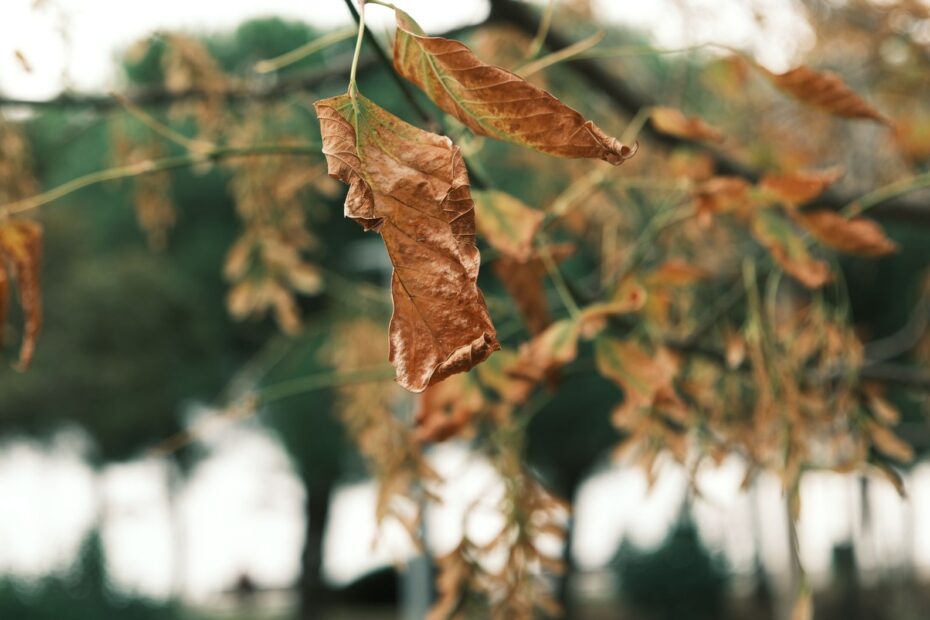
Drooping leaves often signal a breakdown in water balance that leaves cells without enough turgor pressure to stay firm. Dry soil, soaked roots, heat stress, pests, plant diseases, and harsh sunlight exposure can all produce sagging leaves. Your safest response is diagnosis before watering.
This coverage helps you trace wilt through soil moisture, plant roots, weather, containers, and visible damage, then choose a response that fits your plant and growing space.
Wilting Starts With Lost Cell Pressure
Firm foliage depends on water inside each cell. Water entering through plant roots presses against cell walls and creates turgor pressure, which holds stems upright and leaves full. Once that pressure drops, leaves bend and stems lose their usual strength.
Transpiration pulls water upward and releases water vapor through leaf openings called stomata. Your plant stays upright only while root uptake matches that loss. Wilt appears when water leaves foliage faster than roots can replace it.
Several disruptions can slow water movement
A tomato in dry July soil and a pothos in a soaked pot can show the same drooping leaves. The visible symptom matches, yet the cause sits at a different point in the water pathway. Your next step depends on finding that blockage.
- Dry root zone: Roots cannot draw enough moisture from soil that has dried beyond the active root area.
- Waterlogged mix: Saturated soil fills air pockets and leaves roots short of oxygen for respiration.
- Damaged roots: Root rot, compaction, transplant shock, and crowded roots reduce the surface available for water uptake.
- Fast leaf loss: Heat, wind, low humidity, and intense sunlight exposure can speed transpiration beyond root supply.
- Blocked xylem: Vascular plant diseases can interrupt the tissue that moves water through stems.
That shared mechanism explains why extra water can worsen a drooping plant. Your plant needs moisture only where moisture is missing; wet roots need oxygen and drainage instead.
Start With a Soil Test Instead of Watering
Dry topsoil can fool you, especially in a warm room or shallow container. Push a finger or wooden chopstick 2 to 3 inches into the growing mix near the root zone, not against the pot wall. That depth gives you a clearer view of the moisture reaching roots.
Move the plant away from blasting sun, a heating vent, or gusty wind while you inspect it. Leave fertilizer and heavy pruning alone until the cause is clear. Added salts and fresh wounds place more pressure on stressed roots.
A short observation record narrows the cause
- Feel root-depth soil: Dry crumbs point toward thirst, while cool dampness or sticky mud points toward excess water.
- Lift the pot: A light container suggests dry soil, while a heavy container suggests retained moisture.
- Review recent changes: Repotting, travel, a new window, fertilizer, or a heat wave can explain sudden droop.
- Inspect leaf undersides: Fine webbing, stippling, scale bumps, and sticky residue point toward pests.
- Watch daily timing: Afternoon collapse that eases overnight differs from wilt that deepens day after day.
Watering a plant with wet soil can speed root damage. Check below the surface before adding a single cup of water.
Those checks separate two common paths: soil that cannot supply water and soil that holds so much water that roots cannot absorb it. Your observations also help explain why is my plant wilting without relying on leaf position alone.
Dry Soil and Wet Soil Leave Different Clues
Pot weight, leaf texture, stem firmness, and root condition reveal more than drooping leaves alone. The chart below separates overwatered vs underwatered plant symptoms from heat stress, transplant shock, pests, and disease. Your diagnosis becomes more accurate once several clues point in the same direction.
| Cause | Soil feel | Leaf and stem clues | Root condition and timing |
|---|---|---|---|
| Underwatering | Dry several inches down; pot feels light. | Thin, limp, papery, or crisp leaves; stems stay firm until drought becomes severe. | Roots feel dry but firm; foliage may improve within hours after a deep soak. |
| Overwatering | Heavy, damp mix for several days. | Soft leaves, yellowing, dark spots, or soft lower stems. | Roots lose oxygen; recovery starts only after the root zone dries. |
| Root rot | Wet, dense, or sour-smelling mix. | Limp green or yellow leaves despite wet soil. | Brown, mushy roots may shed their outer layer; decline can continue after watering stops. |
| Heat stress | Moist or dry, depending on exposure. | Leaves slump during hot sun, wind, or low humidity; scorch can form on exposed tissue. | Roots stay firm; foliage may recover after shade and cooler evening air. |
| Transplant shock | Moisture varies after repotting or planting. | Droop follows disturbed roots, moved soil, or changed light. | Fine roots need time to regrow; recovery can take days or weeks. |
| Pest damage | Soil condition does not explain the wilt. | Stippling, webbing, sticky residue, bumps, or distorted new growth. | Roots may look healthy; damage centers on leaves, stems, or the soil line. |
| Vascular disease | Soil can remain moist. | One-sided wilt, yellowing, or sudden limp stems. | Brown tissue inside cut stems can signal blocked water movement. |
An underwatered plant lacks accessible moisture, so a slow, deep drink can restore firmness within several hours. Soil may pull away from pot edges, sending water down the sides instead of into the root ball. Soak slowly until the center of the mix feels evenly moist.
Overwatering starves roots of oxygen. Root rot, including rot linked to water molds such as Pythium, leaves roots unable to absorb water while the pot stays soaked. Your plant can look thirsty while sitting in standing moisture.
When soil moisture does not explain the pattern, the day’s heat and light often do.
Heat and Exposure Can Cause Afternoon Wilt
Leaves can slump on a bright patio while soil remains damp. Intense sunlight, high temperatures, wind, and low humidity speed transpiration so sharply that healthy roots cannot keep up for a few hot hours. This response is especially common in thin-leaved herbs and young container plants.
Your plant has a stronger chance of recovery where foliage firms after sunset or looks normal by morning. A basil plant in a black nursery pot can wilt at 3 p.m. and stand tall again at 8 p.m. after leaf water loss slows.
Persistent droop points beyond normal heat stress
Wilt that stays after cooler conditions calls for a closer look at soil moisture and roots. Brown scorch patches, dry edges, and bleached areas point toward excess direct light. Limp green leaves in wet mix point more strongly toward root trouble.
Cold can interrupt water movement too. A tropical houseplant beside winter glass or an air-conditioning vent can droop after a sharp temperature swing. Lower winter light slows water use, so your usual watering rhythm can leave the growing mix wet for too long.
Nighttime drooping alone does not prove damage. Some species lower leaves as part of daily movement, but soft stems, yellow leaves, or damp soil call for closer inspection. Your timing notes can separate temporary leaf movement from a worsening problem.
Persistent symptoms despite cooler conditions point away from temporary stress and toward impaired roots.
Wet Soil Can Starve Roots of Oxygen
A dense, sour-smelling pot holds too little air around plant roots. Roots need oxygen for respiration, and compacted soil or poor soil drainage blocks that oxygen even while water surrounds every particle. Water in the pot does not help roots that cannot function.
Your container needs open drainage holes and a saucer emptied after runoff stops. A pot far larger than the root ball also stays wet longer because unused soil holds moisture beyond the reach of active roots. Heavy decorative pots without drainage create the same problem.
Growing location changes the likely cause
Houseplants reveal root trouble through heavy pots, slow drying, and roots circling the container wall. Slide the root ball out only after soil clues suggest trouble. Healthy roots feel firm and appear pale, tan, or another color normal for that species.
Container plants outdoors face a different pressure. Heat can bake roots against dark plastic while the center of the pot remains wet. Your response may involve afternoon shade, a pot with drainage, or a looser growing mix rather than extra water.
In-ground garden plants suffer where clay stays saturated after rain or where construction compressed the soil. A shrub near a downspout can wilt from oxygen-starved roots while a nearby bed drains well and shows no symptoms. Soil drainage matters as much as rainfall totals.
Root-bound growth limits water uptake because circling roots cannot spread into fresh soil. Repot after roots fill the available space or the existing mix has broken down.
Pests, Disease, and Injury Cause Persistent Wilt
Wilt that continues after corrected moisture can signal damage inside the plant. Sap-feeding pests drain fluids, stem borers interrupt transport, and injured roots struggle to pull water into xylem. Your soil test rules out water error before you search for these less visible causes.
Spider mites leave pale stippling and fine webbing, while scale insects form fixed bumps along stems and leaf veins. Inspect leaf undersides, stem joints, and the soil line, where mealybugs and root pests can hide. A close look with a hand lens helps on small foliage.
Vascular disease leaves distinct warning signs
Fusarium and Verticillium are fungal diseases that obstruct xylem water transport. One-sided wilt, browned tissue inside a cut stem, and decline despite sensible moisture point toward a vascular problem rather than a basic watering error.
Bacterial wilt can move fast in warm conditions. Ralstonia solanacearum is one bacterial cause in susceptible crops, and it can leave stems limp while soil stays moist. Isolate a suspect plant from nearby pots until the cause becomes clearer.
Transplant shock can cause temporary droop after roots are disturbed. Herbicide injury can twist new leaves and deform growth, while fertilizer salts can collect as a white crust and make it harder for roots to draw in water through osmosis. Your plant needs stable conditions while damaged roots recover.
Inspect roots after 3 to 5 days of persistent wet-soil wilt, or sooner where stems darken and roots smell foul. Remove severely infected plants that fail to recover, and contact a local cooperative extension office for a disease diagnosis in garden beds. That step helps protect nearby plants from a spreading problem.
Match Recovery Steps to the Cause
Correcting the cause matters more than chasing every drooping leaf. Leaves damaged by crisp drought edges, rot, or sun scorch may never stand again. Healthy buds and surviving roots can still produce new growth.
Recovery follows the moisture diagnosis
- Rehydrate dry roots: Water slowly until the root ball is evenly moist and excess water drains from the container.
- Rewet dry mix: Soak a severely dry pot in shallow water for 15 to 30 minutes, then drain it fully.
- Pause wet-soil watering: Give saturated mix time to dry toward the species’ preferred moisture range.
- Improve air flow: Move the pot from a stagnant corner and empty standing water from its saucer.
- Inspect damaged roots: Trim soft, foul sections with clean tools, then repot in fresh, airy mix where rot is present.
- Delay fertilizer: Wait for new growth because stressed roots can burn from added salts.
Heat wilt can ease within hours after shade and cooler air return. A drought-stressed plant with intact roots can perk up by the next day. Root recovery takes days or weeks because new roots must grow before water uptake improves.
How to revive a wilted plant depends on preserving healthy tissue rather than forcing a rapid response. Your patience matters most after root trouble because repeated watering or repeated repotting can add another shock. New leaves offer a better measure of recovery than damaged old foliage.
Steady Conditions Reduce Repeat Wilt
A fixed watering day ignores the conditions that control water use. Larger pots dry more slowly than small pots, active summer growth uses more water than winter rest, and bright windows draw moisture faster than shaded shelves. Your watering rhythm should respond to those changes.
A moisture probe can help in deep containers, but a finger check and pot lift still reveal whether the center is wet or dry. Track weather, pot weight, and growth rate for two or three watering cycles. That record gives you a more reliable pattern than the calendar alone.
Stable growing conditions reduce stress
- Choose airy mix: Select a medium suited to your plant, with particles that leave air spaces around roots.
- Match pot size: Keep the root ball proportionate to the container instead of surrounding it with excess wet soil.
- Adjust light slowly: Increase sunlight exposure over several days so leaves can adapt without scorch or sudden water loss.
- Shield harsh exposure: Protect tender foliage from hot wind, reflected heat, and cold drafts.
- Flush excess salts: Run plain water through containers where fertilizer crust or saline water appears.
- Track repeat symptoms: Repeated droop calls for another look at roots, placement, and drainage before decline deepens.
What causes plants to wilt becomes clearer after you match timing, soil condition, and leaf clues. Your notes on a heat wave, recent repotting, or slow-draining mix can reveal the pattern before severe damage reaches the root system.
What to Remember
Drooping leaves are a water-balance alarm, not an instruction to water immediately. Check the root zone, separate dry soil from wet soil, and use timing to distinguish heat stress from deeper root or disease trouble. Your plant has its strongest recovery chance when the response matches the cause rather than the appearance alone.
FAQ
What causes plants to wilt?
Wilting happens when leaves lose water faster than plant roots can replace it. Dry soil, overwatering, root rot, heat stress, low humidity, pests, disease, transplant shock, and damaged stems can interrupt that balance. Your soil test and leaf clues point toward the right cause.
Is a wilting plant always underwatered?
No. A plant can wilt in dry soil, soaked soil, hot sun, cold drafts, or after root damage. Your plant needs water only where the root zone is dry; wet soil can mean roots lack oxygen or suffer from rot.
How can I tell whether my plant has been overwatered or underwatered?
An underwatered plant sits in light, dry soil and may have crisp edges or a pot pulling away from the mix. Your overwatered plant stays heavy and damp, with yellowing leaves, sour odor, fungus gnats, or soft brown roots.
Can a plant recover after wilting?
Wilt can improve where roots and vascular tissue remain healthy. Your plant can regain firmness within hours after shade or water corrects a short-term problem, but leaves damaged by drought, rot, scorch, or disease may stay limp even as new growth returns.
How can I fix a wilting plant without making the problem worse?
Start with soil at root depth rather than the dry surface. Your plant needs a slow, thorough watering only where the root zone is dry; wet soil calls for a pause in watering, better drainage, airflow, and a root inspection where droop persists.
What does root rot look like, and can it cause wilting?
Root rot leaves roots brown, soft, mushy, or foul-smelling, and their outer layer can slip away. It can cause wilt because damaged roots cannot absorb water even while soil remains wet. Your plant may look thirsty in a heavy pot.