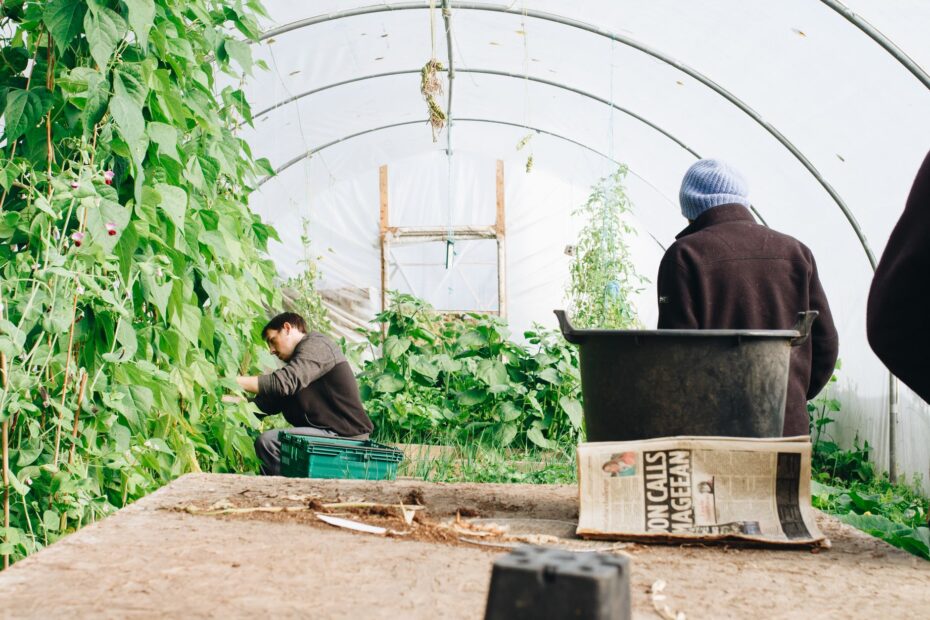
A 50°F soil reading, the last spring frost, and each variety’s maturity window determine when crops go into a local garden. Your garden does not follow fixed monthly boxes. Tomatoes can stall in 52-degree soil, even after a warm April afternoon makes the air feel ready.
Your local weather, seed packets, bed conditions, and available space shape a workable plan for vegetables, herbs, flowers, bulbs, and perennials across the growing year.
Four Local Signals Shape Every Planting Window
A calendar date tells only part of the story. Your planting window rests on four signals: the last spring frost date, the first fall frost date, soil temperature, and each crop’s cold tolerance and maturity time.
Broad advice about what month to start a vegetable garden can point you in a useful direction, but your ZIP code changes the answer. March can suit peas in one yard while a nearby garden remains frozen, muddy, or exposed to repeated overnight frost.
Frost Dates Give You a Starting Point
Average frost dates mark periods where freezing weather becomes less or more probable. They give you an anchor for a vegetable planting calendar, yet a late cold snap can still arrive after the average spring date.
Your frost-free growing season runs between those two average markers. A short season pushes you toward quick crops, transplants, and careful fall math, while a long season leaves more room for repeated sowings.
Crop Biology Changes the Date
Peas and spinach tolerate chilly weather that can damage basil or peppers. Days to maturity answer a separate problem: whether your crop has enough time to reach harvest before summer heat, fall frost, or shorter daylight slows growth.
Planting dates are probability windows, not safe deadlines. Check the seven-to-ten-day forecast before setting tender plants outdoors.
Frost Dates Set a Framework Rather Than an Exact Deadline
That probability matters most near the edges of your growing season. Find average frost dates through a planting calendar by ZIP code, a county extension office, or records from a nearby weather station with similar elevation.
Hardiness maps answer a different question. The Plant Hardiness Zone Map sorts locations by average winter cold, which helps you judge perennial survival, but it does not tell you whether bean seeds will sprout in wet spring soil.
| Local factor | How conditions shift | Your response |
|---|---|---|
| Hilltop site | Cold air drains away faster | Watch local low temperatures before planting tender crops |
| Low pocket | Cold air settles and frost lingers | Plant tender crops later or cover them overnight |
| South-facing wall | Stored heat warms nearby soil | Use it for slightly earlier herbs or transplants |
| Coastal yard | Water moderates temperature swings | Expect slower spring warming and milder autumn weather |
| Containers | Roots cool and dry faster than in-ground beds | Move pots during cold nights and check moisture |
Your yard can differ from a weather station only 3 miles away. Raised beds warm faster, shaded ground stays cold longer, and an urban brick patio can hold enough heat to alter a marginal frost night.
Microclimates explain those differences. A low frost pocket can remain several degrees colder than a raised bed, while wet soil near a shaded fence can stay chilly long after exposed soil has dried.
Because frost dates only indicate risk, cold soil and tender crops demand closer timing.
Crop Tolerance and Soil Temperature Narrow the Calendar
Air can reach 70 degrees for an afternoon while soil remains cold, saturated, and slow to germinate seeds. Direct sowing responds more to soil temperature than to a pleasant forecast.
Soil temperature matters because seeds absorb water before germination starts. Cold, wet ground slows that process, raises the chance of seed rot, and leaves young roots unable to move through compacted soil.
Cool-Season Crops Use Cold Spring Soil
Peas, lettuce, spinach, kale, broccoli, radishes, and carrots belong in the cool-season group. You can sow or transplant much of this group before the average last frost date, once soil is workable rather than sticky and waterlogged.
Peas germinate near 40 degrees, while lettuce and spinach begin near 40 to 45 degrees. Carrots can emerge in cool ground, though their pace improves as soil reaches about 50 degrees.
Warm-Season Crops Need Stored Ground Heat
Tomatoes, peppers, beans, squash, cucumbers, corn, and basil suffer from cold roots even without visible frost. Wait until frost risk has passed and the ground has warmed steadily for several days.
| Crop | Useful soil temperature | Planting approach |
|---|---|---|
| Peas | 40 degrees or warmer | Direct sow in cool spring soil |
| Lettuce | 40 to 70 degrees | Direct sow or transplant |
| Carrots | 50 to 75 degrees | Direct sow in loose, moist ground |
| Beans | 60 degrees or warmer | Direct sow after soil dries and warms |
| Corn | 60 degrees or warmer | Direct sow in consistently warm beds |
| Cucumbers and squash | 65 degrees or warmer | Direct sow or set transplants after warm nights |
A soil thermometer gives you a truer signal than afternoon air. Check 2 to 4 inches deep for several mornings, because one warm day does not warm a cold, wet root zone.
Herbs follow the same split. Cilantro and parsley accept cool weather, while basil waits for warmth. Annual flowers vary by species; perennials and bare-root shrubs go into workable soil during dormancy, while garlic and spring bulbs go in during autumn for root growth before winter.
Seeds and Transplants Follow Different Seasonal Clocks
Long-season plants gain time indoors, but a warm indoor shelf does not make a tomato cold hardy. Transplanting moves growth ahead; it does not change a crop’s temperature limits outdoors.
| Crop group | Common method | Timing cue |
|---|---|---|
| Peas, beans, carrots, radishes | Direct sow | Plant into suitable outdoor soil |
| Lettuce, kale, broccoli | Direct sow or transplant | Use cool-season windows |
| Tomatoes, peppers, eggplant | Indoor start or transplant | Set out after warm soil and a safe forecast |
| Cucumbers and squash | Direct sow or young transplants | Move outdoors after soil reaches 65 degrees |
| Onions and leeks | Indoor start or purchased transplant | Set out during cool spring weather |
Seed packets turn crop biology into calendar math. Language such as “start indoors four to six weeks before the last frost” tells you to choose an outdoor transplant date, count backward, then reserve 7 to 10 days for hardening seedlings off.
Your indoor seed starting schedule should favor crops with long maturity times. Peppers need a long runway in many climates, while radishes grow quickly outdoors and their roots dislike disturbance from indoor starts.
Harden seedlings by giving them increasing outdoor exposure across 7 to 10 days. Sudden full sun and wind can scorch leaves even during frost-free weather.
A ZIP-Code Calendar Works Through Crop-Specific Math
Dates become useful only after each crop receives its own instructions. Start with a short list, because six well-timed crops teach you more than 25 varieties planted on the same weekend.
- Record frost dates. Write your local spring and fall frost averages on a paper calendar.
- List your crops. Include vegetables, herbs, flowers, garlic, and perennial starts you want in your yard.
- Sort by tolerance. Mark each item as cool-season, warm-season, fall-planted, or dormant-season.
- Choose a method. Label each crop direct sow, indoor start, or purchased transplant.
- Add maturity days. Copy days to maturity from every seed packet beside the planting date.
For a tomato, choose an outdoor date 1 to 2 weeks after your average last frost. Then check that nighttime lows remain mild, soil has warmed near 60 degrees, and no cold front appears in the short-term forecast.
Fall crops run backward from the first fall frost date. A 55-day broccoli variety needs 55 days to maturity plus a 10-to-14-day buffer, because reduced daylight slows growth during the fall harvest window.
Your notes matter after the calendar math ends. Write down actual sowing, transplanting, and harvest dates, then compare them across two or three seasons. Those records reflect your drainage, shade, wind, raised beds, and microclimates better than a general planting calendar by ZIP code.
Once those patterns are tracked, protection and site choices can create useful weeks at either edge.
The Growing Season Extends From Both Ends
Those personal records show where a few protected days matter. Row cover can keep light frost off greens, while a cold frame turns a sunny winter day into a small pocket of usable warmth.
The Year Moves in Overlapping Waves
- Late winter. Start slow peppers, onions, and leeks indoors where your season is short.
- Early spring. Sow peas, radishes, spinach, lettuce, and carrots into workable soil.
- Post-frost summer. Plant tomatoes, beans, corn, cucumbers, squash, basil, and peppers.
- Late summer. Sow fall greens, roots, and brassicas with backward maturity math.
- Autumn planting. Plant garlic and spring-flowering bulbs before the ground freezes hard.
Raised beds, dark mulch, row covers, and south-facing spots can shift a planting window by days or a few weeks, not by an entire season. You still need to protect tender plants during frost alerts.
Late tomatoes, peppers, and winter squash need a hard calculation. Count maturity days against your remaining warm weather, then add time for slow early growth. Beans can still fit late in some places, while fall greens tolerate cool nights far better.
Perennials Follow a Different Growth Pattern
The three-year rule describes establishment, not annual planting dates. Perennials can “sleep, creep, leap,” with modest growth in year one, stronger root and shoot growth in year two, and fuller size in year three.
Your perennial bed needs patience rather than an earlier calendar slot. Water deeply during dry spells and leave enough room for mature width, since crowding hides a slow start rather than fixing it.
Succession Planting Spreads Out Harvests
One large sowing of lettuce can turn into one large harvest, followed by an empty bed. Succession planting spaces small batches apart so your kitchen receives crops in a steadier stream instead of one short flood.
| Crop | Repeat interval | Season adjustment |
|---|---|---|
| Radishes | Every 7 to 10 days | Pause during severe summer heat |
| Lettuce and arugula | Every 10 to 14 days | Use shade cloth during hot spells |
| Carrots | Every 14 to 21 days | Stop before the remaining season becomes too short |
| Cilantro | Every 2 to 3 weeks | Resow more during cool weather |
| Bush beans | Every 2 to 3 weeks | End sowing before cold weather limits maturity |
| Summer squash | One later sowing | Use fresh plants after older vines decline |
Spring spinach can leave room for beans, basil, or cucumbers after harvest. Spent beans and squash can then leave space for kale, turnips, radishes, or lettuce as nights cool.
Match each repeat sowing to your bed space and harvest length. Your final bean planting needs enough warm days to flower and fill pods, while a final arugula sowing can work close to frost under light cover.
Flexible Decisions Avoid Costly Timing Errors
A generic date fails the moment soil stays saturated or a late cold front arrives. Seasonal planting timing works as a live plan that responds to the ground and forecast in front of you.
- Late planting. Choose fast radishes, bush beans, baby greens, or compact zucchini rather than forcing a long-season crop.
- Warm spring spell. Wait for steady soil warmth before planting peppers, melons, or basil into cold ground.
- Waterlogged beds. Stay out of sticky soil, since walking or digging compacts root space for months.
- Delayed seedlings. Start again with fresh seed or purchase healthy transplants sized for your remaining season.
- Frost warning. Cover tender crops before sunset with fabric row cover, then uncover after temperatures rise.
The most common first-time gardener mistake is following a month-based chart without checking frost probability, soil condition, crop maturity time, and forecast risk. Your April can be too cold for beans, while a neighbor’s protected raised bed is ready.
The so-called three-hour gardening rule is not a planting-date standard. It refers loosely to a site with several hours of sun, yet crop labels, moisture, soil temperature, and local weather tell you far more about planting time.
Start your personal calendar with local frost dates, a soil thermometer or local soil report, and a short crop list. That set of facts gives you a usable schedule before seed packets and changing weather fill in the details.
What to Remember About Local Planting Dates
Your calendar succeeds because it follows conditions rather than obeying a printed month. Use frost averages to mark the season, soil temperature to time sowing, crop tolerance to avoid cold damage, and maturity days to protect your harvest window.
Then record what happened in your own yard and adjust the next planting round with evidence. Seasonal planting timing becomes more accurate as your notes reveal how your beds respond to frost, shade, rainfall, and summer heat.
FAQ
How does seasonal planting timing work?
Local frost dates, soil temperature, plant tolerance, and maturity days determine when each crop should be planted. You start with average frost dates, then adjust for soil warmth, forecast conditions, and the microclimates in your yard.
What is the difference between a hardiness zone and a frost date?
A hardiness zone describes average winter cold and helps with perennial survival. Frost dates estimate the periods where freezing weather becomes less or more probable, so they are more useful for annual vegetable timing.
At what point should cool-season and warm-season vegetables go outdoors?
Cool-season crops can go into workable soil before the average last frost date. Warm-season vegetables such as tomatoes, beans, peppers, squash, and cucumbers wait until frost danger has passed and soil has warmed steadily.
Why does soil temperature matter before planting seeds or transplants?
Soil temperature affects germination and root growth. Cold, wet soil can slow seeds, raise the chance of rot, and stall warm-season transplants even though daytime air temperatures feel mild.
What month should you start a vegetable garden in your area?
No single month fits every US garden. Your last frost date, first fall frost date, soil condition, crop choice, and local microclimates decide whether March, April, May, or another month fits your planting plan.
How do you calculate an indoor seed-starting date?
Choose your outdoor transplant date, count backward with the seed packet’s indoor-start range, and reserve 7 to 10 days for hardening off. Your transplant date still needs to match the crop’s frost tolerance and soil-temperature needs.