Gardeners reach for fish emulsion when they want lush growth without synthetic salts, and the category has quietly grown crowded. You can spend a little on a quart or commit to a five-gallon pail that lasts a full season, and the choices blur fast. Whether you’re coaxing tomatoes along a balcony railing or feeding a full vegetable plot, the right blend of nitrogen, phosphorus, and trace minerals makes a real difference in color, fruit set, and root strength. These ten picks cover the practical range: small bottles for beginners, concentrated gallons for heavy feeders, organic-certified options for strict gardens, and balanced formulas that pair fish with seaweed or kelp. Use the guide below to match your soil, your plants, and your watering routine to a fertilizer that earns its space in the shed.
The Essentials At A Glance
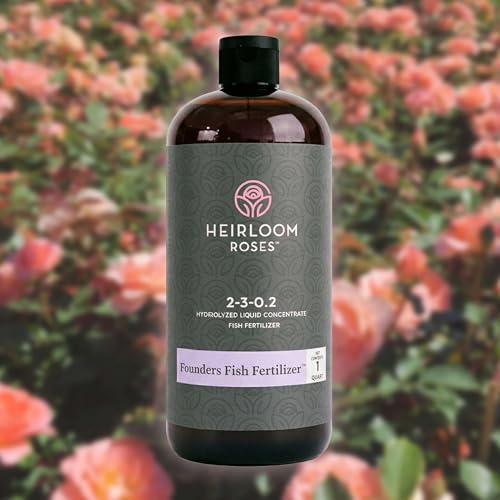
Heirloom Roses Founder’s Fish Fertilizer 32 Fl Oz

Central Garden & Pet Alaska Fish Fertilizer Gallon

BioBizz Fish-Mix Organic Fish Emulsion 1L

The Grow Co Organic Fish Fertilizer 1 Gallon

Neptune’s Harvest Fish & Seaweed Fertilizer 5 Gallon
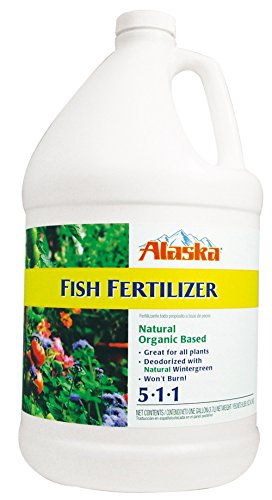
Alaska Fish Emulsion Fertilizer 5-1-1 1 Gallon

Neptune’s Harvest Tomato & Vegetable Fertilizer Quart 2-Pack
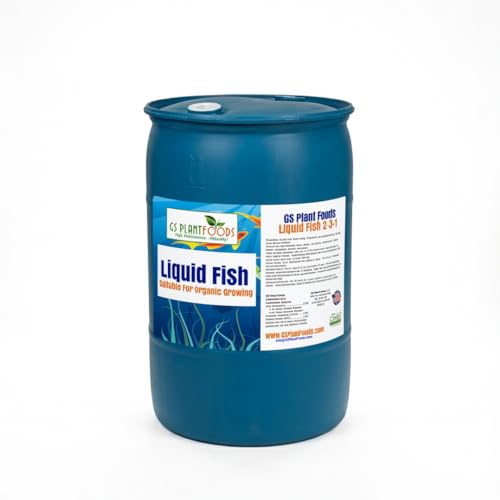
GS Plant Foods Liquid Fish Fertilizer 55 Gallons

TPS Nutrients Fish Emulsion Fertilizer 8 oz

GS Plant Foods Liquid Fish & Kelp Fertilizer 55 Gallons
What Each Pick Brings To The Table
Built specifically for rose growers who want more blooms without synthetic salts, this 32-ounce bottle leans on acidulated fish solubles stabilized with phosphoric acid. The blend feeds mycorrhizal fungi, the network of beneficial soil organisms that help roots pull in nutrients, which in turn supports stronger flower color and bud set on rose canes and tomato vines alike. Where bulk gallons suit a market garden, this format slips easily into a kitchen cabinet for small backyards.
Compared to the workhorse Alaska gallon farther down the list, this formula is narrower in scope, and that’s actually the point. You measure it for the plants that matter most rather than broadcasting it across the whole plot.
Notable Upsides
- Targets the two crops gardeners most often fuss over: roses and tomatoes
- Promotes soil biology, which improves long-term nutrient uptake
- Small bottle keeps fresh stock on hand without waste
- Acidulated base helps in slightly alkaline soils
Things To Consider
- Stronger fish aroma than wintergreen-masked options
- Higher per-ounce cost than bulk gallons
Who It Suits Best
Beds dominated by roses or a kitchen-garden tomato patch will get the most from the targeted formula and the smaller serving size.
Consider Something Else When
The Alaska 5-1-1 gallon makes more sense for mixed borders where every shrub needs the same mild feed.
This gallon jug carries the Alaska name that’s been a standby in garden sheds for decades, packaged here by Central Garden & Pet for general feeding. The format rewards gardeners who mix up a watering-can batch every weekend and want enough on hand to skip constant refills. You dilute, pour, and move on, and the gallon sees most small plots through an entire growing season.
It sits a step below the 5-1-1 Alaska concentrate reviewed later, leaning toward people who want a familiar base feed for beds and containers rather than a specialized bloom formula. For mixed borders, the broad profile beats a crop-specific blend.
The Upside
- Generous gallon size cuts down on shopping trips
- Recognized brand with a long track record in home gardens
- Suitable for vegetables, ornamentals, and container plants alike
Worth Noting
- Less crop-specific than Heirloom Roses or Neptune’s Harvest blends
- Larger bottle needs cool, dark storage between feedings
Made For
Vegetable plots and mixed flower borders that need steady feeding without specialized ratios will find this gallon practical and forgiving.
Where Another Pick Suits Better
Tomato growers chasing higher fruit-set should look at the Neptune’s Harvest Tomato & Vegetable quart 2-Pack instead.
BioBizz built Fish-Mix around two soil-conditioning ingredients: an organic fish emulsion drawn from North Sea catch and a horticultural extract of Dutch sugar beet. The combination is designed to feed the microbial life in your substrate, the bacteria and fungi that break down organic matter into forms roots can absorb. That microbial angle makes this 1-liter bottle especially useful for indoor gardens and small greenhouses, where soil biology can stall without regular feeding.
The 1-liter format suits growers who mix small batches for houseplants or seedling trays, though for outdoor plots you’ll go through it quickly. Pairing it with the higher-phosphorus Neptune’s Harvest Tomato & Vegetable quart during fruiting gives a more complete feed schedule.
What Works In Its Favor
- Stimulates beneficial bacteria in soilless and peat-based mixes
- Recognized in organic cultivation circles
- Liquid format mixes easily into watering cans and feed charts
Trade Offs
- Smaller bottle drives up per-liter cost
- Distinct aroma lingers in enclosed rooms during feeding
Best Suited To
Indoor growers, microgreen setups, and small herb gardens that benefit from a microbial boost will appreciate this 1-liter option.
Skip It When
You feed a large outdoor vegetable patch, where the Neptune’s Harvest 5-gallon pail or The Grow Co gallon makes more practical sense.
The Grow Co processes its fish emulsion through cold pressing rather than heat-based extraction, and that matters for nutrient retention. Heat can degrade amino acids and vitamins, so the cold-press method aims to keep the full nutritional profile intact, including the trace amino acids plants use during fruit and flower development. For gardeners growing food crops where quality matters, that processing choice is the headline feature.
The gallon bottle covers a typical backyard vegetable garden or a small orchard. Unlike the Heirloom Roses 32-ounce specialty blend earlier, this one spreads across multiple crop types without complaint.
Useful Strengths
- Cold-press process preserves heat-sensitive nutrients
- Sourced from sustainable fish with full byproduct use
- One-gallon format handles a full backyard through the season
- Suits vegetables, fruits, and flowering ornamentals
Room For Improvement
- No deodorizing agent, so expect a true fish smell at mixing time
- Heavier jug to haul from the car to the shed
Who Will Love This
Edible-landscape growers and home orchardists who prioritize nutrient-dense produce will appreciate the cold-press approach and gallon volume.
A Better Fit Elsewhere
Container herb gardeners should consider the TPS Nutrients 8-oz bottle, which handles small watering cans without waste.
Neptune’s Harvest blends its fish emulsion with cold-water seaweed at a 75/25 ratio, and the seaweed is what sets this 5-gallon pail apart from single-ingredient options. Seaweed contributes natural hormones and trace elements, including cytokinins and alginates, that fish alone doesn’t deliver, which broadens what each feeding accomplishes. The 2-3-1 NPK ratio is mild enough for steady use through the entire growing cycle without pushing excessive leaf growth at the expense of fruit.
The 5-gallon format suits serious gardeners managing multiple beds, lawns, or container groupings through summer. Compared to the single gallon options earlier, the per-gallon cost drops substantially, though you’ll need a cool storage spot and a hand pump to dispense comfortably.
A Few Highlights
- 75% fish, 25% seaweed blend delivers broader nutrition than single-source formulas
- 2-3-1 ratio works for vegetables, flowers, trees, and lawns
- 5-gallon pail lowers cost per feeding over a full season
- Indoor and outdoor flexibility
Points To Note
- Pail is heavy to move once full
- Strong aroma at mixing time without wintergreen masking
Perfect Match For
Heavy feeders running a full kitchen garden, a small orchard, or a mixed lawn-and-bed property through summer.
Reach For A Different Pick When
Tight storage or a small balcony garden calls for the TPS Nutrients 8-oz bottle, which keeps things simple.
The Alaska 5-1-1 concentrate has long been the entry point for gardeners new to fish emulsion, and the natural wintergreen scent is the immediate giveaway. Where most fish emulsions smell distinctly oceanic, this one carries a minty note that softens the odor at mixing time, which matters if you’re pouring feed close to a porch or patio. The 5-1-1 ratio also leans nitrogen-heavy, so it pushes leafy greens and lawn turf without overdoing phosphorus for flowering crops.
Forgiving on application rates and tough enough for both indoor and outdoor use, this gallon suits gardeners who want a single product for everything. Compared to the cold-press Grow Co gallon, the heat-based extraction makes this a slightly less nutrient-dense option, though the deodorizing trade-off wins for many.
Real-World Strengths
- Wintergreen scent softens the characteristic fish odor
- Won’t burn plants when used as directed
- One-gallon jug suits all indoor and outdoor plants
- Higher nitrogen ratio favors leafy greens and turf
Honest Caveats
- 5-1-1 ratio is high in nitrogen, less ideal for fruiting crops that need more phosphorus
- Heat extraction may reduce some amino acid content versus cold-pressed options
Right Fit For
First-time users feeding a mixed collection of houseplants, vegetables, and lawn patches in one routine will find this jug dependable.
Another Choice May Suit
Tomato beds and fruiting vegetables benefit more from the Neptune’s Harvest Tomato & Vegetable quart 2-Pack.
This Neptune’s Harvest formula is built around the “vegging” stage of tomatoes and fruiting crops, with a 2-4-2 ratio that bumps phosphorus above nitrogen to support flower set and root development. The ingredient list stretches beyond fish and seaweed: molasses feeds soil microbes, yucca extract helps the liquid spread evenly across foliage, and humic acids improve nutrient availability. Two quarts in the pack means a full feeding cycle for a serious tomato patch without rushing to reorder mid-season.
Where the Alaska 5-1-1 concentrate leans leafy, this formula prioritizes the flowering and fruiting phase. Pairing it with the broader 2-3-1 Neptune’s Harvest 5-gallon pail during early vegetative growth creates a more complete program.
Strengths Worth Knowing
- 2-4-2 ratio matches fruiting-stage phosphorus needs
- Includes molasses, yucca extract, and humic acids for broader soil support
- Two-quart pack covers a full fruiting cycle
- Targets tomatoes, vegetables, and houseplants equally well
Points To Keep In Mind
- Not designed for the leafy-green vegetative stage, so a separate early-season feed helps
- Strong aroma when mixing compared to wintergreen-masked products
Built With In Mind
Tomato growers, pepper gardeners, and anyone running a fruiting-vegetable rotation through summer.
Look Elsewhere When
All-purpose feeding across lawns and ornamentals calls for the Alaska 5-1-1 gallon instead.
GS Plant Foods puts its hydrolyzed fish fertilizer in a 55-gallon drum aimed squarely at small farms, market gardeners, and serious landscapers. Hydrolysis breaks the fish down using enzymes rather than heat, a process that retains amino acids and proteins in forms plants can use quickly. The drum is Organic Materials Review Institute listed, which matters if your operation needs verified inputs for certified-organic status.
This is overkill for a backyard gardener, and the practical storage requirements alone put it out of reach for most home users. If you’re feeding a small CSA, a greenhouse operation, or several acres of lawn, the bulk pricing offsets the drum handling challenge.
Everyday Perks
- Organic Materials Review Institute listed for certified-organic operations
- 2-3-1 hydrolyzed formula retains amino acids and proteins
- 55-gallon drum lowers per-gallon cost for heavy feeders
- Works across gardens, lawns, and container setups
Small Caveats
- Drum requires pumps, transfer equipment, and dedicated storage space
- Excessive volume for typical backyard use
Whose Shelf It Belongs On
Small farms, market growers, and landscape professionals running regular feeding across substantial acreage.
Swap It Out When
Home gardeners should choose the Neptune’s Harvest 5-gallon pail for bulk without commercial-scale logistics.
The TPS Nutrients 8-ounce bottle is sized for gardeners who want to try fish emulsion without committing to a quart or gallon that might lose potency sitting half-used in the shed. Built around salmon-derived emulsion, this concentrated drop targets root development and steady foliage growth in both indoor and outdoor settings. For a balcony herb collection, a windowsill of houseplants, or a small raised bed, the bottle’s small footprint and lower per-bottle cost make the experiment easy.
It won’t carry a serious vegetable plot through a season, and you’d run out mid-summer on a backyard garden, which is where the larger gallons earn their keep. Use this format to learn your plants’ response before scaling up to a jug.
Good Reasons To Consider
- 8-oz bottle fits any kitchen cabinet or utility drawer
- Salmon base supports root systems and steady growth
- Low commitment for first-time fish emulsion users
- Suits herbs, houseplants, and small raised beds
A Few Limitations
- Too small for a full backyard garden through the season
- Higher per-ounce cost than gallon formats
Who Should Grab It
Curious beginners, renters with balcony planters, and indoor herb growers who want to try fish emulsion in small doses.
Not Your Match When
You manage a full vegetable patch, where the Alaska 5-1-1 or The Grow Co gallon handles the workload far better.
This drum pairs North Atlantic kelp, specifically Ascophyllum nodosum, with fresh fish hydrolysate in a blend built around the strengths of both ingredients. Kelp contributes natural growth hormones like cytokinins and auxins that fish alone doesn’t supply, while the hydrolysate brings the nitrogen and phosphorus baseline. Organic Materials Review Institute listing confirms the inputs qualify for certified-organic use, which matters if you’re selling produce or maintaining strict garden standards.
The format mirrors the GS Plant Foods pure-fish drum, and choosing between the two comes down to whether your soil benefits more from added kelp biology or a straight fish feed. For mixed vegetable and flower beds, the kelp-plus-fish blend often outperforms a single-ingredient feed.
Advantages To Know
- Kelp and fish blend delivers broader nutrition than single-source formulas
- Organic Materials Review Institute listed for certified-organic operations
- 55-gallon drum supports commercial-scale feeding
- Suits vegetables, flowers, and shrubs equally
Things To Weigh
- Drum requires pumps and dedicated storage space
- Overkill for backyard gardeners feeding small plots
The Right Fit
Small farms and market gardeners feeding vegetable beds, flower fields, or shrub rows through a full season.
Where A Sibling Pick Shines
Backyard growers wanting similar kelp benefits in a manageable size should consider the Neptune’s Harvest 5-gallon pail, which delivers a comparable 75/25 fish-to-seaweed blend.
Reading The Label Before You Commit
NPK ratios tell part of the story, but not all of it. The three numbers on any fertilizer, nitrogen (N), phosphorus (P), and potassium (K), describe the macronutrient blend, and they matter most when matched to growth stage. Leafy greens and lawns thrive on higher nitrogen numbers like the Alaska 5-1-1, while fruiting crops like tomatoes and peppers respond to bumped phosphorus in formulas like Neptune’s Harvest’s 2-4-2. Cold-press processing retains amino acids and vitamins that heat extraction can strip away, though heat-processed options often trade some nutritional depth for a milder wintergreen scent that makes mixing easier.
Cold-water kelp, often listed as Ascophyllum nodosum, contributes natural growth hormones including cytokinins and auxins, plus trace minerals that broaden what each feeding does. Hydrolyzed fish, broken down by enzymes rather than heat, retains proteins and amino acids in plant-available forms. Organic Materials Review Institute (OMRI) listing confirms the inputs meet organic standards, which matters if your operation depends on certification. These certifications matter most when selling produce or maintaining a strict garden protocol, less so for casual backyard feeding.
Format choice comes down to how much ground you’re covering and how often you feed. Quart or gallon jugs suit backyard plots, while 5-gallon pails and 55-gallon drums fit small farms and landscape operations. Storage temperature matters across all formats; fish emulsion breaks down faster in heat and direct sunlight, so a cool shed or garage shelf extends shelf life. Mixing ratios vary by product, so follow the label rather than estimating, since over-concentrated fish emulsion can burn foliage even at gentle NPK levels.
For organic certification, OMRI-listed products meet the National Organic Program standard. Hydrolysis uses enzymes to break proteins into plant-available amino acids. Cytokinins and auxins are natural plant hormones that kelp contributes, supporting cell division and root development. Cold-press extraction avoids heat that can degrade sensitive nutrients, preserving more amino acids than heat-based methods.
Key Considerations Across These Picks
Mistakes Worth Dodging
Picking the highest NPK ratio without matching it to your growth stage wastes fertilizer and can stall flowering in fruiting crops. Tomatoes and peppers fed heavy nitrogen produce lush leaves and minimal fruit, so the 2-4-2 ratio suits them far better than the Alaska 5-1-1. Reading the label before you commit prevents this common mismatch.
Overbuying volume creates its own problem. Fish emulsion loses potency over time, especially in warm sheds, and a half-used gallon sitting through winter delivers weaker results next spring. Sizing your purchase to a single season’s use keeps stock fresh and active. Storage in a cool, dark spot slows the breakdown considerably.
What The Higher Tier Buys
Premium-tier drums and organic-certified formulas cost more per gallon but bring measurable advantages. Organic Materials Review Institute listing matters for certified-organic farms and gardeners selling produce, where non-listed inputs disqualify harvests. Hydrolyzed processing retains amino acids and proteins that heat methods lose, so the nutritional content per ounce runs higher, even when the NPK ratio on the label looks similar. Bulk drums lower per-gallon cost substantially, though they only make sense for operations with the storage space, transfer pumps, and feed volume to use them before freshness fades.
Frequently Asked Questions
How often should fish emulsion be applied to vegetables?
Most fish emulsions work on a two-to-four-week feeding cycle during the active growing season. Always check the specific product’s dilution rate, since concentrated formulas like Alaska 5-1-1 need more water than gentler blends.
Can fish emulsion burn plant leaves?
Diluted properly, fish emulsion is gentle and won’t burn foliage. Applying it undiluted or in hot midday sun can scorch leaves, so early morning or evening feedings reduce that risk.
What’s the difference between fish emulsion and fish hydrolysate?
Fish emulsion is processed with heat and typically deodorized, while hydrolysate uses enzymes to break down proteins and retains more amino acids. Hydrolysate carries a stronger odor and is often preferred for soil biology.
Is fish emulsion safe for edible crops?
Yes, fish emulsion is widely used on vegetables, fruits, and herbs. Rinsing produce before eating is standard practice regardless of fertilizer type, since foliar residues can linger after feeding.
Do I need to refrigerate fish fertilizer after opening?
Refrigeration isn’t required, but storing in a cool, dark place below 70°F extends shelf life. Heat and direct sunlight accelerate nutrient breakdown and odor development.
The Takeaway
Your garden’s size, your crop mix, and your tolerance for fishy aromas together point to one of these ten picks. Small bottles and quarts fit beginners and small spaces, gallons handle typical backyard plots, and drums serve serious operations. Match the NPK ratio to your growth stage, pick a scent profile you can live with, and you’ll find a fish emulsion that earns a permanent spot in your shed.