A reliable Mantis XP tiller handles tight garden rows and stubborn sod that bigger machines can’t reach. Eventually, though, the recoil cord frays, a tine wears down, or a clutch slips. This lineup gathers eight practical replacement parts and add-ons that extend the life of a small gas tiller, from starter rebuilds to dethatcher attachments. Most are OEM (Original Equipment Manufacturer, meaning made by the brand itself, not a third party) so the fit stays honest, and a couple target specific Mantis model lines for shoppers running older iron.
The Lineup, Simplified

Genuine OEM Mantis Tiller Recoil Starter Assembly

Mantis Tiller R.H Tine Wheel Assembly

Mantis Tiller Tilling/Cultivating Tines (1 Pair)
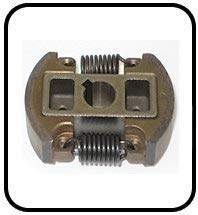
Mantis Tiller Clutch Assembly

Mantis 1722 Power Tiller Weed Reducers for Gardening
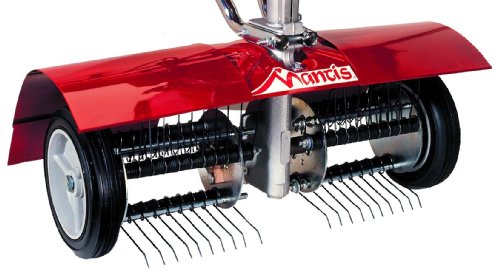
Mantis 5222 Power Tiller Dethatcher Attachment

Original Mantis Gearbox Assembly

Mantis Tiller Throttle Trigger Assembly # 400215
The Strengths Of Each Pick
A worn recoil starter is the most common reason a Mantis XP tiller sits dormant in the shed. This OEM replacement pulls the spring housing, pulley, and cord as a single matched assembly, so a tired pull-start that snaps mid-crank can be swapped without improvising with hardware-store rope. Coverage spans a healthy slice of older two-cycle Mantis models, including the 7222, 7222E, 7225, and 7720.
For gardeners who already keep a small engine toolkit in the garage, the swap typically takes under an hour once the housing screws are accessible. The payoff is a starter that behaves like a fresh tiller should, with consistent spring tension and a cord that doesn’t fray after a season of hard pulls.
Real-World Strengths
- Genuine OEM construction means tolerances match Mantis housings without shimming
- Single-assembly swap cuts repair time compared to piecing a spring and rope together
- Compatible across multiple popular two-cycle Mantis model numbers
- Restores smooth pull-action on tillers with weak or frayed cords
- Avoids the gamble of third-party starter kits that bind or over-spin
Things To Consider
- Only fits two-cycle Mantis units, so four-cycle owners should look elsewhere
- Requires basic small-engine disassembly skills and a clean work surface
- Some users report the included cord length runs shorter than the original on certain models
Key Specs
Who It Suits Best
Two-cycle Mantis owners with a tiller that pulls hard, snaps cord, or fails to retract, comfortable doing small-engine teardown in a workshop.
Look Elsewhere When
A Mantis Tiller Throttle Trigger Assembly # 400215 is the better choice for legacy units with a working starter but a sticky throttle linkage.
Mantis tillers use a matched pair of tine wheels, and replacing only the worn side keeps the geometry balanced. This right-hand wheel assembly is the matching half of that pair and is designed to fit across the full Mantis tiller lineup, which simplifies the hunt for the correct wheel when one side goes south before the other.
When a wheel cracks from hitting a buried rock or the tines curl out of true, the tiller starts pulling sideways during use. Swapping just the damaged side restores straight tracking and saves the cost of replacing a wheel that still has plenty of life left.
Features That Help
- Universal fit across the Mantis tiller range simplifies the parts search
- Right-hand only format lets you replace the worn side without buying a pair
- Restores balanced tilling and straight-line tracking
Room For Improvement
- Single wheel means damaged left side requires a separate purchase
- Replacing a tine wheel typically means partial gearbox access on older units
Made For
Mantis owners whose tiller tracks sideways because one wheel is bent, cracked, or unevenly worn.
Swap It Out When
The Mantis Tiller Tilling/Cultivating Tines (1 Pair) is a better pick when the tines themselves are dull rather than the wheels.
Tines take the worst beating on any tiller, so a fresh pair is the single biggest performance upgrade short of buying a new machine. This Mantis tilling and cultivating set ships as a matched pair of hardened steel tines that swap onto the gearbox output studs with standard hardware. The fit list covers most of the popular 7000-series models, which makes it the safe default for a routine spring refresh.
Compared to the R.H Tine Wheel Assembly covered earlier, this is a deeper fix aimed at cutting ability rather than tracking. Bedrock-hard clay and old roots will round the teeth over time, and once that happens even a perfectly tuned engine feels sluggish.
Practical Pluses
- Matched pair ensures both sides bite the soil evenly
- Broad model coverage from the 7222 through the 7940
- Hardened steel construction resists bending on rocky ground
- Noticeable improvement in cutting speed and depth
Points To Note
- Not compatible with the older 3550 and 3558 Mantis tiller models
- Installation requires removing the wheel assembly on most models
- Owners working rocky plots commonly replace tines every couple of seasons
Quick Facts
Right Fit For
Gardeners with a 7000-series Mantis whose tines have dulled, bent, or lost cutting depth over multiple seasons.
Where Another Pick Suits Better
The Mantis 1722 Power Tiller Weed Reducers for Gardening suits those battling stringy weeds that wrap around the tine shaft, rather than dull teeth.
The clutch is the link between engine RPM (revolutions per minute, or how fast the engine spins) and the tine drive, so when it slips or fails to engage, the tiller either spins freely or refuses to bite. This OEM clutch assembly is engineered for the two-cycle Mantis engine family, where replacement parts are notoriously easy to mismatch. It slots in cleanly on the 7222 and 7225 lines, the most common two-cycle machines still in rotation.
Unlike the starter swap covered earlier, a clutch rebuild means opening the engine housing, so it leans toward weekend mechanics rather than first-time tinkerers. That said, the parts category placement keeps it reachable for small-engine repair shops.
Positive Takeaways
- Restores tine engagement when the tiller spins without resistance
- OEM construction maintains factory clutch geometry
- Designed specifically for the two-cycle Mantis engine family
Honest Caveats
- Replacement requires partial engine disassembly, not a quick swap
- Limited to two-cycle Mantis units, so four-cycle owners should skip it
- Some shops report worn shoes inside the drum that aren’t always replaced at the same time
Whose Shelf It Belongs On
Two-cycle Mantis owners whose tines stop turning under load or fail to engage the drivetrain at all.
Not Your Match When
The Original Mantis Gearbox Assembly is the better fit when the issue is gear noise or oil leakage rather than the clutch itself.
Stringy weeds are the nemesis of a small tiller. Long vines and root threads wrap around the tine shaft, jam the gearbox, and force you to stop every few feet for cleanup. The 1722 Weed Reducers clip around the tine base to deflect that material before it winds up, which keeps the tiller cutting continuously through weedy plots. They attach to any 7000-series Mantis cultivator using the existing hardware.
Compared to the dethatcher attachment in the next pick, this is a defensive accessory for tilling season, not a lawn-care upgrade. You may find it most useful when turning under a cover crop or breaking in a previously untended strip of garden.
Standout Benefits
- Reduces downtime caused by weed wrap around the tine shaft
- Sold as a pair for full coverage on both tine wheels
- Easy installation onto the existing 7000-series hardware
- Smooths tilling passes through dense, weedy plots
Worth Noting
- Tiller sold separately, so this is purely an add-on
- Limited to 7000-series Mantis models including 7566A, 7940, 7268, 7924, 7920
- Doesn’t help with thick thatch, where the dethatcher attachment earns its keep
Best Suited To
Gardeners turning under weedy beds who want fewer mid-row stops to clear tangled vines from the shaft.
A Better Fit Elsewhere
The Mantis 5222 Power Tiller Dethatcher Attachment suits lawn owners focused on clearing matted thatch from turf, not tilling weeds.
Thatch, the spongy layer of dead grass and roots that builds up between green blades and soil, blocks water and fertilizer from reaching the root zone. The 5222 dethatcher turns a Mantis cultivator into a spring turf-revival tool with spring-steel picks that comb through the lawn. It clears a 15-inch swath in a single pass and includes fender extensions that clip onto either side to keep debris contained.
Compared to the weed reducers above, this attachment works on established lawn rather than garden beds. It also shares the 7000-series mounting hardware, so swapping it on takes about as long as changing a tine.
Useful Highlights
- 60 spring-steel picks lift matted thatch efficiently
- 15-inch swath clears a typical lawn strip in fewer passes
- Two fender extensions included for cleaner work
- Mounts on any 7000-series Mantis cultivator
Some Limits To Know
- Tiller sold separately, so budget for the cultivator if you don’t already own one
- Picks wear down over multiple seasons on heavy thatch
- Best on cool-season turf; warm-season lawns may need a lighter touch
Feature Card
Perfect Match For
Homeowners with cool-season lawns showing spongy thatch buildup who already own a 7000-series Mantis cultivator.
Reach For A Different Pick When
The Mantis 1722 Power Tiller Weed Reducers for Gardening is the better fit for tilling duties rather than lawn dethatching.
The gearbox is the heart of a Mantis tiller, and when its gears grind or oil weeps past the seals, the whole machine loses authority. This OEM gearbox assembly covers the gasoline Mantis family from the 7222 up through the 7940, including the 7260, 7261, 7262, and 7920 models. It drops in as a complete housing, so a tired transmission can be replaced without splitting cases or sourcing individual gears.
Where the clutch assembly earlier targets a single function, this addresses the broader drivetrain. It’s the right answer when symptoms suggest the whole gearbox is failing, rather than just the engagement mechanism.
The Practical Payoff
- Complete housing simplifies what would otherwise be a multi-part rebuild
- OEM gears and seals maintain factory tolerances
- Covers a wide range of gasoline Mantis models
- Restores quiet operation when worn gears start grinding
Practical Considerations
- More involved install than a tine or starter swap
- Limited to gasoline Mantis models, so battery or electric units are excluded
- Owners often replace the drive belt at the same time
Quick Technical Notes
Who Should Grab It
Gasoline Mantis owners dealing with gear noise, oil leaks, or a transmission that has lost its smoothness after years of hard use.
Consider Something Else When
The Mantis Tiller Clutch Assembly is the better fit when symptoms point to engagement rather than the wider gearbox.
Older Mantis tillers used a mechanical throttle trigger that snaps back through spring tension, and decades of use dry out the spring and round off the pivot. Part # 400215 is the OEM throttle trigger for those legacy “old style” Mantis units, where modern replacement triggers won’t fit the older handle geometry. It’s a small part, but when the throttle sticks or returns sluggishly, it changes how the whole machine feels.
This is the most niche item in the lineup. Newer Mantis XP owners running updated throttles can skip it entirely, but anyone restoring a vintage unit will appreciate that the correct part still exists.
Real Benefits
- OEM replacement keeps vintage Mantis handle geometry intact
- Restores crisp throttle return on legacy machines
- Small, focused part for a specific failure point
Factors To Consider
- Fits old-style Mantis units only, so modern XP models won’t accept it
- Not the most commonly stocked part, so confirm model compatibility before ordering
- Replacing the throttle cable at the same time is often a smart move on older units
Built With In Mind
Owners of older Mantis tillers with sticky, slow-returning throttles that don’t match modern replacement parts.
A Better Fit Elsewhere
The Genuine OEM Mantis Tiller Recoil Starter Assembly is the right call when the legacy Mantis won’t start at all rather than running rough.
What Matters Most Before Choosing Mantis XP Tiller Parts and Attachments
Mantis owners run into three main repair categories, and matching the part to the symptom is half the battle.
Engine and drivetrain rebuilds (starter, clutch, gearbox, throttle) typically make sense once a tiller has earned its keep over multiple seasons. These parts demand some mechanical confidence, so beginners may want to lean on a small-engine shop. Consumables (tines, wheels, weed reducers) cost less and pay off almost immediately in better cutting and fewer mid-row stops.
Compatibility is the most common pitfall. Mantis has used two-cycle engines, four-cycle Honda engines, gasoline drivetrains, and battery power across its product lines, and not every part crosses generations. Confirming model numbers like 7222, 7260, or 7940 before checkout saves the return trip.
Key Considerations Across These Picks
Mistakes Worth Dodging
Skipping the model-number check is the single most common slip-up. Mantis part numbers often look interchangeable but vary between two-cycle and four-cycle units, so an OEM match on a wrong engine family won’t seat properly. A quick photo of the data plate on the tiller housing resolves the question in seconds.
Where The Extra Money Goes
OEM Mantis parts cost more than aftermarket options, and the difference shows up in fit tolerance and material hardness. For high-cycle wear items like tines and starter cords, that premium extends service life. For one-off fixes like a throttle trigger on a vintage machine, the OEM price is almost always justified since aftermarket options for legacy parts barely exist.
Frequently Asked Questions
How do I know which Mantis engine I have?
Look for a data plate on the engine housing or under the tiller frame. Two-cycle engines need a fuel-oil mix, while four-cycle Honda engines use straight gasoline and a separate oil fill. The plate typically lists the model number, which matches the compatibility lists above.
Are OEM Mantis parts worth the higher cost?
For wear items like tines and starter assemblies, OEM fit and material quality usually outlast aftermarket alternatives, especially on rocky soil. For niche legacy parts like the old-style throttle trigger, OEM may be the only option that fits.
Can I install these parts without a repair shop?
Tine and wheel swaps are approachable for anyone with basic hand tools and a clean workspace. Clutch and gearbox replacements require partial engine disassembly and are better suited to experienced DIYers or a small-engine shop.
Do attachments fit older Mantis models?
The 7000-series attachments like the weed reducers and dethatcher fit the same mounting points across that family. Always confirm the specific model number, since the 3550 and 3558 series use different hardware and are excluded from some compatibility lists.
How often should tiller tines be replaced?
Tine life depends on soil conditions, but gardeners working rocky or clay-heavy plots commonly replace tines every couple of seasons. Visible rounding, bent teeth, or a tiller that walks sideways are the usual signs.
The Takeaway
Mantis XP tillers earn their reputation by lasting, and the right replacement part keeps them earning it. Match the part to both the symptom and the model number, lean on OEM where it matters most, and these small tillers will keep turning soil long after the warranty expires.