Tropical hibiscus ask a lot from a small container: steady moisture without soggy roots, plenty of air around the root zone, and a slightly acidic to neutral pH that lets iron and potassium do their work. A bag built for African violets or cacti rarely hits that balance on its own, which is why most growers blend at least two components. The picks below break down how each option behaves, where it fits, and where it falls short, so you can mix a hibiscus-friendly medium without guessing at every scoop.
Your Options, Compared

Miracle-Gro African Violet Potting Mix, 8 qt.

Legigo 4 Quarts Organic Perlite

Miracle-Gro Potting Mix, 16 qt. (2-Pack)

Miracle-Gro Cactus, Palm & Citrus Potting Mix, 8 qt.

Compressed Organic Potting Soil with Coconut Coir
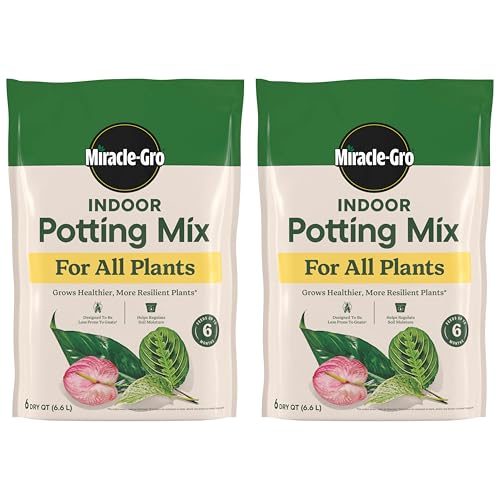
Miracle-Gro Indoor Potting Mix for All Plants, 6 qt., 2-Pack

Legigo 15 Quarts Organic Perlite

Legigo 20 Quarts Organic Perlite

Legigo 6 Quarts Organic Perlite

Miracle-Gro Indoor Potting Mix, 6 qt.
A Closer Look At Each Pick
This blend sits closer to what hibiscus want than most general-purpose bags, mostly because it leans slightly acidic and holds moisture without packing tight. Hibiscus grown in sunny patio pots tend to drink fast, so a base that resists crusting matters more than growers expect.
For a tropical hibiscus in a five-gallon container, this mix gives a workable starting point before you start adding perlite or bark. Compared to the cactus blend ahead, it retains noticeably more water between waterings, which is closer to what a flowering tropical prefers.
A Few Strong Suits
- Slightly acidic pH supports iron uptake, which keeps hibiscus leaves green instead of yellow between veins
- Feeds plants for up to six months, cutting down on mid-season fertilizer guesswork
- Texture stays loose enough that young roots push through without resistance
- Works indoors on a sunny sill or outdoors once nights stay warm
Things To Consider
- The 8-quart bag runs out fast once you start refreshing a few large patio tubs
- Bag weight creeps up after watering; the fine peat holds more water than sandy mixes
Key Specs
Who It Suits Best
A casual grower with one or two patio hibiscus who wants a forgiving, ready-to-pour medium without blending components.
Where Another Pick Suits Better
Large landscapers filling multiple raised beds should look at Miracle-Gro Potting Mix 16 qt. (2-Pack) instead, since it offers more volume per session.
Perlite is a heat-expanded volcanic glass that adds air pockets and keeps a mix from compacting. Hibiscus hate compacted roots, which is why most growers blend perlite into peat-heavy bases like the African violet mix above.
The 4-quart bag fits a single refresh of one medium container. Coarse grade means the white particles stay visible in the mix for years instead of breaking down into powder.
Good Reasons To Consider
- Coarse grade resists breaking down, so drainage stays reliable season after season
- Neutral pH means it won’t shift your soil’s acidity when blended with peat-based mixes
- Lightweight enough to pour and stir without heavy lifting
- Useful beyond hibiscus: it works in succulent and carnivorous plant blends too
Points To Note
- 4 quarts is small; you’ll need multiple bags to amend more than a couple of large pots
- Dust at the bottom of the bag calls for a damp pour outdoors to avoid inhaling fine particles
Best Suited To
A grower amending a single hibiscus pot or two who wants a coarse, consistent perlite without buying in bulk.
Skip It When
Anyone repotting an entire patio collection in one weekend should grab the 20-quart Legigo perlite instead, since it covers far more containers per bag.
Two 16-quart bags cover serious ground for a porch lined with hibiscus tubs. The blend feeds plants for up to six months, which suits busy gardeners who don’t want to schedule feeding through peak bloom.
The catch is that outdoor container mixes tend to hold more moisture than tropicals love in rainy stretches. You’ll likely want to cut it with perlite from the picks ahead before filling large pots.
What Earns Its Place
- Bulk format suits patios with several large tubs filled at the same time
- Six-month feeding window keeps mid-season nutrition simple
- Works across flowers, vegetables, and shrubs, so leftover bags aren’t wasted
Trade Offs
- Heavier moisture retention means perlite amendments are still recommended for hibiscus
- Bags take up garage or shed space before opening
Key Specs
The Right Fit
A patio gardener refreshing several large tubs at the start of the season and wanting enough volume to skip a second trip to the store.
A Better Fit Elsewhere
Indoor growers with a single windowsill hibiscus are better served by Miracle-Gro Indoor Potting Mix 6 qt., which costs less up front and fits a smaller scale.
Fast-draining doesn’t sound like a hibiscus keyword, but in a hot south-facing patio where pots dry out fast, a sandy, porous base can outperform moisture-heavy blends. The formula includes sphagnum peat moss, sand, and perlite, which keeps air moving around the root zone.
You may find this mix dries out too quickly in cooler, shaded spots. For sunny patios, blending in some peat or coir helps the mix hold just enough water through the afternoon.
Real-World Strengths
- Sandy, perlite-rich texture keeps roots from sitting in standing water after storms
- Already contains plant food, so newly potted plants get a starter supply
- Pairs well with citrus and palm companions in mixed patio displays
Points To Keep In Mind
- Dries out faster than peat-heavy blends, so watering frequency climbs in midsummer
- Sand content can make pots heavier to move once watered
Made For
Growers in hot, sunny climates where patio pots bake through the day and standard mixes stay soggy or crust over.
Look Elsewhere When
Container gardeners in humid, rainy regions should reach for Miracle-Gro African Violet Potting Mix instead, since it holds moisture better through long wet stretches.
Compressed bricks solve the storage problem that loose bags create. A small resealable pouch expands up to four times its size once water hits it, and the coconut coir base holds moisture evenly without the crusting peat sometimes does.
For apartment growers without garage space, this format fits on a closet shelf. Just be ready to mix in a separate batch of perlite for drainage, since pure coir can hold more water than hibiscus appreciate.
What Makes Sense
- Tiny footprint before hydration, so storage stays manageable
- Expandable format makes it easy to scale up for a single repotting session
- Coir base rewets reliably after drying out, unlike peat that repels water
Worth Noting
- Expansion requires a separate bucket and some stirring to break up clumps
- Coir alone holds moisture tightly, so perlite amendments are basically required for hibiscus
Who Will Love This
Small-space growers who don’t have room for stacked bags and only need to repot one or two plants at a time.
Another Choice May Suit
Growers filling a half-dozen patio tubs in a single afternoon will find Miracle-Gro Potting Mix 16 qt. (2-Pack) far more efficient than mixing brick by brick.
When a hibiscus comes indoors for the winter, it shifts into survival mode rather than active growth. A blend of sphagnum peat moss, coir, and perlite gives roots a balanced environment without overloading them with nutrients they won’t use.
This 2-pack format means you have enough for a winter repot and a backup bag for touch-ups. The texture stays lighter than outdoor blends, which matters for pots that get moved in and out of doorways.
What Helps Most
- Balanced peat, coir, and perlite ratio keeps indoor containers from staying soggy
- Lighter weight than outdoor blends, easier to carry through narrow doorways
- Works across a range of houseplants, so the second bag isn’t wasted if schedules shift
Honest Caveats
- Not formulated specifically for bloom-heavy tropicals, so supplemental feeding helps during active growth
- Two-pack volume may be more than a single indoor plant actually needs
Key Specs
Perfect Match For
Anyone overwintering a hibiscus indoors in a bright room and wanting a blend that’s easier to handle than outdoor mixes.
Reach For A Different Pick When
Patio-only growers skipping the indoor phase should grab Miracle-Gro Cactus, Palm & Citrus Potting Mix, which handles outdoor heat swings better.
Fifteen quarts hits the middle ground for growers with a small collection of medium pots. Coarse perlite particles resist compaction, which means your hibiscus roots keep getting air years after the initial repot.
Same neutral pH as the smaller Legigo bag, so it blends cleanly with acidic peat or coir bases. The honest read is that 15 quarts is enough for several pots but not enough for a full landscape bed.
Where It Delivers
- Mid-size volume covers three to five medium containers in one purchase
- Coarse grade lasts longer in the soil than fine perlite, which breaks down faster
- Pours cleanly without the dust clouds that finer grades sometimes create
Practical Considerations
- Still falls short of the 20-quart option for very large collections
- Bag is bulky once opened, so storing the remainder calls for a dry bin
Built With In Mind
A grower managing several hibiscus in medium pots who blends their own mix rather than buying pre-made tropical soil.
Swap It Out When
Landscape-scale projects are better served by Legigo 20 Quarts Organic Perlite, which keeps you from running short mid-blend.
This is the perlite bag for serious blending sessions. Twenty quarts covers a half-dozen large patio tubs or a small raised bed amendment without forcing a second order mid-project.
Same coarse, pH-neutral profile as the smaller Legigo options. The trade-off is storage: a 20-quart bag takes up a corner of a garage or shed, which small-space growers may not have.
Key Advantages
- Biggest perlite bag in this lineup, enough for multiple large containers
- Eliminates mid-project bag changes that interrupt workflow
- Cost per quart drops noticeably compared to smaller bags
Where It Is Less Suited
- Heavy and bulky to maneuver through narrow storage areas
- Overkill for anyone working with only one or two pots
Whose Shelf It Belongs On
A hobbyist with a dedicated garden shed or garage who blends custom mixes for a sizeable hibiscus collection.
Not Your Match When
Balcony or apartment growers without bulk storage should pick Legigo 6 Quarts Organic Perlite, which fits a closet shelf without trouble.
Six quarts fits a one-pot refresh without leaving a half-empty bag sitting around for months. Coarse perlite in a manageable size means beginners can experiment with drainage ratios without committing to bulk.
For an apartment grower tending a single hibiscus on a sunny balcony, this size matches the scale of the job. The neutral pH keeps your blend’s acidity stable, so iron uptake stays steady.
Why It Works Well
- Small format suits single-pot amendments without waste
- Coarse grade pours smoothly and mixes evenly with peat or coir bases
- Lightweight enough to carry up stairwells without strain
A Few Limitations
- Runs out quickly if you’re refreshing several containers in one session
- Cost per quart runs higher than the 15- or 20-quart options
Who Should Grab It
First-time hibiscus growers with one container and limited storage who want to test a custom blend before scaling up.
Consider Something Else When
Anyone managing a patio with several hibiscus should grab Legigo 15 Quarts Organic Perlite instead, which spreads the cost across more containers.
Coconut coir is the standout ingredient here: it holds water, releases it slowly, and helps soil re-wet after drying out. For a hibiscus parked near a sunny window, that’s a useful combination during the months when heating indoors dries pots fast.
The formula is designed to be less prone to fungus gnats, which commonly show up in compost-rich blends. For indoor growers who’ve fought gnats before, that detail alone can be worth the switch.
Bright Spots
- Coir base rewets reliably, so dry pots don’t repel water during watering sessions
- No compost or bark content, which reduces fungus gnat pressure indoors
- Feeds indoor plants for up to six months, easing the feeding schedule
Factors To Consider
- Single 6-quart bag covers only one or two small containers
- Not bloom-specific, so supplemental feeding helps during active flowering
Key Specs
Who It Suits Best
Windowsill and sunroom growers keeping a hibiscus indoors year-round and wanting a coir-based blend that resists gnats.
Where Another Pick Suits Better
Growers moving large patio tubs outside in spring should pick Miracle-Gro Cactus, Palm & Citrus Potting Mix, which stands up to outdoor heat better than indoor-only blends.
Getting The Mix Right For Tropical Hibiscus
Hibiscus prefer a soil that drains well but never fully dries out, with a pH sitting between roughly 6.0 and 6.5. Below that range, iron and manganese lock up and leaves yellow between the veins, even when fertilizer is plentiful. Above 6.5, the same lockout happens to potassium, which is what drives bud formation.
Drainage matters more than most beginners realize. A peat-heavy bag straight out of the package tends to compact after a few watering cycles, squeezing air out of the root zone. Blending in 20 to 30 percent perlite by volume keeps the structure loose, and that’s where the Legigo bags earn their place as a side purchase rather than a primary medium.
For outdoor patio growers, wind and sun exposure change the equation. Pots on a south-facing deck dry out fast on summer afternoons, so a sandy cactus blend holds up better than a peat-heavy African violet mix. For shaded patios or rainy regions, the moisture-retentive side of the spectrum keeps watering manageable.
Container size shifts nutrient demands too. A five-gallon pot holds enough soil to feed a hibiscus for months, but a small two-gallon pot exhausts its nutrient supply fast. Pre-fertilized blends buy you time, but a supplemental feed during peak bloom still pays off in flower count.
Watch the water you use. Hard tap water pushes pH upward over time, and hibiscus notice within a season. If your tap water runs hard, refreshing the top inch of soil once a year and switching to rainwater when practical keeps the pH from creeping too high.
What To Watch For When Buying And Upgrading
Pitfalls Shoppers Hit
Picking a generic houseplant mix and expecting it to carry a tropical hibiscus through bloom is a common stumble. The blend may support foliage growth without supplying the potassium push flowers need, leaving you with a leafy plant and few buds. Pairing any base mix with a targeted bloom fertilizer during the active season closes that gap.
Ignoring drainage is the other trap. A peat-only blend in a pot without perlite amendments compacts fast, and once that happens, root rot sets in within a couple of weeks of overwatering. Spending a few dollars on a perlite bag prevents a much costlier plant replacement.
The Case For Spending Up
Higher-tier options in this category earn their place through ingredient consistency and feed duration. A bag with measured, slow-release nutrients feeds plants evenly across six months, while cheaper blends may dump nutrients early and leave plants hungry by midsummer.
For growers with a sizable collection, larger perlite bags drop the cost per quart noticeably. Buying three small bags to amend a patio costs more per unit than a single 20-quart bag, and the bigger bag keeps you from running short mid-blend.