Healthy succulents start below the surface. The wrong medium stays soggy around the roots, and suddenly your prized echeveria turns to mush. The right gritty, well-aerated mix keeps moisture moving, supports shallow root systems, and gives finicky species like lithops the dry cycle they need to thrive. This roundup covers six options across dedicated cactus-and-succulent blends, mineral amendments like perlite and akadama, and a specialty mix for the trickier living-stone plants.
A Fast Comparison Of The Options
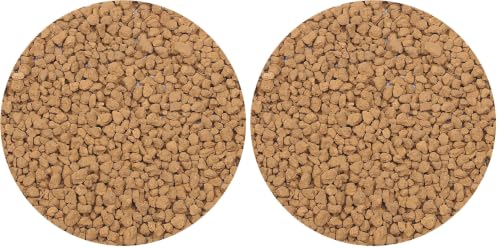
NOHOBE Hard Akadama Bonsai Soil 1/8-1/4 inch Small Grain

Legigo 4 Quarts Organic Perlite for Plants Indoor

MICRO LANDSCAPE DESIGN 3 lb Lithops Soil Mix

JayJayup Perlite for Plants 4 Quarts 3-6mm

Legigo 15 Quarts Organic Perlite for Plants Indoor

Spike & Bloom High Drainage Succulent Soil 4 Dry Quarts
More Details On Our Top Picks
Akadama is a baked Japanese clay granule prized in bonsai circles for the way it holds moisture in its pores while letting the rest drain away fast. The NOHOBE Hard Akadama Bonsai Soil comes in a 1/8 to 1/4 inch grain that sits right in the sweet spot for small succulent pots. Because the grains darken as they absorb water, you get a built-in moisture cue that helps prevent the chronic overwatering that kills more succulents than any other cause.
This is a mineral amendment, not a finished potting mix, so plan to combine it with pumice, lava, or coarse sand for most succulent setups. Compared to the perlite options on this list, akadama holds more plant-available moisture between waterings, which suits slightly thirstier succulents. It suits hobbyists who want long-lasting structural grains that do not break down to mush within a season.
What Makes Sense
- The color-shifting grain acts as a visual watering indicator for forgetful caretakers.
- Hard-grade particles resist compaction, keeping air pockets alive around roots for longer than softer amendments.
- Two-pack format covers a generous number of small to medium pots without immediate resupply.
- Small grain range matches the root depth of most rosette-style succulents.
Worth Noting
- It is a single ingredient, so a complete mix calls for adding other drainage components separately.
- The granules arrive dusty, and rinsing before use is widely reported to keep cloudy residue off leaves.
- Hard akadama costs more per pound than standard perlite, so the budget-minded may find better value elsewhere.
Key Product Details
Best Suited To
Intermediate and advanced hobbyists building custom bonsai or succulent blends who value long-lasting structure over convenience.
Consider Something Else When
Newcomers wanting a ready-to-use blend should look at the Spike & Bloom High Drainage Succulent Soil for a finished, single-bag solution.
Perlite is the workhorse of soil aeration, and the Legigo 4 Quarts Organic Perlite for Plants Indoor delivers a manageable starter volume for anyone new to mixing their own succulent medium. This horticultural perlite is a heat-expanded volcanic stone, meaning each white granule is essentially trapped air. Blended into a standard cactus or succulent base, it creates the pore space roots need to breathe and dry out between drinks.
The 4-quart bag is the right size for a small windowsill collection or a few repotting sessions. It doubles as a top dressing for finished pots, keeping the soil surface clean and tidy. For larger operations, the bigger Legigo 15-quart version later in this list covers the same ingredient in bulk.
Noteworthy Benefits
- Neutral pH keeps perlite from shifting the acidity of your base mix.
- Even particle sizing blends smoothly without clumping.
- Multi-purpose use as an amendment or a top dressing for display pots.
Points To Note
- The dust at the bottom of the bag requires a rinse before use to avoid airborne residue.
- Lightweight particles float to the top of wet pots and may need occasional top-ups.
- A 4-quart bag runs out quickly on larger collections.
Whose Shelf It Belongs On
First-time mixers with a handful of small pots who want a forgiving, easy-to-find amendment.
Reach For A Different Pick When
Anyone repotting a serious collection should jump straight to the Legigo 15 Quarts Organic Perlite for better volume per shipment.
Lithops, often called living stones, demand a sharper-draining medium than almost any other succulent, and the MICRO LANDSCAPE DESIGN 3 lb Lithops Soil Mix is blended for exactly that challenge. The recipe focuses on giving roots anchorage without smothering them, so the tiny taproot can breathe and avoid the rot that finishes off most beginner lithops attempts. The bonus mini lithops in the bag gives you a starter plant to test the medium against.
This is a niche pick, and that is the point. Unlike the broad-use Spike & Bloom blend or the all-purpose Legigo perlite, this one targets a single genus with very specific tolerance for moisture. Lithops growers who have already lost a plant or two to rot will appreciate the focus.
A Favorable Mix
- Specialized recipe trims the trial-and-error phase for finicky lithops.
- Included live plant offers a built-in compatibility test.
- Open structure gives roots oxygen without sacrificing anchorage.
Trade Offs
- Not a versatile medium for haworthia, echeveria, or other moisture-tolerant succulents.
- The bonus plant can arrive stressed, which requires careful acclimation.
- Smaller volume than the all-purpose mixes limits use beyond a few lithops pots.
Key Product Details
Right Fit For
Collectors committed to lithops or other mesembs who need a medium engineered for very low moisture tolerance.
Skip It When
General succulent caretakers should choose the Spike & Bloom High Drainage Succulent Soil for broader plant compatibility.
The JayJayup Perlite for Plants 4 Quarts sorts its granules into a consistent 3-6mm range, which matters more than people expect. Uniform particles pack evenly into a mix, avoiding the dust-fines layer that can wick moisture upward and keep the root zone damp. Like other horticultural perlite, it is a heat-expanded mineral that adds permanent porosity to peat, coir, or cactus bases.
It works for indoor houseplant propagation and outdoor raised beds, so the same bag covers a range of repotting days. Compared to the Legigo 4-quart offering, the granule sizing is more strictly controlled, which gives a more predictable texture once mixed.
Useful Highlights
- Sorted 3-6mm granules reduce fines and improve mix consistency.
- Lightweight format is easy to pour and combine with heavier ingredients.
- Usable for orchids, propagation, or general aeration tasks beyond succulents.
Small Caveats
- Bag weight is light, so shipping costs per quart can feel high.
- White color shows up clearly against dark top dressings if you skip a finishing layer.
- Still requires rinsing to manage dust before pot use.
Who Should Grab It
DIY mixers who prefer predictable granule sizing and want a multi-purpose perlite that crosses between succulents and propagation projects.
Look Elsewhere When
Anyone wanting a one-bag finished succulent medium should turn to the Spike & Bloom High Drainage Succulent Soil instead.
When your collection outgrows the trial-size bag, the Legigo 15 Quarts Organic Perlite for Plants Indoor becomes the practical choice. The same coarse, evenly sized volcanic stone arrives in a volume that survives a season of propagation, repotting, and top-dressing. Because perlite does not decompose, the bag also doubles as long-term storage inventory.
This format appeals to anyone running a small greenhouse, a propagation shelf, or a classroom setup. Bulk perlite tends to arrive with more settled dust than smaller bags, so plan to rinse a few cups at a time. For a single ingredient that pulls weight across many plant tasks, it earns the space.
Positive Points
- Generous 15-quart volume covers dozens of small to medium pots.
- Volcanic stone origin keeps the pH neutral across all mixed media.
- Stores dry and shelf-stable for next season without spoilage.
Honest Caveats
- Bulk bags include more settled dust that calls for a multi-batch rinse.
- Bulky to store if your gardening area is tight.
- Single-ingredient format still requires combining with organic base materials.
Feature Snapshot
Who It Suits Best
Intermediate to advanced caretakers managing a sizable indoor or patio collection who need perlite on hand through the year.
A Better Fit Elsewhere
Houseplant parents with only a handful of succulents will find the smaller Legigo 4 Quarts Organic Perlite easier to store and use up.
The Spike & Bloom High Drainage Succulent Soil arrives ready to use straight from the bag, which removes the math from repotting day. The blend leans on gritty components to push water through the root zone, and the slightly acidic pH sits in the range most succulents and cacti prefer. The inclusion of coffee compost and mycorrhizal fungi gives the medium a biological kick that plain mineral mixes lack.
Mycorrhizal fungi form partnerships with root systems, helping plants scavenge nutrients from a wider soil area. Coffee compost, beyond its organic matter contribution, is reported by many growers to deter certain pests when used as a top dressing. This is the easy-button option for anyone who does not want to source perlite, pumice, and grit separately.
The Good Stuff
- Ready-to-use format saves time on repotting day.
- Added fungi support nutrient uptake once roots establish.
- Gritty texture matches the dry cycle needs of common succulents.
- 4 dry quarts covers several small to medium pots.
Points To Keep In Mind
- The biological additives have a shelf life, so older bags lose potency.
- Coffee compost can attract fungus gnats in very humid indoor conditions.
- Not sharp-draining enough for true lithops or other ultra-dry specialists.
Spec Overview
Perfect Match For
Everyday succulent caretakers who want a pre-mixed, biology-boosted blend for echeveria, haworthia, sedum, and similar rosette-type plants.
Swap It Out When
Lithops growers should reach for the MICRO LANDSCAPE DESIGN 3 lb Lithops Soil Mix, which is dialed in for much drier cycles.
What To Weigh Before Picking A Succulent Mix
The most important job of a succulent medium is to dry out fast. Roots sitting in wet soil for more than a few days start breaking down, and once rot sets in, recovery is rare. Grain size and porosity drive that behavior, which is why ingredients like perlite, pumice, akadama, and coarse sand appear in nearly every serious succulent mix.
Match the medium to your climate and species. Indoor growers in humid rooms need sharper drainage than someone in a dry desert climate. Lithops, split rocks, and other mesembs want the driest end of the spectrum, while echeveria and haworthia tolerate slightly more moisture. A pre-blended bag like the Spike & Bloom option covers the middle ground nicely.
Think about whether you want to build your own or buy ready to use. Single-ingredient amendments like perlite and akadama reward the DIY approach but require you to source the rest of the recipe. Finished blends trade flexibility for convenience. Either path works, and the choice usually comes down to how many plants you manage and how much tinkering you enjoy.
Key Considerations Across These Picks
Where Shoppers Go Wrong
The biggest mistake is treating any bag labeled “cactus and succulent soil” as automatically safe. Many retail blends still hold too much moisture for true lithops or split rocks. Conversely, going pure mineral with no organic matter at all starves plants of nutrients over a long season. Aim for a blend that drains within a day or two under your specific conditions.
Another trap is skipping the rinse for dusty perlite or akadama. Fine dust settles at the bottom of pots and creates a moisture-wicking layer that keeps roots damp. A quick rinse through a mesh sieve takes a minute and prevents a season of slow rot.
Where The Extra Money Goes
Higher-priced options tend to deliver hard-grade akadama, specialty lithops blends, or biological additives like mycorrhizal fungi. Hard akadama resists breaking down across multiple seasons, while soft akadama turns to sludge within months. Mycorrhizal additives cost more because the cultures are alive and time-sensitive, and they extend the value of a finished blend beyond plain mineral media. For very rare or sensitive plants, that upgrade often pays for itself in saved specimens.