I keep a windowsill of herbs and a few stubborn houseplants alive year-round, and the single biggest difference I notice between struggling pots and thriving ones comes down to what goes into the soil at planting time and what I feed them afterward. Pot plants live in a tiny ecosystem, so the compost or amendment you choose does heavy lifting that ground gardens rarely demand. This list mixes finished bagged soils with worm castings you can mix in or top-dress, plus a few compost bins for anyone who wants to make their own black gold at home.
A Quick View Of The Lineup

Wiggle Worm Pure Organic Worm Castings Fertilizer, 4.5lb

Brut Organic Worm Castings for Plants, 5 LB

FoxFarm Ocean Forest Potting Soil, 1.5 cu ft

EJWOX Insulated Compost Bin with Ventilation
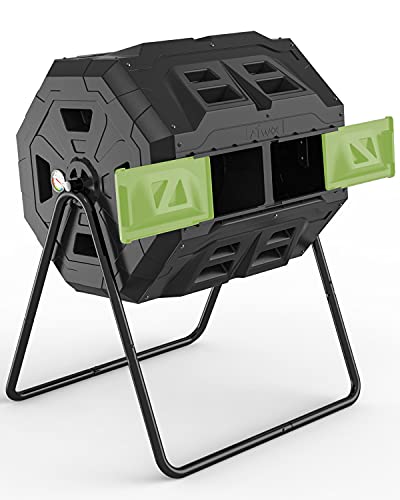
EJWOX 43 Gal Dual Chamber Tumbling Composter
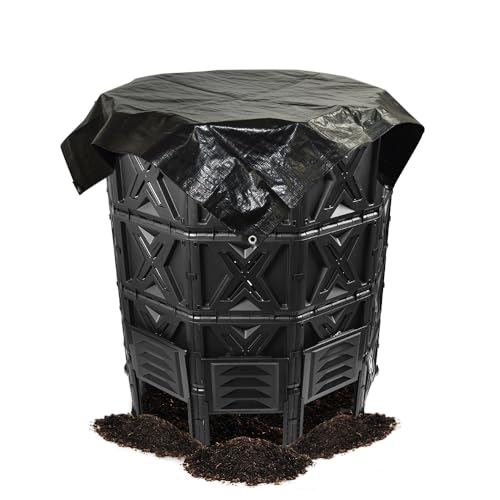
EJWOX 190 Gallon Outdoor Compost Bin, 720L
Why These Options Stand Out
Worm castings are the polite powerhouse of small-space gardening: nutrient-dense, slow-release, and gentle enough that I rarely worry about burning tender roots. Wiggle Worm’s 4.5-pound bag sits in a sweet spot for pot gardeners who want to amend a handful of containers without committing to a giant sack. The castings are harvested and processed in a way the brand describes as fertilizer-grade rather than raw vermicompost, which translates to a cleaner, more consistent product in the bag.
For indoor use, the texture matters. These tiny, football-shaped particles mix smoothly into potting soil without clumping, so I can stir a spoonful into a 6-inch houseplant without making a dusty mess. It also doubles as a top-dress for plants I don’t want to repot. Compared with the bulkier Brut Organic Worm Castings below, this one leans toward the gardener who values brand recognition and steady availability over sheer volume per dollar.
Useful Strengths
- Fertilizer-grade processing gives a consistent, low-dust texture that blends cleanly into potting mixes.
- Slow nutrient release suits houseplants and herbs that react badly to heavy synthetic feeds.
- A little goes a long way: a handful per pot refreshes tired soil without needing a full repot.
- Compact 4.5 lb bag fits easily on a potting bench or inside a kitchen cabinet.
- Improves moisture retention in fast-drying indoor containers near sunny windows.
Things To Consider
- At 4.5 pounds, the bag runs out quickly for gardeners with many large outdoor pots.
- Worm castings alone are not a complete potting medium; they need to be mixed with a base soil like the FoxFarm option below.
Feature Snapshot
Who It Suits Best
Indoor gardeners tending a modest collection of houseplants, herbs, or small patio pots who want a gentle, organic nutrient boost.
Where Another Pick Suits Better
Vegetable gardeners with many large containers will get more mileage from Brut Organic Worm Castings, which offers a bigger 5-pound bag for heavier feeding routines.
Brut Worm Farms ships castings raised indoors in controlled containers, which generally means the finished product stays free of the weed seeds and outdoor debris that sometimes hitchhike in open-bed vermicompost. The 5-pound bag lands as the more generous option of the two worm-casting picks on this list, and the brand’s positioning as a soil-fertility builder rather than a one-off supplement appeals to gardeners who treat feeding as a routine.
What I like here is versatility. The castings work for indoor tropicals, outdoor tomato pots, or window boxes, so the same bag can serve mixed use across seasons. Compared with Wiggle Worm above, the Brut product trades some brand familiarity for a heavier bag at a friendly per-pound rate, which matters when I am prepping a dozen planters at the start of the season. The texture is similarly fine, so mixing into existing soil feels no different in practice.
Good Reasons To Consider
- 5-pound bag covers more containers per purchase, lowering the per-pot amendment cost.
- Indoor-raised worms generally yield cleaner castings with fewer outdoor contaminants.
- Functions as both a soil mix-in at planting and a midseason fertility boost.
Worth Noting
- Lacks the fertilizer-grade recognition that Wiggle Worm highlights, so results may feel less consistent.
- Bulkier bag means less convenient storage in tight apartments or small closets.
- Worm castings alone don’t replace a structured potting mix for long-term container health.
Right Fit For
Outdoor vegetable gardeners and patio-plant enthusiasts who want a bigger, budget-friendly bag for routine feeding across many pots.
A Better Fit Elsewhere
Someone with only a few small houseplants and limited storage will find the smaller Wiggle Worm 4.5-pound bag easier to keep fresh and ready to use.
FoxFarm Ocean Forest arrives ready to use, which removes the most common barrier beginners face: guessing whether a soil needs more perlite, more drainage, more food. The blend is light and aerated, so roots slide through it easily instead of circling in compacted muck. I reach for this one when repotting a beloved plant or starting seedlings that need a forgiving first home.
The 1.5 cubic foot size suits a typical repotting day for several medium pots, though larger operations will want to plan for multiple bags. Where the worm castings above are amendments, this is a complete growing medium. That means it handles the structural work (drainage, aeration, moisture balance) while the castings handle ongoing fertility, and the two actually complement each other nicely when used together.
Features That Help
- Ready-to-use out of the bag, no mixing or amendment needed for most container plants.
- Light, aerated texture encourages strong root development in freshly potted plants.
- Designed specifically for container use, so drainage behavior suits pots rather than open beds.
Trade Offs
- Premium bagged soils cost meaningfully more per cubic foot than basic potting mixes.
- 1.5 cubic feet is enough for a small repotting session but light on volume for big projects.
- Bagged mixes dry out faster outdoors in summer, so watering routines may need tightening.
Feature Rundown
Made For
Container gardeners who want a dependable, ready-to-pot medium for houseplants, patio plants, or seed-starting without extra mixing.
Skip It When
Someone building large raised beds or filling many outdoor planters should look toward the EJWOX 190-gallon outdoor compost bin to make their own soil amendment at scale.
For pot gardeners in colder regions, the slowest part of the year is also when kitchen scraps pile up fastest. The EJWOX insulated bin addresses that gap with sealed walls that hold warmth in and an air channel that keeps the center of the pile oxygenated, which speeds decomposition without daily turning. The bottom reservoir collects leachate, the dark liquid byproduct that experienced gardeners prize as a dilute fertilizer for container plants.
I see this as the right scale for someone who wants homegrown compost but doesn’t have the yard space (or HOA permission) for a large tumbling unit. It earns its keep by working through winter, which most open bins can’t claim. Compared with the much larger 190-gallon EJWOX unit further down, this one trades capacity for a tidier, more weather-resistant footprint that fits a patio corner.
Notable Upsides
- Insulated body and sealed cover keep decomposition active through cold months.
- Built-in air channel reduces the need for manual turning, saving time for busy gardeners.
- Bottom reservoir captures leachate, a free liquid feed for container plants.
- Compact footprint suits small patios, side yards, or covered porches.
Honest Caveats
- Smaller capacity than open bins, so families generating heavy scraps may fill it quickly.
- Leachate needs dilution before use on most potted plants to avoid overfeeding.
- Insulation works both ways; in hot summer sun the interior can run warm, which is fine for compost but worth knowing.
Whose Shelf It Belongs On
Apartment and townhouse gardeners who want to keep composting through winter without dedicating yard space to a large bin.
Look Elsewhere When
Households with serious outdoor volume, big yards, and heavy yard waste should step up to the EJWOX 190-gallon bin for fewer fill cycles.
Tumblers solve the part of composting I dread most: the pitchfork work. The EJWOX 43-gallon dual-chamber design lets one side finish curing while the other accepts fresh scraps, which means I always have a batch in progress without downtime. The deep-groove handles make spinning the drum easier, and the built-in compost thermometer removes the guesswork around whether the pile is hot enough to break down quickly.
This is the middle child of the EJWOX lineup, smaller than the 190-gallon outdoor bin but more weatherproof and faster-acting than a simple static pile. For pot gardeners who compost actively, the payoff is rich, homemade material that pairs beautifully with worm castings or bagged potting soil. The 43-gallon capacity suits a typical family yard without dominating the space.
A Few Strong Suits
- Dual chambers allow continuous composting, no waiting for a single batch to finish.
- Built-in thermometer takes the mystery out of pile temperature and decomposition timing.
- Deep-groove handles reduce the effort needed to tumble and aerate the contents.
- Enclosed drum keeps pests out and odors more contained than open piles.
Some Limits To Know
- Assembly still requires time and a flat workspace, even with reduced screw counts.
- Plastic panels can fade or become brittle after several seasons in harsh sun.
- Adding scraps mid-cycle requires opening the chamber, which interrupts active decomposition.
Built With In Mind
Backyard gardeners who compost kitchen scraps and yard trimmings regularly and want finished material faster than a static pile.
Reach For A Different Pick When
Anyone composting through cold winters in an unsheltered spot should consider the EJWOX insulated bin instead, since tumbling units lose heat quickly.
Big yards generate big piles. The EJWOX 190-gallon bin handles leaves, grass clippings, and trimmings from a productive garden without forcing constant emptying, and the modular panel design assembles without specialty tools. A bottom access door lets me scoop finished compost from below while the top continues to receive fresh material, which mimics a layered pile without the manual turning.
Compared with the tumbling EJWOX 43-gallon unit, this one trades speed for scale. Materials break down more slowly without frequent aeration, but the bin takes everything a suburban yard can throw at it through autumn. For pot gardeners, the real benefit is having a steady, free supply of organic matter to blend into potting mixes year after year, reducing dependence on bagged soil.
Where It Delivers
- 720L capacity swallows seasonal yard waste without overflowing.
- Aeration vents support airflow through the pile, reducing anaerobic odors.
- Bottom access door simplifies harvesting finished compost without dismantling the bin.
- BPA-free polypropylene panels suit outdoor exposure across multiple seasons.
Room For Improvement
- Large footprint requires a dedicated corner of the yard with reasonable clearance.
- Slower decomposition than tumblers, since aeration relies on vents rather than turning.
- Modular panels may need re-tightening after a winter of freeze-thaw cycles.
Spec Overview
Who Should Grab It
Homeowners with large yards, mature trees, or serious garden beds who want a set-and-forget compost solution that produces material in volume.
Not Your Match When
Small-space or patio gardeners will find the EJWOX insulated bin more proportional to their output and easier to place.
Picking The Right Mix For Your Containers
Choosing composts for pot plants starts with a simple question: am I building a soil from scratch, feeding an existing plant, or making my own material at home. Each goal points to a different kind of product, and the wrong match usually means wasted money or disappointed roots.
Container plants need a balance between drainage and moisture retention. Perlite, vermiculite, and worm castings all influence that balance differently, with perlite opening up airflow and castings holding nutrients and water close to the root zone. Beginners should lean toward ready-to-use bagged soils like FoxFarm Ocean Forest, since the blend is already calibrated for pot life. More experienced gardeners often prefer a base mix plus targeted amendments, which lets them tailor texture and fertility to specific plants like orchids, succulents, or heavy-feeding tomatoes.
Organic versus synthetic comes down to feeding philosophy rather than right or wrong. Organic amendments such as worm castings release nutrients slowly and feed soil biology, which suits houseplants and edible gardens. Synthetic fertilizers act faster but skip the soil-life benefits. For most pot gardens, organic options pair naturally with the controlled environment of a container, where soil biology matters more than in open ground.
Climate and scale should drive the choice of compost bin. Cold-winter gardeners benefit from insulated designs that keep decomposition active year-round, while suburban lots with leaf-heavy autumns need sheer capacity. Small patios do better with compact tumblers or sealed bins that contain odor and pests.
Key Considerations Across These Picks
Pitfalls Shoppers Hit
A common misstep is treating worm castings as a complete soil. They are an amendment, not a standalone growing medium, and using them alone leaves roots without structural support. Another trap is buying the cheapest bagged potting mix on the shelf; many of those are heavy, poorly draining, and loaded with coarse wood chips that rob nitrogen as they break down. Match the product to the pot, not the price tag.
What The Higher Tier Buys
Premium bagged soils and larger bins earn their higher cost through consistent texture, balanced pH, and labor-saving design. A bagged mix like FoxFarm Ocean Forest removes the trial-and-error of building your own blend, while a larger or insulated compost bin cuts down on the manual work that drives most gardeners to quit. Paying more usually pays back in fewer repots, less troubleshooting, and steadier plant growth across the season.
Frequently Asked Questions
How often should I feed potted plants with worm castings?
Most potted plants do well with a light top-dressing of worm castings two or three times per year, or a small handful worked into the soil at planting time. Heavy feeders like tomatoes or peppers appreciate more frequent applications during the growing season.
Can I use outdoor garden soil in containers?
Garden soil tends to compact in pots, restricts airflow, and can introduce pests or weeds. A purpose-made potting mix with perlite or similar drainage material is the safer choice for container plants.
Do compost bins smell bad?
A well-balanced compost bin with proper airflow and a mix of greens and browns produces little odor. Strong smells usually mean the pile is too wet or short on oxygen, both of which a tumbler or insulated bin with vents helps prevent.
How long does it take a backyard bin to produce usable compost?
With regular turning, decomposition can finish in two to three months. A static bin without turning, like a large modular outdoor unit, typically takes six months to a year, depending on climate and material balance.
Is worm casting fertilizer safe for edible plants?
Worm castings are a common organic amendment used on herbs, vegetables, and fruit grown in containers. Many gardeners prefer them for edible crops because they release nutrients slowly without the burn risk of synthetic feeds.
The Takeaway
The right compost or amendment depends less on what’s trending and more on what your pots actually need: drainage for succulents, moisture for ferns, steady fertility for tomatoes, and a reliable bin if you want to make your own. Start with a quality bagged mix or worm castings, and let the size of your space and ambition guide whether a bin belongs in the picture.