Healthy soil is the long game, and the right organic fertilizers for plants make that game dramatically easier. From raised beds bursting with tomatoes to a fiddle leaf fig dropping leaves in the corner, the gap between a struggling plant and a thriving one usually comes down to what’s feeding the roots. This roundup cuts through the noise, matching ten solid organic fertilizers for plants to the gardens, houseplant collections, and soil conditions they actually serve.
An Overview Of The Picks

BuildASoil Worm Castings for Gardening – 2 Gallons

Espoma Bio-Tone Starter Plus 4-3-3, 18 lb
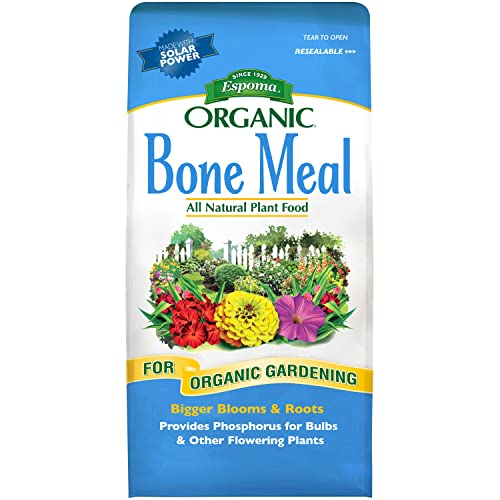
Espoma Bone Meal 4-12-0, 8 lb

SUPERthrive Plant Vitamin Solution, 1 Pint

Whitney Farms Organic Bone Meal 6-8-0, 3 lb

Organic Plant Magic Fertilizer 1 lb

Organic Plant Magic Fertilizer 5 lb

Bioactive Fertilizer Genius+ 200g

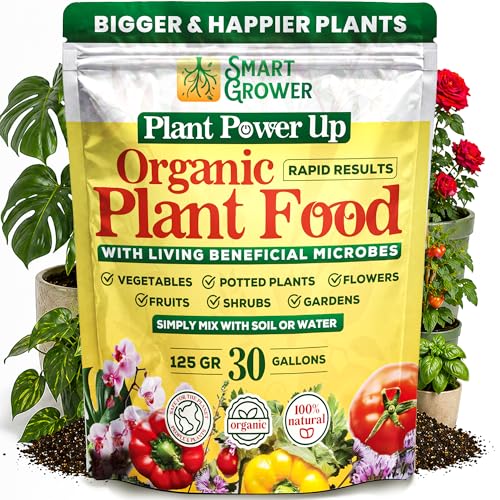
Smart Grower Organic Plant Food 125g
The Details Behind The Selections
Worm castings are the slow-cooker of organic fertilizers for plants, and BuildASoil’s 2-gallon tub is the version serious raised-bed growers reach for. Vermicompost is essentially worm-processed organic matter, dark and crumbly, packed with beneficial bacteria and a gentle nutrient profile that won’t burn roots.
You’ll find it slots neatly into the rotation of bigger feeding products. A handful worked into transplant holes, or a thin top-dress across beds midseason, gives tired soil a living boost without overwhelming young seedlings.
Notable Gains
- Adds beneficial microbes that improve long-term soil structure, not just a one-shot feed
- Gentle enough for seedlings, herbs, and food crops without risk of root burn
- Two-gallon volume covers a sizable raised bed or several container gardens
- Screened texture spreads easily and blends into potting mixes for indoor use
Worth Noting
- Lower nutrient density means you may need supplemental feeding for heavy feeders like tomatoes
- The 2-gallon tub is bulky, so storage in a small shed or apartment closet gets awkward
Key Specs
Right Fit For
Vegetable gardeners and raised-bed growers who want to rebuild tired soil biology over a full season without risking delicate seedlings.
Look Elsewhere When
You need a quick transplant boost, in which case Espoma Bio-Tone Starter Plus is built for that specific job on planting day.
Bio-Tone is the bag you keep by the back door on planting weekend. Its 4-3-3 NPK (nitrogen-phosphorus-potassium ratio) reads mild on paper, but the real magic sits in the added mycorrhizae. Those beneficial fungi form a symbiotic relationship with roots, helping plants draw water and nutrients from a much wider zone of soil.
Espoma built this for the transplant moment, the day a shrub, tree, or tomato seedling goes into the ground. Compared with the worm castings above, this one is structured to act fast on new roots rather than feed the whole bed.
What Stands Out
- Both endo and ecto mycorrhizae cover a wider range of plant types than single-strain products
- Mixes into backfill soil easily, no brewing or steeping required
- Eighteen-pound bag handles a full season of new plantings across a typical yard
Trade Offs
- Designed for planting day, so it doesn’t replace a steady midseason feeding routine
- The bag is heavy to haul from the car to the garden, especially on stairs or rough terrain
Built With In Mind
Homeowners planting new trees, shrubs, or perennials who want stronger root establishment from day one.
Swap It Out When
You mainly grow bulbs and flowering plants, since Espoma Bone Meal 4-12-0 delivers the phosphorus those crops crave.
Bone meal has been a flower-bed staple for generations, and Espoma’s 4-12-0 version is the cleanest take on it. The standout number is phosphorus at 12, which is exactly what bulbs and blooming perennials are hungry for at planting time. It also throws in a touch of nitrogen and a meaningful calcium hit.
Use it the way the Espoma brand suggests: mixed into the soil at planting rather than sprinkled on top. Compared with Bio-Tone above, this one ignores mycorrhizae and instead targets bloom quality and root strength directly.
Everyday Perks
- Phosphorus-heavy formula drives strong root and bloom development in bulbs and flowers
- Pure ground bone meal with no synthetic fillers, fits naturally into organic gardening routines
- Eight-pound bag covers a generous bulb planting project across beds and borders
Things To Consider
- Bone meal works best dug into soil at planting, less effective as a midseason surface feed
- Attracts curious pets and wildlife, so keep the bag closed and out of reach in a shed
Key Specs
Who It Suits Best
Bulb enthusiasts and flower-bed gardeners prepping tulips, daffodils, and perennials for a stronger show next season.
Where A Sibling Pick Shines
You want a broader-spectrum garden feed rather than a phosphorus spike, in which case Whitney Farms Bone Meal 6-8-0 offers more balanced numbers.
SUPERthrive isn’t a fertilizer in the traditional NPK sense. It’s a liquid vitamin tonic with kelp, designed around a different problem: stressed, shocked, or recovering plants. A 1-pint bottle is the size most home gardeners keep on hand for transplant days, propagation projects, and tree work.
You dilute it into water and apply at transplanting or as a maintenance drench. Compared with the granular options in this list, it works on a much shorter timeline, supporting plants through specific stress events rather than feeding the broader soil system.
Features That Help
- Targets transplant shock, especially on larger shrubs and trees that struggle to re-establish
- Concentrated liquid format, so a single 1-pint bottle lasts across many applications
- Useful on cut flowers, houseplants, and even hydroponic setups
Honest Caveats
- Not a complete fertilizer, so it works alongside other feeds rather than replacing them
- Strong scent out of the bottle, which can be noticeable in enclosed indoor spaces during application
Quick Facts
Best Suited To
Garden movers and tree planters who need a targeted tonic for the rough first weeks after transplanting.
Not Your Match When
You want a foundational soil conditioner, where Bioactive Plant Fertilizer Genius+ 200g feeds the soil biology more thoroughly over time.
Whitney Farms takes the bone meal concept in a more balanced direction. Where Espoma goes 4-12-0 to push bloom production, this version runs 6-8-0, trading some phosphorus for more nitrogen. That makes it a better general-purpose garden feed for vegetables, roses, and shrubs that need steady overall growth rather than a one-note bloom push.
The 3-pound bag is the easy-to-handle option. It’s a manageable size for a smaller yard, a few raised beds, or a weekend of bulb planting without leaving a half-used sack cluttering the shed.
Benefits That Matter
- Balanced NPK supports both leafy growth and flowering across mixed beds
- Smaller 3 lb bag is easier to store and use up before it sits around too long
- Natural phosphorus and calcium source for organic gardening routines
Points To Note
- Lower phosphorus than the Espoma bone meal, so heavy-blooming bulbs may need extra support
- Works best in soils that aren’t already alkaline, since bone meal needs slightly acidic conditions to release
Perfect Match For
Vegetable gardeners and rose growers who want a single organic feed for a mixed bed without buying multiple specialty products.
Skip It When
You plant mostly spring bulbs and want maximum bloom power, where Espoma Bone Meal 4-12-0 is more targeted.
Organic Plant Magic is the “one bag, many uses” option. The 1 lb pouch is a water-soluble concentrate, and the brand claims each bag makes over 64 gallons of liquid feed. For a small-space gardener or a houseplant-only household, that’s a generous return on a low-fuss package.
Where the worm castings and bone meal in this list are granular and slow-releasing, this one dissolves into a watering can. The trade-off is that you’re feeding the plant directly each time, rather than rebuilding the soil over months.
Strong Points
- One 1 lb bag makes 64+ gallons of liquid feed, so it stretches across many applications
- Designed for vegetables, herbs, indoor plants, flowers, and even fruit trees
- No synthetic chemicals, fits cleanly into an organic routine
Small Caveats
- Water-soluble routine means more frequent feeding than slow-release granular options
- You’ll need a clean watering can on hand, since undissolved granules can clog cheap sprayers
Feature Snapshot
Whose Shelf It Belongs On
New gardeners and apartment growers who want one forgiving product that covers indoor and outdoor plants without complicated measuring.
A Better Fit Elsewhere
You raise heavy-feeding vegetables in bulk, since the larger Organic Plant Magic 5 lb bucket stretches much further for a working homestead.
Same formula as the 1 lb pouch above, just scaled up. The 5 lb bucket makes over 320 gallons of liquid feed, which puts it in a different category: the working vegetable garden, the small homestead, or the houseplant collector with a sunroom full of greenery. The bucket format also helps the powder stay dry between uses.
Compared with the granular options earlier in this list, this is still a water-soluble routine. The honest read is that you’ll spend more time feeding with a watering can, but the volume-per-dollar math works out in your favor at this size.
Good Reasons To Consider
- 5 lb bucket makes 320+ gallons of feed, enough for a full growing season in a large garden
- Bucket packaging keeps the powder dry and easy to pour without spills
- Same versatile formula covers vegetables, fruit trees, herbs, and indoor plants
Points To Keep In Mind
- Requires consistent liquid applications rather than one seasonal top-dress
- The 5 lb bucket is bulky, so plan shelf space in a garage or garden room
Made For
Big garden families and serious houseplant enthusiasts who want one organic concentrate that covers nearly everything they grow.
Reach For A Different Pick When
You’d rather set a granular feed and forget it for weeks, in which case Bioactive Plant Fertilizer Genius+ 200g is a slow-release alternative.
This is the soil-rebuilder on the list. The Bioactive Genius+ formula pairs a 6-5-6 NPK with 24% active carbon, 5% humic acid, mycorrhizal fungi, and beneficial microbes. That combination targets the soil ecosystem rather than just the plant, an important distinction for anyone working compacted or depleted ground.
The 200g pouch is small, but the granular clean-release format means a little goes a long way. You sprinkle it in, water it in, and the soil biology does the rest over time. It’s the slow road, and depending on your starting soil, that may be exactly what your garden needs.
Bright Spots
- 24% active carbon plus humic acid improves soil structure alongside feeding plants
- Slow-release granular format reduces the feeding frequency compared with liquid options
- Mycorrhizae and beneficial microbes support root health in depleted soils
A Few Limitations
- The 200g pouch is small relative to the other granular options, so larger gardens need multiple packs
- Results build over weeks, not days, so patience matters with depleted soil
Who Should Grab It
Soil-first gardeners rebuilding tired, compacted, or neglected beds where biology matters as much as nutrients.
Consider Something Else When
You mostly need a transplant-day boost, where Espoma Bio-Tone Starter Plus is the more direct option.
The indoor sibling of the Bioactive Genius+ above, this 8 oz bottle is built specifically for potted houseplants. It skips the soil-biology focus in favor of a cleaner, indoor-friendly nutrient profile. The brand markets it as lawn-free, designed for the environment plants actually live in: a windowsill, a shelf, or a plant corner.
For a houseplant-heavy household, this is the one that stays in the kitchen cabinet. The smaller size suits a routine where you’re feeding a dozen or two pots every few weeks rather than a full garden bed.
Practical Pluses
- Clean formulation designed for indoor environments, less odor than typical garden feeds
- Compact 8 oz bottle fits easily in a kitchen cabinet or plant care caddy
- Works across tropicals, foliage plants, and general houseplant collections
Room For Improvement
- Built for indoor use only, not a substitute for outdoor garden feeding
- Smaller bottle means frequent repurchasing for very large plant collections
Right Fit For
Houseplant parents maintaining a steady collection of tropicals and foliage plants on a regular feeding schedule.
Another Choice May Suit
You want one product for both houseplants and outdoor beds, where Organic Plant Magic 1 lb covers both worlds.
The smallest of the Smart Grower line, this 125g pouch makes 30 gallons of liquid feed and is built around beneficial microbes. It’s the patio-and-balcony size, small enough to tuck in a kitchen drawer, generous enough to feed a few large pots and a small herb garden across the season.
Compared with the 5 lb Organic Plant Magic bucket, this is a smaller, more focused investment. It’s a smart starter for someone curious about organic feeding without committing to a large bag of anything.
Everyday Advantages
- 125g pouch makes 30 gallons of liquid feed, plenty for patio and balcony setups
- Built on beneficial microbes to support root and soil health organically
- Tiny package stores easily in a kitchen drawer or small garden bin
Some Limits To Know
- Limited volume, so larger vegetable beds will need multiple pouches per season
- Liquid feeding routine means more frequent applications than granular feeds
Perfect Match For
Patio, balcony, and small herb-garden growers who want a compact organic option that doesn’t take up shelf space.
Where It Is Less Suited
You maintain a large in-ground vegetable garden, where the larger Organic Plant Magic 5 lb bucket offers better volume per dollar.
How To Choose The Right Organic Fertilizer For Your Garden
Match The Format To Your Routine
Granular organic fertilizers for plants, like bone meal, worm castings, and the Bioactive Genius+ 200g, work on a slow-release timeline. You mix them into soil at planting or top-dress midseason, and they feed the root zone over weeks or months. Liquid concentrates like SUPERthrive or the Organic Plant Magic line dissolve into a watering can and feed plants directly during regular waterings. Granular suits a set-and-forget routine; liquid suits a hands-on weekly rhythm. The honest read is that neither is “better.” Pick the one you’ll actually use consistently.
Read The NPK Like A Label
The three numbers on a fertilizer bag, NPK, stand for nitrogen, phosphorus, and potassium. Nitrogen drives leafy growth, phosphorus supports roots and blooms, and potassium contributes to overall plant vigor. Bone meals skew high in phosphorus (the second number), Bio-Tone runs a balanced 4-3-3 for transplant work, and the Bioactive Genius+ formula is built for soil biology more than headline NPK numbers. Match the ratio to your goal: leafy greens want nitrogen, bulbs and flowers want phosphorus, and a mixed bed usually wants balance.
Consider Your Soil Before Your Plants
A soil test tells you what your garden actually needs, and it changes everything. Soils that already run alkaline (high pH) struggle to release phosphorus from bone meal. Compacted or depleted beds benefit most from carbon-and-microbe products like the Bioactive Genius+. Worm castings work almost anywhere, but they shine in beds where biology is the missing piece. Skip the guesswork and test first; it usually saves a season of trial and error.
Look At Volume, Not Just Price
A small pouch at a tempting size can turn out to be the expensive choice once you measure yield. Organic Plant Magic’s 1 lb makes 64+ gallons while the 5 lb makes 320+ gallons, and the Smart Grower 125g makes 30. The honest math: a larger format usually delivers better value per gallon of finished feed, provided you have somewhere dry to store it.
Key Considerations Across These Picks
Where Shoppers Go Wrong
Most people grab the first organic fertilizer for plants they see, then apply it like a synthetic one. The trade-off is that organic feeds work on soil biology and slow release, so dousing a plant the same way you’d hit it with a quick-release chemical often underfeeds it. Another common slip is ignoring soil pH, especially with bone meal, which struggles to release in alkaline ground. A basic soil test before you buy costs little and prevents a whole season of frustration.
When Paying More Pays Off
Spending up usually buys one of three things: more diverse biology, a larger volume per dollar, or a targeted formulation. The Bioactive Genius+ line costs more per ounce than basic bone meal, but you’re also getting humic acid, mycorrhizae, and active carbon in the same application. The larger Organic Plant Magic 5 lb bucket costs more up front than the 1 lb pouch, yet the per-gallon math favors it. The upgrade is worth it when you have the soil or the scale to use what the premium product delivers.
Frequently Asked Questions
What Is The Best Organic Fertilizer For Beginners?
A water-soluble all-purpose option like Organic Plant Magic 1 lb is the easiest entry point. It covers vegetables, herbs, and houseplants, and the “one product fits many uses” approach removes the guesswork for new gardeners.
How Often Should I Apply Organic Fertilizers For Plants?
Slow-release granular feeds typically work every 4 to 8 weeks during the growing season. Liquid concentrates feed more often, often every 2 to 4 weeks, mixed into regular waterings. The product label is the best guide, since the rhythm depends on the formula.
Can I Use Organic Fertilizer On Indoor Houseplants?
Yes, and it’s often the safer choice. Formulas like Smart Grower Genius+ 8 oz are designed specifically for indoor use, with cleaner profiles and less odor than outdoor feeds. Always dilute liquid concentrates as directed for indoor watering.
Do Organic Fertilizers Work Slower Than Synthetic Ones?
Generally, yes. Organic fertilizers for plants feed soil biology first, which then feeds the plant, so the visible response is usually slower than a synthetic quick-release feed. The trade-off is longer-lasting soil improvement and a lower risk of root burn.
Is Bone Meal Safe For Pets And Wildlife?
Bone meal can attract dogs, rodents, and other animals, and a curious pet digging into a freshly applied bed is a common issue. Keep bags sealed, store them out of reach, and water granular applications in well so the scent fades quickly.
Wrap Up
The right organic fertilizers for plants come down to your soil, your routine, and what you’re actually growing. Worm castings and Bio-Tone rebuild biology at planting, bone meal pushes blooms, SUPERthrive rescues stressed transplants, and the water-soluble concentrates keep a steady feed going across the season. Match the format to how often you want to work, run a soil test when you can, and don’t be afraid to keep two products on hand, one granular for soil and one liquid for routine. Your plants will tell you which one matters more, and your shed will thank you for not buying three of everything at once.