A good garden bed is half the fun of gardening. The right setup keeps soil loose, drains well, and stops you from kneeling in mud every weekend. This roundup walks through ten solid options for raised beds, elevated planters, and one soil amendment that quietly anchors the whole category.
An Overview Of The Picks

Vego garden Raised Garden Bed Kits 9 in 1 (Olive Green)

BuildASoil Worm Castings for Gardening, 2 Gallons

AC Infinity Heavy-Duty 500G Fabric Pots, 5-Pack
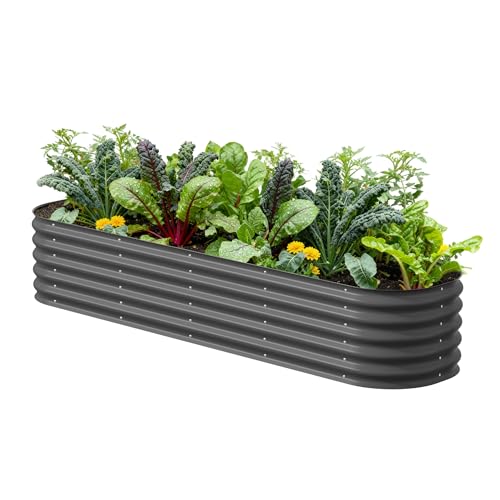
Vego garden Raised Garden Bed Kits 9 in 1 (Modern Gray)
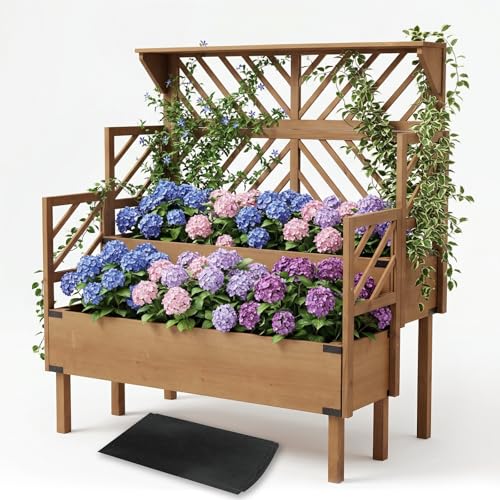
ketive 2 Tier Raised Garden Bed with Trellis and Top Shelf

ketive Raised Garden Bed with Lockable Wheels, 55.5″
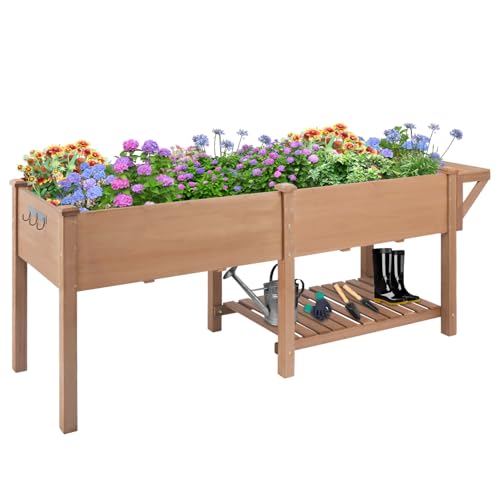
ketive Raised Garden Bed with Legs Outdoor, 80″

ketive Raised Garden Bed with Legs, 33.5″ Fir Wood

Raised Garden Bed with Trellis, 2-Tier Lattice Planter

ketive Raised Garden Bed with Transparent Acrylic Panels
The Picks, Examined More Closely
The Vego garden raised bed kit earns the top slot because it solves the most common layout problem in residential gardening: a flat yard that wants variety. At 17 inches tall, this bed sits well above ankle height, meaning deep-rooted crops like tomatoes and carrots finally have room to stretch. The 9-in-1 modular claim means the panels can be assembled into several shapes, so you can fit it against a fence, run it lengthwise across a lawn, or split it into smaller zones for crop rotation.
The coated steel panels keep the bed from bowing under wet soil pressure. Where untreated wood can warp after a season of rain, steel keeps its shape year after year. Compared to the wooden elevated picks later in this list, this one stays planted in place.
What Stands Out
- 17-inch depth gives root vegetables enough room to develop fully
- Modular panels allow nine configurations for oddly shaped yards
- Coated steel resists rust and warping across multiple seasons
- Olive green finish blends with foliage better than bare galvanized metal
- Tall walls reduce back strain for gardeners who dislike bending low
Worth Noting
- Assembly typically takes two people; panels are unwieldy solo
- Steel conducts heat, so soil warms quickly in summer sun
- Heavier than fabric or wood alternatives, harder to relocate once filled
Who It Suits Best
Home growers with a fixed backyard layout who want a deep, durable bed for serious vegetable production.
Where Another Pick Suits Better
For renters who may need to move their setup, the AC Infinity Heavy-Duty 500G Fabric Pots travel far more easily than this fixed steel frame.
The 2-gallon pouch of BuildASoil worm castings is a soil amendment rather than a container, but it earns a spot because even the best raised bed underperforms without a strong medium. Worm castings are simply earthworm droppings, screened and bagged; they add organic matter, beneficial microbes, and a slow release of nutrients to tired garden soil.
For anyone filling a new bed or refreshing an existing one, this is a low-effort way to boost biology. Where synthetic fertilizers push growth fast and fade, worm castings improve the long-term structure of the soil itself.
Where It Excels
- Organic and gentle enough for seedlings and edible crops
- Improves water retention in sandy or fast-draining beds
- Two-gallon volume covers multiple small beds or one large bed
- Screened texture blends easily into existing soil without clumping
Trade Offs
- Two gallons runs out fast for gardeners with multiple large beds
- Strong earthy smell during application, especially when fresh
- Not a standalone fertilizer, so supplemental feeding is still needed for heavy feeders
Quick Facts
Made For
Organic gardeners refreshing the soil in their existing raised beds before a new planting season.
A Better Fit Elsewhere
For someone who has not yet chosen a bed structure, the Vego garden Raised Garden Bed Kits (Olive Green) is the natural starting point, since castings only matter once you have somewhere to pour them.
Fabric pots belong in any serious conversation about raised bed alternatives. The AC Infinity 500G series uses a thick nonwoven fabric that air-prunes roots, meaning roots stop circling when they hit the fabric wall and branch out instead. The result is a denser, more fibrous root system than a plastic pot usually produces.
At 10 gallons each, these are generous containers that handle tomatoes, peppers, and small fruit trees with room to spare. The five-pack format suits gardeners running multiple plants in a tight footprint.
The Helpful Details
- Air-pruning fabric prevents root circling in long-season crops
- Reinforced stitching handles the weight of saturated soil
- Nylon handles let you drag a filled pot across a patio without dragging
- Excess water drains through fabric, reducing overwatering risk
- Folds flat for off-season storage, unlike rigid containers
Soft Spots
- Fabric dries out faster than plastic in summer heat
- Dark color absorbs sunlight, warming soil beyond what some crops prefer
Best Suited To
Apartment growers and renters who want a movable bed setup that folds away at the end of the season.
Skip It When
For deep-rooted vegetables that demand more than 10 gallons of soil, the Vego garden Raised Garden Bed Kits in Olive Green offer far more root volume than these bags.
The Modern Gray version of the Vego garden raised bed kit is the same structural system as the olive green pick above, wrapped in a softer neutral finish that pairs with contemporary hardscape. For gardeners designing a backyard that includes concrete, stone, or weathered cedar, the gray tone tends to disappear into the landscape rather than announce itself.
Functionally, the dimensions, modularity, and coated steel are identical to pick 1. The difference is purely cosmetic, but for design-led gardens that detail matters.
Points In Its Favor
- Neutral gray blends with stone, concrete, and modern exterior palettes
- Same durable coated steel construction as the olive green sibling
- Modular layout adapts to narrow side yards or wide back patios
- 17-inch depth supports deep-rooted crops through the full season
Small Caveats
- Identical performance to the olive green model, so color is the only differentiator
- Steel retains surface scratches more visibly than textured finishes
Feature Snapshot
Who Should Grab It
Design-conscious gardeners who care how the bed looks from the patio as much as how it performs in the soil.
Look Elsewhere When
If you would rather grow on a small balcony, the ketive Raised Garden Bed with Legs in 33.5-inch fir wood is a better visual and spatial fit.
The ketive two-tier bed is built for tight spaces where floor area is nonnegotiable. Two planting levels stack vertically, and an attached trellis at the back invites climbing crops like peas, pole beans, or flowering vines to grow up rather than out. Available in two footprint sizes (44 by 24 by 47 inches and 55 by 42 by 30 inches), the unit adjusts to different balcony depths.
For urban growers with a concrete slab instead of a lawn, this bed turns vertical air into productive square footage.
The Upside
- Two-tier design roughly doubles planting area within a small footprint
- Built-in trellis supports vining crops without separate hardware
- Elevated height eliminates kneeling for gardeners with limited mobility
- Top shelf adds storage for tools, watering cans, or starter pots
Some Limits To Know
- Wood construction needs sealing or staining to last beyond a few seasons
- Lower tier sits in partial shade cast by the upper tier in some sun angles
Feature Card
Right Fit For
Balcony and patio gardeners who want to grow both leafy crops and climbing varieties in one structure.
Reach For A Different Pick When
For gardeners who prefer a fixed backyard bed with more soil volume, the Vego garden Modern Gray kit offers greater depth and capacity.
The lockable-wheel ketive bed solves a problem most raised bed reviews ignore: the sun moves. A bed that sits in full shade at 9 a.m. may be in full sun by 1 p.m., or vice versa. Four caster wheels, two of them lockable, let you roll the entire planter across a patio to chase the light without lifting it.
The 55.5 by 24 by 32-inch frame offers enough depth for herbs, salad greens, and compact vegetables. A lower shelf handles bags of soil or a watering can.
Benefits That Matter
- Lockable wheels prevent unwanted rolling on sloped patios
- Lower storage shelf keeps soil bags and tools off the ground
- Fir wood construction handles outdoor moisture with proper sealing
- Protective liner separates soil from wood to slow rot
Points To Keep In Mind
- Wheels add height, which may not suit gardeners seeking low-profile beds
- Wood requires seasonal maintenance, especially in wet climates
Whose Shelf It Belongs On
Patio gardeners whose plants need different sun exposure throughout the day or who simply rearrange their outdoor setup often.
Swap It Out When
For a permanent in-ground style setup without mobility concerns, the Vego garden Olive Green kit is the more durable long-term choice.
At 80 by 23 by 30 inches, this is the longest ketive bed in the lineup and the one most likely to replace a traditional row garden. The elongated layout works along fences or as a divider between two outdoor zones. The fir wood legs elevate the planting surface off the ground, which keeps the soil warmer in spring and discourages slugs.
A protective liner shields the wood from constant moisture contact, and a lower shelf catches tools or pots.
Everyday Wins
- 80-inch length supports a long row of mixed vegetables in one bed
- Elevated legs improve drainage and reduce ground-pest issues
- Lower shelf doubles as storage for seed packets and small pots
- Protective liner slows wood rot at the soil contact zone
Possible Compromises
- Long footprint demands a straight, level patio or deck
- Some inventory may arrive without the latest bracket upgrades, so check before assembly
Feature Rundown
Built With In Mind
Backyard growers who want a long, single elevated row of mixed crops without committing to a ground-level bed.
Where A Sibling Pick Shines
For growers chasing a similar long layout but needing it to roll with the sun, the ketive Lockable Wheels model adds mobility.
The smallest ketive bed in this roundup fits where others cannot. At 33.5 by 18 by 30 inches, it slips onto a narrow balcony railing-side or a kitchen stoop without dominating the space. The fir wood frame is reinforced for stability, and pre-drilled drainage holes keep the soil from waterlogging after heavy rain.
For renters and condo dwellers, this is often the only realistic raised bed footprint available.
Useful Touches
- Compact 33.5-inch length fits tight balcony corners
- Drainage holes prevent root rot in wet weather
- Reinforced frame handles the weight of saturated soil
- Elevated legs keep soil at a comfortable working height
- Protective liner included for soil-to-wood separation
Things To Weigh
- Limited soil volume restricts what you can grow to herbs, lettuces, and compact vegetables
- Fir wood needs sealing to last multiple outdoor seasons
Perfect Match For
Apartment growers with narrow balcony space who want a manageable starter bed for herbs and leafy greens.
Not Your Match When
For gardeners wanting a longer planting row or larger soil volume, the ketive 80-inch model offers four times the footprint.
Where most raised beds play a supporting role, this ketive lattice planter wants attention. The decorative lattice back panel turns the bed into a garden focal point rather than a utility box. Two planting tiers stack vertically, and the 44 by 24 by 47-inch footprint suits a single patio wall.
Climbing flowers like sweet peas or mandevilla drape across the lattice once established, transforming the structure into a living screen.
What Earns Its Place
- Lattice back panel doubles as decorative garden architecture
- Two-tier layout separates showy flowers from working vegetables
- Elevated waist height eliminates bending for daily watering and harvesting
- Neutral wood finish suits both modern and cottage-style patios
Honest Caveats
- Lattice requires occasional tightening as wood weathers
- Decorative focus slightly reduces usable planting area versus a plain rectangular bed
Built With In Mind
Garden stylists and cottage-garden enthusiasts who want a raised bed that doubles as outdoor decor.
Another Choice May Suit
For a more utilitarian layout focused strictly on yield, the Vego garden Olive Green kit delivers more soil volume per square foot.
The transparent acrylic side panels on this ketive bed turn a normally hidden process into a teachable moment. You can watch soil moisture move through the layers and see roots develop without disturbing the plant. For parents introducing children to gardening, this is a surprisingly powerful learning tool.
At 28 by 15 by 24 inches, this is a compact elevated unit. It works well as a single herb bed or a small starter bed for kitchen-garden experimentation.
Strengths Worth Knowing
- Acrylic panels let you observe soil moisture and root development
- Compact footprint fits kitchen counters, small balconies, or entryways
- Elevated height keeps the bed at a comfortable working level
- Lower shelf provides storage for watering cans and small tools
A Few Limitations
- Acrylic can scratch if cleaned with abrasive materials
- Small soil volume restricts crops to herbs, microgreens, and shallow-rooted vegetables
Feature Overview
The Right Fit
Curious gardeners, families with kids, and educators who want a visible window into how soil and roots actually work.
Not Your Match When
For larger production-style growing, the Vego garden Raised Garden Bed Kits in Olive Green offer far more soil depth and footprint.
What Matters Most Before Choosing plants for garden beds
Footprint and Site Constraints
Start by measuring the actual space, including the door swing, the path to a hose, and any overhead obstructions like tree limbs or pergolas. A bed that fits the catalog dimensions but blocks the back door will frustrate you within a month. For balconies, also check the load rating; saturated soil weighs roughly 75 pounds per cubic foot, and a single 80-inch bed can run over 300 pounds filled.
Material and Long-Term Maintenance
Steel beds last longer with less upkeep but heat up in summer sun. Wood beds look softer but need annual sealing in wet climates. Fabric pots are portable but dry out fast. Each material has a tradeoff, and the right pick depends on whether you want to spend time maintaining the bed or the plants.
Depth and Crop Selection
Leafy greens and herbs need roughly 6 to 8 inches of soil depth. Tomatoes, peppers, and root vegetables want 12 to 18 inches. Choosing a bed that is too shallow for the crops you want is the most common first-timer mistake.
Mobility Versus Permanence
Rented spaces benefit from mobile or foldable setups like fabric pots or wheeled beds. Owned homes usually reward a more permanent steel or wood installation. Match the bed to your living situation, not just your garden ambitions.
Key Considerations Across These Picks
Common Shopping Slip Ups
Buyers frequently pick a bed that looks good in photos but is the wrong size for the actual patio. Measure twice. Another frequent miss is underestimating soil volume; an 80-inch bed needs nearly 20 cubic feet of soil to fill, and that adds up fast in cost and labor.
What The Higher Tier Buys
Premium steel kits cost more because the coating lasts longer and the panels stay rigid under wet soil pressure. Cheaper wood beds may bow after a single rainy season, and replacing them costs more in the long run than buying the durable version once.
Frequently Asked Questions
How deep does a raised garden bed need to be for most vegetables?
For tomatoes, peppers, and root vegetables, aim for at least 12 inches of soil depth. Leafy greens and herbs grow well in 6 to 8 inches. The 17-inch Vego kits in this list give comfortable margin for almost any backyard crop.
Can raised beds sit directly on grass?
Yes, most raised beds work fine over grass. The grass underneath will decompose, though you may want to lay cardboard first to suppress weeds during the first season. Avoid placing beds directly over tree roots, which can grow up into the bed over time.
How often should raised beds be watered?
Watering frequency depends on material, weather, and crop. Fabric pots and elevated wood beds dry out faster than ground-level steel beds. Check soil moisture an inch below the surface; if it feels dry, water deeply rather than sprinkling lightly.
Is wood or steel better for raised beds?
Steel lasts longer with less maintenance but heats up in direct sun. Wood is more forgiving on soil temperature but needs sealing every season or two. Choose steel for permanence and wood for a softer aesthetic that you are willing to maintain.
Do I need to line a raised bed?
A liner is not always required, but it helps protect wood beds from constant moisture contact and extends their lifespan. Steel beds generally do not need liners since the coated panels handle moisture directly.
Closing Remarks
The right bed depends on your space, your crops, and how much maintenance you actually want. Steel wins for permanence, wood wins for warmth, and fabric wins for flexibility. Pick the one that matches your real weekend habits, not the version you wish you had, and your garden will reward you for years.