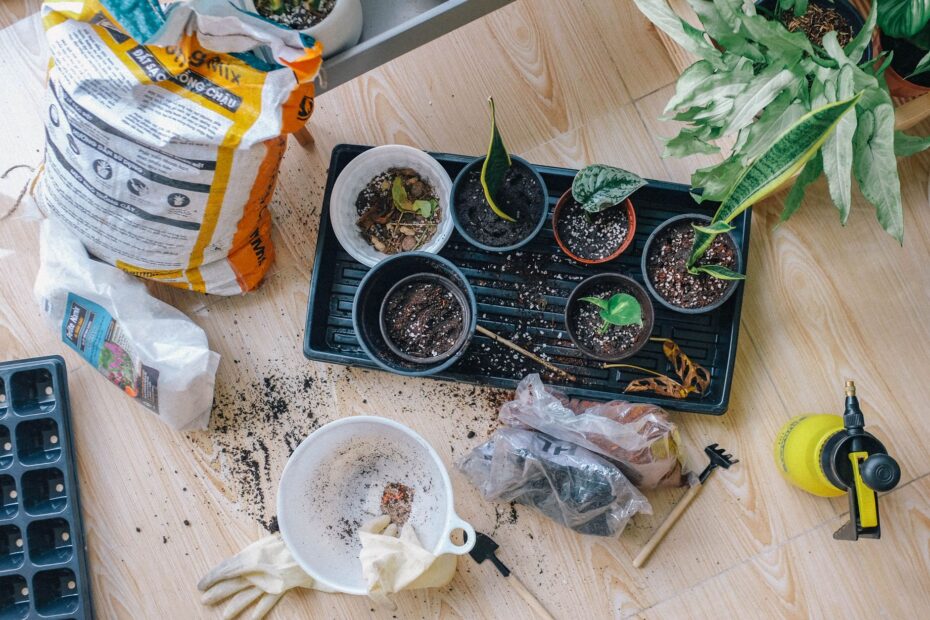
A stem cutting uses living tissue from an existing plant, while a seed contains an embryo formed after pollen fertilizes an ovule. A striped pothos cutting retains its pattern, while seedlings can vary in color, size, vigor, and timing.
You’ll find the biology, setup, plant examples, legal limits, and practical choices that help you select a method for a garden bed, windowsill, or propagation shelf.
Two Biological Routes Produce New Plants
A tomato seed and a pothos stem can each become a full plant, yet they start through separate biological routes. Plant propagation covers every method used to raise plants, while germination describes the point where a seed embryo absorbs moisture and starts root and shoot growth.
Seeds Form After Sexual Propagation
Pollen fertilizing an ovule initiates sexual propagation. The resulting seed contains an embryo, stored food, and a protective coat that shields the embryo until moisture, oxygen, temperature, and sometimes light trigger growth.
Your seedling is not a detached piece of the parent plant. It carries a new genetic mix, so seedlings from seeds inside the same tomato can show small differences in flavor, growth habit, fruit size, or disease response.
Germination is one stage within propagation, not a separate method. A seed has germinated once the embryo resumes growth, but the seedling still needs light, water, nutrients, and room to mature.
Cuttings Use Existing Plant Tissue
A cutting uses asexual propagation, also called vegetative propagation. A stem, leaf, or root piece forms roots and shoots without producing a seed, using stored energy and cells near a node or wound.
Stem cuttings work well for pothos, coleus, mint, and geraniums. Leaf cuttings suit African violets and snake plants, while root cuttings fit a narrower group that includes some raspberries and ornamental poppies.
| Feature | Seeds | Cuttings |
|---|---|---|
| Starting material | Seed containing an embryo | Stem, leaf, or root tissue |
| Biological route | Sexual propagation through pollen and ovules | Asexual propagation through vegetative tissue |
| Genetic result | New genetic combinations | Close genetic match to the mother plant |
| Early hurdle | Germination | Root formation |
| Common use | Vegetables, annuals, and large batches | Named houseplants, herbs, and shrubs |
That starting point shapes the plant for its whole life. Your next choice depends on whether you want genetic variation, a repeatable trait, or a close copy of a plant already growing well.
Genetics Decide Whether Traits Stay the Same
A red geranium cutting keeps the genetic instructions of the plant that supplied it. Vegetative propagation matters where flower color, leaf pattern, fruit flavor, thornlessness, or compact growth matters in your garden.
Cuttings Produce Close Genetic Copies
Most cuttings become clones because their cells came from the mother plant. A variegated pothos cutting carries the same tendency toward white and green leaves, although light levels still affect how much variegation appears.
Your cutting does not receive a new blend of traits through pollen. It begins as mature plant tissue, which gives it a head start toward adult growth compared with a seedling starting from an embryo.
Clones still respond to their surroundings. Lower light, poor nutrition, pruning, temperature shifts, and disease pressure can change leaf size, color, or flowering even where the plant’s DNA stays closely matched to the source plant.
Seeds Produce Genetic Variation
Seedlings reshuffle traits through sexual propagation. Seed from an admired heirloom tomato can produce similar plants, yet fruit flavor, disease tolerance, vigor, and growth habit can still differ among seedlings.
Open-pollinated varieties can resemble the parent line where unwanted cross-pollination stays low. Hybrid seeds and named cultivars can produce less predictable seedlings, so saved seed may not recreate the exact plant you admired.
| Garden goal | Genetic result | Useful route |
|---|---|---|
| Repeat a favorite rose | Close genetic match | Cutting or another vegetative method |
| Raise 40 basil plants | Useful range within a variety | Seed |
| Breed new flower colors | Wide variation | Seed |
| Keep a named coleus pattern | Trait retention | Stem cutting |
Genetic variation is not a flaw. It gives you plants with different responses to heat, pests, soil, and weather, while clones give you a known plant type with familiar traits.
Speed, Scale, and Failure Points Differ
Mature tissue starts farther along than a seed embryo. A rooted cutting can flower or fruit sooner because it came from physiologically older material, while a seed must germinate, form a seedling, and build mature structure.
Seeds Suit Large Batches
Seeds fit projects where you need volume. A packet can fill a vegetable bed with lettuce, zinnias, or basil without access to a living mother plant.
Cuttings require more hands-on care. Your setup needs healthy source material, clean tools, humidity control, and space for every piece to root, so starting 100 plants takes more handling than sowing a tray.
Each Method Has Its Own Weak Point
Seed success depends on viability and proper germination conditions. Old seed, cold compost, excess water, or a buried lettuce seed can leave a tray empty before seedlings establish.
Cutting success depends on living nodes, moisture balance, and oxygen around the stem base. A cutting can wilt in dry air, rot in saturated mix, or stall where the stem lacks a node capable of forming roots.
| Practical factor | Seeds | Cuttings |
|---|---|---|
| Time to mature size | Longer seedling phase | Shorter route for many ornamentals |
| Cost per plant | Low for large batches | Low with available parent stock |
| Hands-on care | Moderate during germination | High during rooting |
| Disease pathway | Seed-borne disease remains possible | Parent pests and systemic disease can travel |
Inspect the mother plant before taking cuttings. Mealybugs, mites, leaf spots, and virus symptoms can move into every new plant you start.
Seeds can avoid some systemic problems carried in stems and roots, yet seed is not sterile by nature. Clean containers, fresh growing medium, and measured watering reduce avoidable losses with either route.
Seeds and Cuttings Need Different Starting Conditions
Moisture matters to both methods, but excess water harms them through separate mechanisms. A seed needs moisture to activate its embryo, while a fresh cutting needs a damp, airy root zone that does not suffocate its base.
Seed Conditions Depend on the Species
Use the packet or a trusted plant reference before sowing. Some seeds need surface light, some belong under a thin layer of growing medium, and some remain dormant until a specific barrier breaks.
- Viable seed: Start with fresh, well-stored seed because heat and humidity shorten embryo life.
- Fine medium: Use a loose seed-starting mix that holds moisture without forming a hard crust.
- Steady warmth: Match soil temperature to the crop, since peppers and tomatoes sprout poorly in cool media.
- Measured water: Keep the surface damp rather than saturated so oxygen remains around the seed.
- Correct light: Give bright light after emergence and follow species directions for light-sensitive germination.
- Dormancy treatment: Use chilling, scarification, or soaking for seeds that need those cues.
Seed dormancy is a built-in pause rather than proof that your seed has failed. Milkweed seeds respond to cold, moist stratification, while hard-coated morning glory seeds benefit from light scarification before sowing.
Cuttings Need Roots Before Independent Growth
Take a nonflowering stem with at least one healthy node, then cut just below that node with a clean blade. Remove leaves that would sit below the growing medium, leaving upper foliage for photosynthesis without excessive water loss.
- Healthy source: Select firm, pest-free growth with no yellowing or distorted leaves.
- Clean tool: Wipe pruners between plants to reduce disease transfer through fresh wounds.
- Airy medium: Use perlite, coarse propagation mix, or another open medium that holds moisture and air.
- Gentle humidity: Covering a tray slows leaf drying, but ventilation limits rot around stems and leaves.
- Indirect light: Bright filtered light fuels leaves without overheating an unrooted cutting.
- Stable warmth: Mild bottom warmth speeds root formation in warmth-loving plants.
Many cuttings can go straight into a suitable propagation medium. Water rooting is optional and works well for pothos and mint, but water-grown roots can need time to adjust after transfer into potting mix.
Rooting hormone can help difficult woody material, yet it cannot rescue weak tissue or a saturated pot. Your clean cut, viable node, and steady environment matter more than a powder or gel alone.
Those fundamentals still work within biological limits, because some species root readily while others resist propagation.
Plant Type Points Toward the Better Method
Plant biology settles the choice faster than habit. Annual flowers, beans, carrots, lettuce, squash, and most vegetable crops suit seed propagation because they grow quickly, work well in quantity, or resist root disturbance after transplanting.
Seeds Suit Crops With Taproots
Carrots, parsnips, radishes, and many beans belong directly in the garden from seed. Their roots dislike disturbance, and stem cuttings are not a practical way to replace a row of edible roots.
Your vegetable plot has exceptions. Potatoes grow from tubers, garlic from cloves, sweet potatoes from slips, and some strawberry varieties from runners because those vegetative parts retain traits from a valued cultivar.
Seed propagation vs cutting propagation is not a contest with one universal answer. Root crops, annual vegetables, and large flower plantings lean toward seed, while plants valued for a precise appearance lean toward vegetative material.
Cuttings Suit Selected Herbs and Ornamentals
Named ornamentals reward cloning because small visible traits can be the reason you chose the plant. Coleus leaf color, hydrangea bloom character, and fruit quality in selected vines are easier to retain through vegetative material.
- Pothos stems: Node-bearing pieces root readily in water or airy mix under indoor conditions.
- Coleus shoots: Soft stems form roots quickly and retain leaf color patterns.
- Mint pieces: Stem sections root fast, although containers help limit spreading growth.
- Rosemary shoots: Semi-ripe stems can root, but dry air and wet media cause setbacks.
- Geranium stems: Firm shoots root well after a brief drying period at the cut end.
- Succulent leaves: Leaves or stems need a callusing period before sparse watering begins.
Woody shrubs such as lilac, magnolia, and certain conifers need more patience and narrower timing. Tissue in a mature landscape plant roots slowly, so a method that works on pothos in two weeks can fail on a woody shrub.
Your Goal Determines the Practical Choice
Your choice starts with the trait you do not want to lose. A treasured variegated houseplant points toward a cutting, while a broad bed of calendula points toward seeds that can fill open soil with less space and handling.
Garden Goals Set the Direction
- Use seeds: Choose them for quantity, seasonal vegetables, annual flowers, and genetic variation.
- Use cuttings: Choose them to retain a named cultivar, leaf pattern, fruit trait, or compact habit.
- Sow direct: Use direct sowing for taprooted crops that dislike transplant shock.
- Root cuttings: Use mature tissue where it shortens the wait for flowers or fruit.
- Check species habits: Confirm that a plant roots well or comes true from seed before spending weeks on it.
Space changes your answer. Seed trays under a small grow light suit batch sowing, while a clear storage bin or covered tray can hold a handful of humidity-sensitive cuttings near bright indirect light.
Species Details Stop Wasted Effort
Look up the species, then review its normal propagation habit, rooting difficulty, and seed behavior. Purdue University Extension material on cuttings highlights nodes, stock plant health, and moisture control as practical clues for your setup.
For propagating from cuttings vs seeds, seeds suit vegetables, annual color, and bulk numbers. Cuttings suit close copies and a faster route from mature tissue, provided your source plant is healthy and the species roots well.
The advantages and disadvantages of seeds and cuttings come down to sameness, speed, scale, and care. Your desired result matters more than a broad rule about which method is stronger.
Even the best-fit method can be undermined by restrictions or preventable mistakes before growth begins.
Legal Limits and Early Errors Affect Results
A successful cutting can still cross a legal boundary. Owning a plant does not automatically give you the right to reproduce a protected variety through vegetative propagation.
Cultivars and Plant Patents Have Separate Rules
A plant patent can restrict asexual reproduction of a protected plant during the patent term. The United States Patent and Trademark Office records plant patents, while a trademark protects a name or brand identity rather than the plant’s genetic material.
Your nursery tag can show both a cultivar name and a trademarked marketing name. The International Code of Nomenclature for Cultivated Plants governs cultivar naming conventions, but naming rules do not replace plant-patent restrictions.
Check the plant tag and breeder information before taking cuttings from a named variety. Propagation limits can apply inside a home garden.
Small Setup Errors Cause Early Losses
- Old seed: Heat and humidity reduce viability, leaving sparse or uneven sprouting.
- Wrong depth: Deep sowing exhausts small seeds before shoots reach light.
- Soggy medium: Saturated mix blocks oxygen and encourages seed rot or stem collapse.
- Missed dormancy: Untreated cold-requiring seed can remain inactive for weeks.
- Weak cuttings: Flowering, wilted, or pest-damaged stems have little stored energy for roots.
- Missing nodes: A bare stem section without a viable node cannot form a normal new shoot.
- Dry foliage: Unrooted leaves lose water faster than the stem can replace it.
Start with the plant’s identity, then decide whether sameness or variation serves your goal. Match that answer to the plant’s normal habit, your light and space, and the condition of the mother plant before you sow or snip.
Bottom Line
Seeds give you new genetic combinations and economical scale, while cuttings give you close copies of traits you already value. Propagating from cuttings vs seeds works best when your chosen method matches the species and its biological needs.
Seedlings need the right germination cues, while cuttings need viable nodes, moisture balance, and a root zone with air. Your results improve once you treat those requirements as separate starting systems rather than interchangeable routines.
FAQ
What is the main difference between propagating plants from cuttings and seeds?
Seeds begin as embryos formed through sexual propagation, so they can carry new genetic combinations. Cuttings begin as living tissue from a mother plant, so your new plant becomes a close genetic copy rather than a genetically new seedling.
Is germination the same as propagation?
No. Germination is the stage where a viable seed absorbs moisture and begins root and shoot growth. Propagation is the wider process of producing new plants, so it includes germination from seed as well as rooting stems, leaves, roots, divisions, and other vegetative material.
Can cuttings go straight into soil?
Many stem cuttings root directly in a light, moist propagation medium rather than water. Your medium should drain well and hold air around the buried node, because dense, wet garden soil can rot the stem before roots form.
Are plants grown from cuttings genetically identical to the parent plant?
Plants from cuttings are close genetic copies of the mother plant because they arise from its existing cells. Your new plant can still look different under changed light, nutrition, temperature, pruning, or disease pressure, since growing conditions influence visible traits.
Do plants grown from seeds grow better or become stronger than plants from cuttings?
Seed-grown plants are not automatically stronger than plants from cuttings. Your result depends on species, plant health, root development, light, water, growing medium, and disease exposure rather than the starting method alone.
Which method is faster: growing from seed or rooting a cutting?
A rooted cutting can reach flowering or fruiting sooner because it starts with mature tissue. Seeds take longer where the plant must germinate, form a seedling, and reach adult growth, although easy annuals can still grow quickly from seed.