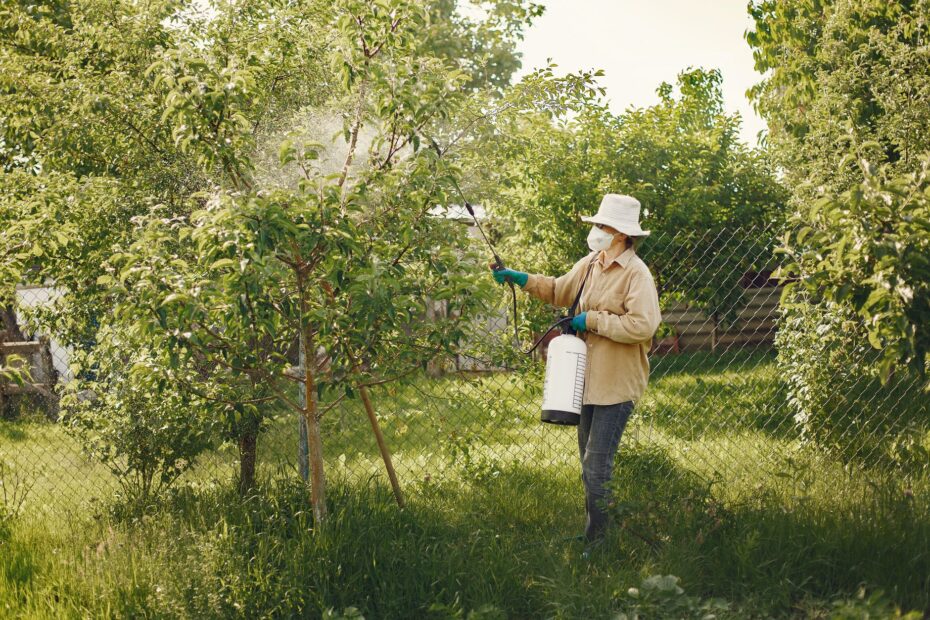
Regular scouting, compost-rich soil, row covers, beneficial insects, and targeted materials form a prevention-first system that keeps crop damage manageable. You do not need an insect-free garden. A few aphids on a sturdy kale plant can feed predators without harming your harvest.
This guide helps home vegetable growers assess damage, strengthen growing conditions, choose intervention thresholds, and use row covers or hand removal while protecting pollinators and natural predators.
Organic Pest Control Works as a Layered Garden System
A torn leaf does not mean your garden has failed. Integrated Pest Management (IPM) for home gardens starts with observation, identifies the cause, matches the response to the damage, and checks results within a few days.
Your goal is not to remove every insect from the bed. You want to protect seedlings, plant vigor, and edible crops while leaving room for lady beetles, hoverflies, spiders, and other helpful hunters.
Damage Sets the Response
Three flea beetle holes in a mature eggplant leaf are cosmetic. The same feeding on a newly planted arugula row can strip foliage before the crop gains strength. Plant age, crop purpose, and the speed of injury shape your response.
Organic methods work well when the tool matches the pest, its life stage, and its feeding habit. A soap spray reaches exposed aphids, while a caterpillar inside a cabbage head needs a different response.
Example: A tomato hornworm can remove large sections of foliage overnight. Hand-picking pests works here because the caterpillar is large, visible, and slow. A broad spray would disturb far more insects than the single hornworm requires.
That restraint depends on knowing whether the visible insect is actually causing the damage.
Accurate Diagnosis Comes Before Any Garden Treatment
Leaf holes, curled growth, and yellow patches can come from very different causes. A close look beneath a leaf can reveal aphids, whiteflies, mite webbing, eggs, or no insects at all, and each finding sends you toward a different next step.
Bring a hand lens into the garden during cool morning hours. You can inspect stems, soil cracks, fruit, leaf edges, and nearby weeds before choosing soap, neem oil, Bt, a barrier, or no treatment.
Feeding Patterns Point Toward the Culprit
- Chewed leaf edges: Look for caterpillars, beetles, earwigs, or nighttime slug trails along damp mulch.
- Sticky curled leaves: Inspect tender tips for aphids, whiteflies, and honeydew that can lead to sooty mold.
- Fine pale stippling: Check for spider mites and faint webbing, especially during hot, dry spells.
- Clean missing shoots: Search for rabbits, deer, squirrels, or cutworms rather than leaf-feeding insects.
- Spots without chewing: Check watering patterns, nutrient problems, heat stress, or plant disease before spraying.
| What you see | Likely cause | Useful next step |
|---|---|---|
| Clusters on soft tips | Aphids | Rinse with water or cover insects directly with insecticidal soap. |
| Round holes with dark droppings | Caterpillars | Hand-pick visible larvae or match Bt to young feeding larvae. |
| Yellow lower leaves, no insects | Watering or nutrient stress | Check soil moisture and root-zone conditions before treating for pests. |
| Silvery scars on fruit | Thrips or weather injury | Inspect blossoms and nearby weeds for tiny, narrow insects. |
A lacewing larva can look fierce, with curved jaws and a mottled body, yet it feeds on aphids. Your pest identification work should separate hunters from plant feeders before anything touches the crop.
Once the culprit is clear, garden design can remove the conditions that helped it gain ground.
Prevention Makes Vegetable Gardens Harder for Pests to Exploit
Weak, crowded plants offer easy feeding sites. Consistent moisture, loose soil rich in organic matter, and spacing that lets leaves dry after rain reduce the stress that sap-feeding pests and plant diseases exploit.
Natural pest control for vegetable gardens starts before the season’s first bite. You can rotate crop families, choose resistant varieties, and mix flowers among vegetables so pests do not find one long row of identical host plants.
Clean Beds Remove Food and Shelter
- Pull weeds early: Weed hosts can hold aphids, whiteflies, and leafhoppers beside your crop rows.
- Gather fallen fruit: Split tomatoes and dropped squash feed flies, beetles, slugs, and rodents.
- Remove infested debris: Bag heavily affected leaves rather than leaving pest eggs beside the bed.
- Rotate crop families: Move cabbage relatives away from the prior season’s brassica patch to disrupt recurring pests.
- Water at soil level: Drip lines or slow root-zone watering keep foliage drier and plants steadier.
Traditional low-input practices linked with Amish gardening rely on clean beds, crop rotation, hand removal, barriers, and mixed planting. Those habits can lower pest pressure, but no heritage method keeps every insect away from your beans or cabbage.
Companion planting works best as habitat design rather than a magic pairing chart. Sweet alyssum, flowering dill, and small patches of native flowers give hoverflies and tiny parasitic wasps nectar between pest outbreaks.
Action Thresholds Stop Minor Damage From Becoming a Spray Routine
Aphids on two leaves do not call for the same response as aphids covering every growing tip. Action thresholds help you judge whether the plant can outgrow the injury or whether the pest population is gaining ground too fast.
Your threshold should be tighter around young seedlings and leafy crops such as lettuce, kale, and bok choy. Minor chewing on a mature squash leaf carries less weight because the plant has far more leaf area to spare.
| Garden situation | Response level |
|---|---|
| Several aphids on an established pepper | Observe, rinse, and watch for predators. |
| Flea beetles shredding emerging arugula | Act promptly with row cover and close inspection. |
| One hornworm on a tomato | Hand-pick it and inspect nearby stems. |
| Fresh caterpillar feeding in broccoli heads | Act quickly because the edible portion is affected. |
Fast population growth changes the threshold. Check a spreading problem every 24 to 48 hours rather than once each week.
Watching is a sound response only while damage stays stable. Rising numbers, bare cotyledons, or larvae feeding directly on food mean your low-disruption response needs to move from observation to action.
When damage crosses that line, barriers and removal can intervene before broader measures become necessary.
Physical Controls Block Pests Without Disturbing the Food Web
Hands, water, mesh, and simple traps solve more garden problems than a bottle does. These tools remove or block pests at the crop without coating nearby flowers or the predators that patrol them.
You can knock aphids from sturdy leaves with a firm water stream aimed upward from beneath the foliage. Repeat the rinse every few days because survivors and new arrivals can rebuild a colony.
Barriers Match the Pest Route
| Physical tool | Useful against | Practical limit |
|---|---|---|
| Fine row cover | Flea beetles, cabbage moths, squash vine borer adults | Open or remove it for insect-pollinated crops at bloom. |
| Cardboard collar | Cutworms around transplants | Press 1 inch into soil and keep it above the stem. |
| Copper strip | Slugs and snails near raised beds | Works poorly when leaves, soil, or mulch bridge the strip. |
| Yellow sticky card | Flying whiteflies and fungus gnats | Place sparingly to limit accidental capture of helpful insects. |
Pruning a curled, aphid-covered tip can remove hundreds of pests in one cut. Hand-picking beetles into soapy water also suits small plantings, especially during a 10-minute morning inspection that catches a problem before it spreads.
Beneficial Insects and Microbes Add Biological Control
Aphid colonies attract their own enemies. Lady beetle larvae, lacewings, hoverfly larvae, predatory mites, ground beetles, and parasitic wasps lower pest numbers through feeding or parasitism.
Your garden holds these allies longer with shallow water, leaf litter at bed edges, flowering plants, and fewer broad-coverage sprays. A tidy but bare plot offers little shelter for ground beetles that hunt slugs and soil-dwelling larvae after dark.
Bt Targets Selected Feeding Larvae
Bacillus thuringiensis (Bt) is a microbial material used against selected young caterpillars. A larva must eat treated foliage, so Bt does not address aphids, beetles, mites, slugs, or damage already done.
Match the Bt strain and label directions to the target species. You get stronger results on small, actively feeding larvae than on large caterpillars nearing pupation, and rain or new leaf growth can shorten surface coverage.
Neem oil and insecticidal soap can disturb soft-bodied pests through direct contact. Their effect depends on full coverage, so missed leaf undersides become protected pockets where aphids or mites can remain.
Targeted Materials Match the Pest Rather Than the Label Claim
The most effective organic option depends on what is feeding, where it feeds, and how exposed it is. A caterpillar needs a different tool than a slug, and a beetle calls for a different tactic than an aphid.
| Pest group | Least-disruptive starting point | Material option and limit |
|---|---|---|
| Aphids and whiteflies | Water spray and dense-tip pruning | Insecticidal soap or horticultural oil needs direct coverage and repeat use. |
| Caterpillars | Hand-picking and row cover | Bt targets susceptible feeding larvae, not every chewing insect. |
| Beetles | Hand-picking, netting, crop cover | Diatomaceous earth affects crawling insects only while dry. |
| Mites | Rinse foliage and reduce drought stress | Soap or horticultural oil needs thorough underside coverage. |
| Slugs and snails | Remove hiding spots and hand-pick at dusk | Iron phosphate bait can help in persistent damp areas. |
| Soil pests | Crop rotation, collars, cultivation checks | Traps or targeted biological materials depend on the identified species. |
Neem-based materials are not a universal answer. They can harm beneficial insects through direct exposure, so keep sprays off open blooms and reserve them for a confirmed target.
Diatomaceous earth is a dry mineral dust that damages the outer surface of crawling pests. Dew, irrigation, and rain reduce its effect, while careless dusting can also harm insects you want near the crop.
Careful Timing and Weekly Checks Make Control More Reliable
Direct-contact materials work only where droplets land, and timing matters more than stronger mixtures. Spray during calm, cooler parts of the day, cover the target area, and avoid open flowers where bees are active.
Your label is the legal use instruction for that product and crop. Follow harvest intervals, mixing directions, protective clothing guidance, pet precautions, and water-protection steps, even with materials sold for organic gardens.
Homemade Mixtures Carry Real Risks
Dish soap can strip leaf surfaces, concentrated oils can scorch foliage, and vinegar can burn plant tissue. Homemade garden sprays also lack consistent directions, leaving you with uneven results and unnecessary harm to beneficial insects.
California gardens need extra care during hot, dry weather. High heat raises foliage-burn risk from oils and soaps, while drought-stressed plants attract mites; water at the root zone before deciding that more treatment is the answer.
A Weekly Routine Finds Problems Early
- Inspect growth tips: Check five plants in each bed, including leaf undersides and new shoots.
- Record fresh damage: Mark holes, droppings, webbing, or missing seedlings with a dated photo.
- Identify the cause: Match the insect or symptom to feeding marks before choosing a response.
- Check coverage: Review leaf undersides and hidden stems after any contact treatment.
- Revise planting plans: Add rotation, spacing, cover, or sanitation where the same issue returned.
Failed control usually traces back to a wrong diagnosis, poor coverage, late timing, or a repeated source nearby. You can break that loop by checking the original symptom again rather than switching materials at random.
What to Remember
Organic garden pest control succeeds through restraint as much as action. Identify the damage, protect strong plants with good growing habits, use barriers and hand work before sprays, and choose targeted materials only for a confirmed problem.
Your garden becomes easier to manage as weekly monitoring shows which crops, seasons, and bed conditions need a different plan. That record gives you a clearer response next season than any single bottle can offer.
FAQ
Does organic pest control really work?
Organic methods work when you match the response to the pest, plant stage, and level of damage. You will see stronger results from row covers, hand removal, habitat for beneficial insects, and targeted materials than from using one product against every garden problem.
What is a natural method for pest control in a garden?
Hand-picking, water sprays for aphids, row covers, crop rotation, clean beds, and flowering habitat are natural methods that fit many gardens. Your strongest method depends on the pest’s route, since a crawling slug and a flying cabbage moth need different barriers.
How do you get rid of aphids and caterpillars organically?
Aphids respond to a firm water rinse, pruning of crowded tips, and direct-contact soap or horticultural oil where needed. You can hand-pick caterpillars, block moths with row cover, or use Bt on small susceptible larvae feeding on the crop.
How long does organic pest control take to work?
Water sprays and hand removal can lower visible pest numbers the same day. Your longer-term results depend on the pest life cycle, weather, coverage, and whether row covers, healthy soil, crop rotation, or beneficial insects reduce the next wave.
Which organic material works for vegetable garden caterpillars?
Bt works on selected young caterpillars that eat treated leaves. You should hand-pick larger caterpillars, inspect broccoli and cabbage heads closely, and keep row covers over brassicas before moths lay eggs.
What should you do after an organic treatment does not work?
Check the pest identification, leaf coverage, application timing, and nearby source of reinfestation. You can inspect the underside of leaves, look for eggs or larvae, and switch to a physical barrier or hand removal rather than repeating the same material.