Healthy houseplants start with the right medium, and choosing from the wide world of potting mixes can feel overwhelming. Gardeners balancing watering schedules, light conditions, and root health need a blend that drains well, holds moisture, and feeds slowly. I’ve put together six options worth a closer look, from ready-to-use potting mixes to soil amendments and aerating minerals that round out any indoor garden.
A Closer Look At The Lineup

Rosy Soil Houseplant Potting Soil, Organic Indoor Mix, 8 Quarts
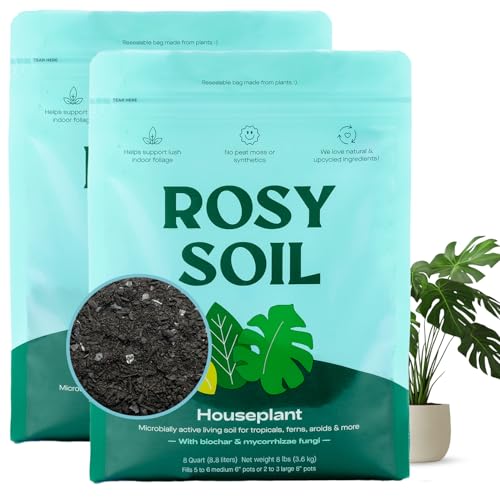
Rosy Soil Houseplant Potting Soil, 8 Quarts, Pack of 2
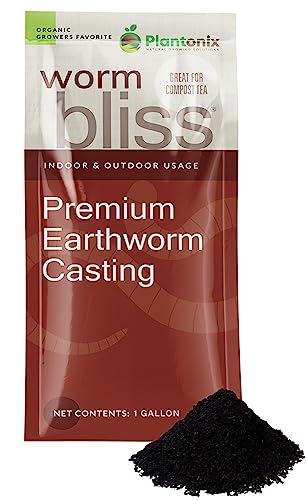
Worm Bliss 4 Qts Organic Worm Castings, OMRI-Listed

FoxFarm Ocean Forest Potting Soil, 1.5 cu ft

Rosy Soil Houseplant Potting Soil, Organic Indoor Mix, 4 Quarts

PVP Industries Horticultural Coarse Vermiculite
A Breakdown Of The Leading Choices
This bag lands at the top of the list for a simple reason: it skips peat entirely and leans on biochar, worm castings, compost, bark fines, and mycorrhizae instead. That combination matters because peat mining raises sustainability concerns, and biochar holds moisture and nutrients much like a slow-release reservoir in the root zone.
Mycorrhizal fungi form a living partnership with plant roots, helping them reach water and nutrients a root system couldn’t access alone. For someone repotting a pothos, philodendron, or monstera into fresh medium, that living biology gives a noticeable head start compared to sterile, filler-heavy mixes.
What Helps Most
- Peat-free recipe appeals to gardeners watching their environmental footprint.
- Living mycorrhizae and beneficial microbes support steady root development over months.
- Eight quarts covers a healthy mid-size collection without running short mid-project.
- Organic inputs mean no synthetic fertilizer burn on tender roots after repotting.
- The texture stays loose enough to breathe, which helps prevent the soggy rot that kills indoor plants.
Things To Consider
- Living soils can dry out faster than peat-heavy blends in dry winter homes.
- The bag is heavier than expected for its size, so carrying it up stairs takes planning.
Who It Suits Best
Organic-leaning indoor gardeners with a dozen or so houseplants who want a peat-free, living medium that supports long-term root health.
Where Another Pick Suits Better
Container gardeners with large patio pots and heavy feeders should consider FoxFarm Ocean Forest Potting Soil, which arrives ready-to-use in a much bigger volume.
The double-bag version of the Rosy Soil blend exists for one reason: people with expanding collections burn through a single eight-quart bag faster than they expect. Two bags stacked together cover a serious repotting session across multiple rooms.
Same recipe as the single bag, same living-ingredient profile. The trade-off is storage space, since two 8-quart bags take up real shelf room. For anyone running a plant business, managing a community garden shelf, or simply restocking before spring growth kicks in, the volume matches the workload.
Real Benefits
- Sixteen quarts total keeps a plant-heavy home supplied through several repotting projects.
- Identical peat-free recipe ensures consistency across batches.
- Reduces the hassle of ordering twice and paying shipping twice.
- Living soil biology supports healthy roots in everything from calatheas to fiddle leaf figs.
Worth Noting
- Bags are bulky, so storing them in an apartment closet takes planning.
- Heavier than the single bag, harder to carry from the door to the work area.
- Living mixes have a shelf life, so working through both bags within a season keeps the biology active.
Made For
Multi-room plant collectors and small-scale propagators who rotate through soil quickly and want the same trusted recipe on standby.
Consider Something Else When
Casual indoor gardeners with just a handful of small pots will find the 4-quart Rosy Soil bag a smarter fit than committing to sixteen quarts at once.
Worm castings work differently than a potting soil. Instead of acting as a standalone growing medium, they play the role of a soil conditioner, enriching whatever mix they join. Earthworm castings are basically digested organic matter, packed with nitrogen, phosphorus, potassium, and trace minerals plants pull from easily.
Think of it as a topping or a blend-in rather than a base. A few handfuls stirred into a standard potting soil add slow-release nutrition without overwhelming tender roots. OMRI listing means it meets the standards for organic gardening, which matters for anyone growing edibles indoors alongside ornamentals.
The Upside
- Slow-release nutrients feed plants steadily over weeks, reducing fertilizer guesswork.
- OMRI-listed for organic use, fitting edible herb and vegetable gardens on windowsills.
- Vegan and manure-free, no odor or animal-product concerns for indoor settings.
- Improves soil texture and water retention when blended into tired potting mixes.
Points To Note
- Four quarts isn’t meant to fill pots on its own; it works as a supplement, not a standalone medium.
- Higher price per quart than bulk potting soil, so it helps to use it sparingly.
- Can compact if used too thickly without mixing, so blending ratios matter.
Key Specs
Best Suited To
Houseplant enthusiasts with tired soil who want to refresh existing pots without buying a full bag of fresh mix.
Skip It When
Someone starting completely empty pots should reach for Rosy Soil or FoxFarm Ocean Forest instead, since castings alone don’t provide the structure roots need.
FoxFarm’s Ocean Forest has earned a loyal following among container gardeners for one straightforward trait: it arrives ready to use, no amending required. The blend includes earthworm castings, fish meal, and crab meal, layering nutrition into a light, aerated texture that drains well in standard pots.
The 1.5 cubic foot volume is the big draw. That’s roughly 45 quarts, enough to fill a sizeable patio planter or work through several indoor repots without worrying about running out. Anyone managing large houseplants, herbs, or outdoor container gardens will appreciate the headroom.
The Value In It
- Pre-mixed and ready to use straight from the bag, saving blending time.
- Light, aerated texture promotes strong root expansion in containers.
- Large volume suits bigger pots and multi-plant refresh projects.
- Includes earthworm castings plus organic meals for steady feeding.
Honest Caveats
- The 1.5 cu ft bag is heavy and awkward to carry, especially up stairs.
- Some gardeners notice a slight odor early on from the organic meals, which fades after watering.
- Less specialized than peat-free or living blends for organic-only growers.
Quick Facts
Whose Shelf It Belongs On
Container gardeners managing big pots, patio planters, or mixed houseplant collections who want a ready-to-use, well-aerated blend.
Reach For A Different Pick When
Strictly organic or peat-free gardeners will find Rosy Soil’s living, peat-free recipe a closer match for their priorities.
The four-quart version of the Rosy Soil blend targets a different shopper: someone with a tight shelf, a few small pots, or a windowsill herb garden that doesn’t justify an eight-quart commitment. Same peat-free recipe, just a more compact package.
For beginners dipping into houseplants, this size lowers the entry cost and keeps the living-ingredient profile intact. It’s small enough to store in a kitchen cabinet or under a sink, and lightweight enough to haul up apartment stairs without complaint.
The Helpful Details
- Compact bag fits small storage spaces like closets and narrow shelves.
- Same peat-free, living-soil recipe as the larger Rosy Soil options.
- Mycorrhizae and worm castings support root development in young or transplanted houseplants.
Trade Offs
- Only four quarts, so larger repots will require a second bag.
- Living soil biology benefits decline over time once the bag is opened, so working through it within a few months keeps the microbes active.
The Right Fit
Apartment dwellers and beginner plant parents managing a handful of small pots who want a quality organic medium without buying in bulk.
Swap It Out When
Anyone repotting multiple plants at once or running a sizable collection will find the 8-quart Rosy Soil bag more efficient.
Vermiculite is a mined mineral that gardeners add to mixes to improve how soil holds and releases water. Coarse-grade vermiculite creates air pockets in dense blends, helping roots breathe while still holding enough moisture to keep plants happy between waterings.
This PVP option arrives clean, odorless, and pH neutral, which matters for indoor use where any chemical smell or imbalance can upset sensitive plants. It’s a builder’s ingredient, not a finished product, so anyone customizing their own blends will appreciate having it on hand.
Useful Touches
- Improves drainage and aeration when blended into compacted or dense potting mixes.
- Clean, odorless, and pH neutral, keeping indoor air and soil chemistry undisturbed.
- Long-lasting and sterile, won’t rot, mold, or break down over time in storage.
Where It May Fall Short
- Not a standalone growing medium; needs to be mixed with soil or other components.
- Dust during pouring can be irritating, so working in a ventilated area helps.
Feature Snapshot
Who Will Love This
Hands-on gardeners who blend their own custom mixes and want to fine-tune drainage for moisture-sensitive plants like ferns or calatheas.
Look Elsewhere When
Someone needing a single ready-to-use product for everyday repotting should pick up FoxFarm Ocean Forest Potting Soil or Rosy Soil instead of building from scratch.
Picking The Right Blend For Your Indoor Garden
A good starting point is matching the soil to the plant’s moisture needs. Tropical foliage like monsteras and philodendrons prefer a mix that holds some moisture but still drains, so blends with bark, coco coir, or worm castings work well. Succulents and cacti lean the opposite direction, wanting fast-draining soil with perlite or coarse mineral additions.
Organic versus conventional matters more than beginners expect. Living soils with mycorrhizal fungi build stronger root networks over time, but they dry out faster than peat-heavy mixes in dry winter homes. Drainage shapes everything: dense, compacted soil suffocates roots and invites rot, while overly loose soil dries out too quickly to keep thirsty plants happy.
Container size changes the equation, too. Small pots dry out fast and benefit from moisture-retaining ingredients like worm castings. Large pots hold water longer and need extra aeration from coarse minerals like vermiculite or perlite to prevent soggy pockets at the bottom.
Drainage And Aeration Basics
Aeration lets oxygen reach roots, and that’s what keeps them alive between waterings. Ingredients like perlite, pumice, orchid bark, and coarse vermiculite all open up dense mixes. Without that airflow, even the most nutrient-rich soil suffocates roots and invites fungal problems.
Living Biology Versus Sterile Mixes
Mycorrhizal fungi and beneficial microbes form partnerships with roots, expanding their reach for water and nutrients. Sterile mixes skip these living helpers, which works fine for short-term propagation but limits long-term soil health. For established houseplants that stay in the same pot for years, biology pays off.
Mixing Your Own Versus Buying Pre-Blended
Pre-blended potting soils save time and remove guesswork, which suits casual gardeners. Mixing your own lets you tune drainage, texture, and nutrition for specific plants, which rewards hands-on caretakers willing to experiment. Both approaches work; the honest read is that pre-blends are simply more convenient for most people.
What To Watch For Before You Buy
Common Shopping Slip Ups
Grabbing the cheapest bag on the shelf often backfires. Low-cost mixes tend to be heavy on peat and filler with little nutrition, which means more frequent fertilizing and weaker long-term growth. Choosing a blend matched to the specific plant, whether tropical, succulent, or herb, prevents the cycle of repotting every few months because roots keep struggling.
Why Top Tier Costs More
Premium potting soils include organic inputs like worm castings, biochar, and beneficial microbes that cheaper blends skip. Those ingredients cost more to source and process, which shows up at the register. For plants that stay in the same pot for years, the extra investment in a richer mix usually pays back through stronger growth and fewer replacements.
Frequently Asked Questions
What type of soil works best for most houseplants?
A peat-free or partially organic blend with good drainage and some moisture retention covers the widest range of indoor plants. Living soils with worm castings and mycorrhizae give a slow-release feeding advantage over sterile mixes.
Can I use garden soil for indoor pots?
Garden soil compacts inside containers and often carries insects or pathogens that cause problems indoors. Bagged potting mixes are blended specifically for container life and drain properly.
How often should I repot my houseplants?
Most houseplants benefit from fresh soil every 12 to 24 months, depending on growth rate and how depleted the mix becomes. Fast growers in small pots may need yearly refreshes, while slow growers in larger containers stretch longer between repots.
Do I need to add fertilizer if my soil has worm castings?
Worm castings provide gentle, slow-release nutrition that covers several months for light feeders. Heavy feeders or fast-growing plants usually appreciate supplemental feeding during active growth seasons.
Is vermiculite necessary for indoor plants?
Vermiculite isn’t strictly necessary, but it helps in mixes that need better drainage and moisture balance. For moisture-sensitive plants or dense base soils, blending in coarse vermiculite prevents soggy roots.
The Takeaway
The right soil makes indoor gardening easier, and the options above cover everything from ready-to-use blends to custom-mix ingredients. For most houseplant collections, starting with an organic, peat-free mix like Rosy Soil gives a solid foundation. Heavy feeders and large pots benefit from FoxFarm’s volume, while Worm Bliss and coarse vermiculite round out a toolkit for gardeners who want flexibility. Pick the one that matches the size of your collection and the plants you tend, then watch how the soil choice shapes everything that grows from there.